


X Report 27 Apr 2025
SpaceX gears up for two major Starlink launches, while regulatory challenges slow progress in India.



Launch Date
January 27, 1989
Launch Site
FRGUI
Launch Pad
ELA1
Launch Vehicle
Ariane 2
NORAD ID
26729
International Designator
1989-006G
Epoch
Fri, 03 Jul 2026 09:17:36 GMT
Apogee
Calculating...
Perigee
Calculating...
Inclination
8.63°
Right Ascension
325.71°
Eccentricity
Calculating...
Argument of Perigee
295.49°
Period
622.71 min
Mean Motion
2.31 rev/day
Latitude
Calculating...
Longitude
Calculating...
Altitude
Calculating...
Velocity
Calculating...
Name
ARIANE 2 DEB
Alternative Name
deb Ariane V28
Type
Status
Owner
AE
Country
France
Constellation
N/A
Related Satellites
Major Events
N/A
1 26729U 89006G 26184.38722934 .00000121 00000-0 68723-3 0 9991
2 26729 8.6287 325.7089 7186167 295.4872 9.0144 2.31248140212723
Source: Celestrak
Length
0
Diameter
0
Span
0
Dry Mass
0
Launch Mass
0
Shape
N/A
Radar Cross Section
9.7108
Visual Magnitude
Unknown
Color
Unknown
Material Composition
Unknown
Payload
Unknown
Purpose
Unknown
Mission
Unknown
Manufacturer
EADSL
Life Expectancy
Unknown
Bus
Unknown
Configuration
Unknown
Motor
Unknown
Equipment
Unknown
Power System
Unknown
ADCS
Unknown
Transmitter Frequency
Unknown
Learn more about satellites and other related topics.
SpaceX gears up for two major Starlink launches, while regulatory challenges slow progress in India.
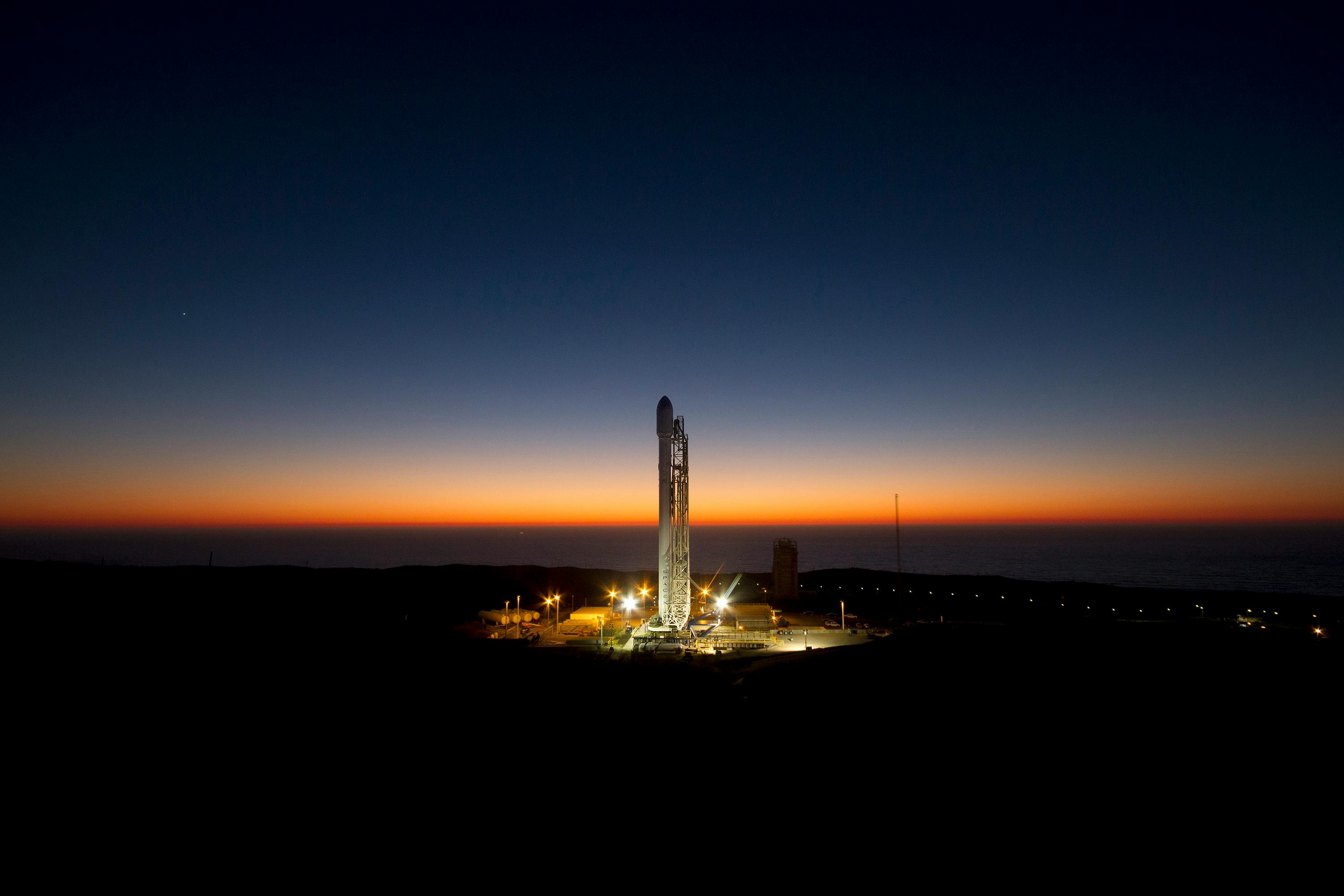
SpaceX successfully launches 21 Starlink satellites, marking their return post-Starship explosion. Starship's recent test flight leaves debris washing ashore, while Blue Origin's New Glenn debut sparks discussion.

Today's highlights include Space Force's budget shifts, China's new commercial lunar collaboration, and SpaceX's latest Starlink launch.

Today's briefing covers strategic military developments including missile defense proposals and board realignments, intertwined with rising space defense exports and autonomous launcher progress.
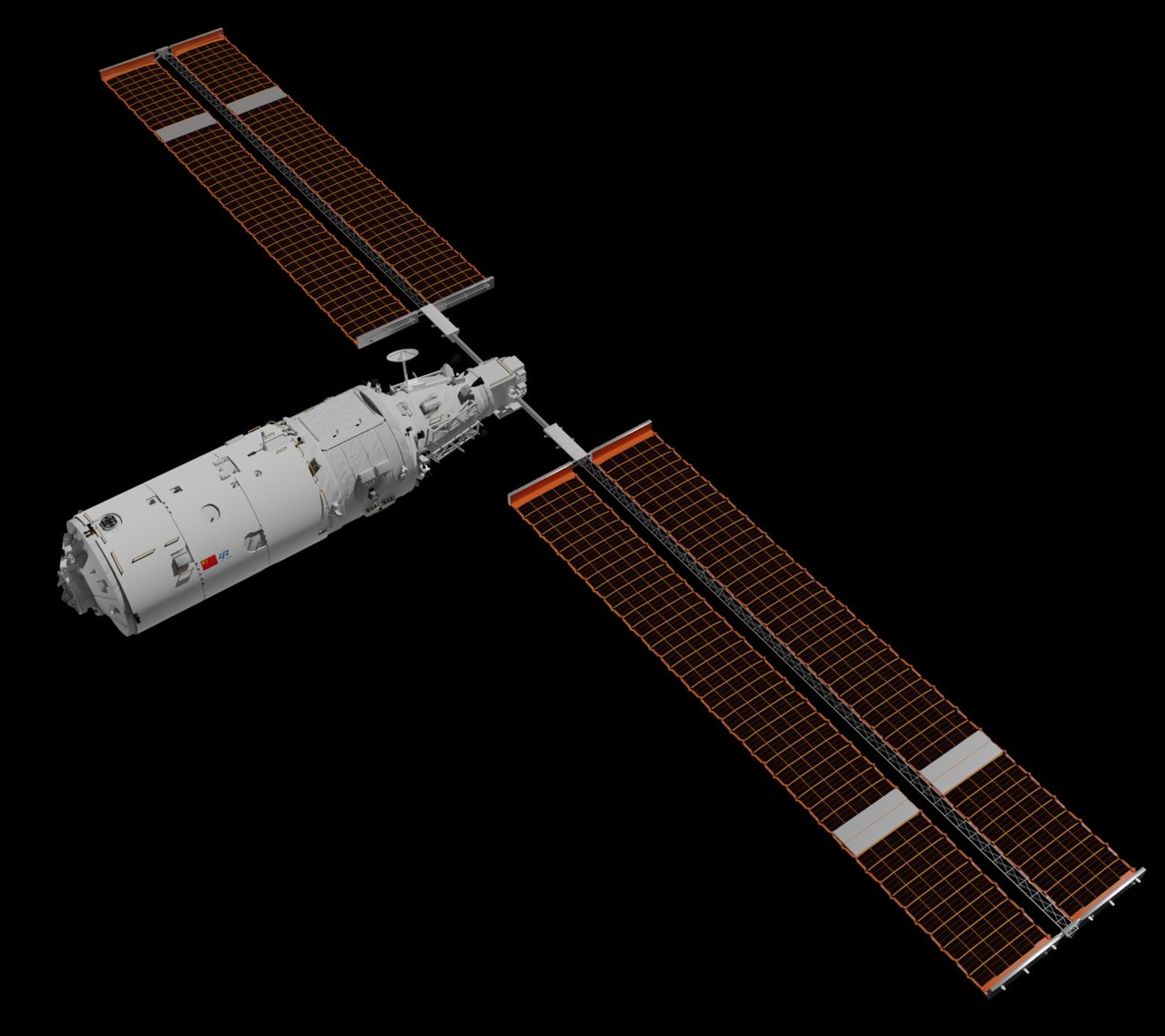
Highlights of the day include the Polaris Dawn mission's splashdown, advances in space traffic management, and intriguing astronomy insights from the cloud's edge.

Today's brief covers SpaceX's launch of a secret US spy satellite, national security satellite launches, and Japan's missile ambitions. Also highlighted are Estonia's AI defense upgrades and autonomous airpower in Australia.
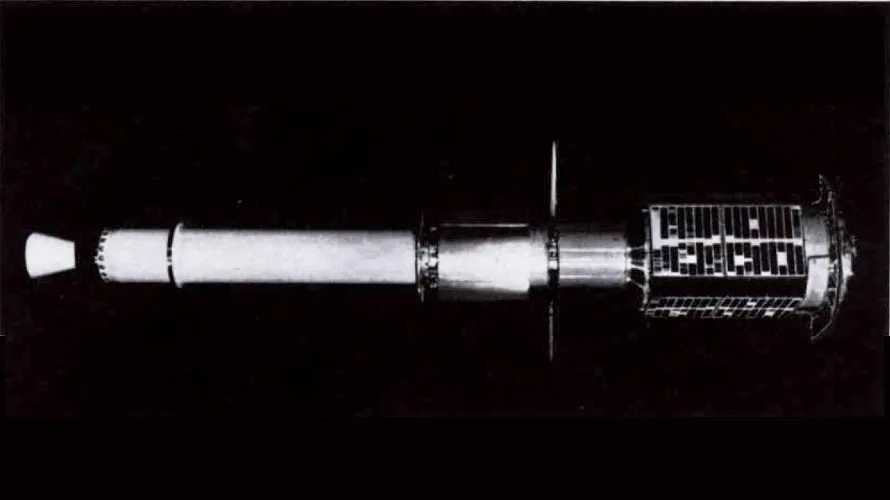
On April 27, 1961, a Scout rocket lifted a 37-kilogram NASA satellite into orbit from Wallops Island carrying the first serious instrument for detecting cosmic gamma rays. Explorer 11 operated for seven months before its tape recorder failed. In that time it registered 22 gamma-ray photons - a pitiful number by modern standards, but enough to launch an entire branch of astronomy.
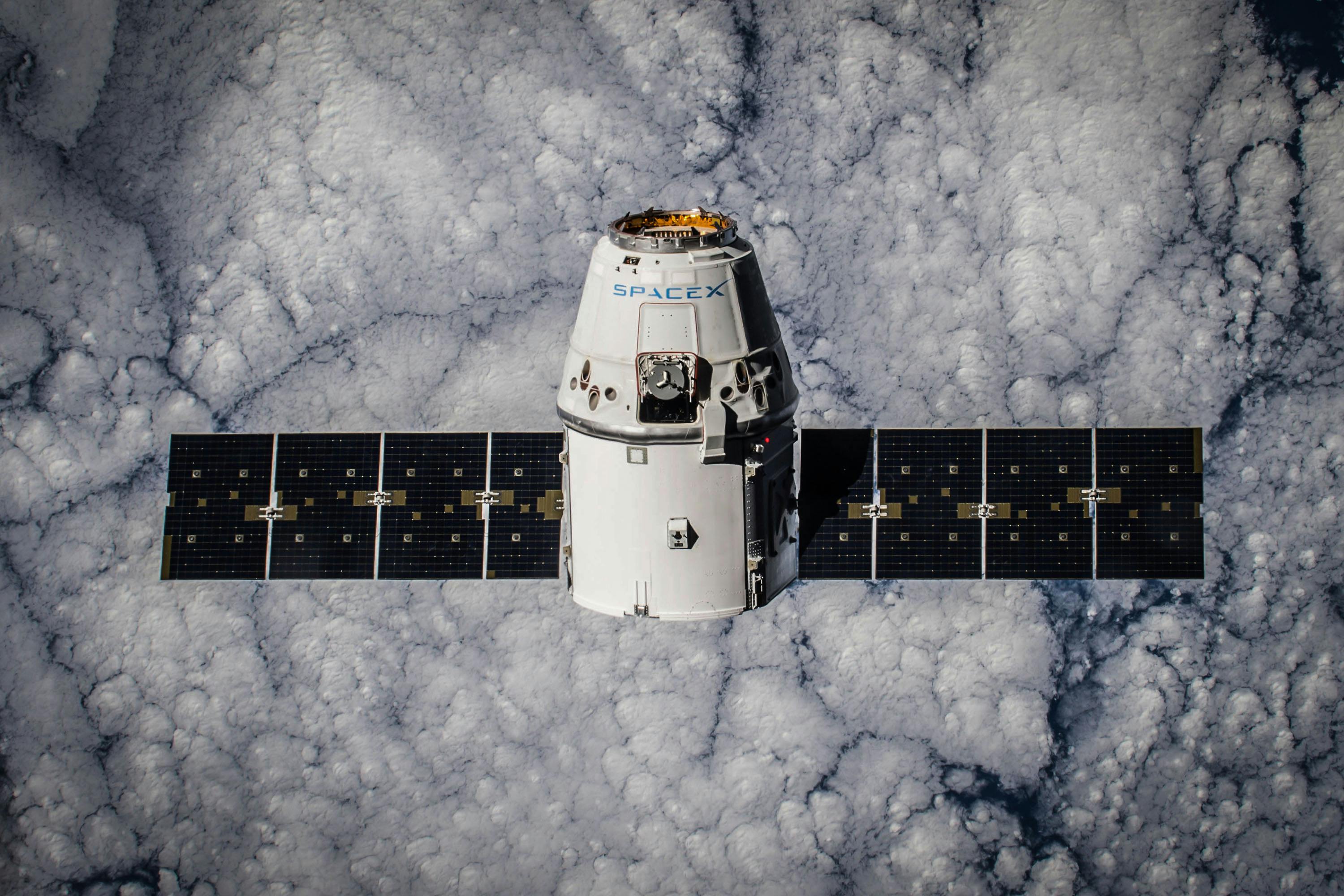
SpaceX progresses with Starship developments and sets sights on NASA's upcoming 3D sky-mapping satellite launch.