

X Report 6 Jun 2025
Today's SpaceX Brief highlights the imminent launch of the Ax-4 mission, notable milestones in Falcon rocket history, and the impact of political tensions on SpaceX operations.


Launch Date
March 8, 2001
Launch Site
Launch Pad
LC39B
Launch Vehicle
Space Shuttle
NORAD ID
26718
International Designator
2001-010A
Decay Date
3/21/2001
Name
STS 102
Alternative Name
Discovery (STS-102)
Type
Status
Owner
JSC
Country
United States
Constellation
N/A
Related Satellites
Major Events
N/A
Length
37.3
Diameter
23.8
Span
37.3
Dry Mass
92186
Launch Mass
104420
Shape
Box + 2 Wing + Fin
Radar Cross Section
Unknown
Visual Magnitude
Unknown
Color
Unknown
Material Composition
Unknown
Payload
OV-103
Purpose
Crewed Spacecraft
Mission
Crewed Spacecraft
Manufacturer
BNAP
Life Expectancy
Unknown
Bus
STS OV
Configuration
Winged orbiter
Motor
2 x OME (AJ10-190)
Equipment
Unknown
Power System
Fuel cells, batteries
ADCS
Unknown
Transmitter Frequency
Unknown
Learn more about satellites and other related topics.
Today's SpaceX Brief highlights the imminent launch of the Ax-4 mission, notable milestones in Falcon rocket history, and the impact of political tensions on SpaceX operations.

SpaceX experiences a setback with Starship Flight 8 while continuing its Starlink deployment efforts with a successful launch from California.

SpaceX delivered 3 Block 2 BlueBird satellites for AST SpaceMobile from Pad 40, advancing direct-to-cell broadband with 10,650 Starlink craft now active.

ULA Vulcan Centaur launches USSF-87 with two GSSAP surveillance satellites to near-GEO orbit. NRO expands commercial imaging. Integrate raises $17M for classified platform.

Fourteen years ago, Space Shuttle Discovery thundered into orbit one last time, carrying a robot astronaut and capping a remarkable 27-year career that revolutionized space exploration

Understanding the high and low points of every orbit - from the International Space Station's careful dance with Earth's atmosphere to the extreme ellipses that take satellites to the edge of space and back.
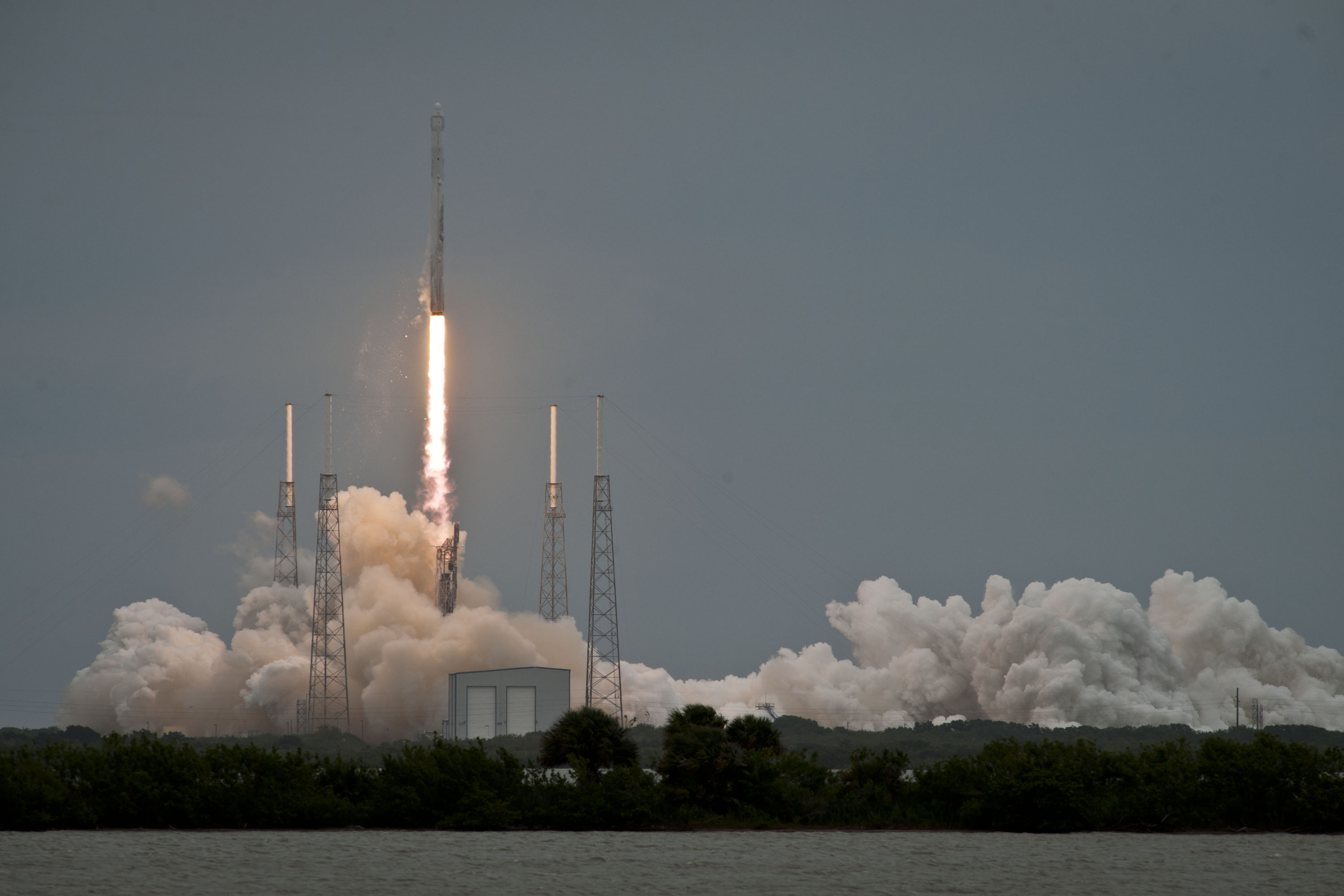
On April 18, 2014, a Falcon 9 first stage did something no orbital rocket had ever done before. It fired its engines on the way down, steered itself through the atmosphere using grid fins that did not yet exist, and touched the Atlantic Ocean softly enough to survive the impact. Nobody recovered it. The data was the whole point.

Today's Space Brief covers Lockheed Martin's pursuits in missile interception, key military advancements in space integration, the UK launch license for Skyrora, and much more.