


ESA's Proba-3 Formation-Flyer Goes Silent | KeepTrack Space Brief
ESA's Proba-3 spacecraft lost contact last month, grounding the dual-satellite solar eclipse mission. Formation flying between both craft is critical for coronagraph science.


Launch Date
January 9, 2001
Launch Site
JSC
Launch Pad
LC921
Launch Vehicle
Chang Zheng 2F
NORAD ID
26664
International Designator
2001-001A
Decay Date
1/16/2001
Name
SHENZHOU-2 (SZ-2)
Alternative Name
Shenzhou 2
Type
Status
Owner
CMSEO
Country
China
Constellation
N/A
Related Satellites
Major Events
N/A
Length
10
Diameter
3.2
Span
10
Dry Mass
3300
Launch Mass
3300
Shape
Cyl + Cone + Cyl
Radar Cross Section
19
Visual Magnitude
Unknown
Color
Unknown
Material Composition
Unknown
Payload
Shenzhou 2 Fanhui Cang
Purpose
Crewed spacecraft
Mission
Crewed spacecraft
Manufacturer
CALT
Life Expectancy
Unknown
Bus
Shenzhou
Configuration
Service module, Return module, Autonomous orbital Module
Motor
4 x retro motors
Equipment
Unknown
Power System
4 deployable solar arrays, batteries
ADCS
Unknown
Transmitter Frequency
Unknown
Learn more about satellites and other related topics.
ESA's Proba-3 spacecraft lost contact last month, grounding the dual-satellite solar eclipse mission. Formation flying between both craft is critical for coronagraph science.

SpaceX continues to break records with its Falcon 9 missions while facing public scrutiny from Elon Musk regarding NASA's leadership. Meanwhile, satellite spectrum battles heat up as Lynk Global and Omnispace prepare to merge.
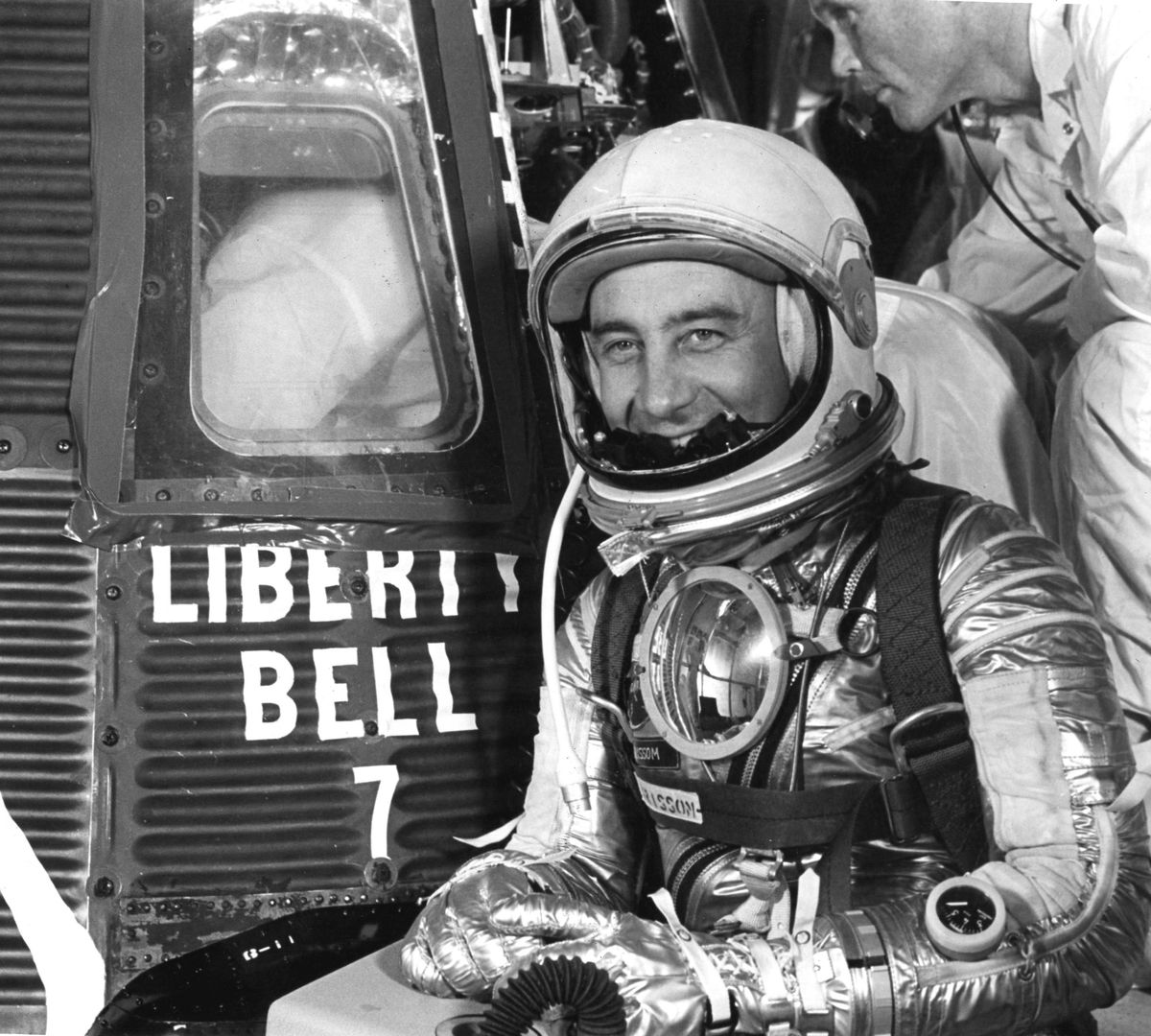
Sixty-four years ago, NASA made a decision that would shape the future of human spaceflight by selecting three astronauts to compete for America's first journey into space
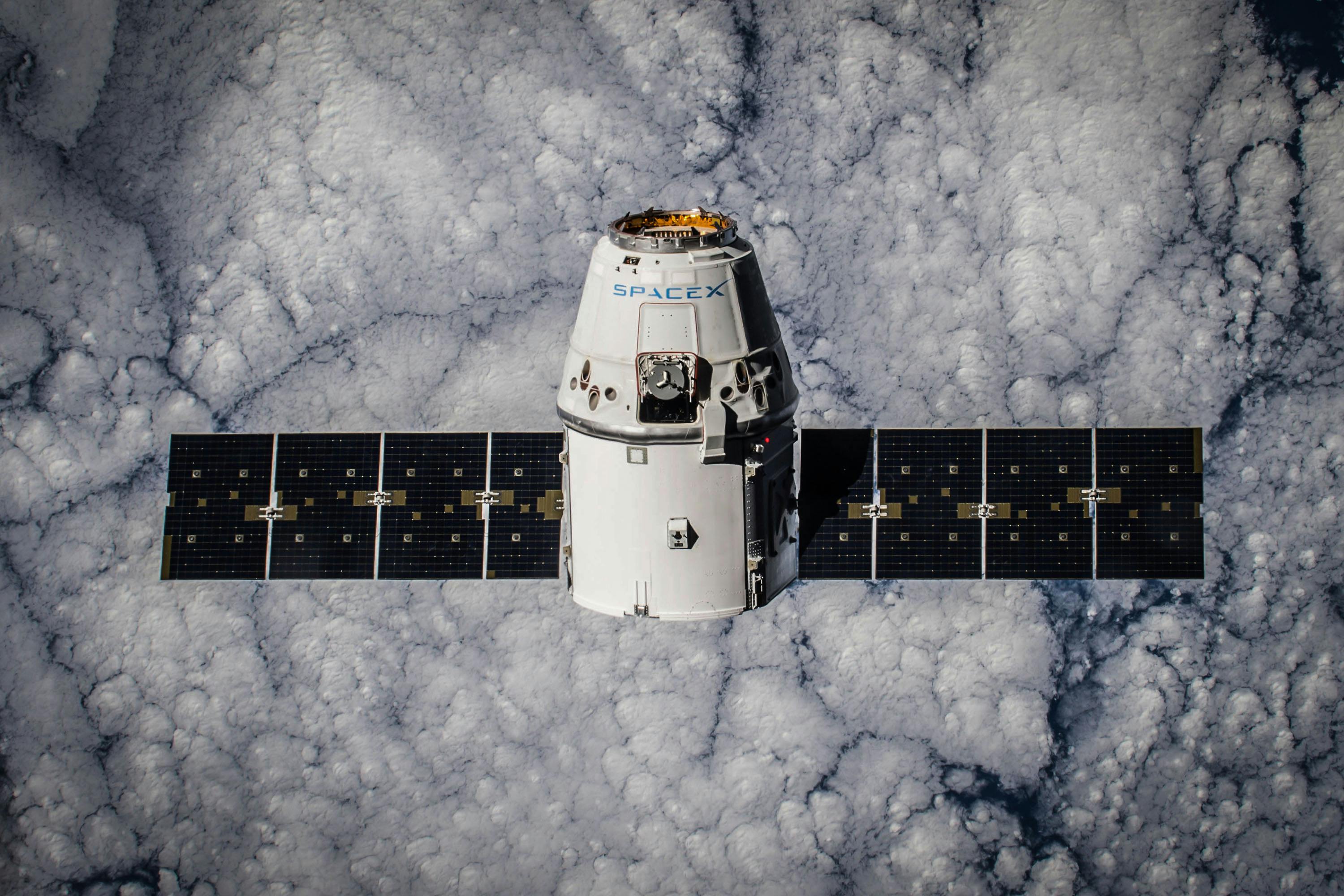
FAA approves SpaceX Starship launches from Kennedy Space Center LC-39A. FCC accepts 1-million satellite orbital data center filing. Canada ranks as 5th largest Starlink market.

Today's brief covers Blue Origin's launch delay, SpaceX's upcoming Starlink mission, and highlights the YAOGAN-43 O1C satellite.

Today's briefing covers the ULA's military application for Vulcan's upper stage, FAA's efforts to expedite launch licensing, and a fascinating flyby of Mercury by BepiColombo.

Space Force selects 14 companies for $1.8 billion Andromeda program to replace GSSAP geosynchronous surveillance satellites with commercial alternatives through 2036.
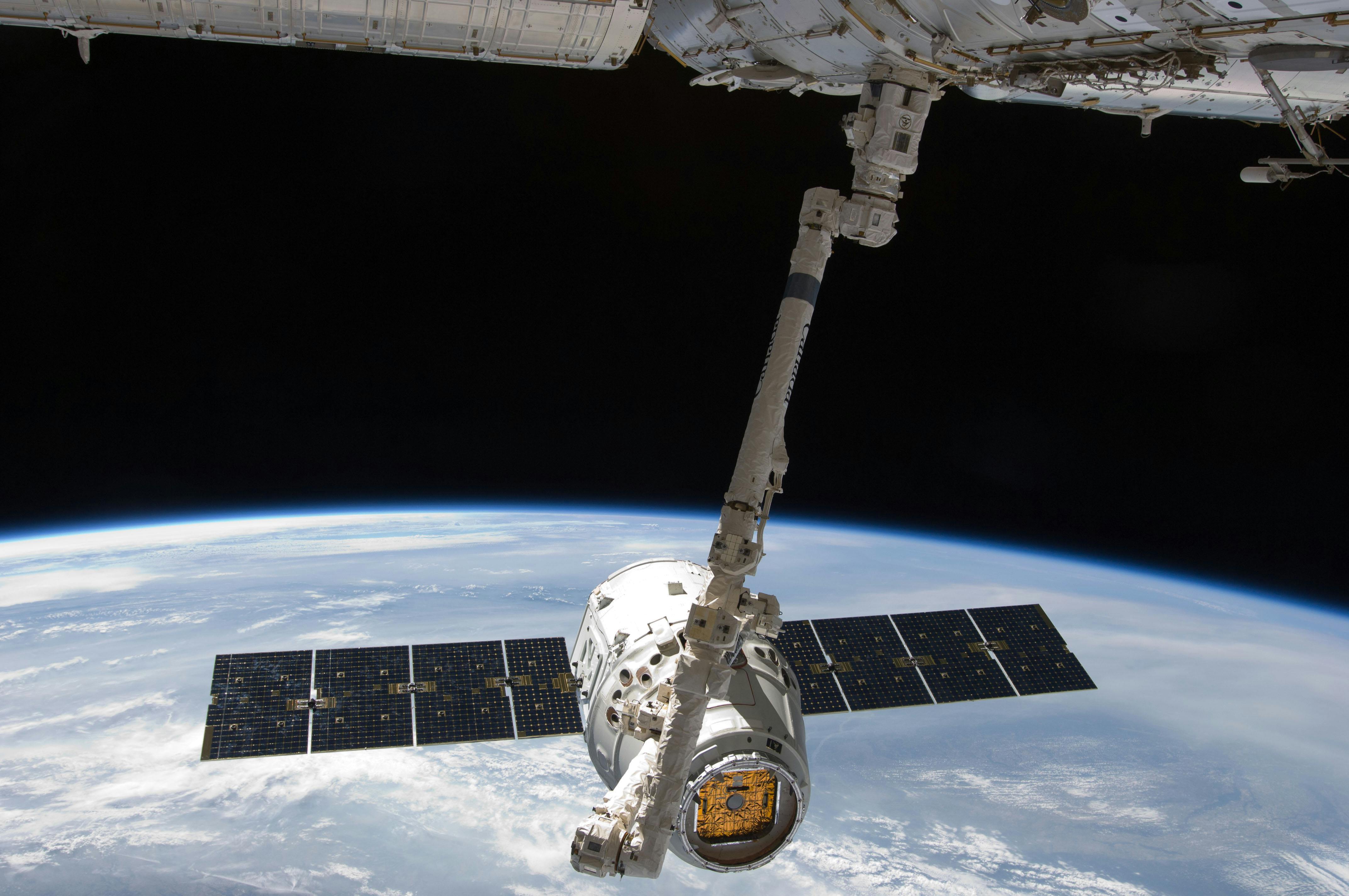
SpaceX achieves significant milestones with the launch of new Starlink satellites and the production of its 10 millionth Starlink kit amidst ongoing challenges with space station delays.