


Orion Crew Returns After Historic Lunar Mission | KeepTrack Space Brief
Artemis 2's four-person crew splashed down April 10 after first crewed lunar flyby since Apollo 17. Orion performance data critical for Artemis 3 south pole landing planning.


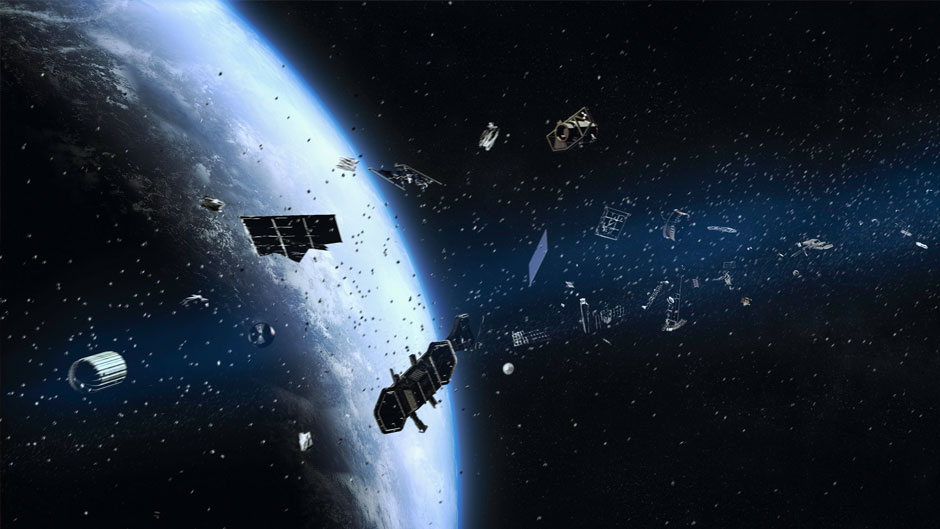
Launch Date
June 29, 1984
Launch Site
Launch Pad
LC90
Launch Vehicle
Tsiklon-2
NORAD ID
26647
International Designator
1984-069U
Epoch
Sun, 16 Oct 2016 23:38:22 GMT
Apogee
Calculating...
Perigee
Calculating...
Inclination
65.05°
Right Ascension
130.86°
Eccentricity
Calculating...
Argument of Perigee
167.90°
Period
103.58 min
Mean Motion
13.90 rev/day
Latitude
Calculating...
Longitude
Calculating...
Altitude
Calculating...
Velocity
Calculating...
Name
COSMOS 1579 COOLANT
Alternative Name
US-A coolant
Type
Status
Owner
VMF
Country
Russia
Constellation
N/A
Related Satellites
Major Events
N/A
1 26647U 84069U 16289.98498189 -.00000039 00000-0 40649-4 0 9994
2 26647 65.0457 130.8566 0040840 167.9022 192.3089 13.90196295819450
Source: Celestrak
Length
0
Diameter
0
Span
0
Dry Mass
0
Launch Mass
0
Shape
N/A
Radar Cross Section
0.0037
Visual Magnitude
Unknown
Color
Unknown
Material Composition
Unknown
Payload
Unknown
Purpose
Unknown
Mission
Unknown
Manufacturer
Unknown
Life Expectancy
Unknown
Bus
Unknown
Configuration
Unknown
Motor
Unknown
Equipment
Unknown
Power System
Unknown
ADCS
Unknown
Transmitter Frequency
Unknown
Learn more about satellites and other related topics.
Artemis 2's four-person crew splashed down April 10 after first crewed lunar flyby since Apollo 17. Orion performance data critical for Artemis 3 south pole landing planning.
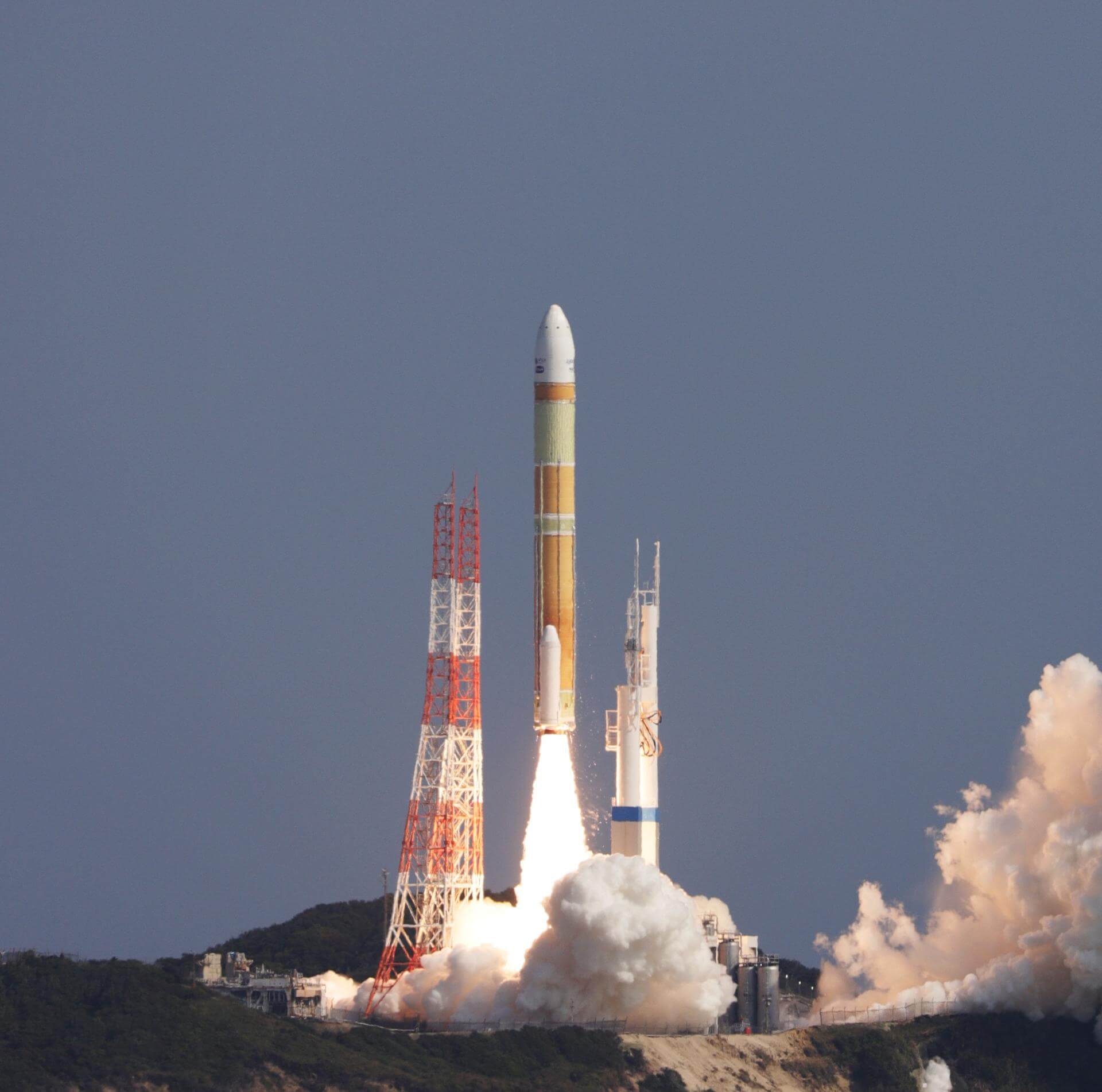
Today's highlights include defense sector investments, major military contracts with Rocket Lab, and a glimpse at new American Innovation dollar coins featuring space achievements.
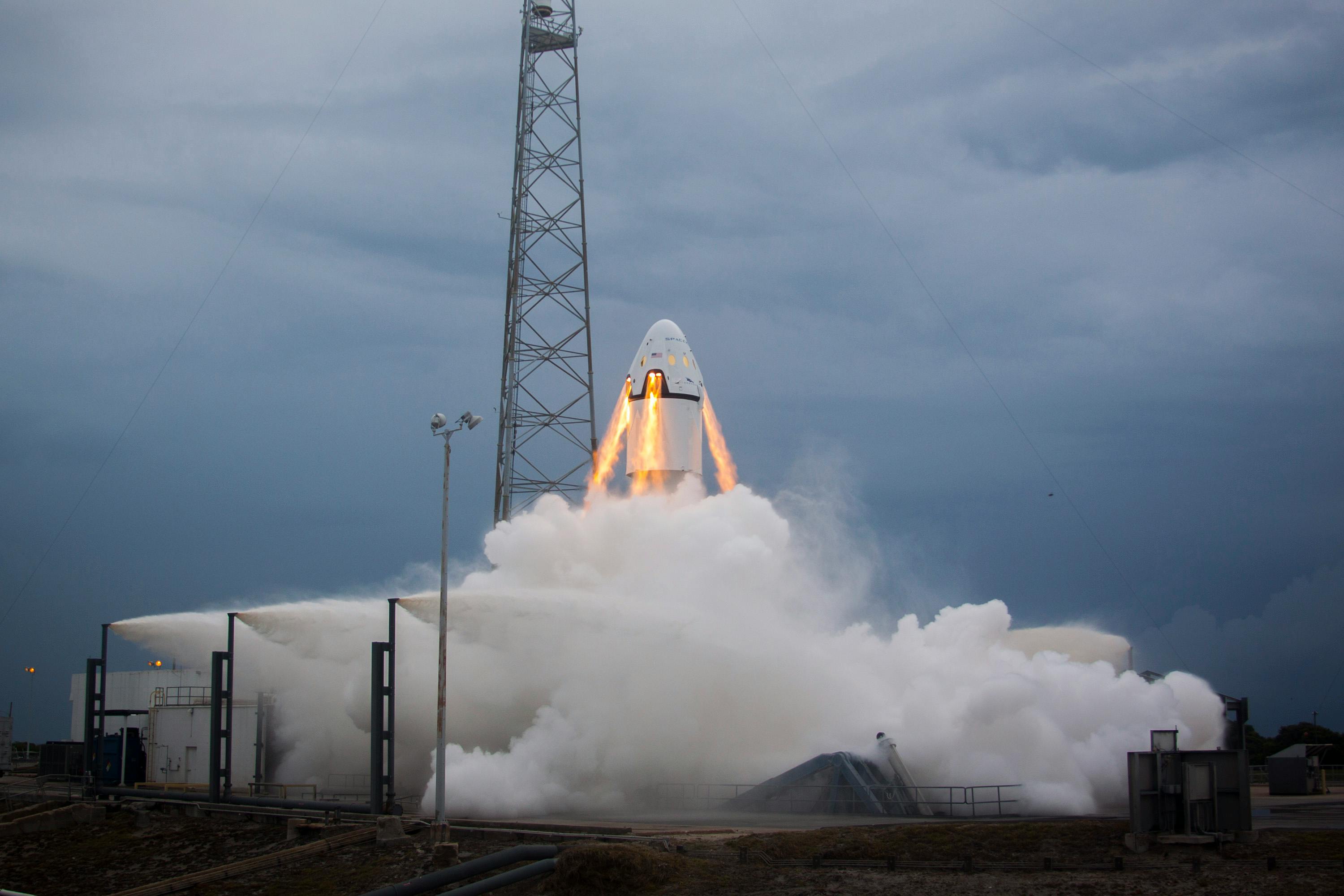
Exciting advancements from SpaceX's Fram2 mission and the pivotal role of biotech in space exploration.
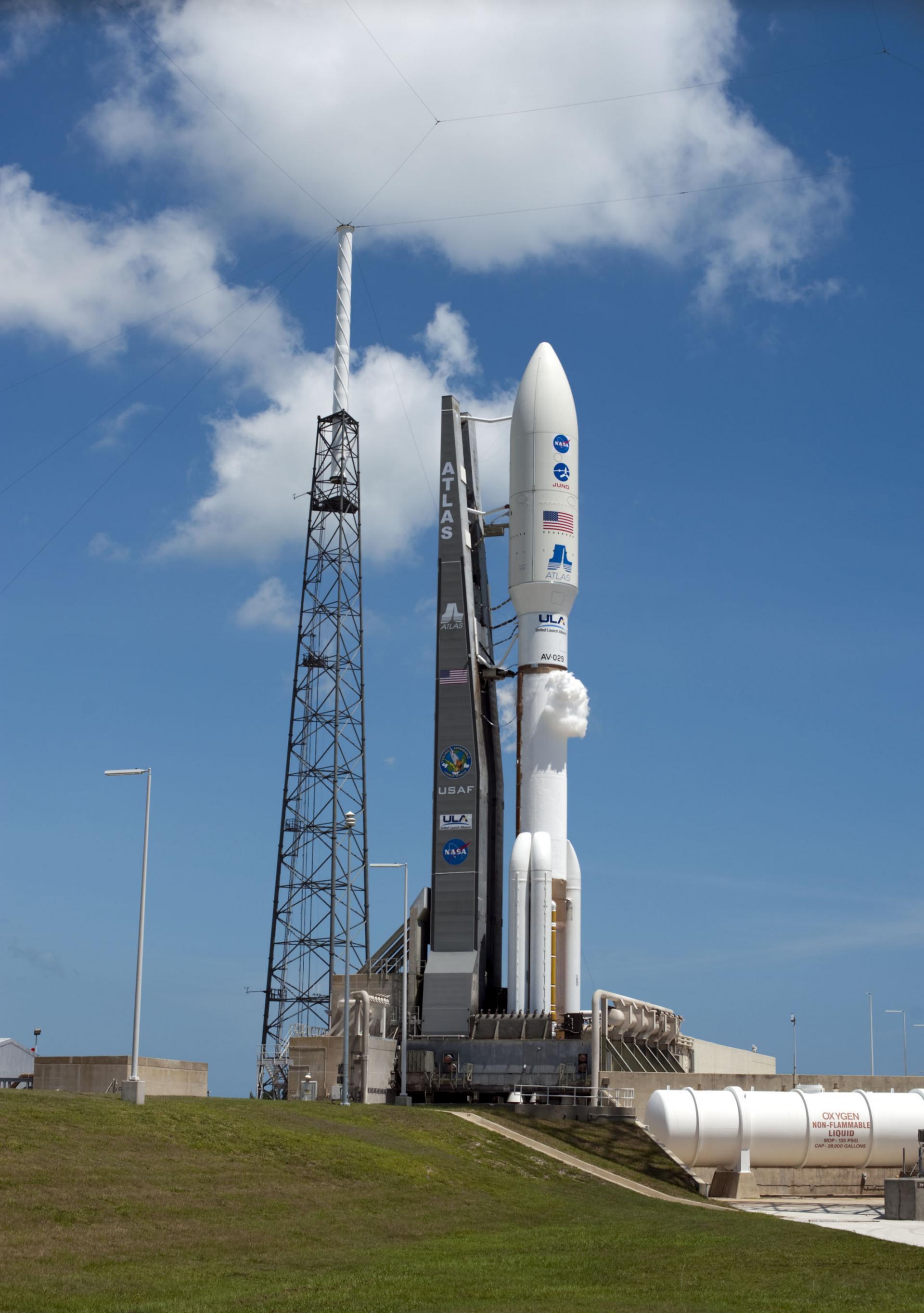
Today's briefing covers space-based missile defense, AI maritime surveillance, and new governmental shifts impacting the defense sector.

SpaceX gears up for an exciting week with multiple launches, including a crewed mission and the rescheduled Starlink delivery. Meanwhile, ULA faces criticism from the Space Force over delays in its Vulcan rocket program.
Three Chinese rocket bodies have exploded over four years, creating debris clouds that will linger for decades to centuries, according to LeoLabs analysis. Fragmentation events threaten commercial and military operators.

Pentagon selects SpaceX and xAI for $100M autonomous drone competition. Two Falcon 9 rockets launch Starlink sats from California and Florida. 11,215 total Starlink satellites launched.

Record-breaking Chinese launches, SDA funding issues, and a new Starlink milestone highlight today's space news.