

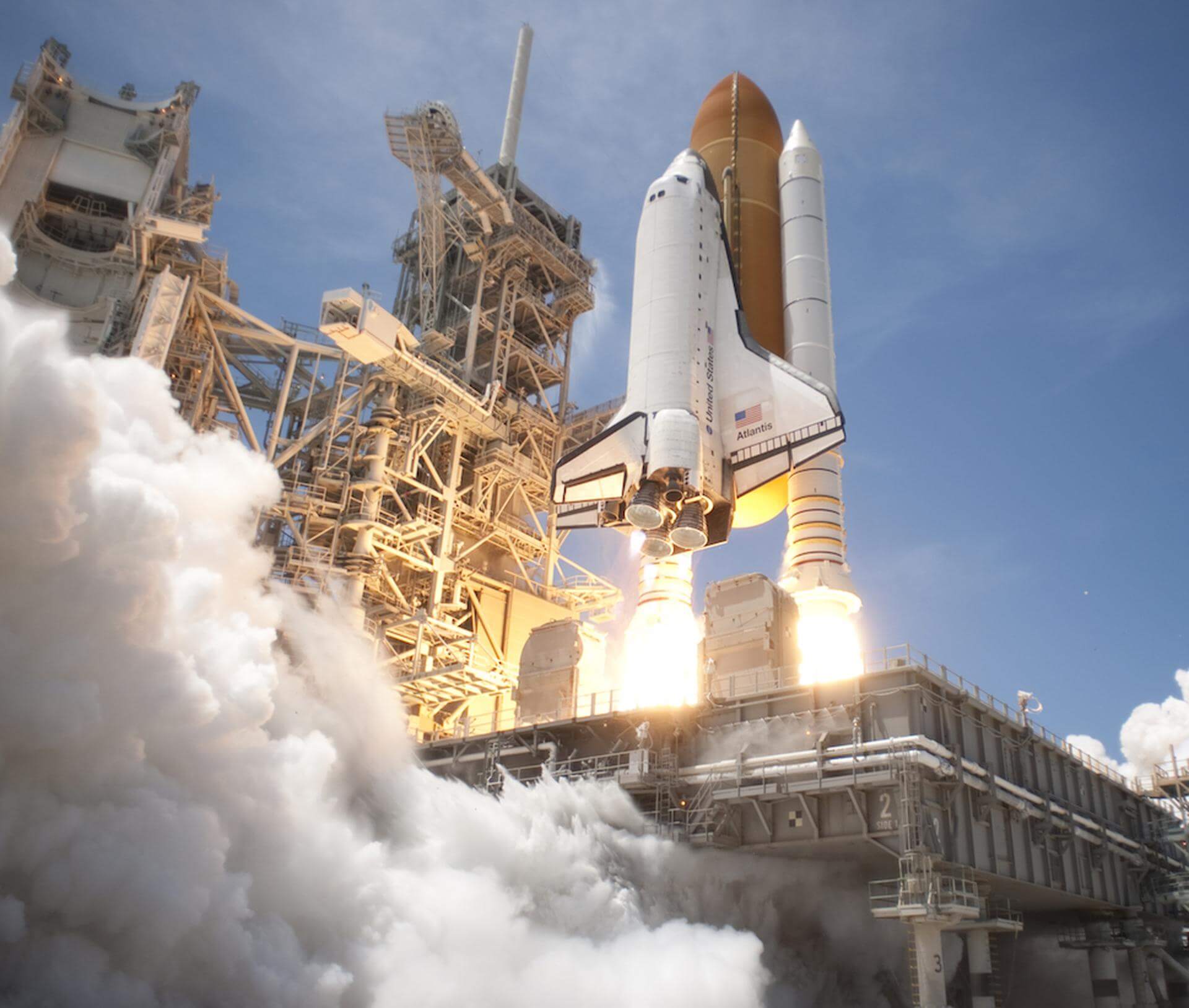
Starlink Powers Air Force One; Pentagon Orders 10,000 Cruise Missiles | KeepTrack Space Brief
Starlink confirmed operational aboard Air Force One over Pacific. Pentagon awards 10,000 low-cost cruise missiles to 4 contractors under new LCCMP program.


![DELTA 2 DEB [DPAF] Satellite Image](/images/sat/deb4.jpg)
Launch Date
November 21, 2000
Launch Site
AFWTR
Launch Pad
SLC2W
Launch Vehicle
Delta 7320-10
NORAD ID
26623
International Designator
2000-075E
Decay Date
1/8/2023
Name
DELTA 2 DEB [DPAF]
Alternative Name
Delta DPAF
Type
Status
Owner
BLS
Country
United States
Constellation
N/A
Related Satellites
Major Events
N/A
Length
3.7
Diameter
2.6
Span
3.7
Dry Mass
186
Launch Mass
186
Shape
Cyl
Radar Cross Section
4.222
Visual Magnitude
Unknown
Color
Unknown
Material Composition
Unknown
Payload
DPAF
Purpose
Unknown
Mission
Unknown
Manufacturer
ASTD/UK
Life Expectancy
Unknown
Bus
Delta DPAF
Configuration
Unknown
Motor
Unknown
Equipment
Unknown
Power System
Unknown
ADCS
Unknown
Transmitter Frequency
Unknown
Learn more about satellites and other related topics.
Starlink confirmed operational aboard Air Force One over Pacific. Pentagon awards 10,000 low-cost cruise missiles to 4 contractors under new LCCMP program.
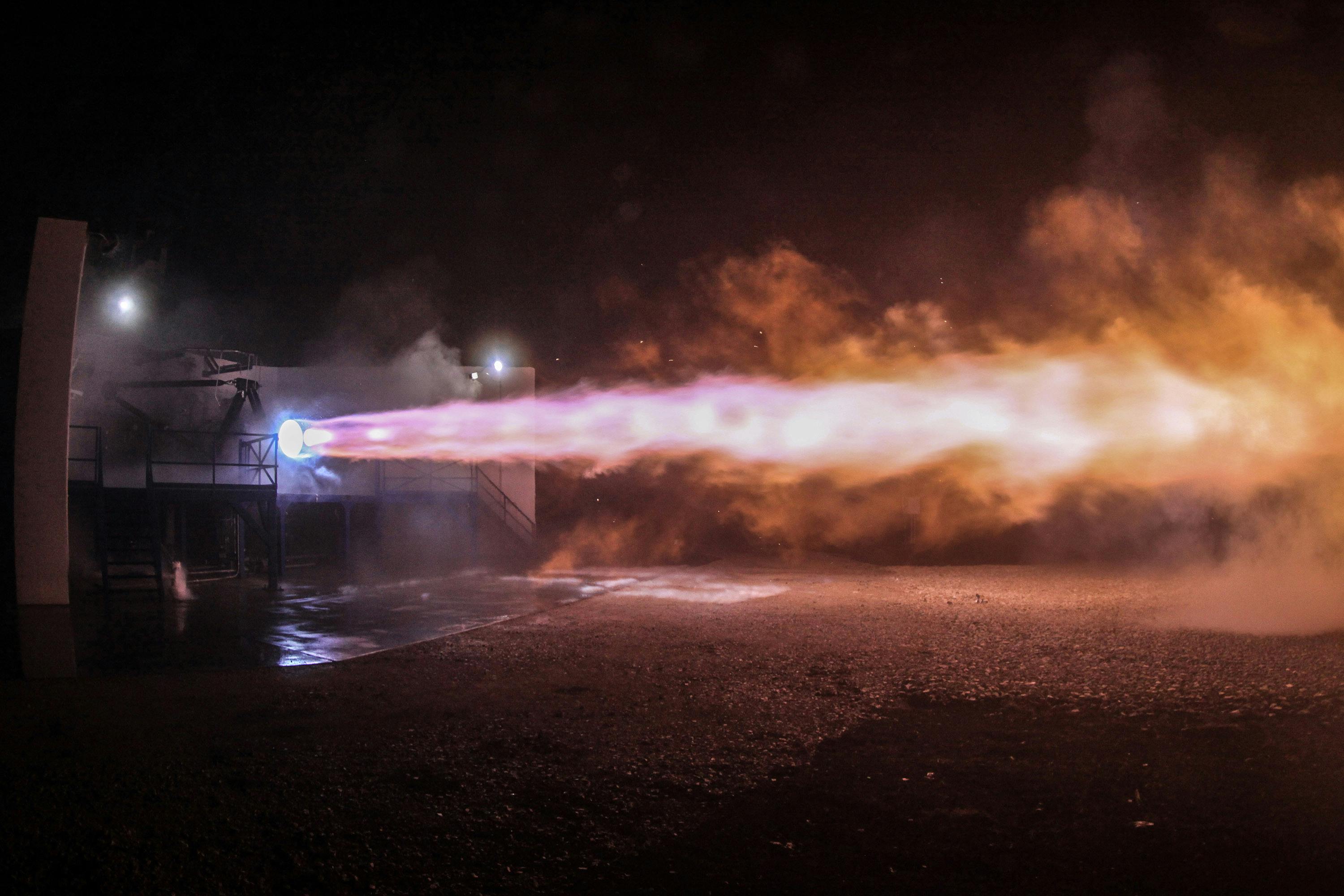
SpaceX has confirmed plans for an IPO and successfully launched multiple batches of Starlink satellites, advancing its mission for global internet coverage.

Today's Space Brief covers China’s latest satellite launches, leadership changes in the U.S. Space Force, insights from hyperspectral imagery on an Iranian facility, SpaceX's Starlink mission, and more.
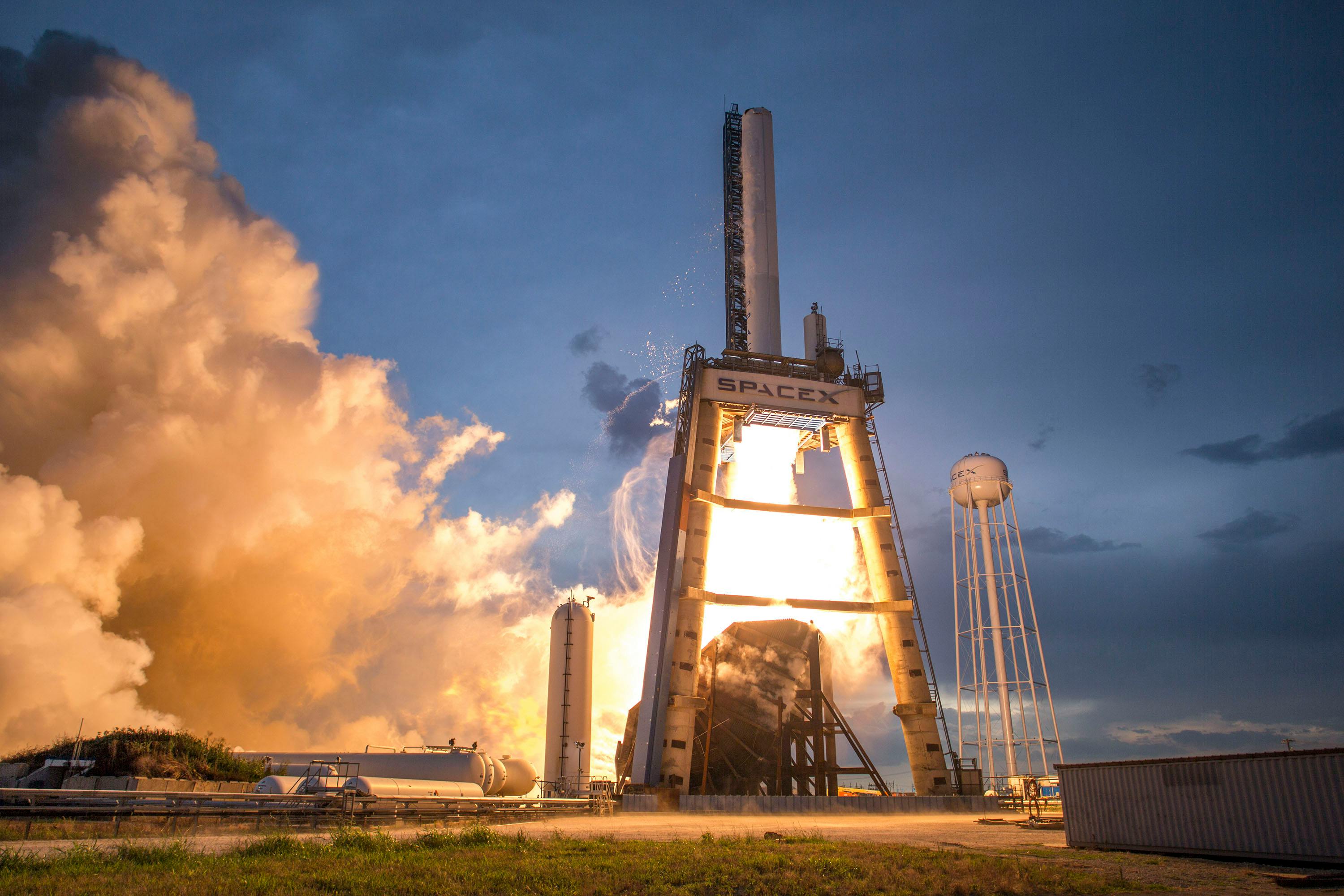
SpaceX wins a $4.16B Pentagon contract for missile-tracking satellites, while hitting its 50th Starlink launch of 2026 in a landmark May.

SpaceX stock surged 19% on its Nasdaq debut as Musk targets $1 trillion revenue by 2030. Starlink 17-54 marks the 1,500th satellite launched in 2026.
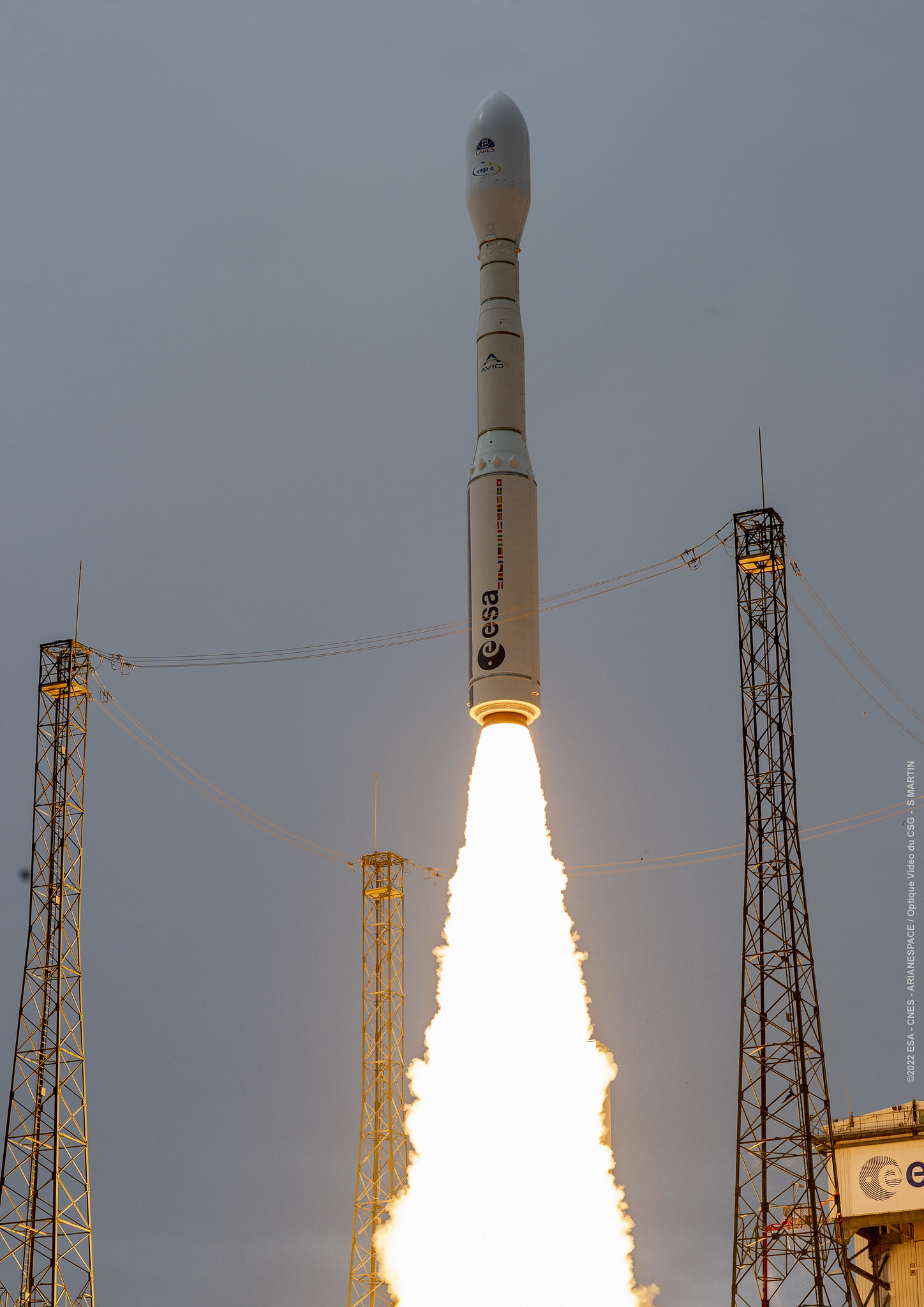
Today's brief covers South Korea's fourth spy satellite launch, potential changes in drone deployment strategies by the US Air Force, and the largest-ever spectrum-sharing demonstration set by the Pentagon.
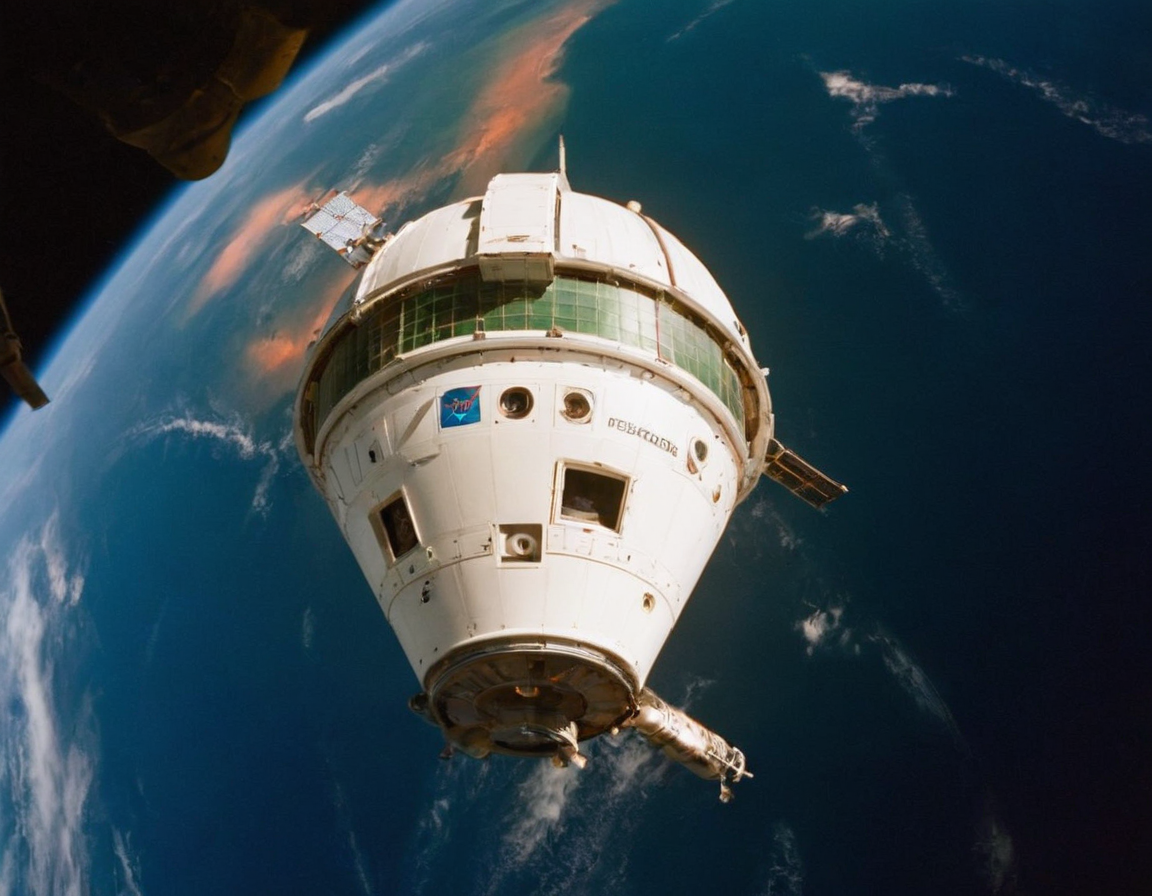
Boeing's Starliner spacecraft encounters thruster problems and helium leaks during its first crewed mission, potentially delaying the return of NASA astronauts from the International Space Station.
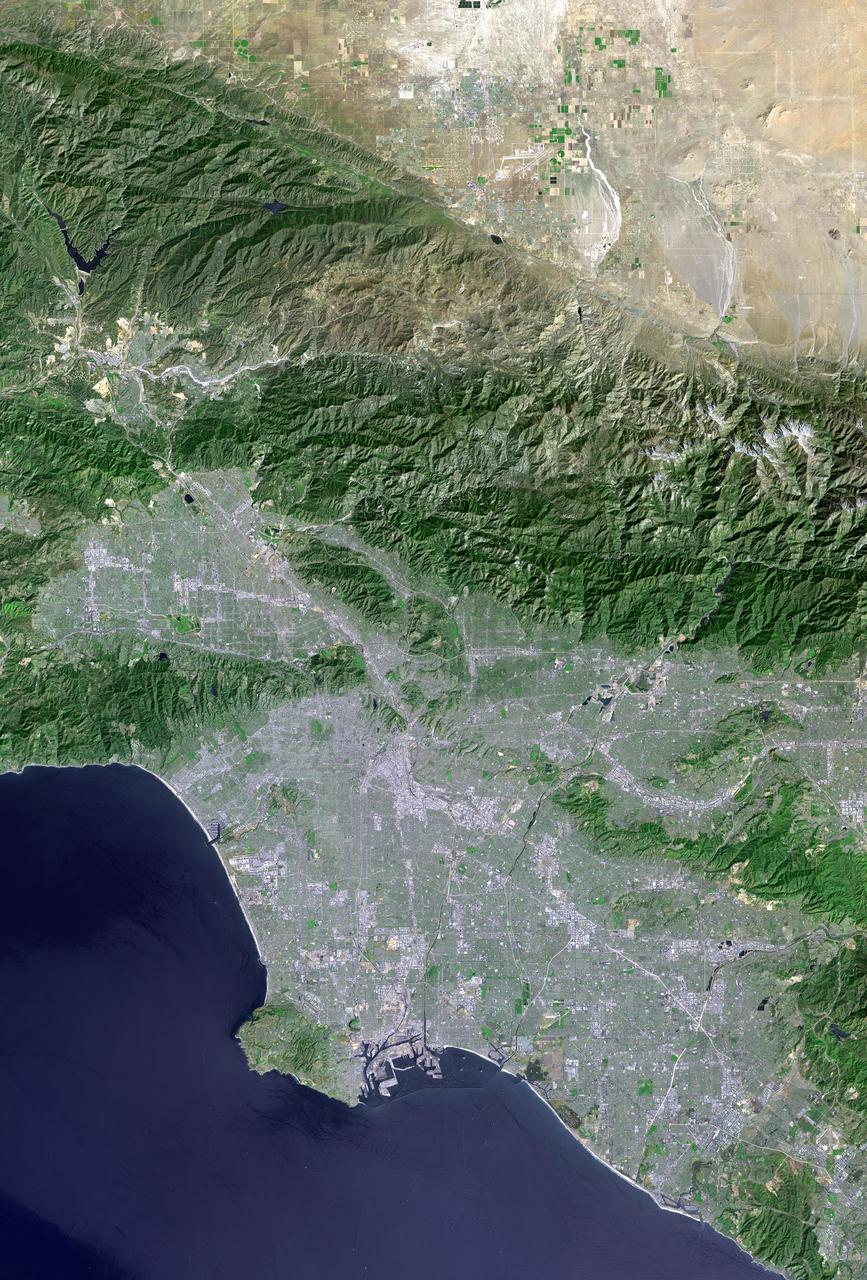
Landsat 7 launched on April 15, 1999, designed to last five years. It operated for twenty-five, survived a failure that destroyed a fifth of every image it took, and became part of the longest continuous record of Earth's surface ever assembled. Then they made the data free.