



Space Brief 5 Feb 2025
Today's briefing covers strategic military developments including missile defense proposals and board realignments, intertwined with rising space defense exports and autonomous launcher progress.


Launch Date
October 9, 2000
Launch Site
Launch Pad
RW06/24
Launch Vehicle
Pegasus H
NORAD ID
26561
International Designator
2000-061A
Epoch
Sat, 06 Jan 2024 12:11:07 GMT
Apogee
Calculating...
Perigee
Calculating...
Inclination
1.94°
Right Ascension
347.79°
Eccentricity
Calculating...
Argument of Perigee
67.57°
Period
94.88 min
Mean Motion
15.18 rev/day
Latitude
Calculating...
Longitude
Calculating...
Altitude
Calculating...
Velocity
Calculating...
Name
HETE-2
Alternative Name
HETE 2
Type
Status
Owner
GSFC
Country
United States
Constellation
N/A
Related Satellites
Major Events
N/A
1 26561U 00061A 24005.50772891 .00009088 00000-0 38599-3 0 9999
2 26561 1.9416 347.7946 0020616 67.5655 292.6569 15.17702077276946
Source: Celestrak
Length
0.7
Diameter
0.5
Span
1.1
Dry Mass
124
Launch Mass
124
Shape
Box
Radar Cross Section
0.6309
Visual Magnitude
Unknown
Color
Unknown
Material Composition
Unknown
Payload
HETE 2
Purpose
Gamma ray astronomy
Mission
Gamma ray astronomy
Manufacturer
MIT
Life Expectancy
1.5 years (planned), 7.5 years (achieved)
Bus
HETE
Configuration
Unknown
Motor
None
Equipment
FREGATE, WXM, SXC
Power System
4 deployable fixed solar arrays, batteries
ADCS
Unknown
Transmitter Frequency
Unknown
Learn more about satellites and other related topics.
Today's briefing covers strategic military developments including missile defense proposals and board realignments, intertwined with rising space defense exports and autonomous launcher progress.

Elon Musk moves to make himself unfireable at SpaceX as AT&T, T-Mobile, and Verizon back a rival D2D joint venture challenging Starlink Mobile.

SpaceX targets a $75B IPO valuing the company at $1.75T, as 50+ new Starlink satellites reach orbit via dual coast launches.
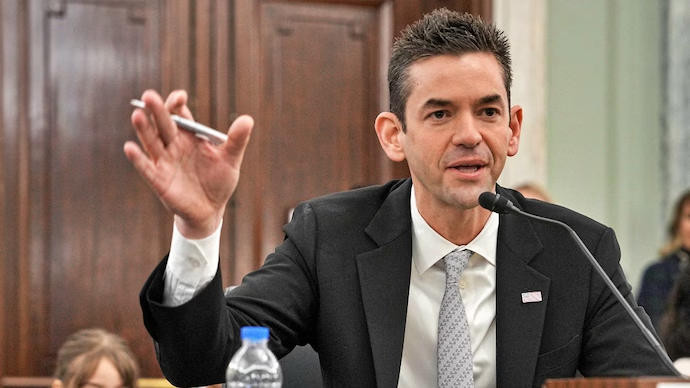
The White House wants to cut NASA's science budget nearly in half for the second year running. Administrator Jared Isaacman says it's enough. Congress already rejected this exact idea once.
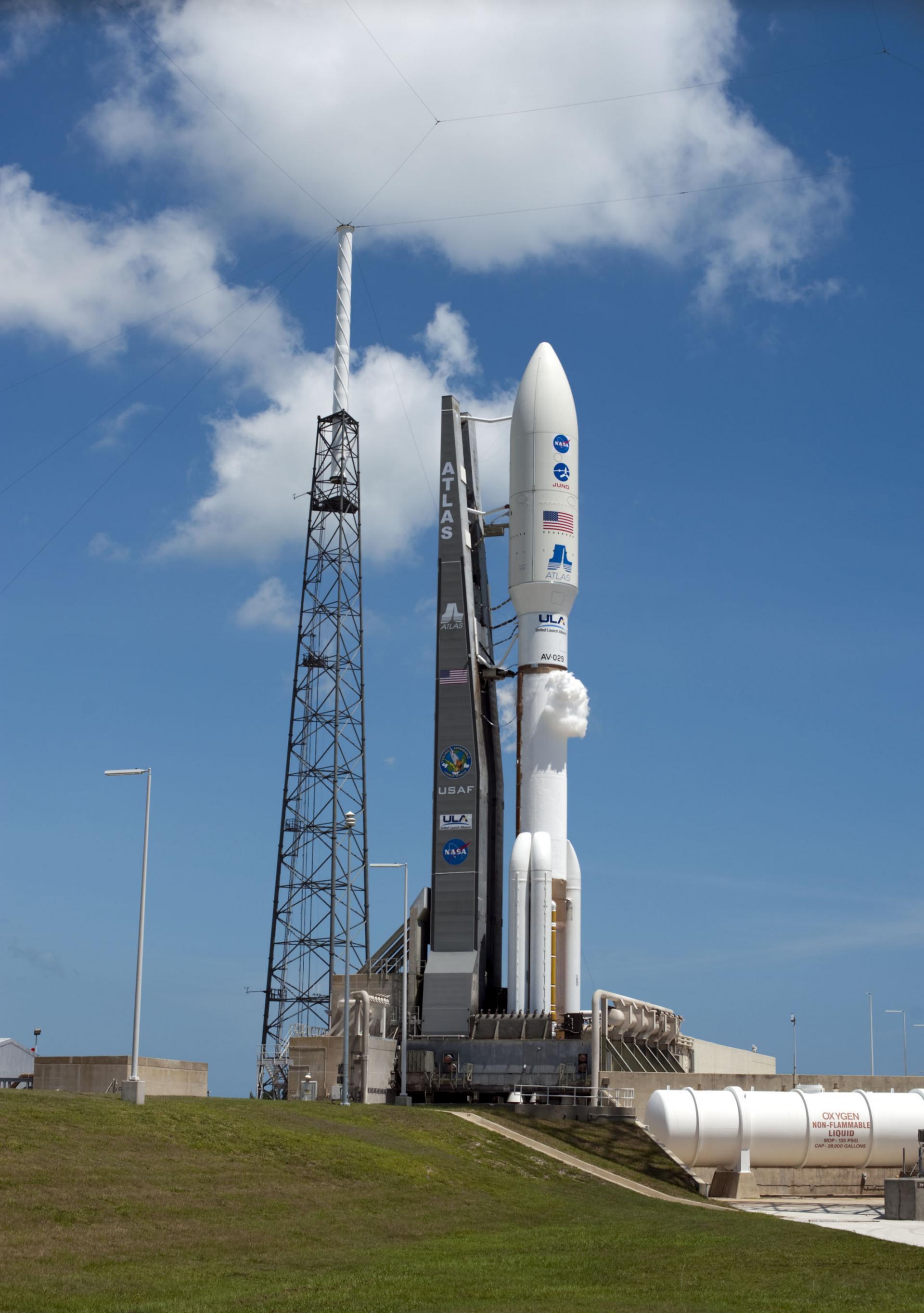
Today's brief covers SpaceX's potential government contract, the future of US Space Command headquarters, an auction record for Neil Armstrong's watch, and the volcanic history of Mars.

For nearly two decades, the U.S. Air Force and Space Force have been the world's unofficial civilian space traffic control system. The Department of Commerce's Traffic Coordination System for Space (TraCSS) is now taking over that job for commercial satellite operators - in stages, against persistent congressional pressure to kill the program, and with Department of Defense advocates pushing to make it happen before it is too late.

SpaceX achieves a historic rocket reuse milestone and successfully launches NRO satellites, alongside charming interactions during Crew-9 Dragon recovery.

NASA's SLS and Orion spacecraft rolled back to Launch Complex 39B, targeting April 1 for first crewed lunar flyby with four astronauts aboard.