


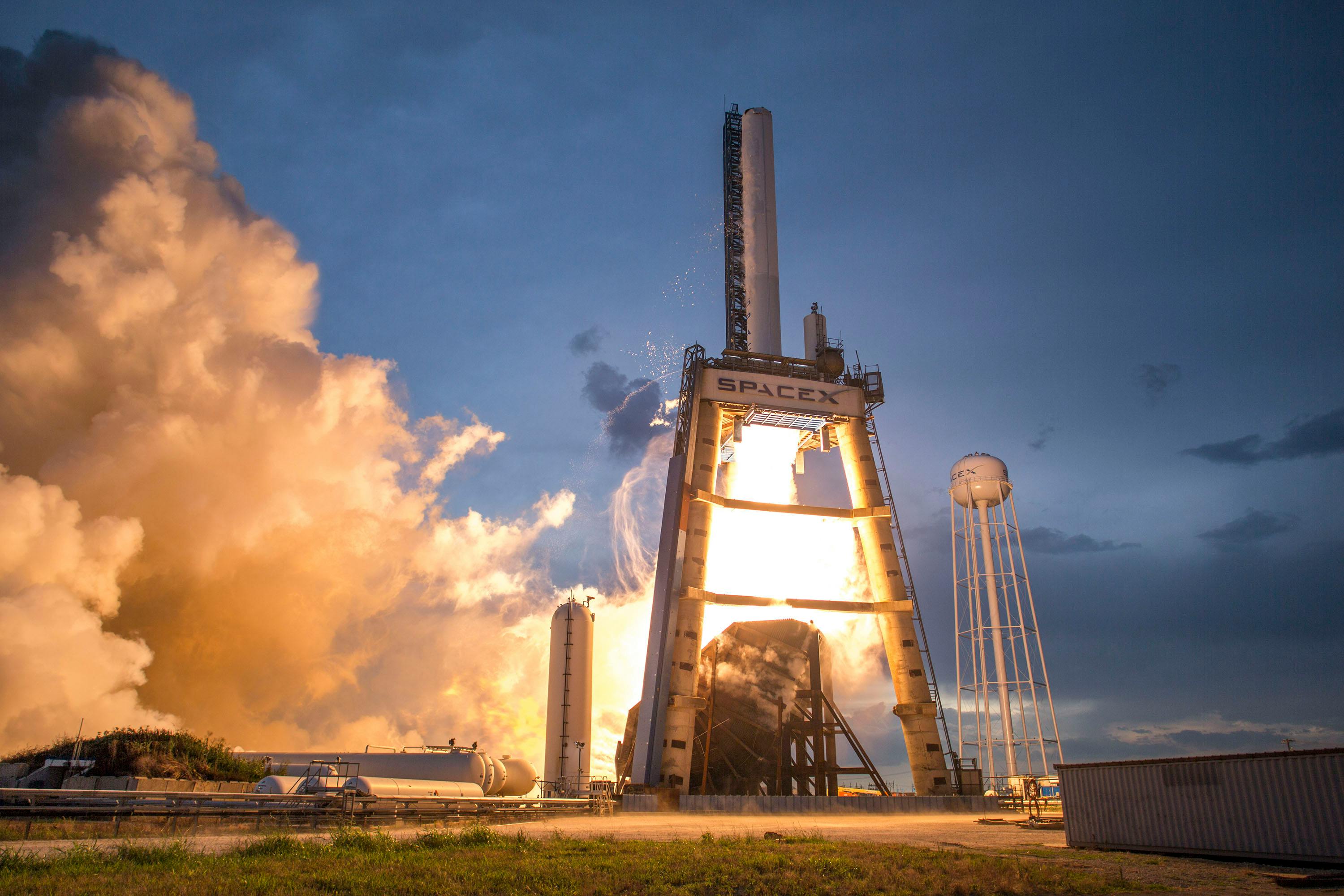
$4.16B Golden Dome Contract Awarded to SpaceX | KeepTrack X Report
SpaceX wins a $4.16B Pentagon contract for missile-tracking satellites, while hitting its 50th Starlink launch of 2026 in a landmark May.



Launch Date
December 24, 1979
Launch Site
FRGUI
Launch Pad
ELA1
Launch Vehicle
Ariane 1
NORAD ID
26533
International Designator
1979-104P
Epoch
Fri, 10 Dec 2021 22:56:33 GMT
Apogee
Calculating...
Perigee
Calculating...
Inclination
16.06°
Right Ascension
80.71°
Eccentricity
Calculating...
Argument of Perigee
140.25°
Period
392.38 min
Mean Motion
3.67 rev/day
Latitude
Calculating...
Longitude
Calculating...
Altitude
Calculating...
Velocity
Calculating...
Name
ARIANE 1 DEB
Alternative Name
deb Ariane L01
Type
Status
Owner
ESA
Country
European Space Agency
Constellation
N/A
Related Satellites
Major Events
N/A
1 26533U 79104P 21343.95594557 -.00000064 00000-0 00000+0 0 9992
2 26533 16.0602 80.7079 5793704 140.2452 2.5379 3.66991107292124
Source: Celestrak
Length
0
Diameter
0
Span
0
Dry Mass
0
Launch Mass
0
Shape
N/A
Radar Cross Section
0.0881
Visual Magnitude
Unknown
Color
Unknown
Material Composition
Unknown
Payload
Unknown
Purpose
Unknown
Mission
Unknown
Manufacturer
Unknown
Life Expectancy
Unknown
Bus
Unknown
Configuration
Unknown
Motor
Unknown
Equipment
Unknown
Power System
Unknown
ADCS
Unknown
Transmitter Frequency
Unknown
Learn more about satellites and other related topics.
SpaceX wins a $4.16B Pentagon contract for missile-tracking satellites, while hitting its 50th Starlink launch of 2026 in a landmark May.

SpaceX shares jump 20% on first trading day after historic IPO. China launches tallest rocket while LandSpace preps second landing attempt. Tracking data.
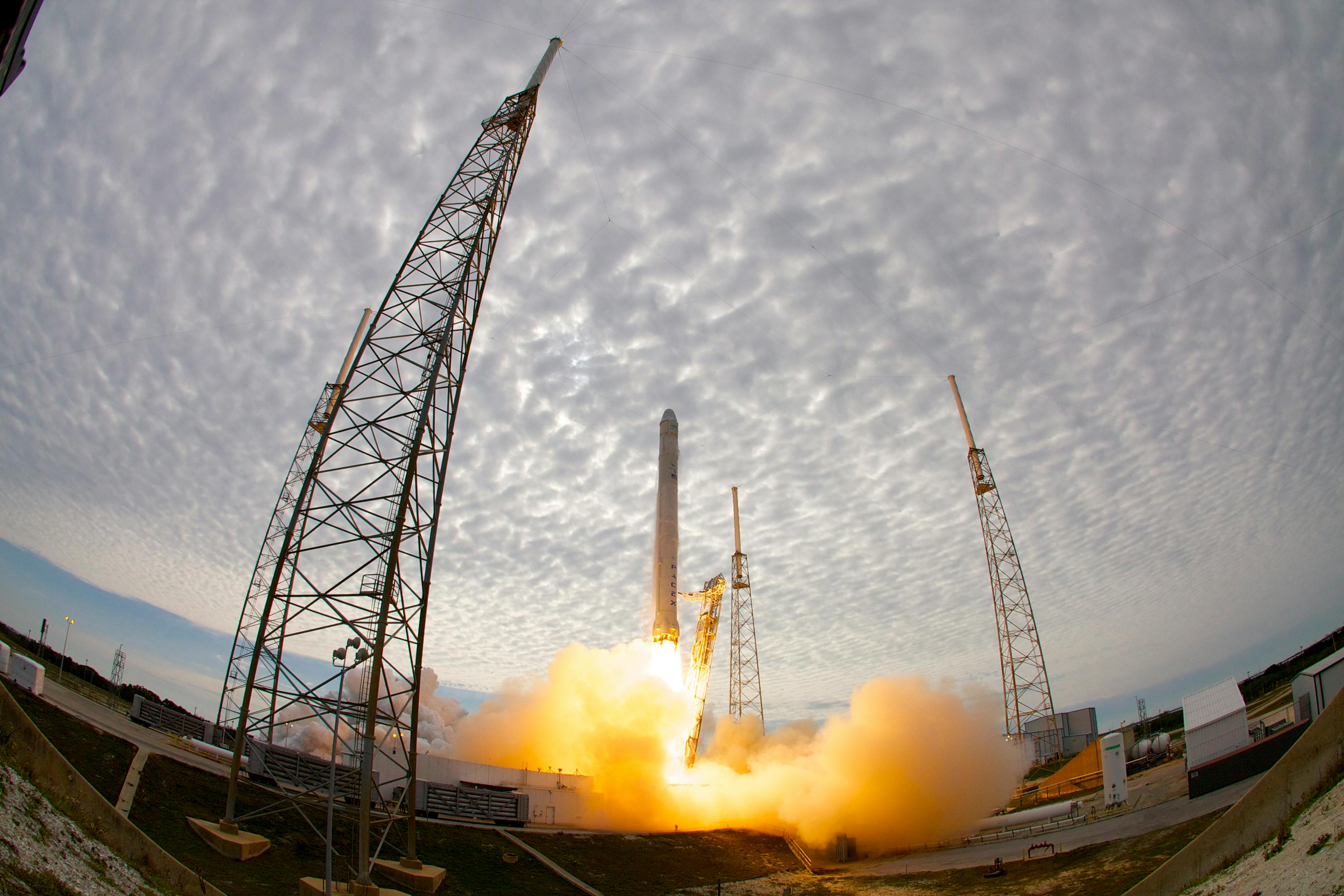
SpaceX conducts another Starship test flight, with high-profile audience; SEOPS secures Falcon 9 for rideshare mission; Ontario partners with Starlink for rural connectivity.
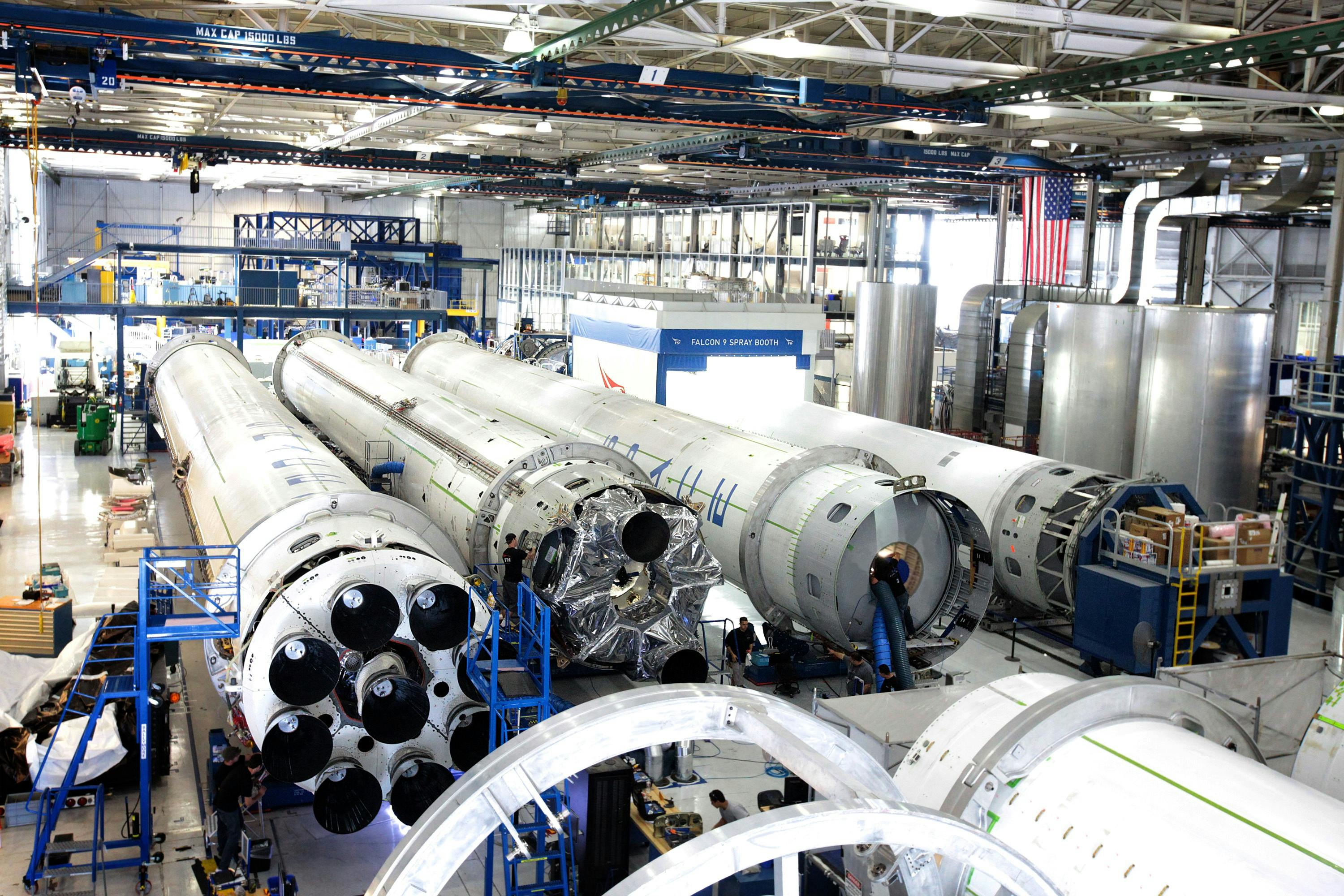
SpaceX successfully launched its CRS-33 Dragon cargo mission to the ISS, while preparations for the upcoming Starship Flight 10 continue, highlighting significant advancements in both cargo operations and test flight reliability.

Today's brief covers the launch of the X-37B, cutting-edge quantum navigation systems, and the future of space-based military technology. Discover the role of SpaceX and the advancements in inertial navigation.

Today's highlights include SpaceX's rapid response GPS launch, Raytheon's new rocket motor test, and Starlink's revenue surge. Plus, the Space Force's modernization push.
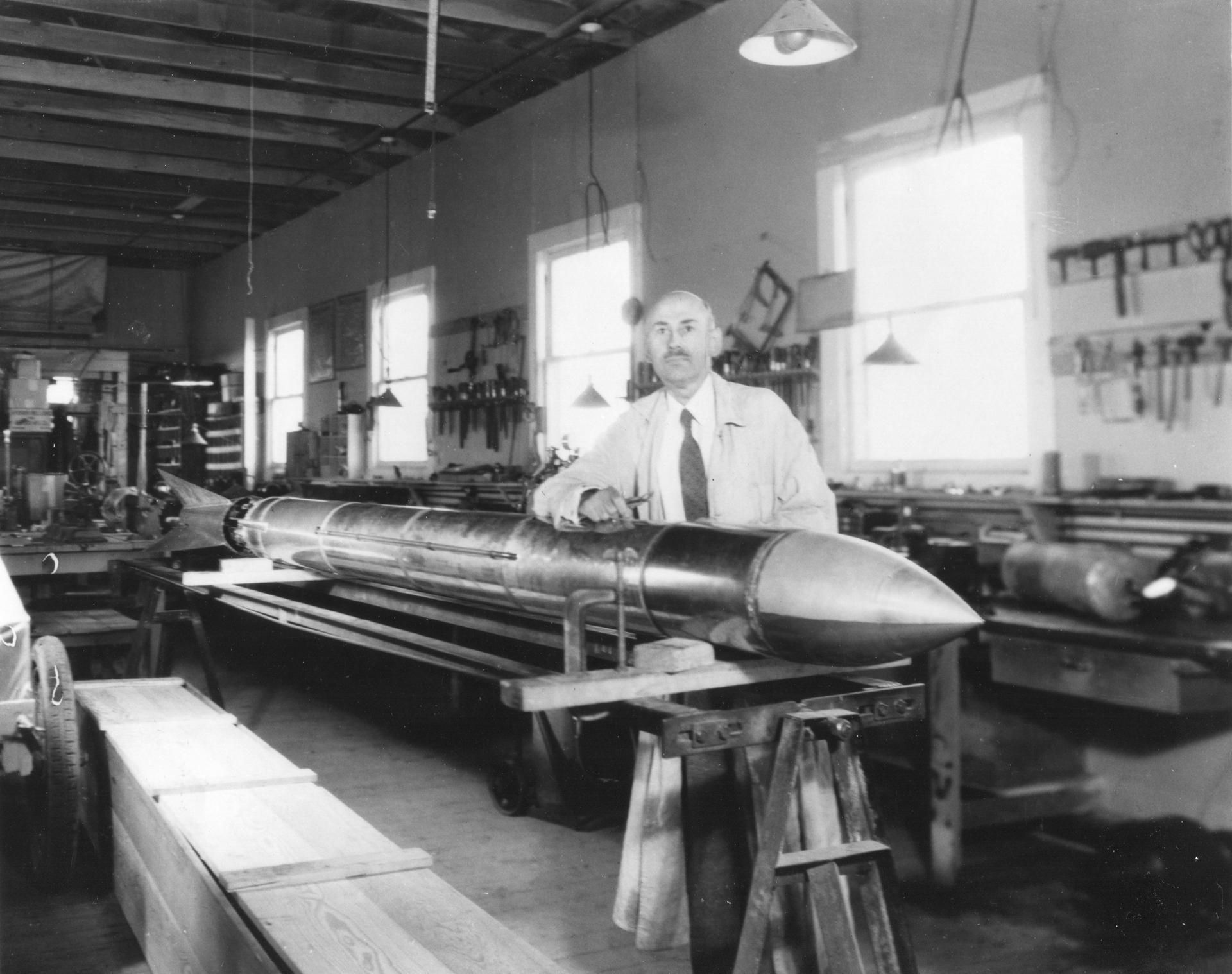
On February 2, 1909, Robert Goddard made a revolutionary breakthrough in his notebook: liquid oxygen and liquid hydrogen could achieve 50% efficiency in converting heat energy to kinetic energy for rocket propulsion
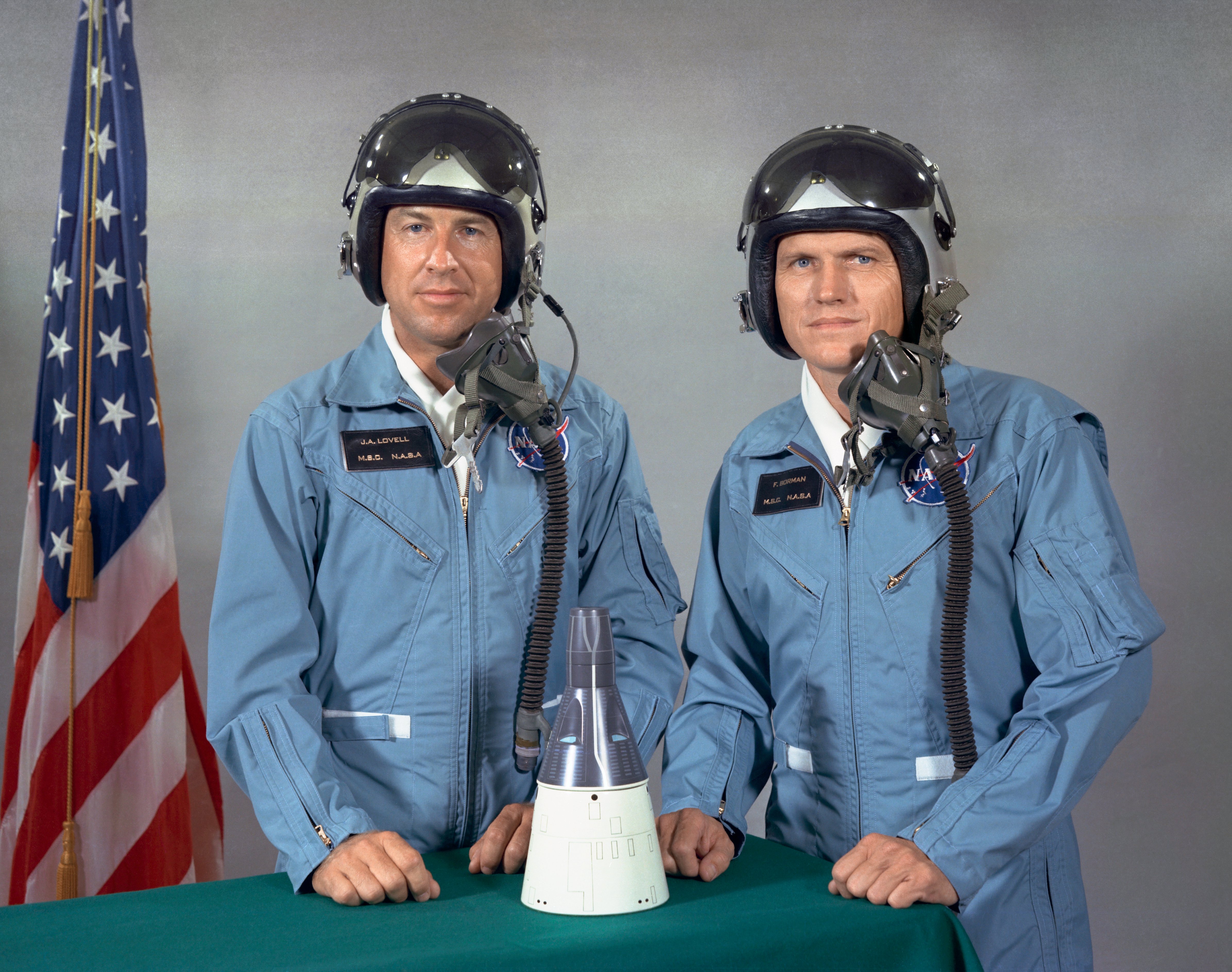
Sixty years ago, Frank Borman and James Lovell launched aboard Gemini 7 for a grueling 14-day mission that would prove humans could endure the journey to the moon and achieve the first true rendezvous in space