


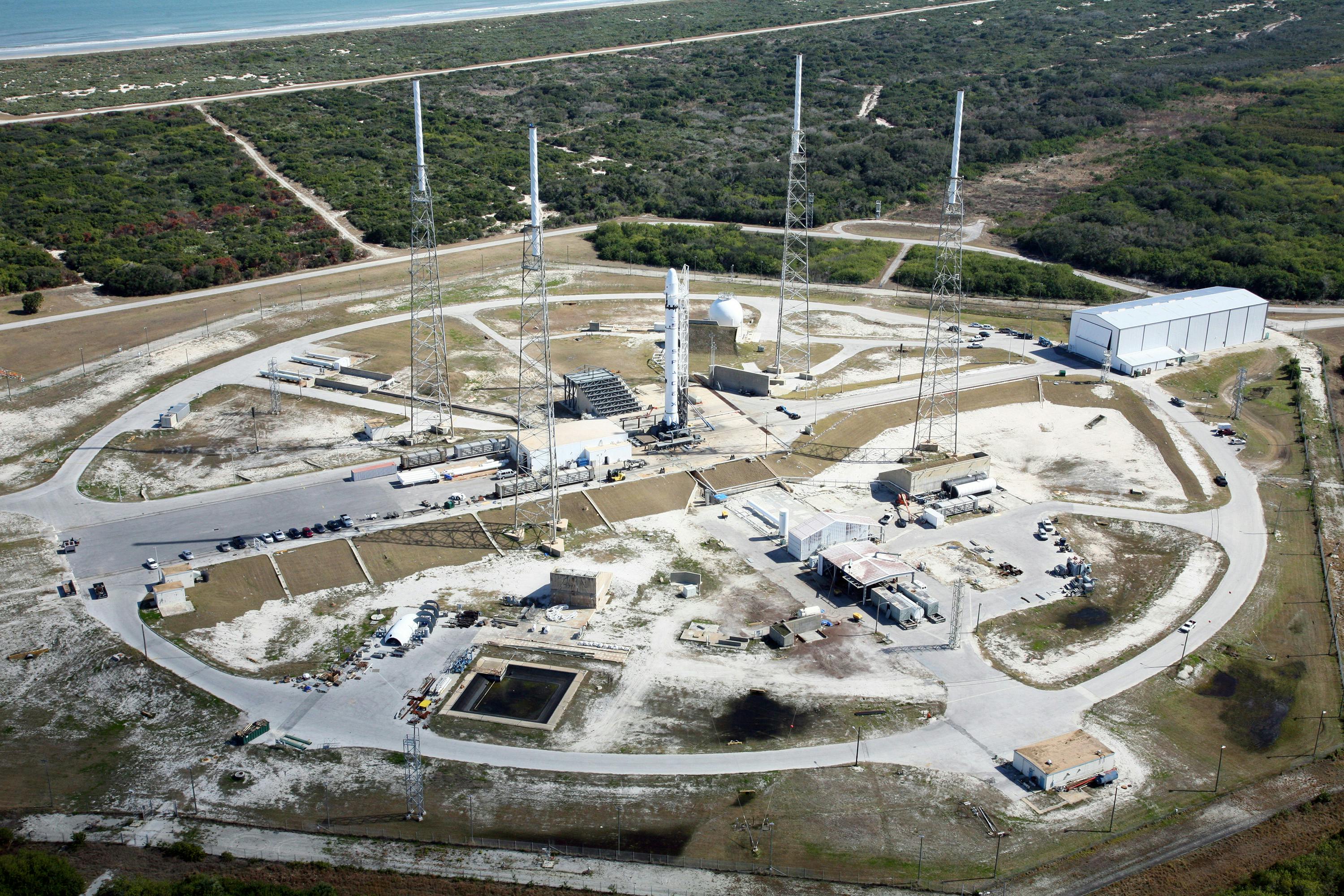
X Report 3 Jan 2025
SpaceX's pivotal role in setting a new global launch record and the upcoming launch of the Thuraya 4-NGS satellite are spotlighted today.



Launch Date
March 5, 1981
Launch Site
Launch Pad
LC90
Launch Vehicle
Tsiklon-2
NORAD ID
26510
International Designator
1981-021M
Epoch
Wed, 13 May 2026 09:44:53 GMT
Apogee
Calculating...
Perigee
Calculating...
Inclination
64.97°
Right Ascension
50.44°
Eccentricity
Calculating...
Argument of Perigee
258.94°
Period
103.44 min
Mean Motion
13.92 rev/day
Latitude
Calculating...
Longitude
Calculating...
Altitude
Calculating...
Velocity
Calculating...
Name
COSMOS 1249 COOLANT
Alternative Name
US-A coolant
Type
Status
Owner
VMF
Country
Russia
Constellation
N/A
Related Satellites
Major Events
N/A
1 26510U 81021M 26133.40617279 .00000022 00000-0 87006-4 0 9996
2 26510 64.9652 50.4418 0065121 258.9433 213.5180 13.92047908646716
Source: Celestrak
Length
0
Diameter
0
Span
0
Dry Mass
0
Launch Mass
0
Shape
N/A
Radar Cross Section
0.0054
Visual Magnitude
Unknown
Color
Unknown
Material Composition
Unknown
Payload
Unknown
Purpose
Unknown
Mission
Unknown
Manufacturer
Unknown
Life Expectancy
Unknown
Bus
Unknown
Configuration
Unknown
Motor
Unknown
Equipment
Unknown
Power System
Unknown
ADCS
Unknown
Transmitter Frequency
Unknown
Learn more about satellites and other related topics.
SpaceX's pivotal role in setting a new global launch record and the upcoming launch of the Thuraya 4-NGS satellite are spotlighted today.
Today’s brief covers the delayed launch of Australia's first orbital rocket, China's reusability programs, and the snow-enforced shutdown of a Chilean radio telescope.

Elon Musk moves to make himself unfireable at SpaceX as AT&T, T-Mobile, and Verizon back a rival D2D joint venture challenging Starlink Mobile.
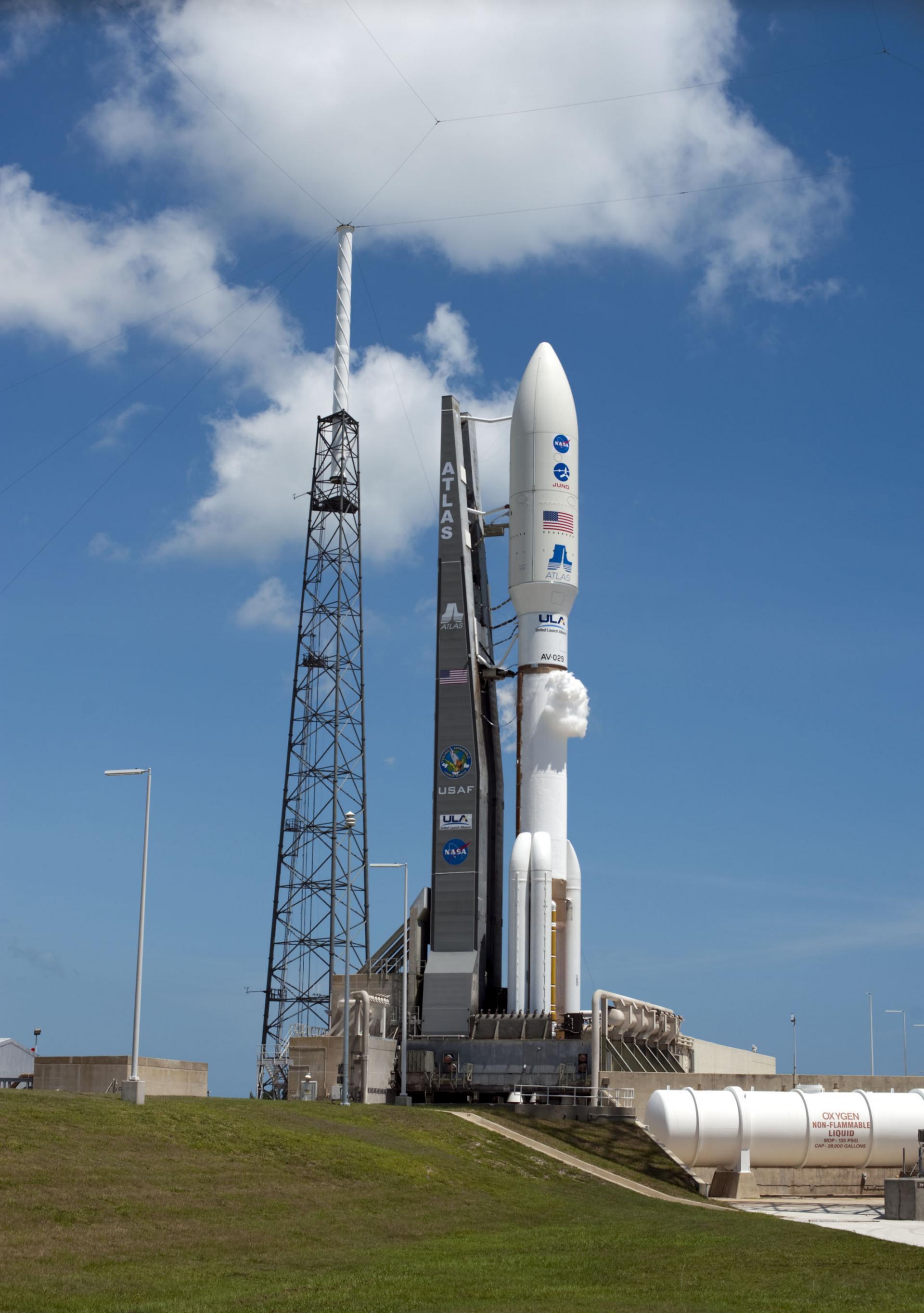
Shenzhou-23 docked with Tiangong May 24 with 3 astronauts, including Hong Kong's first crew member. One will stay ~1 year in orbit.

On April 22, 2026, the FAA published a final rule implementing per-launch user fees for commercial space transportation — the first time the U.S. government has charged payload-based fees for rocket launches. Starting at 25 cents per pound with a $30,000 cap, the fees are modest today. By 2033, they won't be.

SpaceX publicly confirmed 2 Starshield government satellites launched from Vandenberg on June 6, a rare disclosure for the classified Starlink variant.
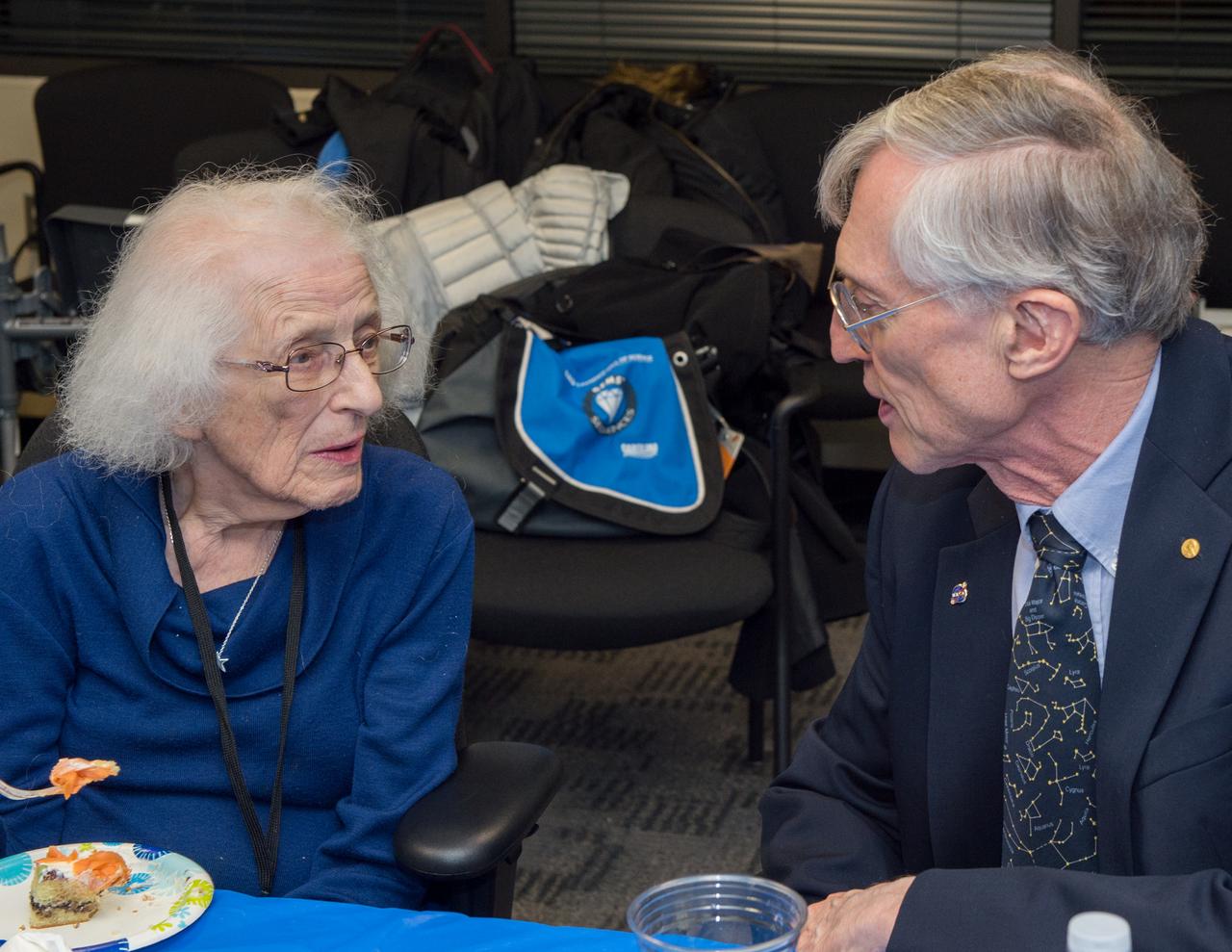
Artemis II grabbed the headlines, but six other missions are quietly approaching milestones that could reshape what we know about Mercury, Mars, asteroids, exoplanets, and the Moon's south pole. Here is what is actually happening with each of them.

SpaceX made significant strides with the successful launch of Starlink satellites and the approval for the redevelopment of SLC-6, reinforcing its foothold in commercial spaceflight.