


Musk Denies SpaceX AI Phone Report; EchoStar Bankruptcy | KeepTrack X Report
SpaceX hits 77 Falcon 9 launches in 2026 as EchoStar subsidiaries file Chapter 11 and Musk disputes WSJ AI phone claims.


Launch Date
September 1, 2000
Launch Site
TAISC
Launch Pad
LC7
Launch Vehicle
Chang Zheng 4B
NORAD ID
26482
International Designator
2000-050B
Decay Date
11/1/2002
Name
CZ-4B R/B
Alternative Name
CZ-4B Y3 Stage 3
Type
Status
Owner
CNSA
Country
China
Constellation
N/A
Related Satellites
Major Events
N/A
Length
6.9
Diameter
2.9
Span
6.9
Dry Mass
1000
Launch Mass
1000
Shape
Cyl
Radar Cross Section
13.4015
Visual Magnitude
Unknown
Color
Unknown
Material Composition
Unknown
Payload
CZ-4B Stage 3
Purpose
Unknown
Mission
Unknown
Manufacturer
SAST
Life Expectancy
Unknown
Bus
CZ-4 Stage 3
Configuration
Unknown
Motor
Unknown
Equipment
Unknown
Power System
Unknown
ADCS
Unknown
Transmitter Frequency
Unknown
Learn more about satellites and other related topics.
SpaceX hits 77 Falcon 9 launches in 2026 as EchoStar subsidiaries file Chapter 11 and Musk disputes WSJ AI phone claims.
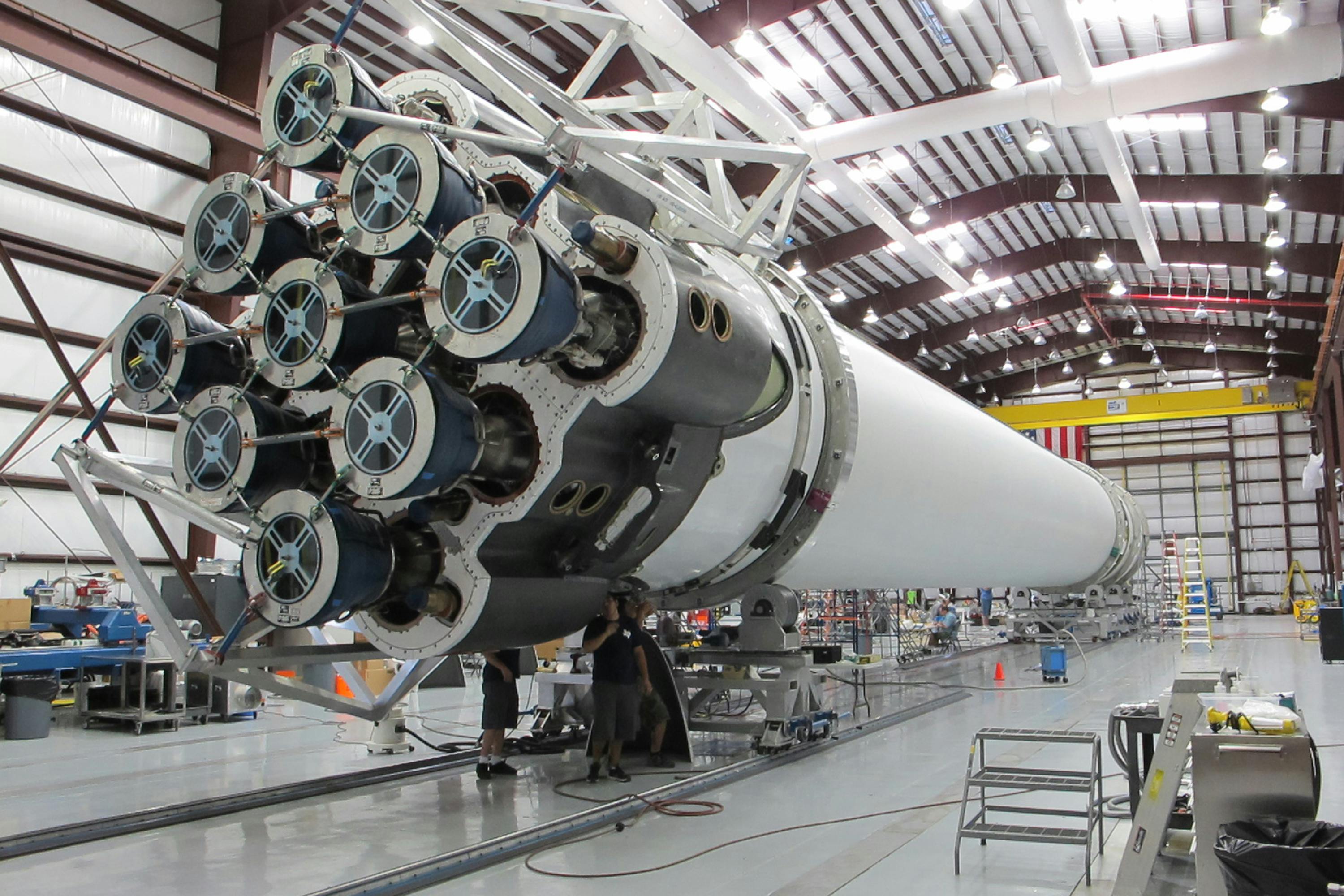
SpaceX Starlink updates for 2026 open with Starlink 6-88: 29 satellites from Cape Canaveral on Jan 4, after a record 165-launch 2025.
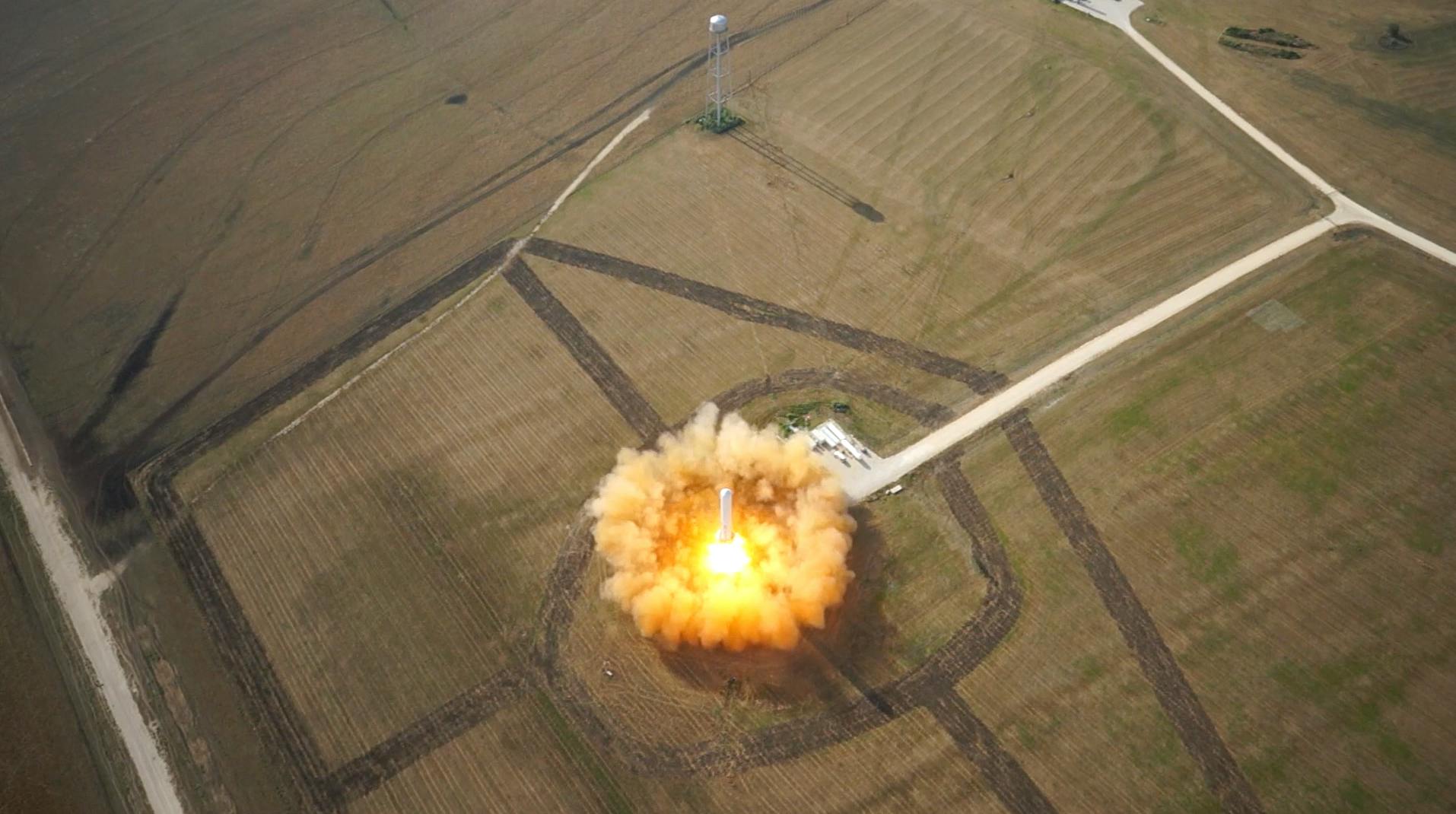
SpaceX achieves significant milestones with Starship and multiple launch missions, while Starlink connectivity expands through T-Mobile's beta program.
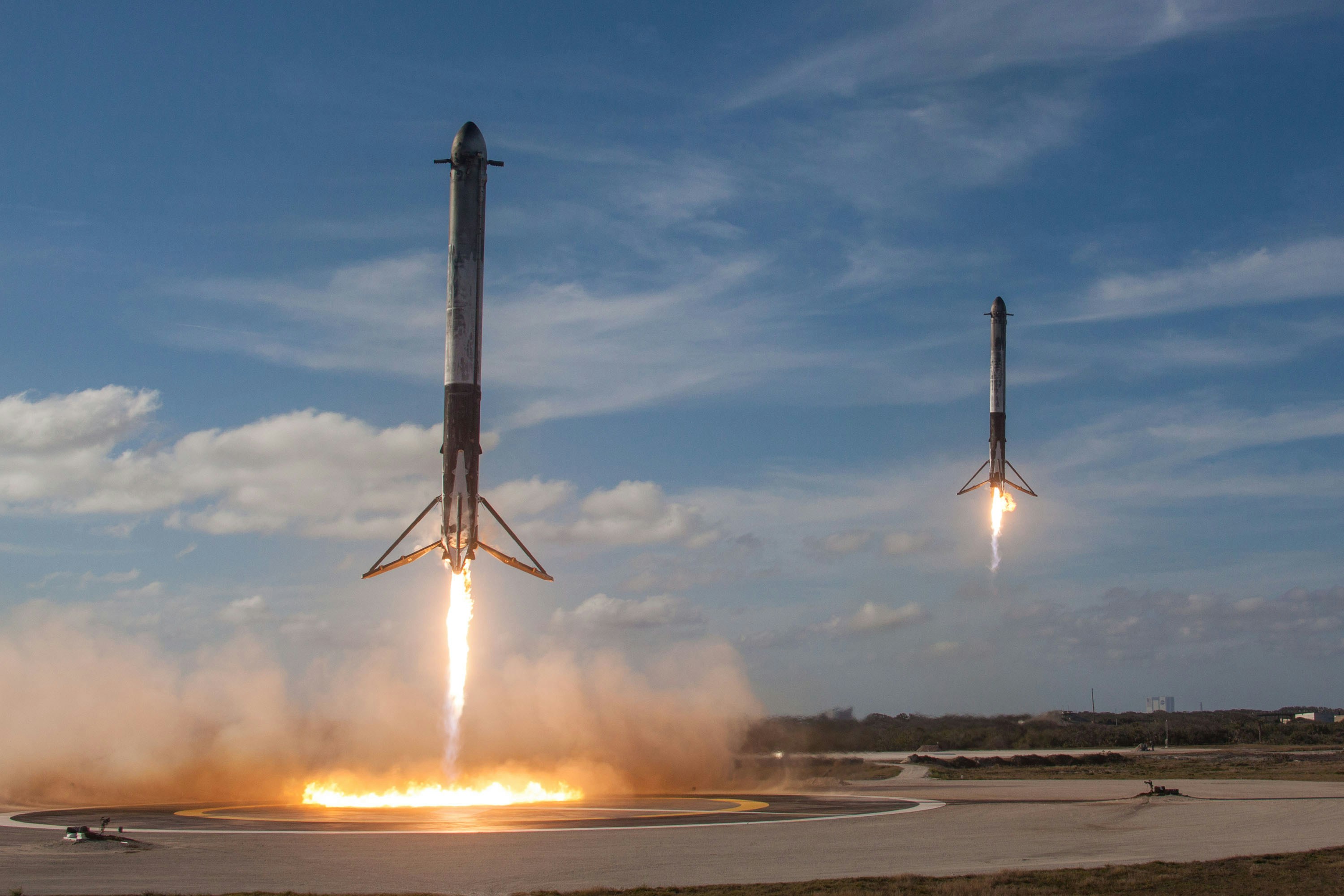
Rocket Lab will acquire Iridium for $8B to challenge SpaceX, whose Starlink constellation holds 10,706 working satellites of 12,390 launched.

Today's highlights include Europe's record space budget for independence, Transporter-15's successful launch of 140 payloads, and the damage to the Baikonur pad affecting upcoming ISS missions.

SpaceX targets May 19 for Starship V3's debut from Launch Pad 2, while the FCC approves a $2.4B EchoStar spectrum deal for Starlink.
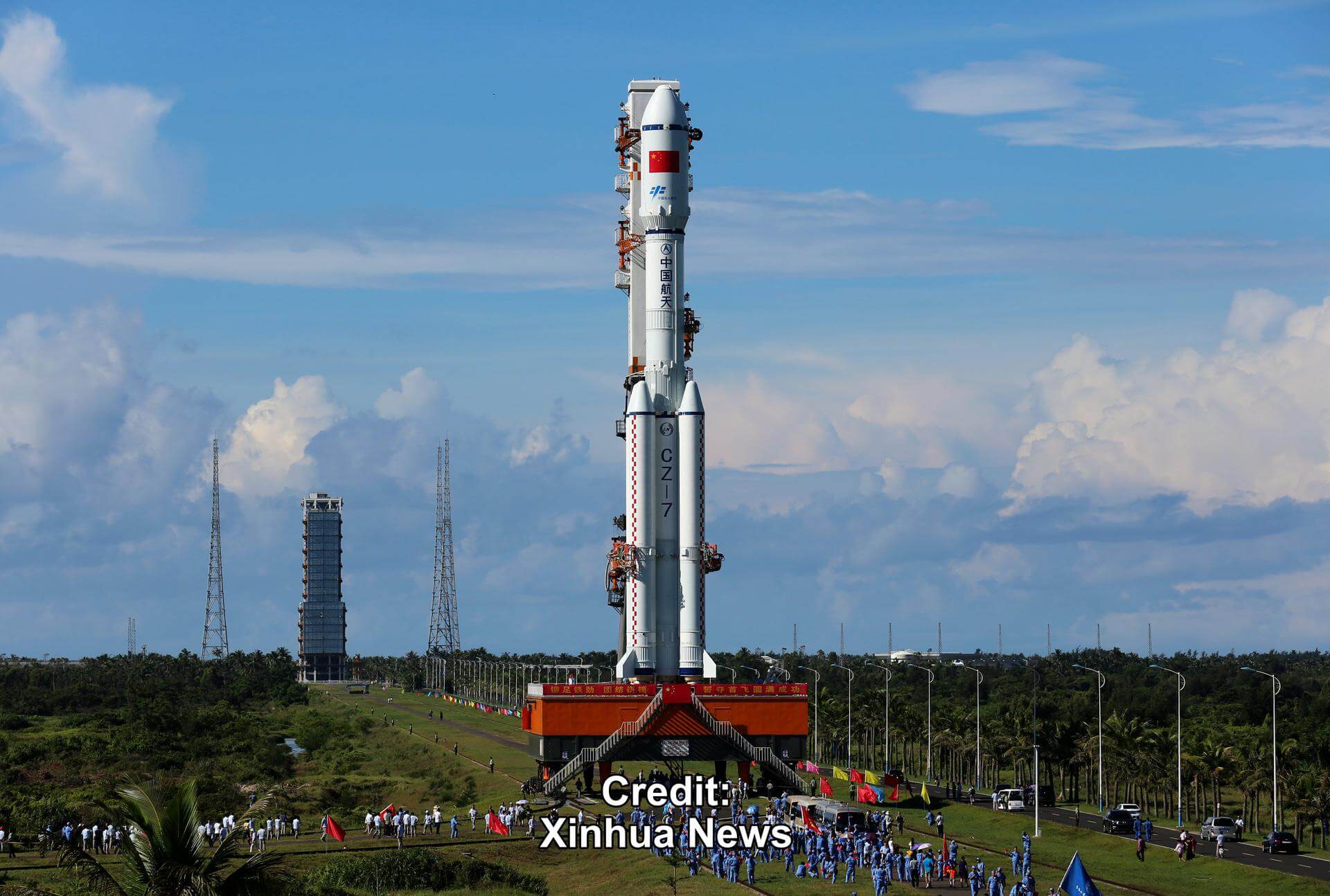
Today's key topics include the halting of the U.S. Air Force's rocket landing pad plans, the Space Force's shift to a flexible satellite strategy, delays in Australia's Eris 1 rocket launch, and the controversial cut of satellite sea-ice data to climate scientists.

China expands its classified satellite series, Space Force advances cloud-based ground station marketplaces, and the Pentagon grows its satellite network partner list. Highlighting new roles for sensor technology in tracking space debris.