


X Report 12 Jan 2025
SpaceX concludes a wet dress rehearsal for Starship Flight 7, aiming for the largest rocket launch on January 15 after weather delays.


Launch Date
September 1, 2000
Launch Site
TAISC
Launch Pad
LC7
Launch Vehicle
Chang Zheng 4B
NORAD ID
26481
International Designator
2000-050A
Decay Date
3/11/2016
Name
JB-3 1 (ZY 2A)
Alternative Name
Zi Yuan 2-01
Type
Status
Owner
ZZB
Country
China
Constellation
N/A
Related Satellites
Major Events
N/A
Length
1.8
Diameter
2
Span
9.8
Dry Mass
1400
Launch Mass
1450
Shape
Box + Pan
Radar Cross Section
5.0656
Visual Magnitude
Unknown
Color
Unknown
Material Composition
Unknown
Payload
Jianbing-3 01 xing
Purpose
Earth Observation
Mission
Earth Observation
Manufacturer
CAST
Life Expectancy
2 years
Bus
ZY
Configuration
Phoenix-Eye-2 bus
Motor
AOCS 20N
Equipment
Unknown
Power System
2 deployable solar arrays, batteries
ADCS
Unknown
Transmitter Frequency
Unknown
Learn more about satellites and other related topics.
SpaceX concludes a wet dress rehearsal for Starship Flight 7, aiming for the largest rocket launch on January 15 after weather delays.

Today's briefing covers China's rapid satellite launch activities, new Pentagon contracts for rocket motors, the Dream Chaser spaceplane's upcoming flight, and more.
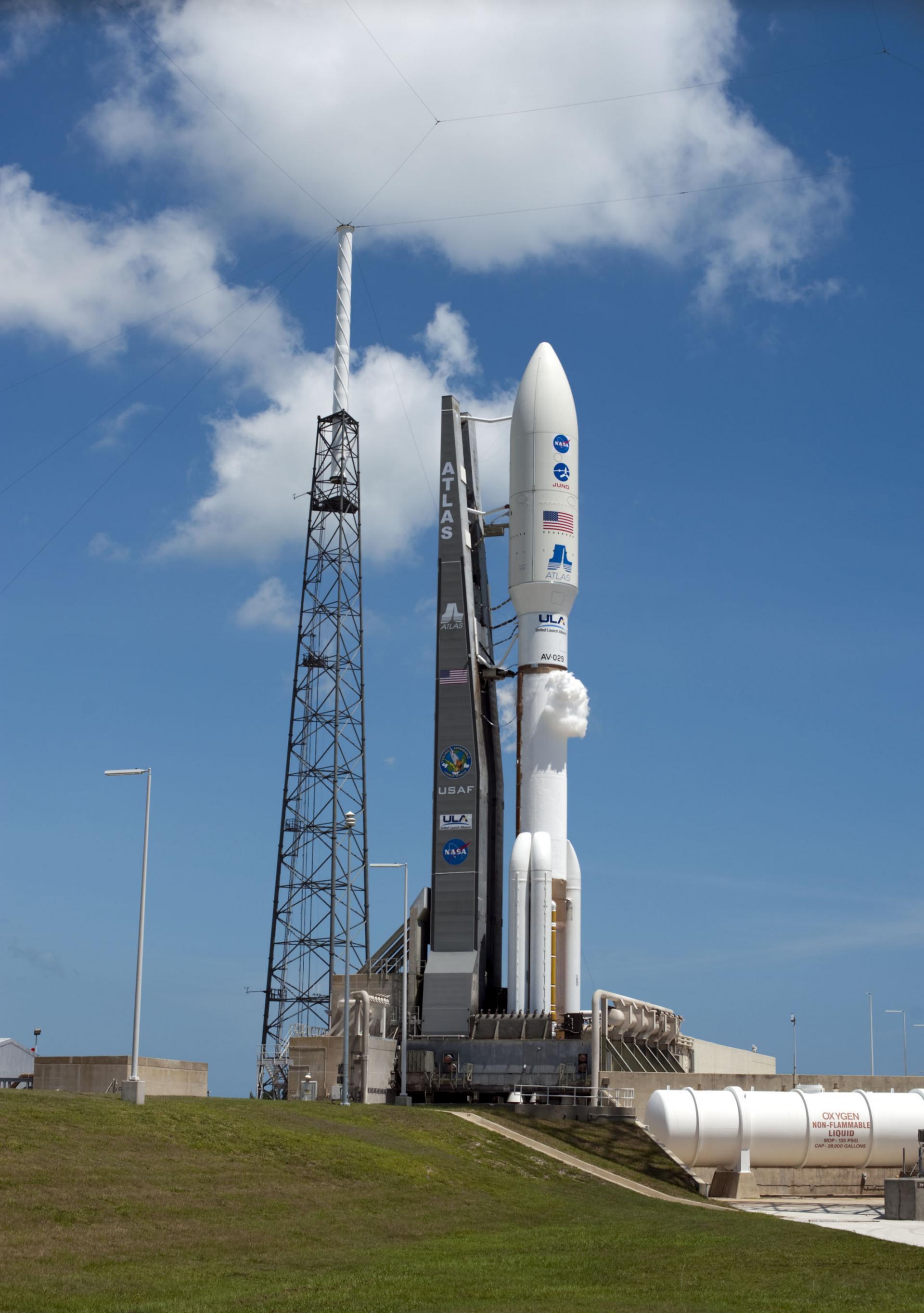
Highlights include China's recent satellite launch, advancements in nuclear propulsion, non-kinetic tech developments for maritime defense, SpaceX's direct-to-device spectrum tests, and maneuvering satellites for Space Force missions.

Today's briefing covers Rocket Lab's plans following a record-breaking year, efforts to recover NASA's MAVEN orbiter, and the potential relocation of space shuttle Discovery.

Artemis II SLS/Orion rolls to Launch Complex 39B for first crewed lunar mission since 1972. China suffers dual launch failures on the same day. SpainSat NG 2 declared total loss from debris strike.
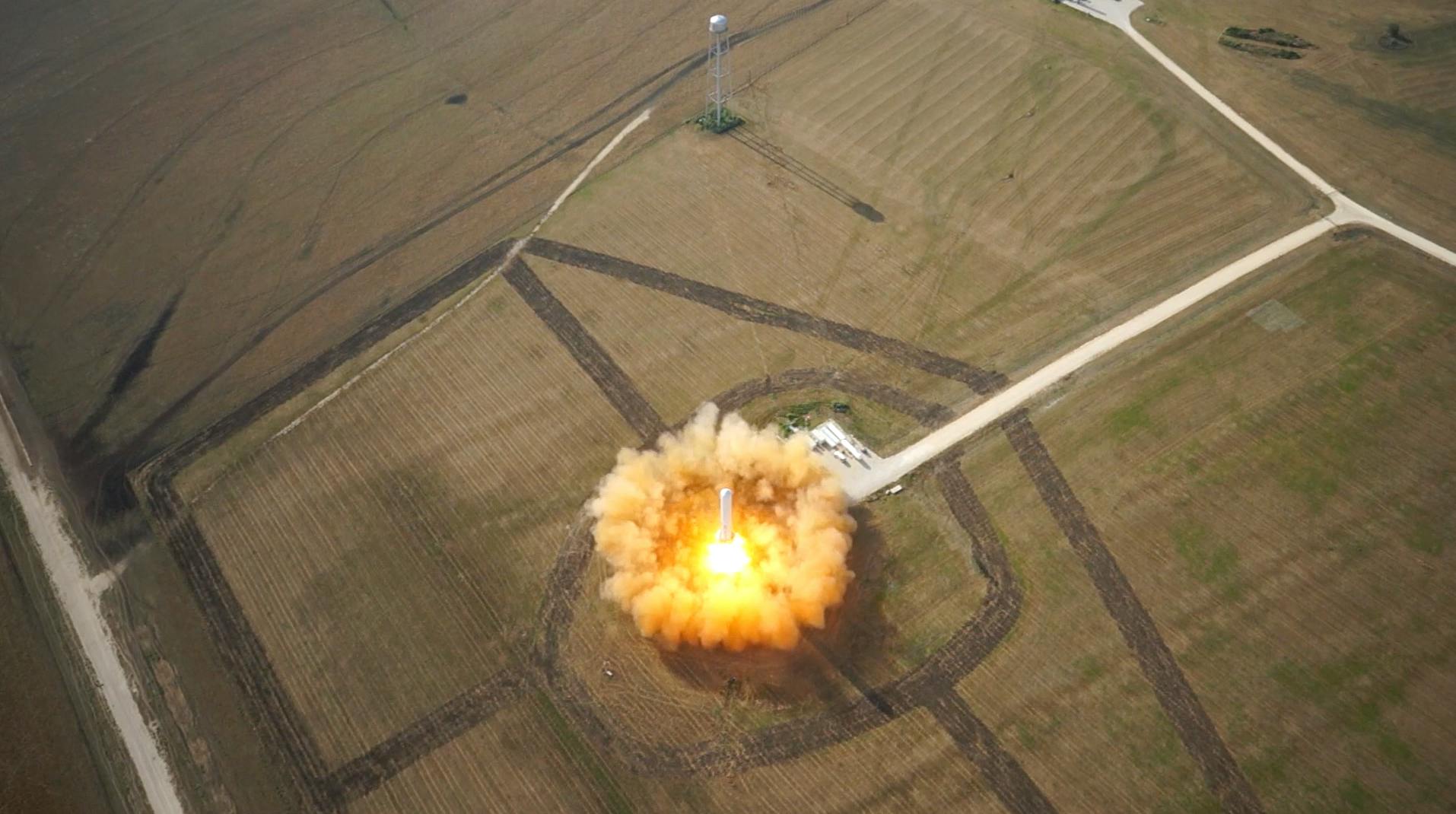
US labor board drops oversight case against SpaceX. Booster 19 completes cryogenic testing at upgraded Massey's. SpaceX IPO expected to reshape space investment landscape.
Today's brief covers the recent surge in SpaceX launches, Eutelsat's resolution of a OneWeb software issue, and various strategic previews for U.S. military branches in 2025.

Space Force confirmed 9 companies won orbital Air Moving Target Indication contracts. Capability shifts airborne surveillance to satellites for expanded coverage and survivability.