

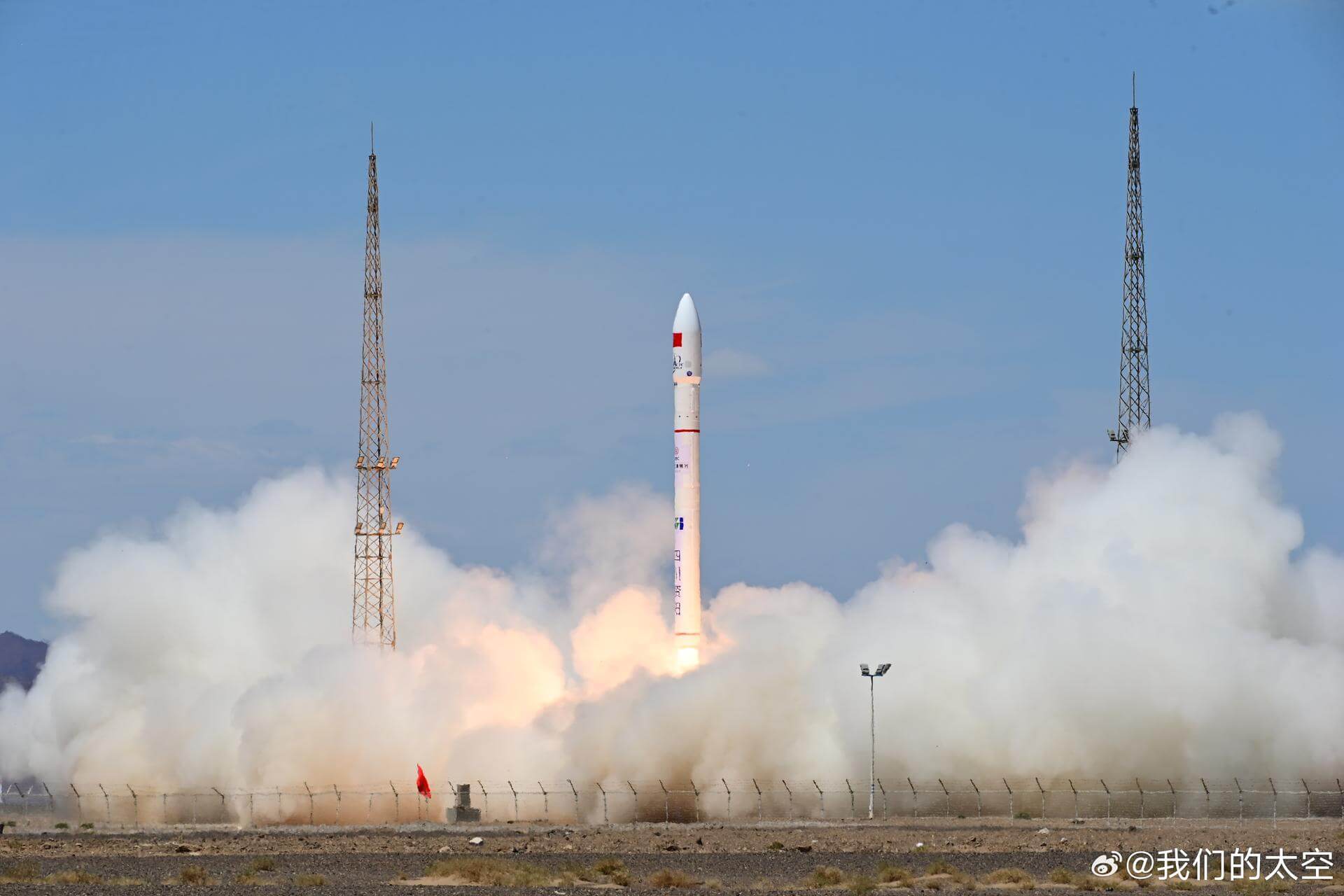
Space Brief 3 Nov 2024
Today focuses on Blue Origin's preparation for New Glenn's debut, SpaceX Crew-9's ISS maneuver, the importance of U.S.-China cooperation in space, and breathtaking ISS photography.


Launch Date
August 28, 2000
Launch Site
Launch Pad
LC81/24
Launch Vehicle
Proton-K/DM-2
NORAD ID
26478
International Designator
2000-049B
Decay Date
8/31/2000
Name
SL-12 R/B(1)
Alternative Name
Proton-K 401-02 Stage 3
Type
Status
Owner
KHRR
Country
Russia
Constellation
N/A
Related Satellites
Major Events
N/A
Length
6.5
Diameter
4.2
Span
6.5
Dry Mass
4185
Launch Mass
4185
Shape
Cyl
Radar Cross Section
22
Visual Magnitude
Unknown
Color
Unknown
Material Composition
Unknown
Payload
8S812
Purpose
Unknown
Mission
Unknown
Manufacturer
KHRR
Life Expectancy
Unknown
Bus
8S812
Configuration
Unknown
Motor
Unknown
Equipment
Unknown
Power System
Unknown
ADCS
Unknown
Transmitter Frequency
Unknown
Learn more about satellites and other related topics.
Today focuses on Blue Origin's preparation for New Glenn's debut, SpaceX Crew-9's ISS maneuver, the importance of U.S.-China cooperation in space, and breathtaking ISS photography.

SpaceX gears up for significant 2026 launches while a Starlink satellite anomaly provides insights into its operations.

SpaceX successfully launched the historic Axiom-4 mission to the ISS, marking a significant milestone in private space travel, while also expanding Starlink's reach into Vietnam's healthcare sector.
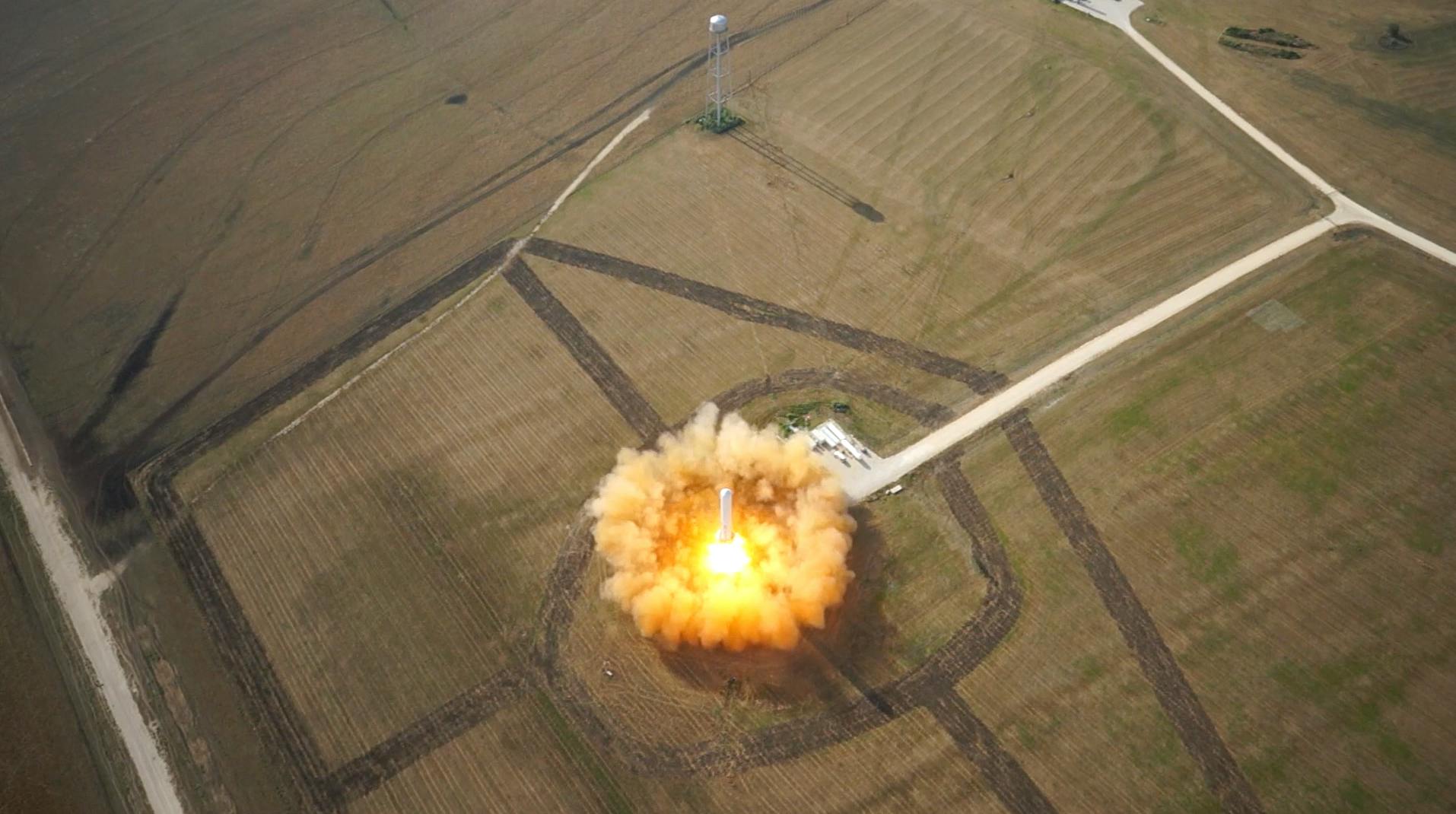
A partial breakup incident involving a Starlink satellite raised concerns, while SpaceX continued its ambitious projects and launches.
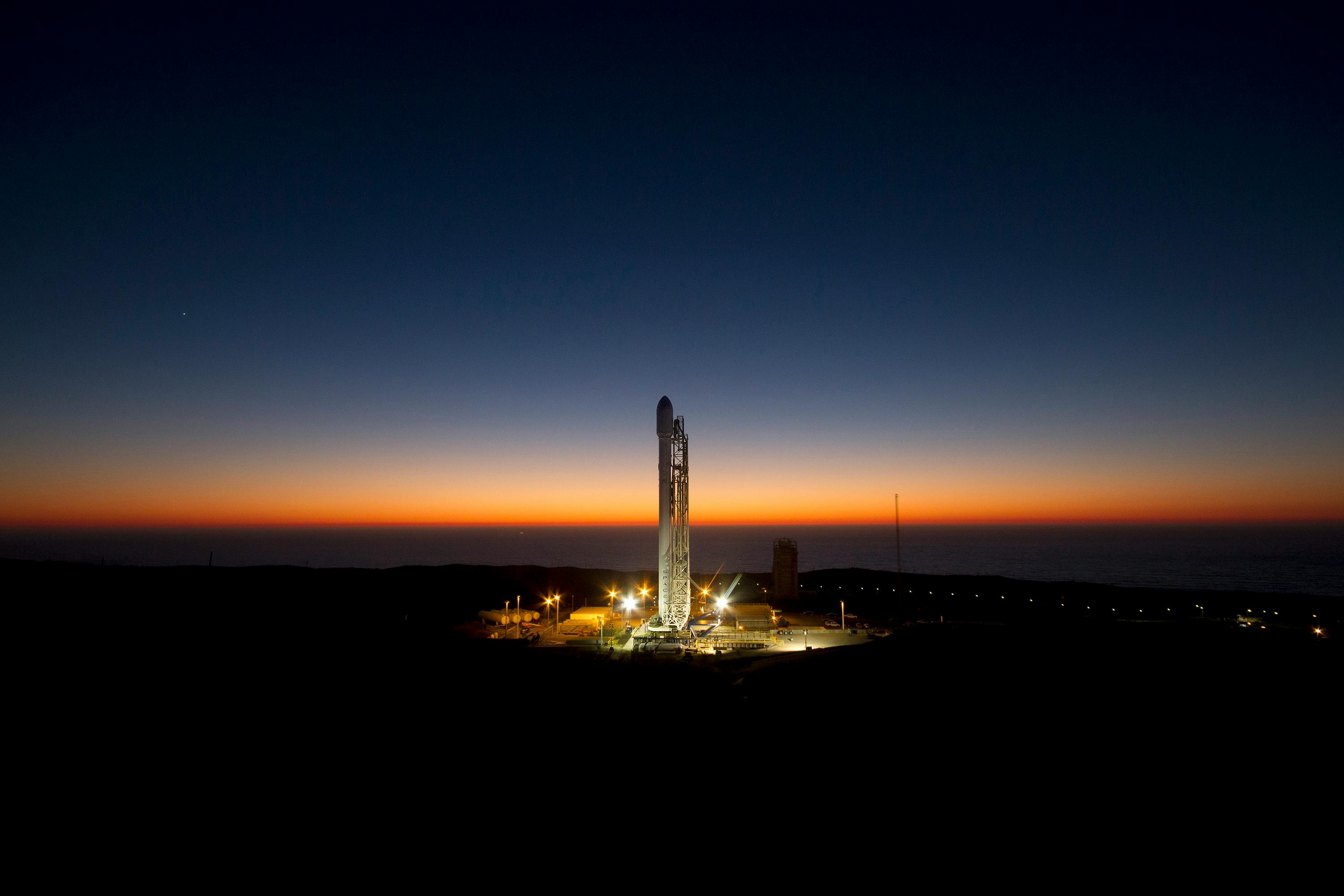
SpaceX's plans for the Transporter-15 mission are temporarily delayed as the Falcon 9 launch was scrubbed. The next launch attempt is now targeted for Friday, Nov. 28, with hopes of delivering 140 payloads into sun-synchronous orbit.
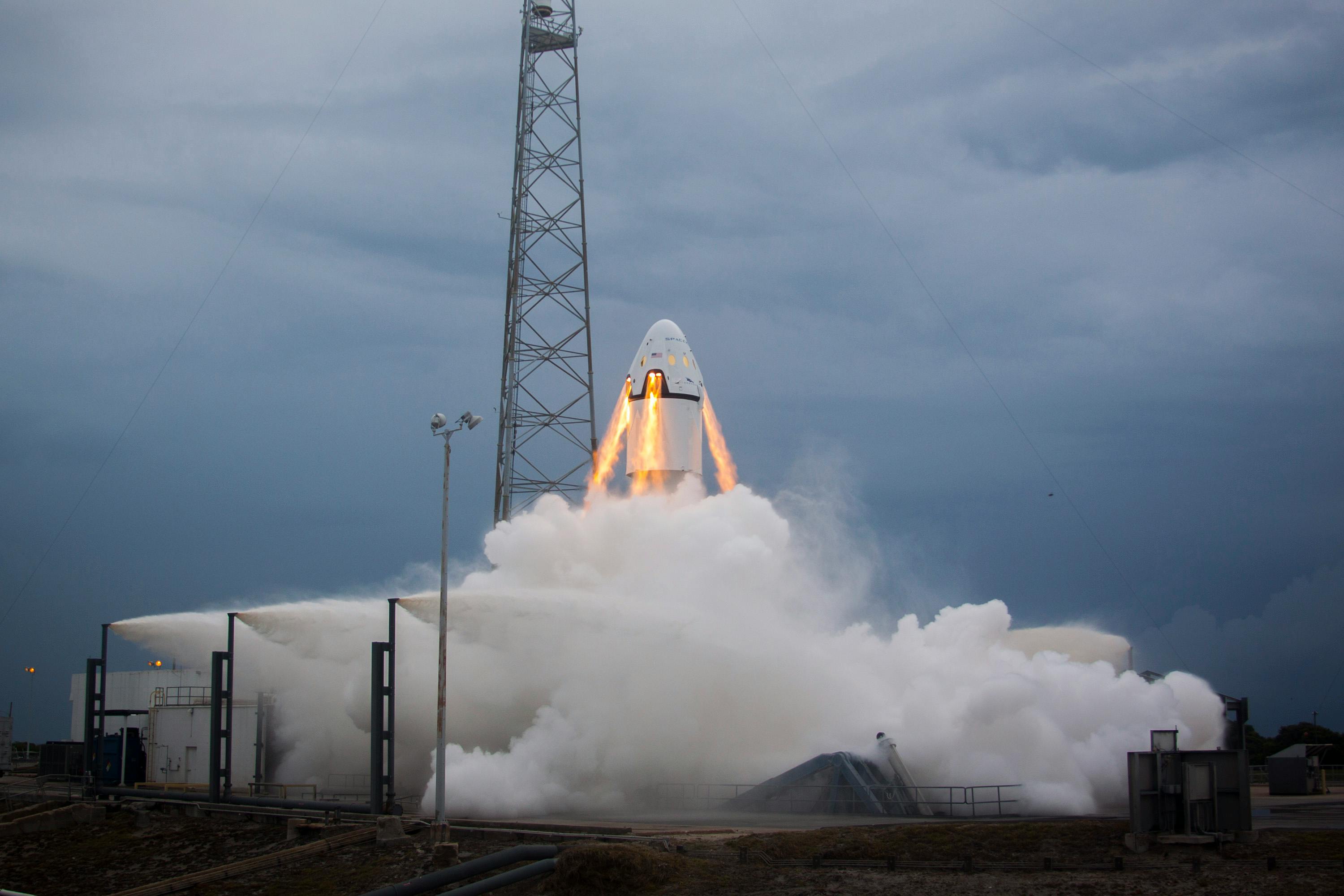
SpaceX successfully launched 28 Starlink satellites while returning to form with Starship testing at Starbase. Meanwhile, preparations for upcoming launches are underway.

Today we cover new appointments at NASA, calls for increased Space Force funding, and a successful test of a hypersonic vehicle. Further investigations target SpaceX, and a documentary highlights space superiority.
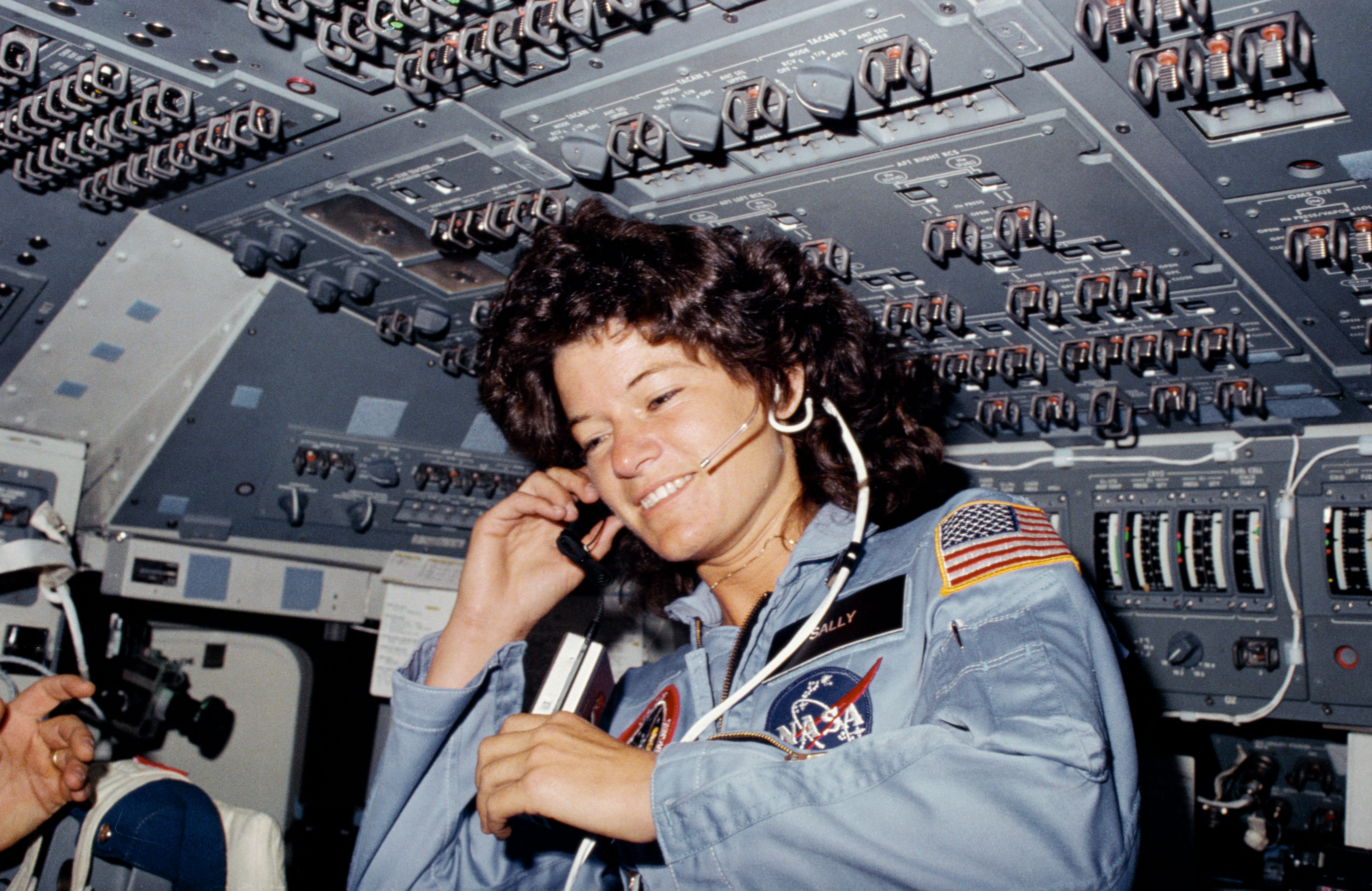
At 7:33 on the morning of 18 June 1983, a 32-year-old astrophysicist named Sally Ride rode Challenger off Pad 39A and became the first American woman in space. She got there two decades after the Soviets, and only after months of being asked whether spaceflight would damage her reproductive organs and whether she planned to cry.