


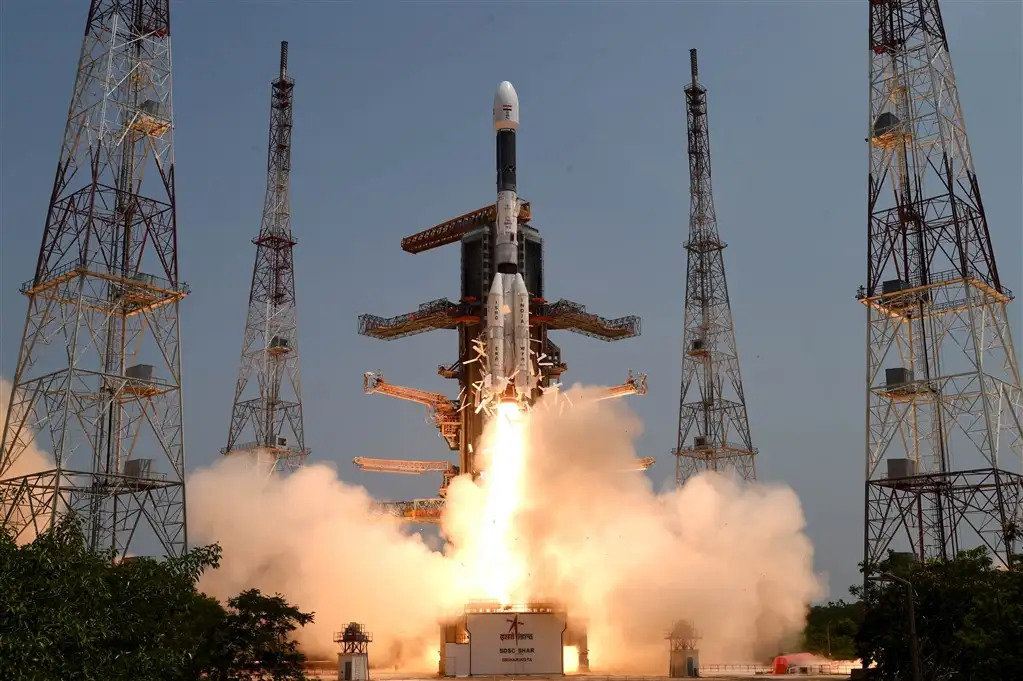
Space Brief 15 Jan 2025
Focus on Varda's second mission launch, new U.S. Defense Department tool for satellite anomaly investigation, and a detailed Satellite Spotlight on CELESTIS 21/Varisat 1C.


Launch Date
July 16, 2000
Launch Site
Launch Pad
LC31
Launch Vehicle
Soyuz-U-PVB
NORAD ID
26410
International Designator
2000-041A
Epoch
Sat, 04 Jul 2026 23:41:18 GMT
Apogee
Calculating...
Perigee
Calculating...
Inclination
149.88°
Right Ascension
53.94°
Eccentricity
Calculating...
Argument of Perigee
271.35°
Period
3212.34 min
Mean Motion
0.45 rev/day
Latitude
Calculating...
Longitude
Calculating...
Altitude
Calculating...
Velocity
Calculating...
Name
CLUSTER II-FM7 (SAMBA)
Alternative Name
Cluster Samba
Type
Status
Owner
ESA
Country
European Space Agency
Constellation
N/A
Related Satellites
Major Events
N/A
1 26410U 00041A 26185.98701490 .00007110 00000-0 00000-0 0 9997
2 26410 149.8772 53.9444 9075816 271.3535 359.4711 0.44827072 20392
Source: Celestrak
Length
1.3
Diameter
2.9
Span
100
Dry Mass
550
Launch Mass
1186
Shape
Cyl + 4 Ant
Radar Cross Section
1.9953
Visual Magnitude
Unknown
Color
Unknown
Material Composition
Unknown
Payload
Cluster FM7 (C3)
Purpose
Magnetospheric Research
Mission
Magnetospheric Research
Manufacturer
ASTDF
Life Expectancy
Unknown
Bus
Cluster
Configuration
Cylinder, spin stabilized
Motor
S400
Equipment
FGM, EDI, ASPOC, STAFF, EFW, DWP, WHISPER, WBD, PEACE, CIS, RAPID
Power System
Solar cells, batteries
ADCS
Unknown
Transmitter Frequency
Unknown
Learn more about satellites and other related topics.
Focus on Varda's second mission launch, new U.S. Defense Department tool for satellite anomaly investigation, and a detailed Satellite Spotlight on CELESTIS 21/Varisat 1C.
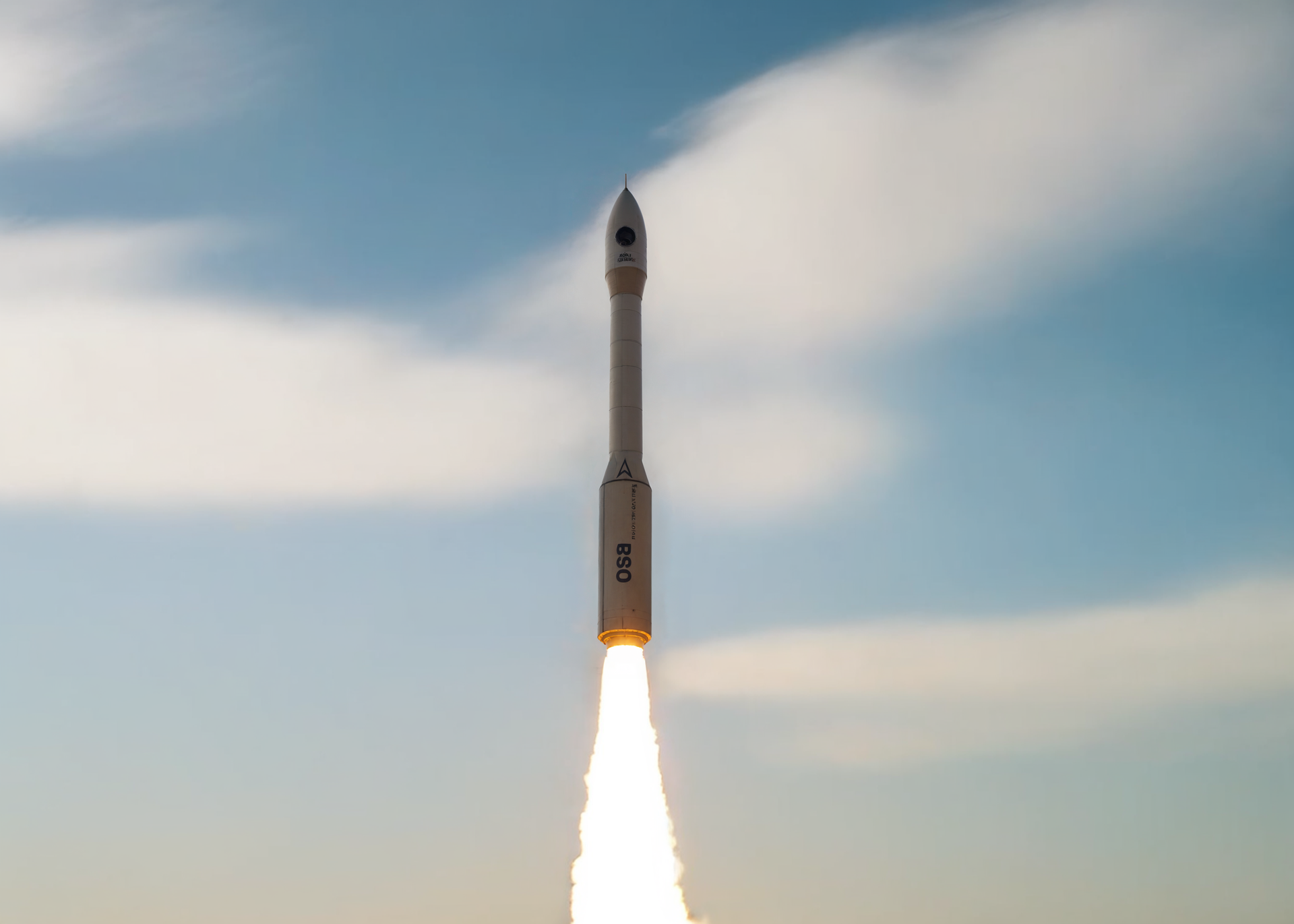
Today we cover the final launch of Vega's original version, a significant milestone for SpaceX with the U.S. military, preparations for NASA's Starliner return, and more.
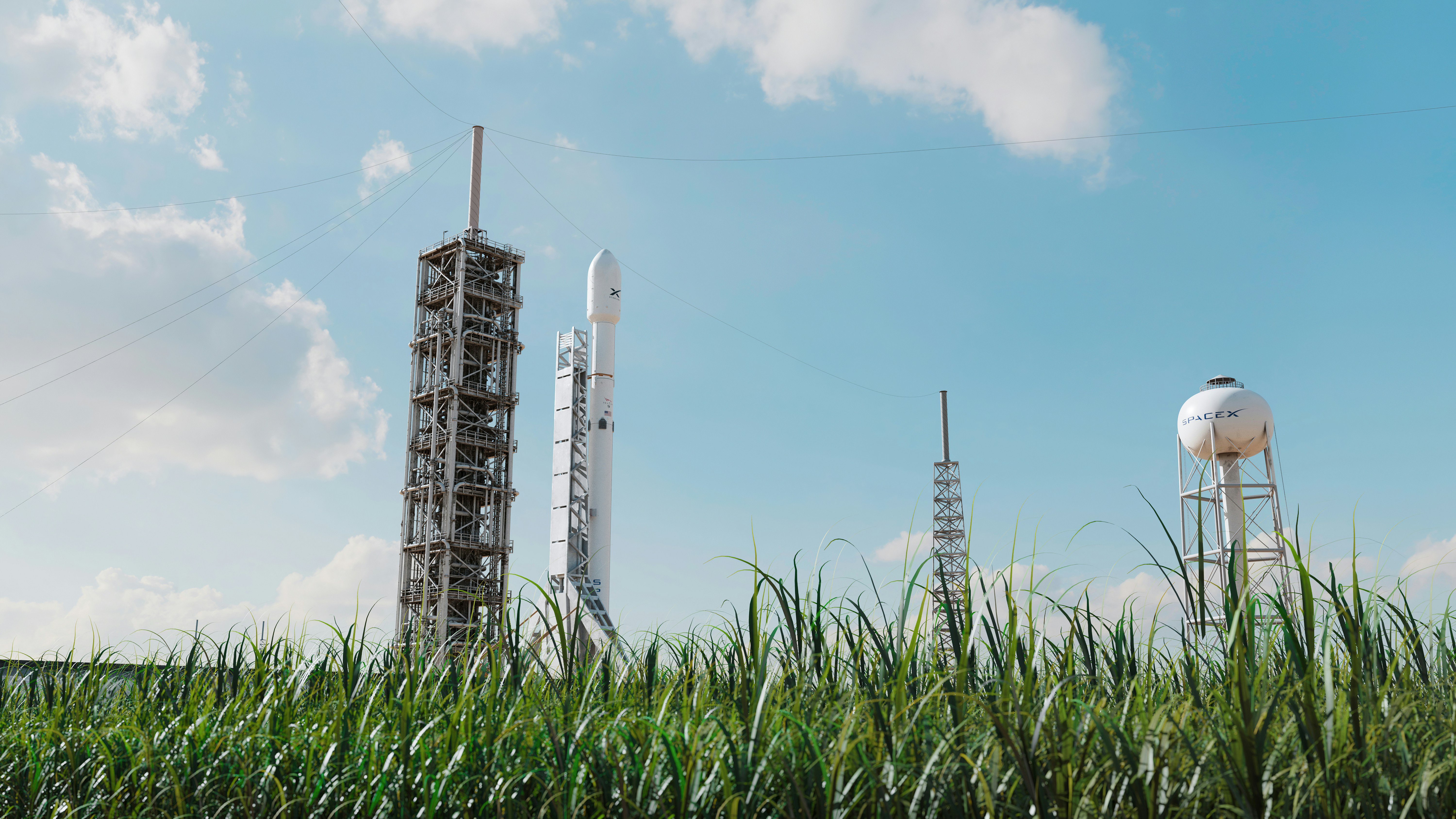
SpaceX embraces community support during Hurricane Melissa while advancing its Starbase infrastructure and launching more Starlink satellites.
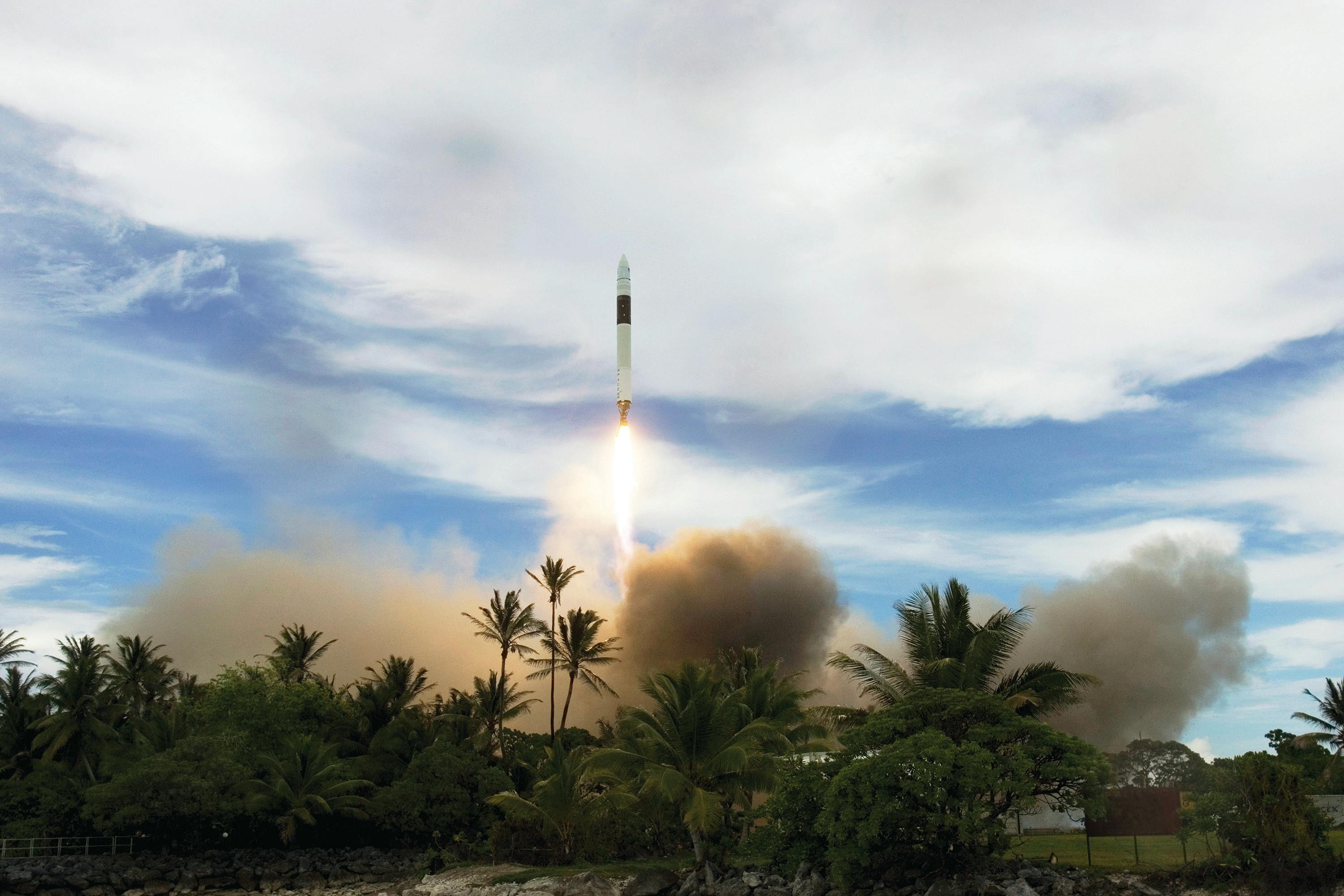
Starlink satellites in orbit May 2026: 10,374, with 10,358 working. Mission 17-29 lifts 24 more from Vandenberg and a satellite films the Starlink train.

SpaceX receives FAA clearance for Starship Flight 10 and celebrates its 100th Falcon 9 launch of the year, successfully deploying 24 Starlink satellites.
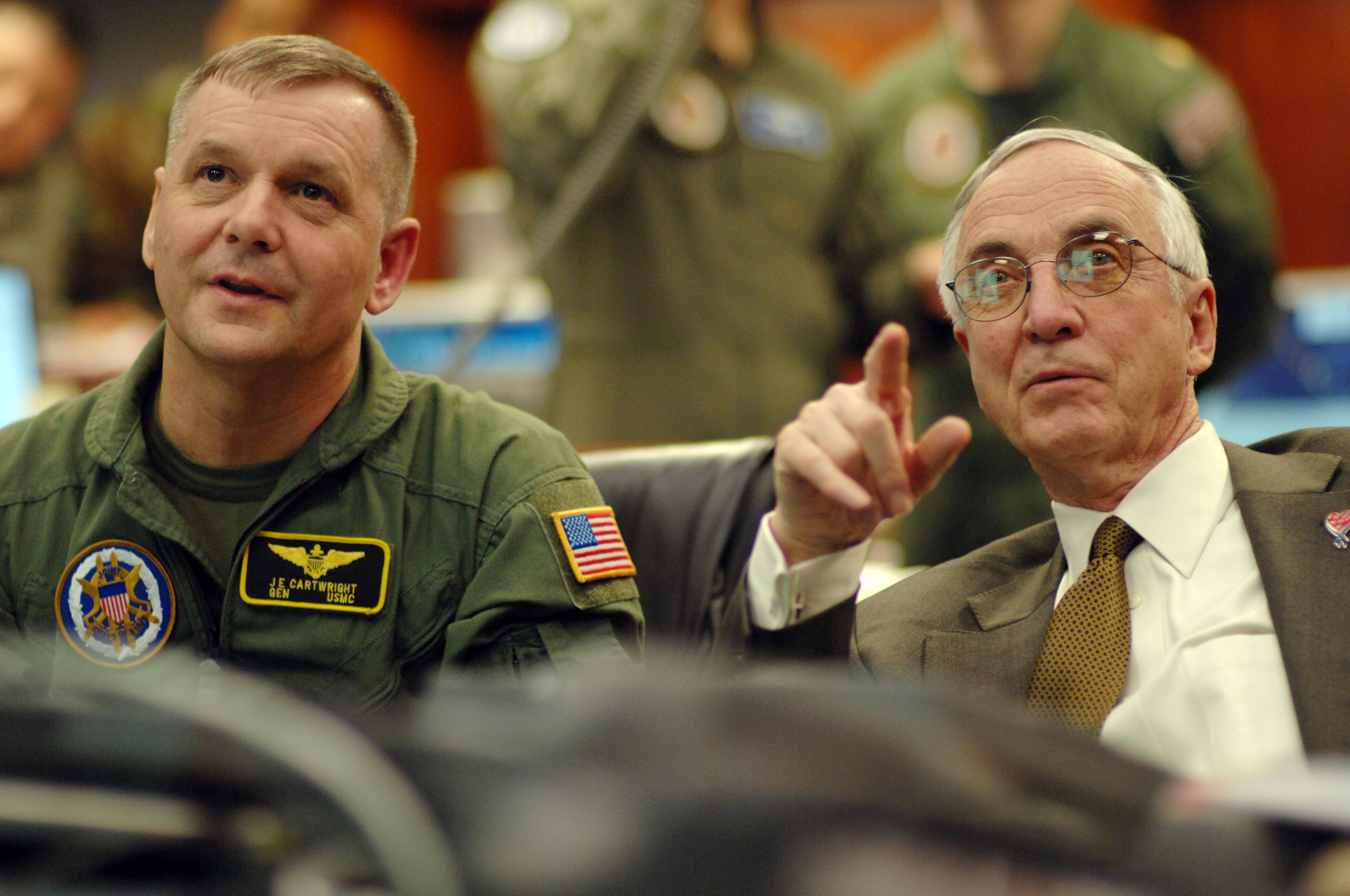
Seventeen years ago, a Navy cruiser in the Pacific fired a missile at a tumbling reconnaissance satellite that had failed within hours of reaching orbit - officially to prevent toxic fuel from reaching the ground, unofficially to prove something far more significant to China and the world

ULA launches the final Atlas 5 551 configuration—its heaviest variant with 5 solid boosters—carrying Amazon's Project Kuiper satellite to low Earth orbit from Cape Canaveral.
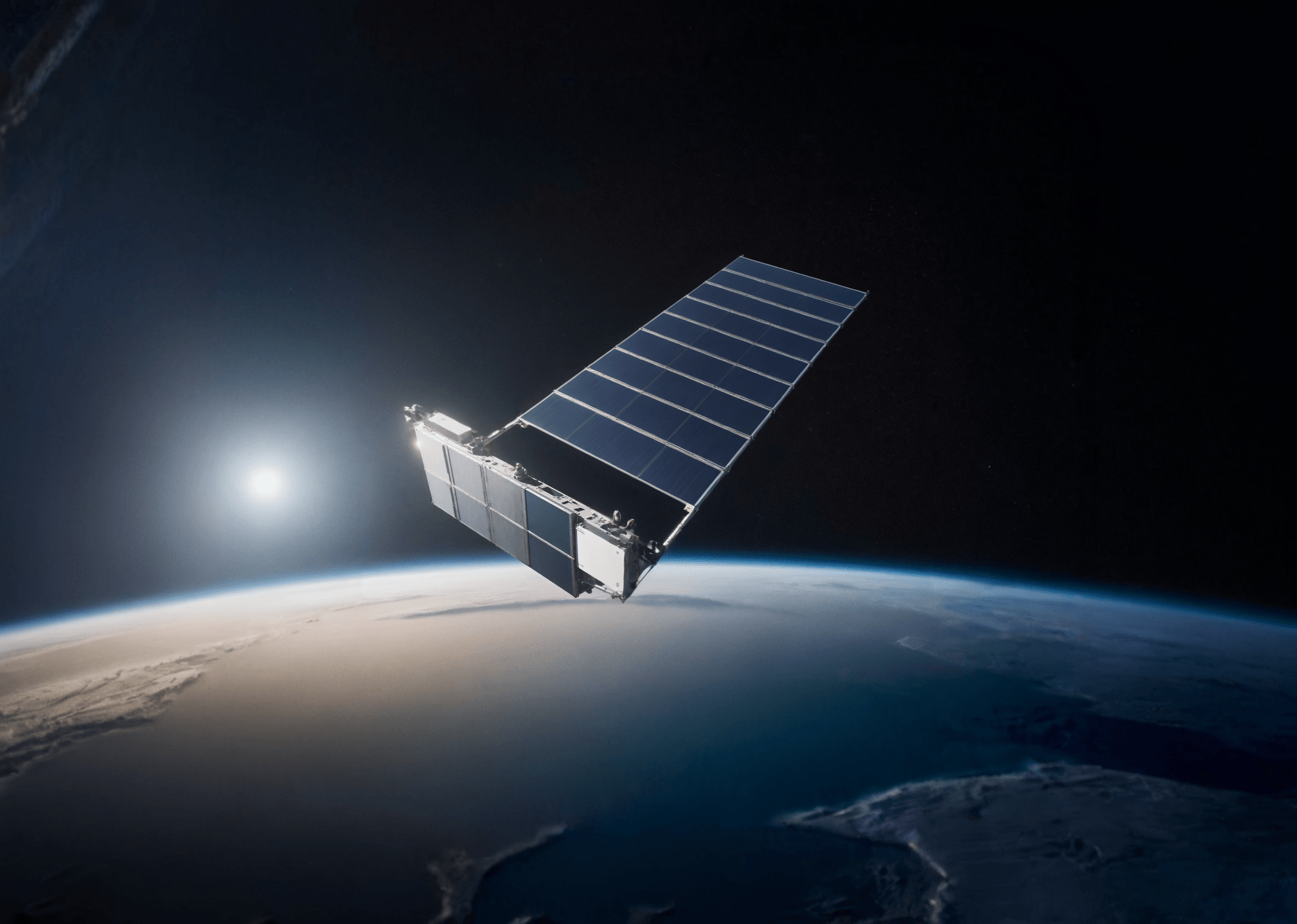
As of March 2024, SpaceX's Starlink has made remarkable strides in its quest to provide global broadband internet access. With an astounding number of satellites already in orbit and ambitious plans for expansion, Starlink is on track to dominate Earth's orbit in the coming years.