


X Report 3 Aug 2025
SpaceX bids farewell to LZ-1 while continuing its mission towards advancements in satellite technology and the ongoing Starlink project.


Launch Date
June 28, 2000
Launch Site
PLMSC
Launch Pad
LC132/1
Launch Vehicle
Kosmos 11K65M
NORAD ID
26384
International Designator
2000-033A
Epoch
Sat, 04 Jul 2026 03:48:48 GMT
Apogee
Calculating...
Perigee
Calculating...
Inclination
97.84°
Right Ascension
159.79°
Eccentricity
Calculating...
Argument of Perigee
302.54°
Period
97.87 min
Mean Motion
14.71 rev/day
Latitude
Calculating...
Longitude
Calculating...
Altitude
Calculating...
Velocity
Calculating...
Name
NADEZHDA 6
Alternative Name
Nadezhda
Type
Status
Owner
VMFR/VKSR
Country
Russia
Constellation
N/A
Related Satellites
Major Events
N/A
1 26384U 00033A 26185.15889584 .00000879 00000-0 14965-3 0 9991
2 26384 97.8425 159.7912 0011786 302.5397 57.4671 14.71382746390685
Source: Celestrak
Length
5
Diameter
2.1
Span
17
Dry Mass
870
Launch Mass
870
Shape
Cyl + Ant
Radar Cross Section
1.7292
Visual Magnitude
Unknown
Color
Unknown
Material Composition
Unknown
Payload
Nadezhda No. 701
Purpose
Navigation / SAR Transponder
Mission
Navigation / SAR Transponder
Manufacturer
POL
Life Expectancy
Unknown
Bus
KAUR-1 17F118
Configuration
KAUR-1
Motor
Unknown
Equipment
Unknown
Power System
Solar cells, batteries
ADCS
Unknown
Transmitter Frequency
Unknown
Learn more about satellites and other related topics.
SpaceX bids farewell to LZ-1 while continuing its mission towards advancements in satellite technology and the ongoing Starlink project.
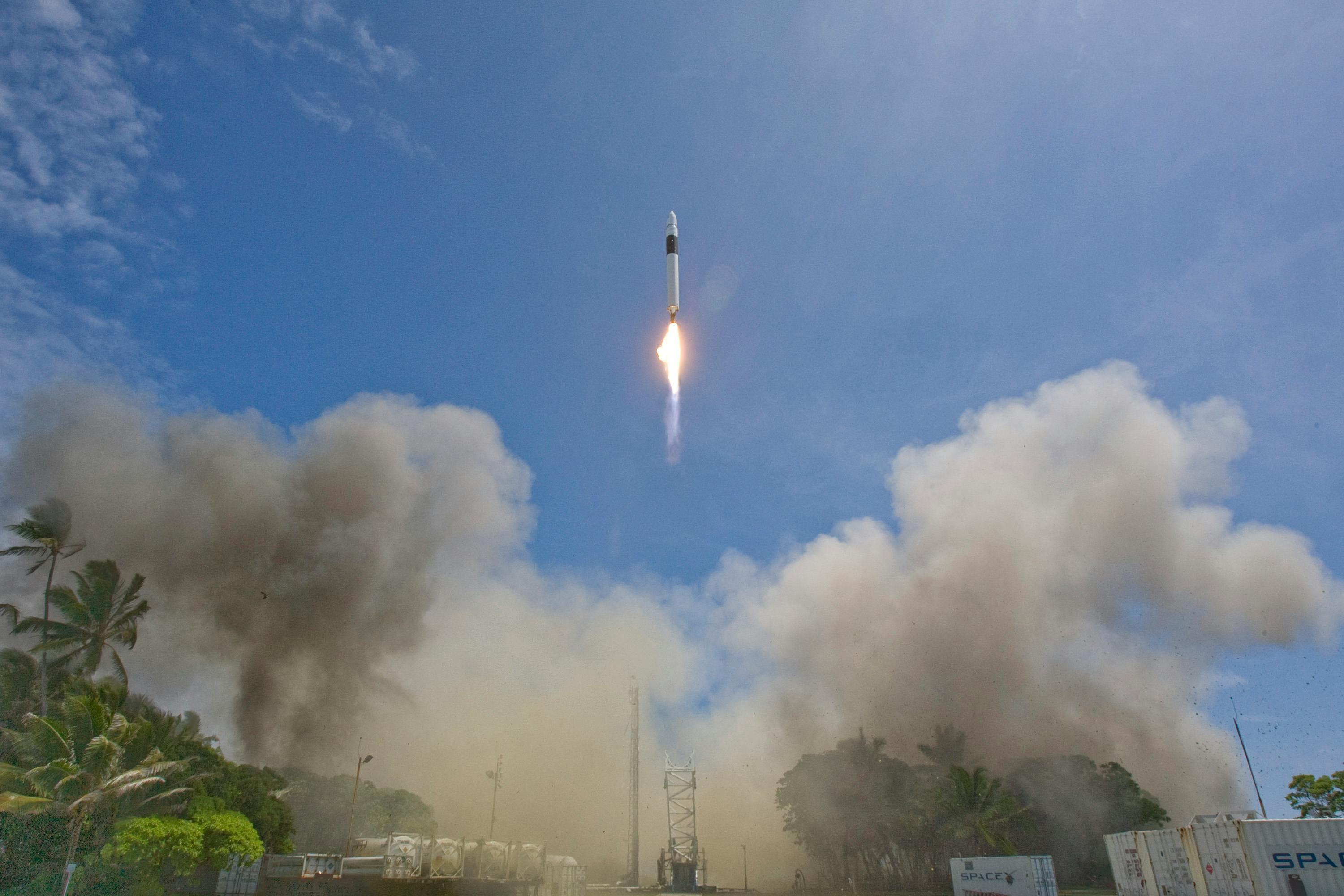
SpaceX celebrates significant milestones with its Starship preparations, approaches a landmark Falcon booster landing, and enhances the ISS orbit with Dragon technology.

Pentagon gives Anthropic Friday deadline to loosen military AI policy. Space Force keeps Vulcan grounded over booster issue. Funding boost speeds missile-tracking satellites.
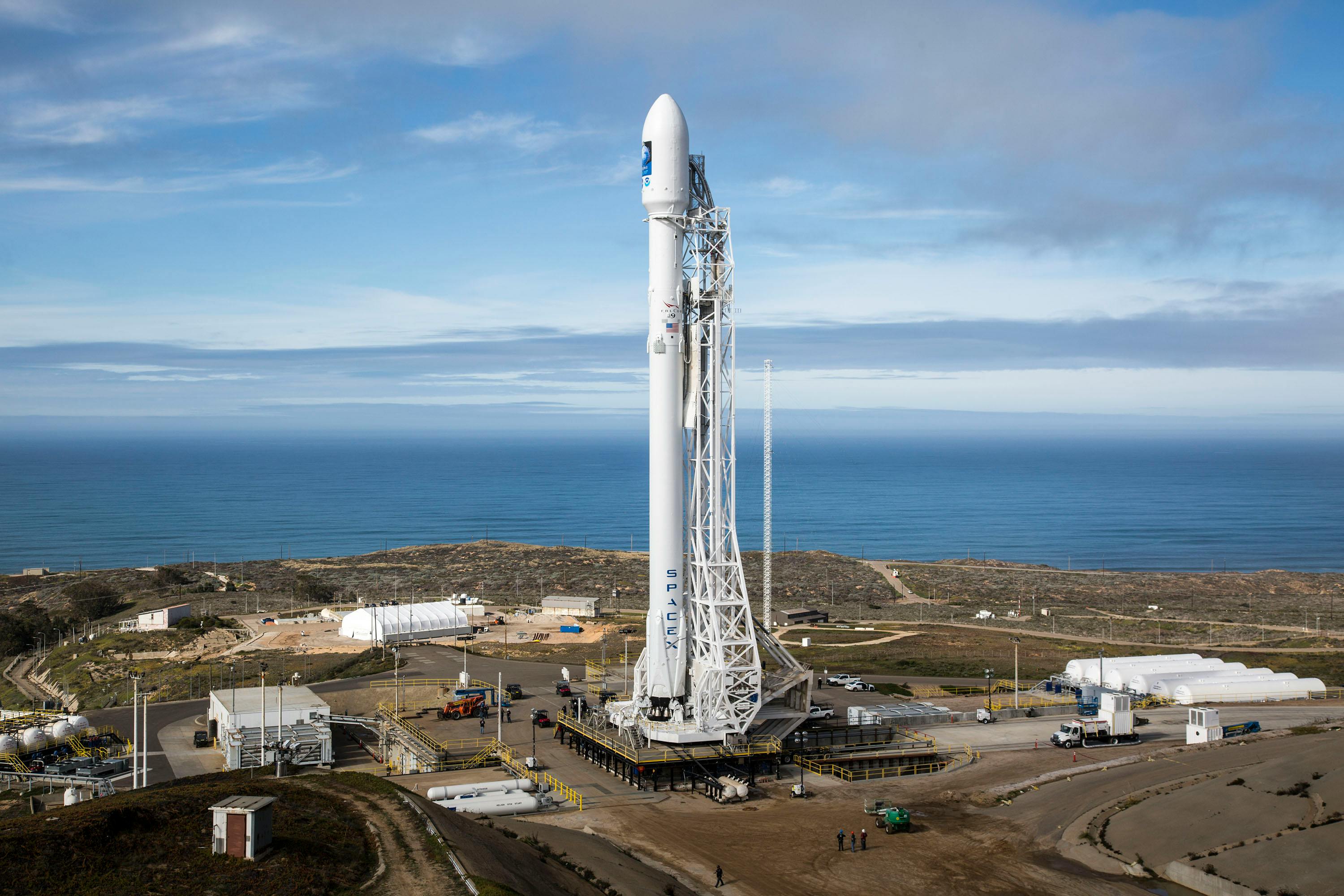
SpaceX secures major U.S. military contracts, Fram2 concludes historic mission, and preparations for another Starlink launch.
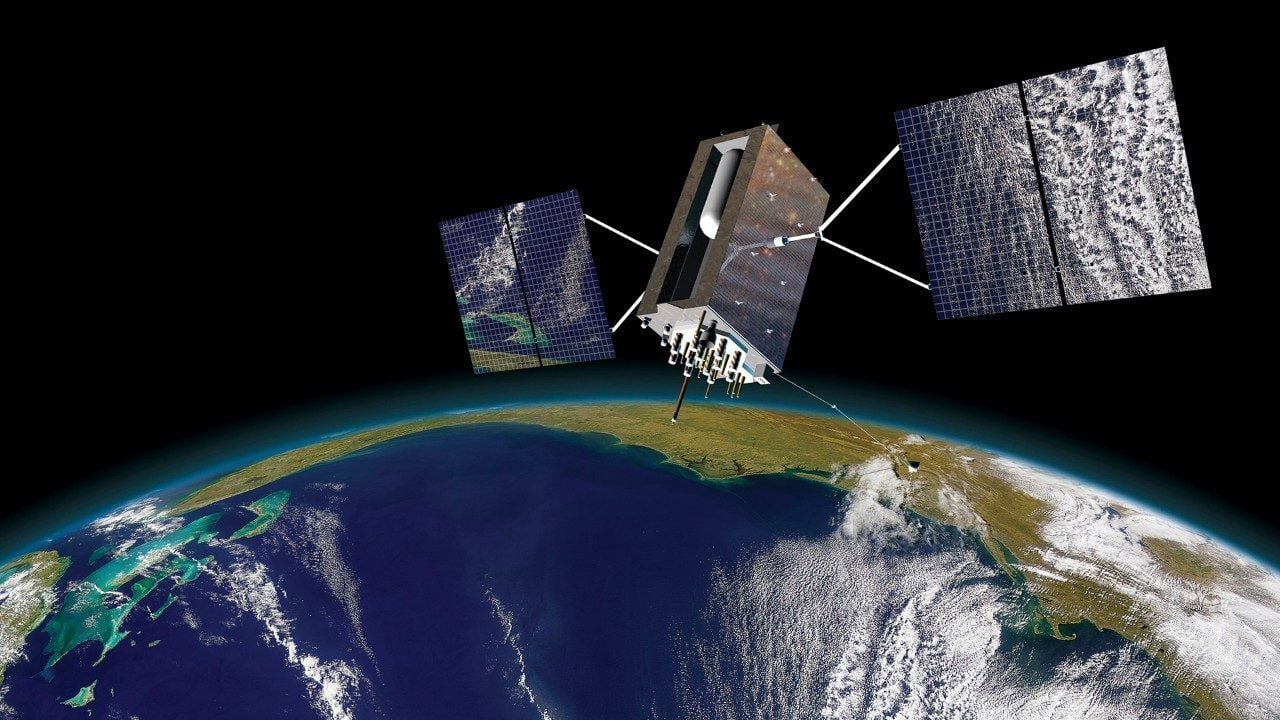
On April 17, 2026, the U.S. Space Force officially cancelled the Next Generation Operational Control System after sixteen years of development, cost overruns, and testing failures. The $8 billion program was supposed to unlock the military's encrypted GPS signal. Instead, the satellites are flying with capabilities the ground can't command.

Today's Space Brief highlights pivotal defense budget evaluations, Lithuania's growing defense connections, the first CubeSat for ESA's Ramses mission, and the one-year milestone of the Aries satellite in orbit.

Today's Space Brief covers a major partnership in space tech distribution, China's orbital refueling preparations under U.S. scrutiny, recent U.S. defense budget reveals, and an exciting hyperspectral imagery release from Xplore.

German defense giant Rheinmetall may bid for laser-comm firm Mynaric, challenging Rocket Lab's plans. SpaceX sets Falcon 9 reuse record. Juno reveals Europa ice sheet data.