

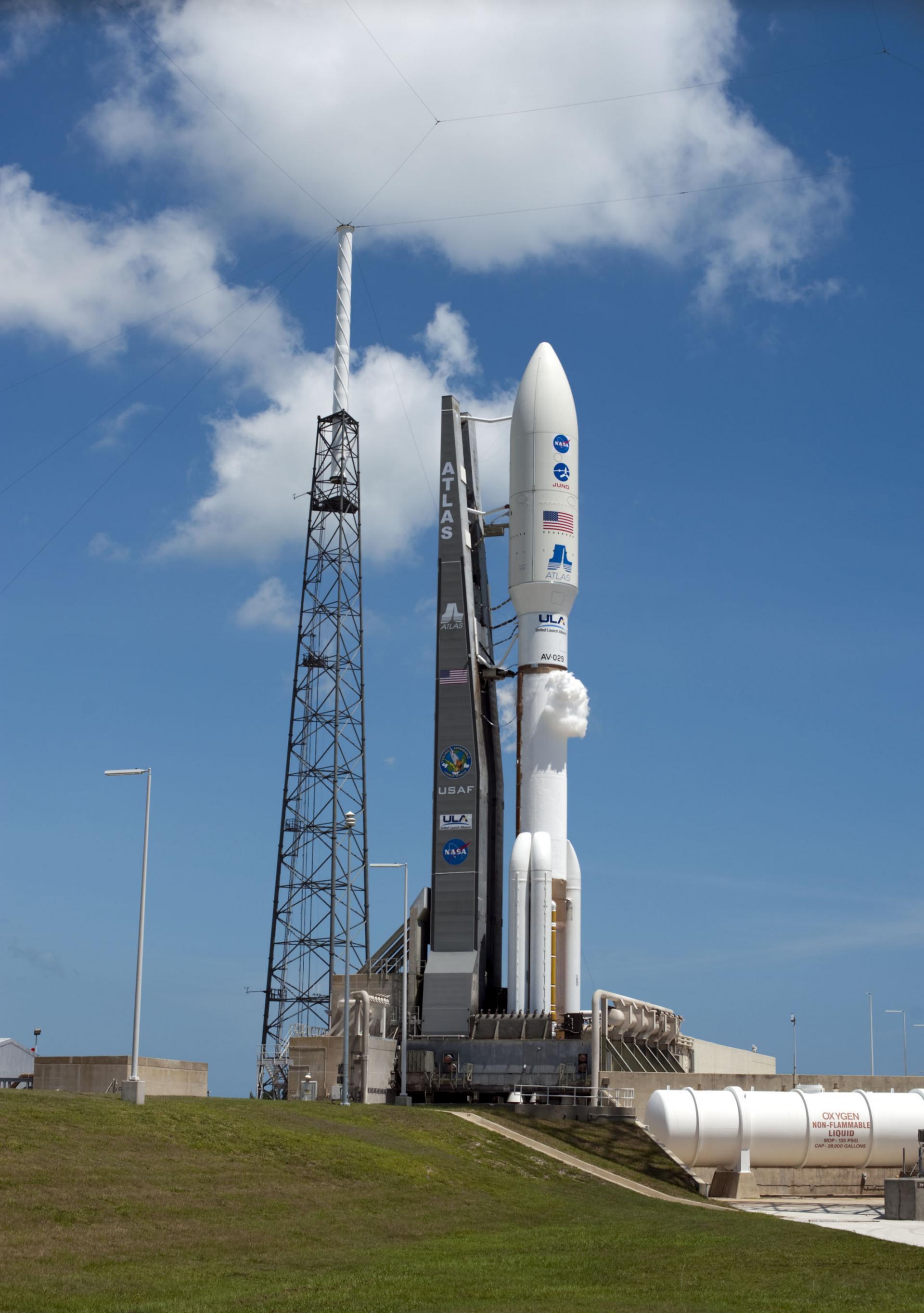
Space Brief 6 Jun 2025
Today's space news features significant discussions on the funding of Space Force, advancements in hypersonic technology, and the potential impacts of spectrum auction plans on border defense systems.


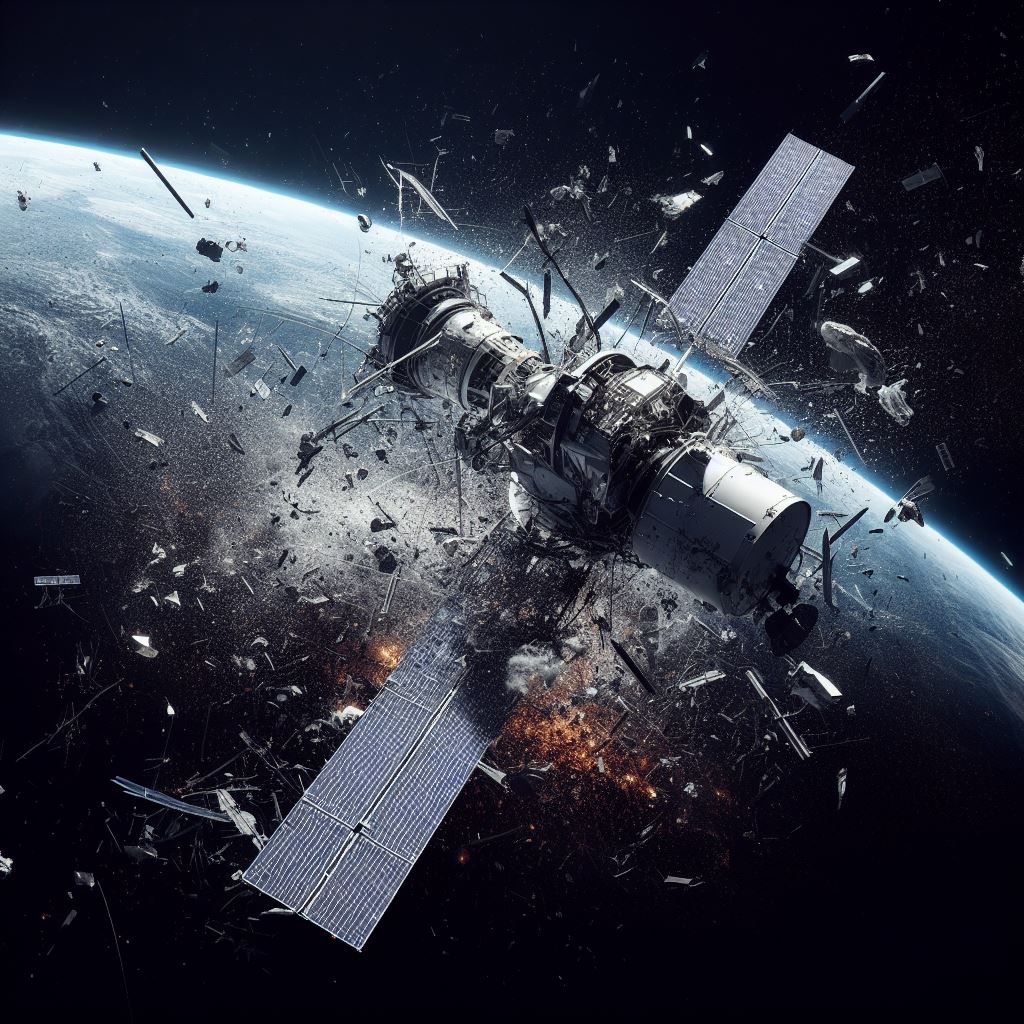
Launch Date
March 15, 1965
Launch Site
Launch Pad
LC41/15
Launch Vehicle
Kosmos 65S3
NORAD ID
02637
International Designator
1965-020EL
Decay Date
2/19/1967
Name
SL-8 DEB
Alternative Name
deb Kosmos 65S3 No. 4L
Type
Status
Owner
RVSN
Country
USSR
Constellation
N/A
Related Satellites
Major Events
N/A
Length
0
Diameter
0
Span
0
Dry Mass
0
Launch Mass
0
Shape
N/A
Radar Cross Section
Unknown
Visual Magnitude
Unknown
Color
Unknown
Material Composition
Unknown
Payload
Unknown
Purpose
Unknown
Mission
Unknown
Manufacturer
Unknown
Life Expectancy
Unknown
Bus
Unknown
Configuration
Unknown
Motor
Unknown
Equipment
Unknown
Power System
Unknown
ADCS
Unknown
Transmitter Frequency
Unknown
Learn more about satellites and other related topics.
Today's space news features significant discussions on the funding of Space Force, advancements in hypersonic technology, and the potential impacts of spectrum auction plans on border defense systems.
SpaceX's 600th Falcon 9 booster landing coincides with a $175M NASA Mars contract win and the final GPS III satellite launch this week.
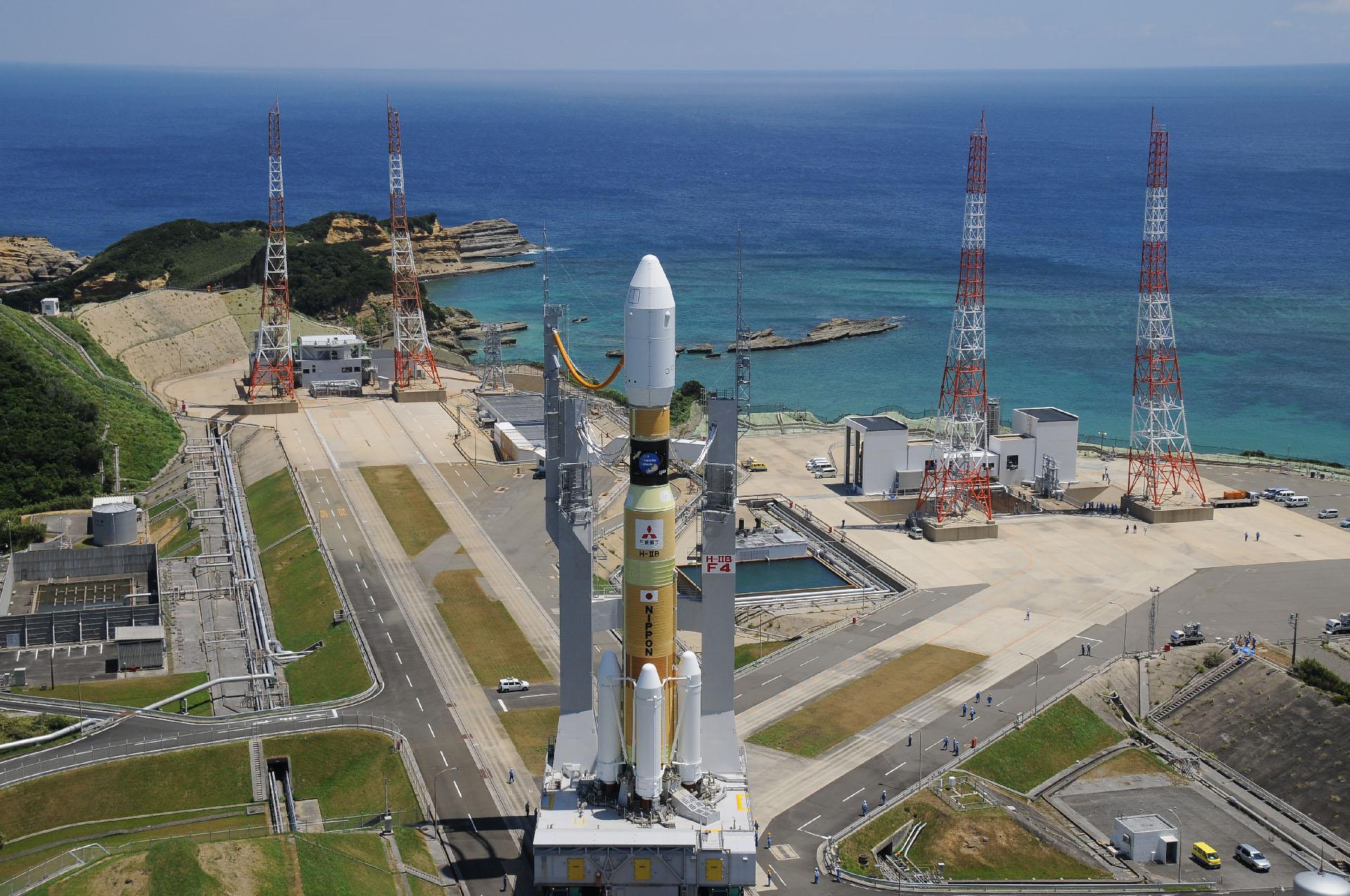
Today's update covers new military space initiatives, impacts of drone threats in Europe, and advancements in secure cloud technology for NATO and Ukraine.
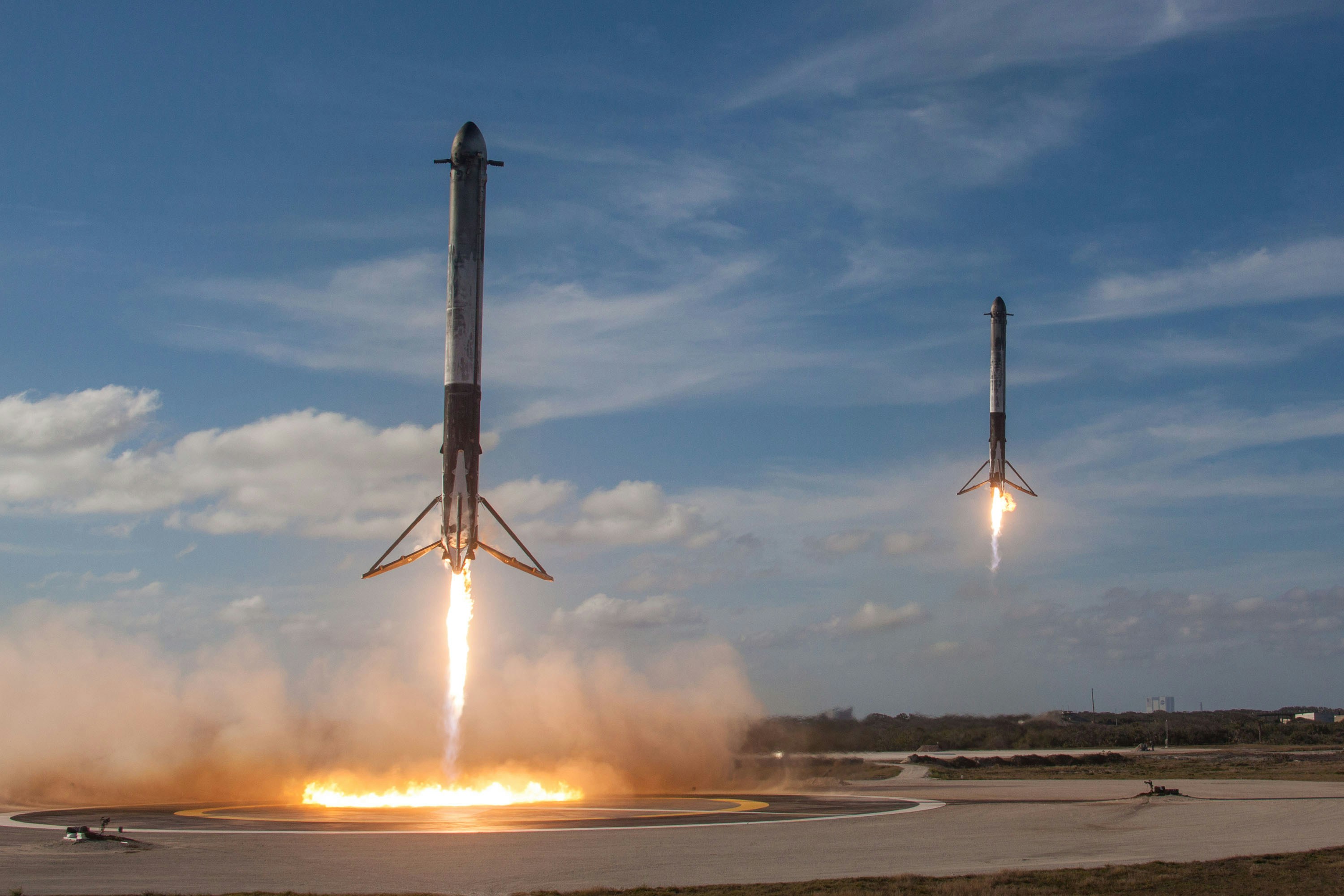
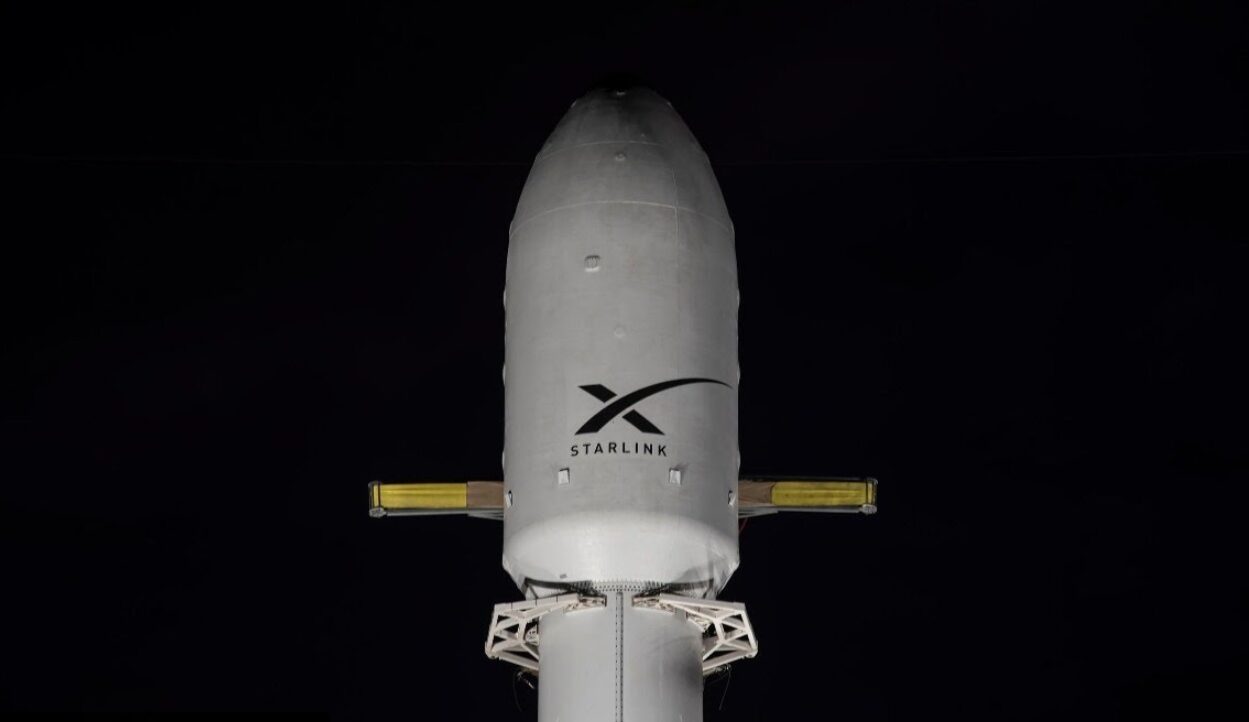
SpaceX marks a significant milestone with its 100th Starlink mission launch and makes impressive progress on lunar lander development for Artemis III.

Today's space brief covers key developments in satellite monitoring, U.K. defense contracts, and critical licensing reforms supporting national security.

Today's highlights include China's launch of the Shijian-25 for on-orbit refueling tests, major Pentagon contracts for solid rocket motors and hypersonic testing, and the US Space Force's record-setting year of launches.
FCC clears Reflect Orbital's first satellite to bounce sunlight into nighttime zones, despite pushback from astronomers concerned about orbital streaking and wildlife impacts.

Fifty-four years ago, a Saturn V rocket lifted off carrying three astronauts determined to prove America could still reach the Moon after the near-disaster of Apollo 13