


Mega-Constellations Are Set to Flood Earth's Orbit
We forecast how many satellites could be in orbit by 2030 and what capabilities we can expect.


Launch Date
May 16, 2000
Launch Site
PLMSC
Launch Pad
LC133/3
Launch Vehicle
Rokot
NORAD ID
26367
International Designator
2000-026C
Decay Date
6/21/2000
Name
SL-19 R/B
Alternative Name
Briz-KM No. 72501
Type
Status
Owner
EUROK
Country
Russia
Constellation
N/A
Related Satellites
Major Events
N/A
Length
4.1
Diameter
2.6
Span
4.1
Dry Mass
2370
Launch Mass
22170
Shape
Cyl
Radar Cross Section
3.5915
Visual Magnitude
Unknown
Color
Unknown
Material Composition
Unknown
Payload
Briz-KM 14S45
Purpose
Unknown
Mission
Unknown
Manufacturer
KHRR
Life Expectancy
Unknown
Bus
Briz
Configuration
Unknown
Motor
S5.92
Equipment
Unknown
Power System
Unknown
ADCS
Unknown
Transmitter Frequency
Unknown
Learn more about satellites and other related topics.
We forecast how many satellites could be in orbit by 2030 and what capabilities we can expect.

Today's highlights include significant legal disputes in military satellite contracts, strategic investments in the defense space sector, and updates on major military budget developments impacting space capabilities.
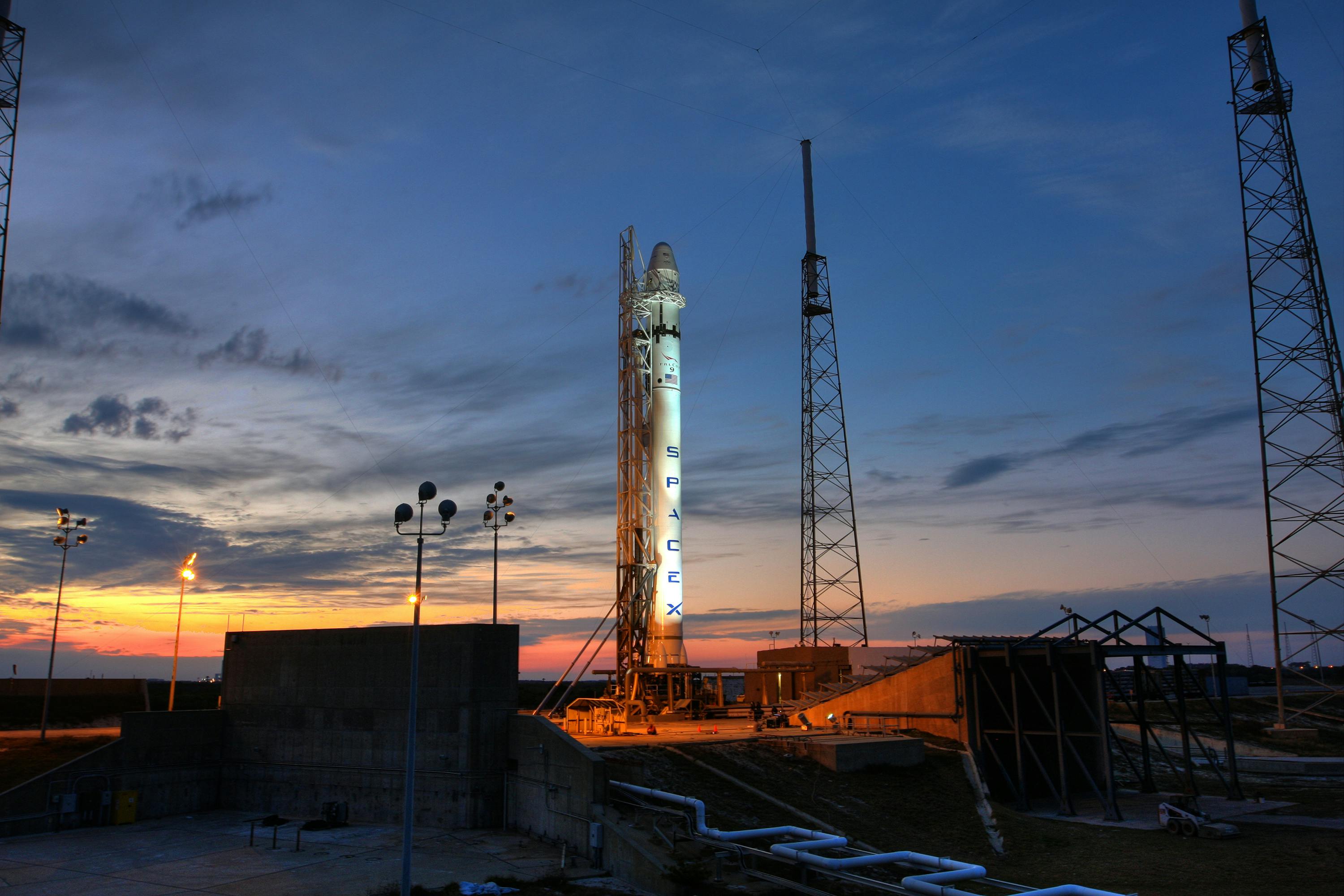
SpaceX shifts launch priorities to Vandenberg as Falcon 9 era winds down, while Anthropic signs orbital data center deal with the company.
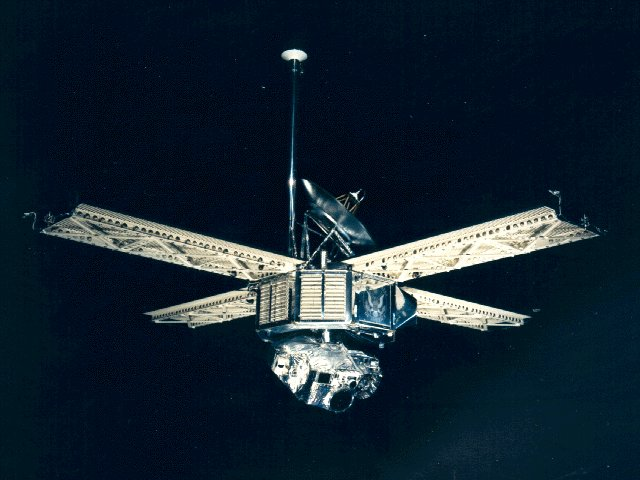
Fifty-six years ago, a revolutionary spacecraft launched toward the Red Planet after being saved from disaster by two quick-thinking technicians who risked their lives to prevent a rocket collapse

China files ITU paperwork for megaconstellations totaling nearly 200,000 satellites. SpaceX launches first rideshare mission of 2026 from Vandenberg. NASA plans ISS crew medical evacuation.

SpaceX secures FCC nod for Starlink's direct-to-phone connectivity, lands NASA's Dragonfly mission, and sees new competition with the ZhuQue-2E launch.

SpaceX hits 77 Falcon 9 launches in 2026 as EchoStar subsidiaries file Chapter 11 and Musk disputes WSJ AI phone claims.

A second Starlink satellite has generated on-orbit debris in just over 3 months, threatening SpaceX's 10,151-satellite working constellation.