


X Report 13 Jan 2025
SpaceX gears up for a series of launches, including Starlink deployments, lunar missions, and updates on the Starship program.



Launch Date
October 14, 1999
Launch Site
TAISC
Launch Pad
LC7
Launch Vehicle
Chang Zheng 4B
NORAD ID
26306
International Designator
1999-057GP
Epoch
Sat, 04 Jul 2026 02:34:25 GMT
Apogee
Calculating...
Perigee
Calculating...
Inclination
98.74°
Right Ascension
233.54°
Eccentricity
Calculating...
Argument of Perigee
154.52°
Period
100.12 min
Mean Motion
14.38 rev/day
Latitude
Calculating...
Longitude
Calculating...
Altitude
Calculating...
Velocity
Calculating...
Name
CZ-4B DEB
Alternative Name
deb CZ-4B Y1
Type
Status
Owner
CNSA
Country
China
Constellation
N/A
Related Satellites
Major Events
N/A
1 26306U 99057GP 26185.10724220 .00000384 00000-0 13469-3 0 9998
2 26306 98.7432 233.5371 0096338 154.5155 234.2402 14.38204606375704
Source: Celestrak
Length
0
Diameter
0
Span
0
Dry Mass
0
Launch Mass
0
Shape
N/A
Radar Cross Section
0.0121
Visual Magnitude
Unknown
Color
Unknown
Material Composition
Unknown
Payload
Unknown
Purpose
Unknown
Mission
Unknown
Manufacturer
Unknown
Life Expectancy
Unknown
Bus
Unknown
Configuration
Unknown
Motor
Unknown
Equipment
Unknown
Power System
Unknown
ADCS
Unknown
Transmitter Frequency
Unknown
Learn more about satellites and other related topics.
SpaceX gears up for a series of launches, including Starlink deployments, lunar missions, and updates on the Starship program.

NASA's Van Allen Probe A (1,300 lbs) reenters today after 14 years studying Earth's radiation belts. Most debris will burn up; ocean impact statistically likely.
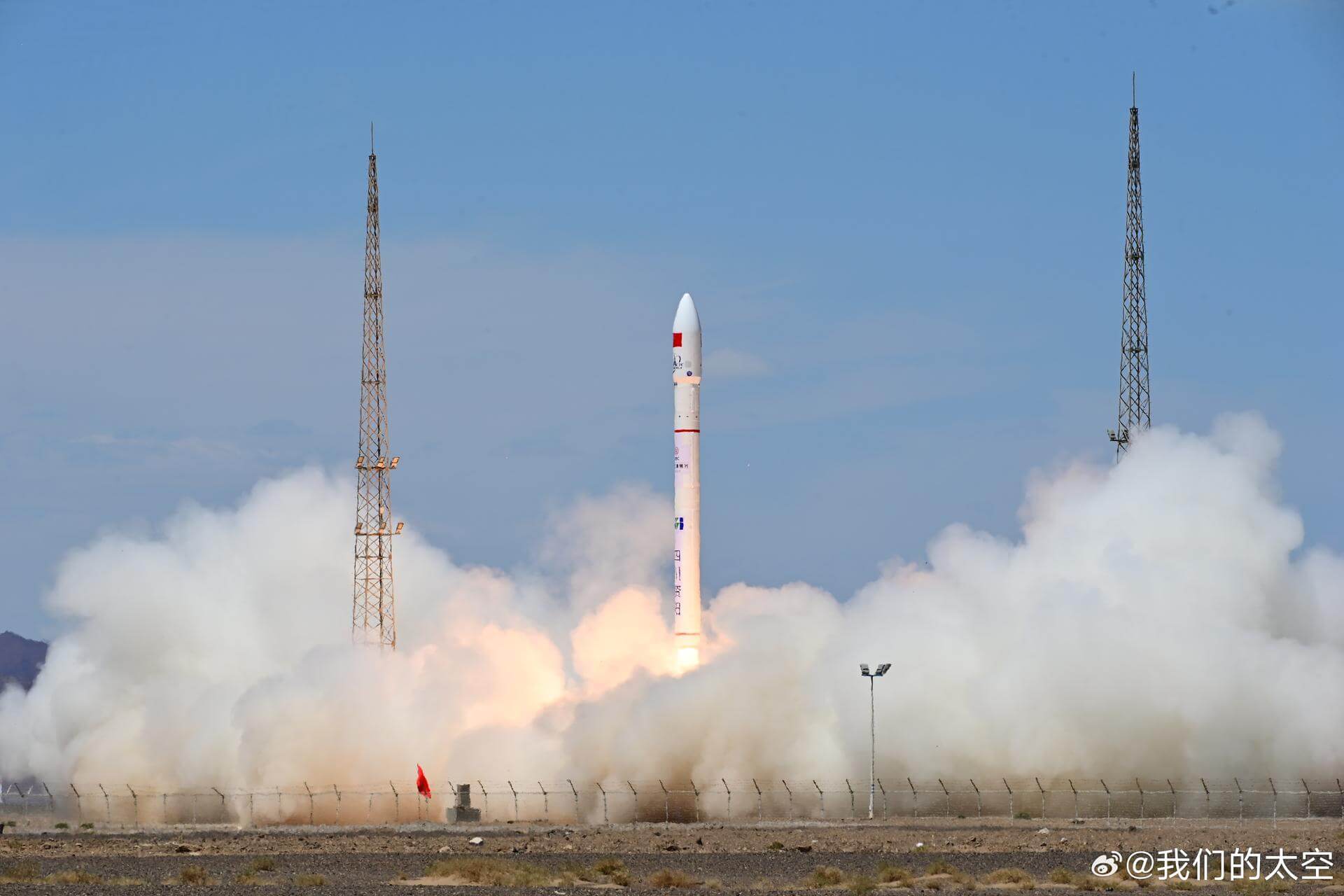
Today's brief covers developments in US military space initiatives, advancements in missile technology, and notable military contractor activities.
Today's highlights include Rocket Lab's successful 2025 kick-off launch, SpaceX's upcoming Starlink deployment, and a significant military satellite contract competition.
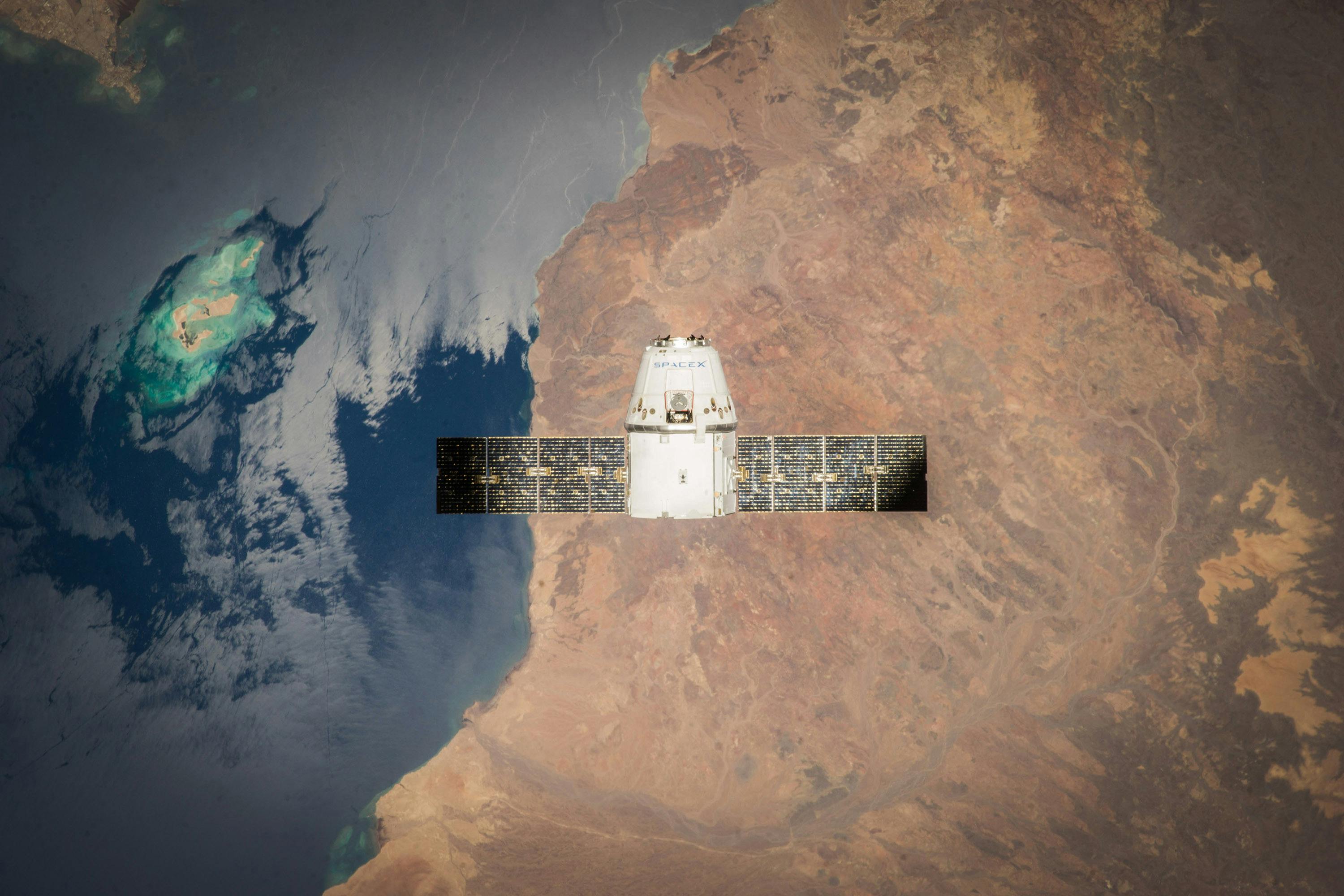
SpaceX continues to push boundaries with the successful launch of 28 Starlink satellites and significant testing preparations for upcoming Crew-11 and Starship missions.

Today's briefing covers key developments in defense budgets reshaping the space sector, significant Space Force contracts, and the latest news from the Chinese space station.

SpaceX successfully launched 23 Starlink satellites on a brand-new Falcon 9 rocket, while preparations ramp up for Starship Flight 9 and a pioneering commercial docking mission approaches.

Thirty-nine years ago, the loss of Space Shuttle Challenger and its seven crew members forever transformed our approach to spaceflight safety and risk management