


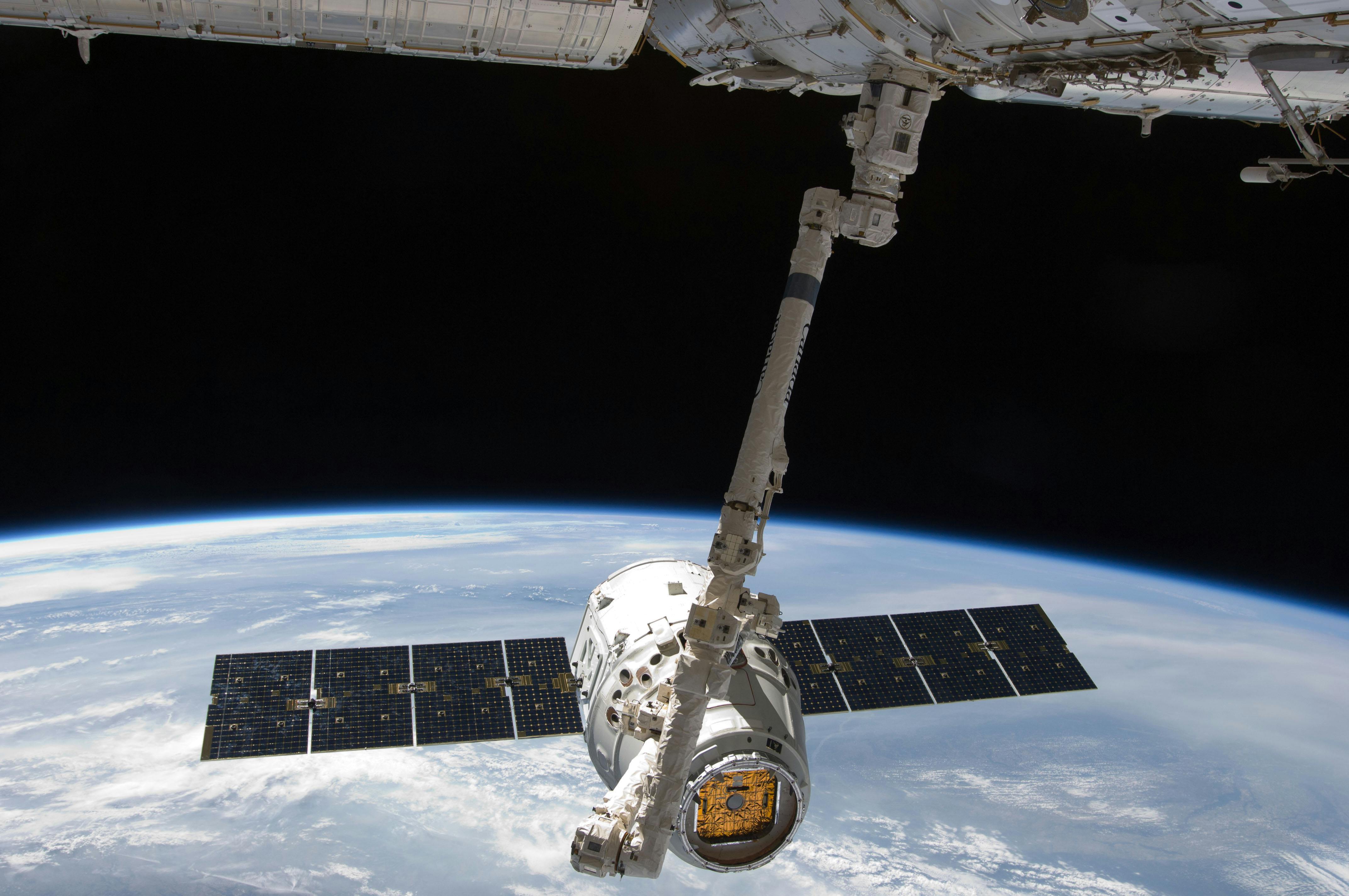
X Report 17 Dec 2025
SpaceX prepares for a busy launch schedule with key upgrades at Starbase and notable Starlink missions. Recent close approaches in orbit underscore the complexities of satellite operations.


Launch Date
April 17, 2000
Launch Site
Launch Pad
LC200/39
Launch Vehicle
Proton-K/DM-2M
NORAD ID
26243
International Designator
2000-019A
Epoch
Fri, 03 Jul 2026 20:00:40 GMT
Apogee
Calculating...
Perigee
Calculating...
Inclination
10.92°
Right Ascension
45.90°
Eccentricity
Calculating...
Argument of Perigee
144.08°
Period
1455.19 min
Mean Motion
0.99 rev/day
Latitude
Calculating...
Longitude
Calculating...
Altitude
Calculating...
Velocity
Calculating...
Name
EUTELSAT 16C
Alternative Name
Sesat
Type
Status
Owner
EUTEL
Country
EUTELSAT
Constellation
N/A
Related Satellites
Major Events
N/A
1 26243U 00019A 26184.83379661 -.00000057 00000-0 00000-0 0 9994
2 26243 10.9186 45.8990 0004354 144.0820 230.7374 0.98956014 95512
Source: Celestrak
Length
6.1
Diameter
3.6
Span
27
Dry Mass
2400
Launch Mass
2600
Shape
Cyl + 2 Pan
Radar Cross Section
0.003
Visual Magnitude
Unknown
Color
Unknown
Material Composition
Unknown
Payload
SESAT
Purpose
Communication
Mission
Communication
Manufacturer
NPOPMR
Life Expectancy
10 years
Bus
MSS-2500-01GSO
Configuration
MSS-2500-GSO (MSS-727)
Motor
8 x SPT-100 Stationary Plasma Thrusters
Equipment
18 Ku-band transponders
Power System
2 deployable solar arrays, batteries
ADCS
Unknown
Transmitter Frequency
Unknown
Learn more about satellites and other related topics.
SpaceX prepares for a busy launch schedule with key upgrades at Starbase and notable Starlink missions. Recent close approaches in orbit underscore the complexities of satellite operations.

SpaceX successfully rotates Crew-9 and Crew-10 on the ISS and launches new Starlink satellites with direct-to-cell capability.
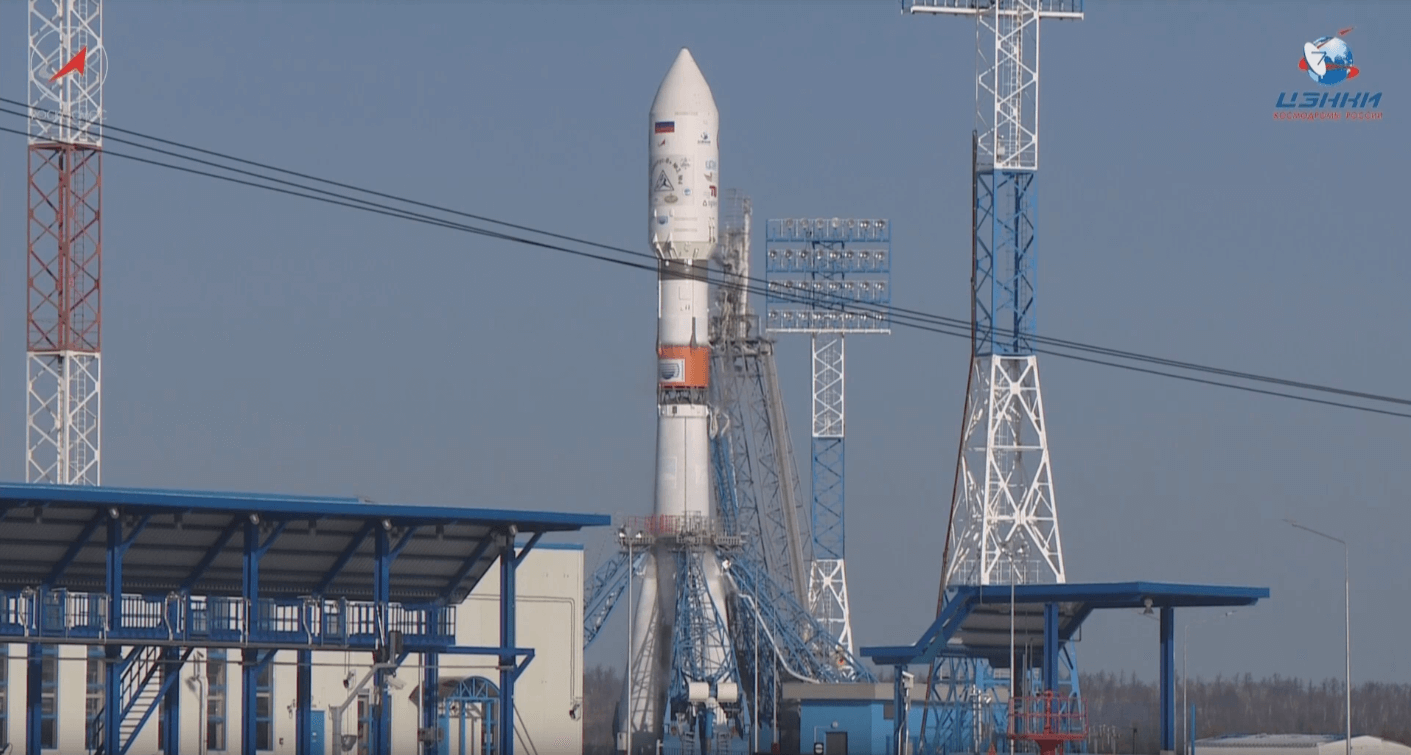
Today's brief highlights a Starlink satellite launch, an OpTech optical sensor contract for the Space Force, and a unique STEM experiment involving space-flown seeds.
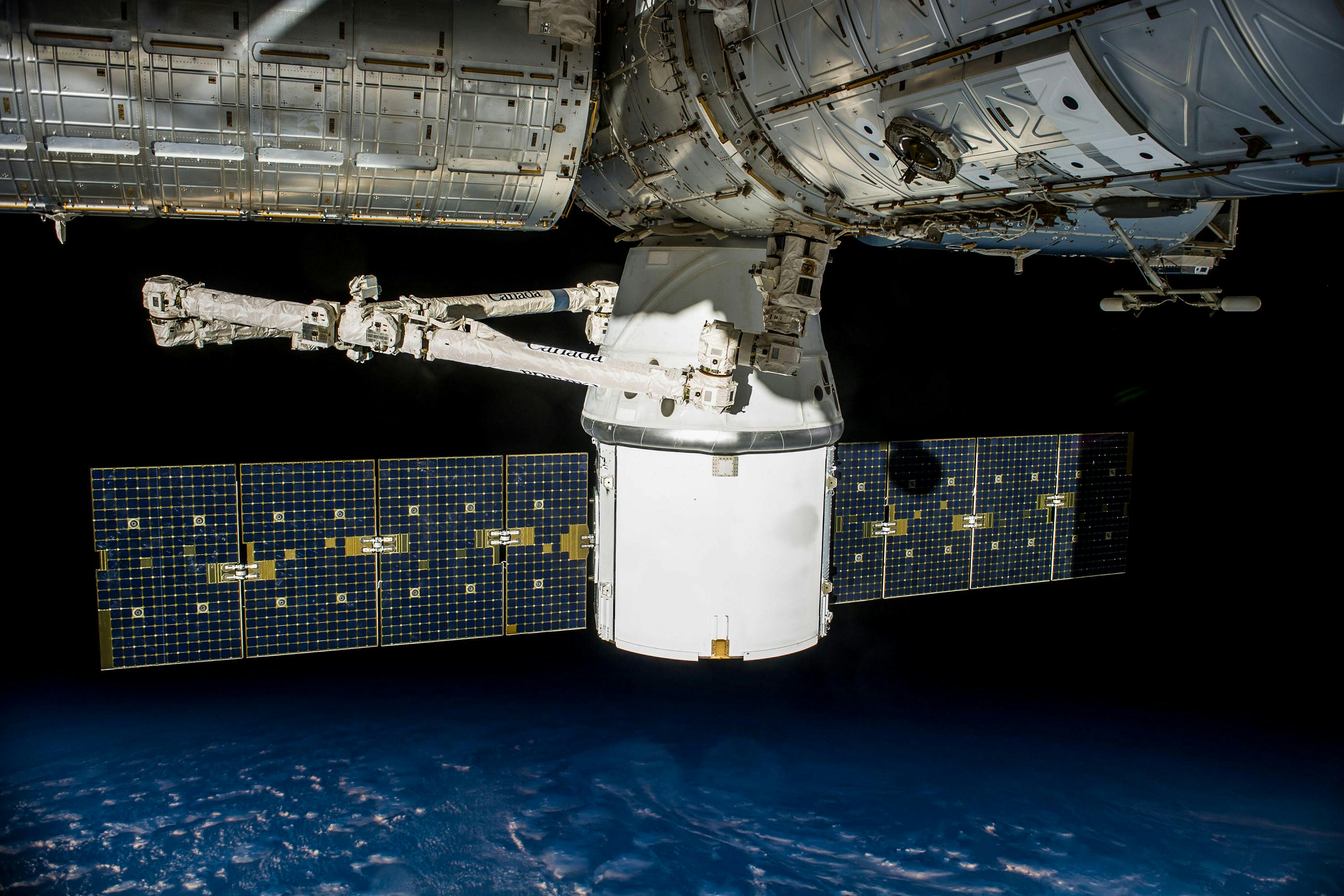
SpaceX launched NROL-179 from Vandenberg at 1:50 a.m. PDT June 19, carrying Starshield spy satellites for the National Reconnaissance Office.
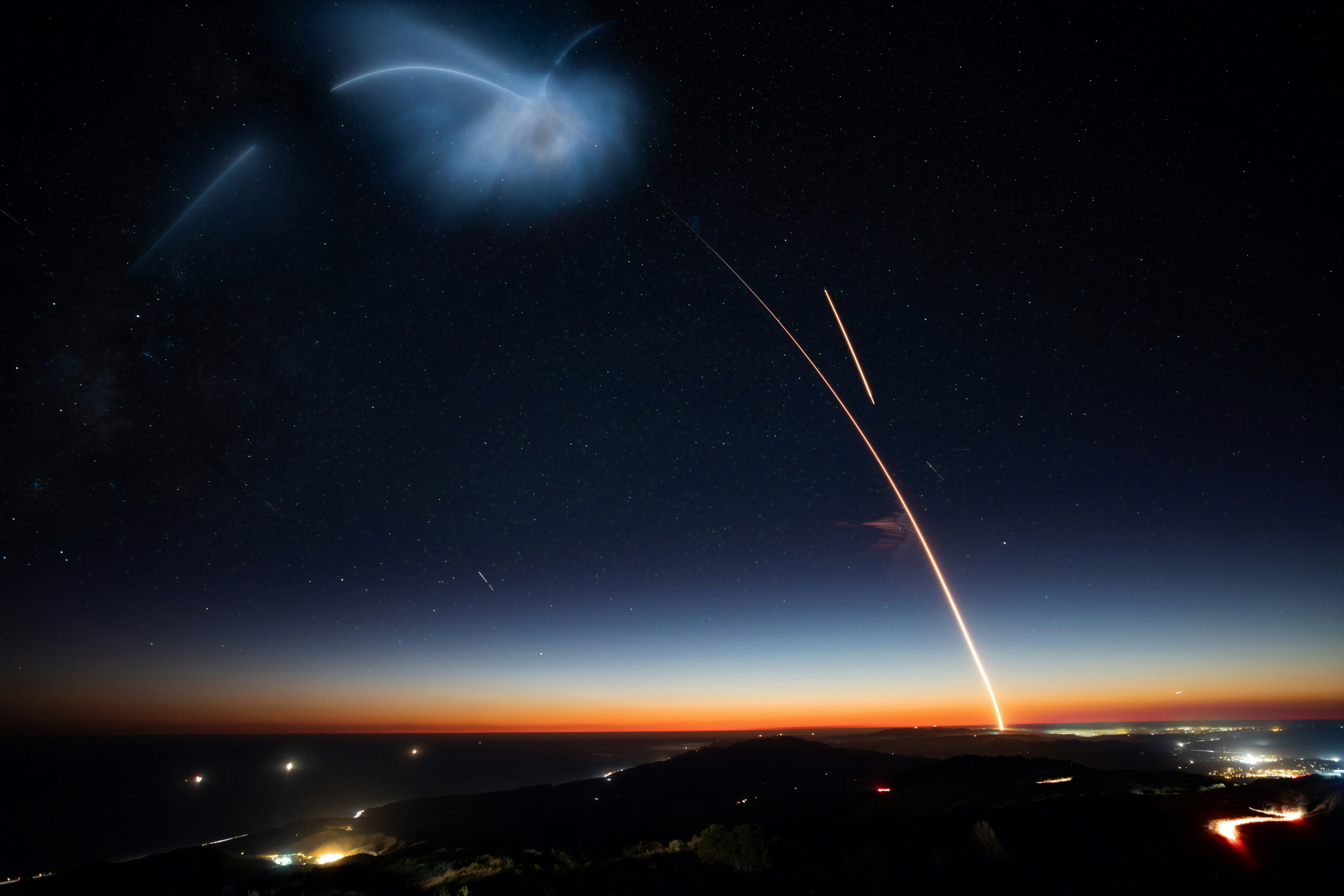
FAA greenlights Flight 8 of SpaceX's Starship while senators examine Air Force nominee's ties to the company.

Explore the latest advancements in satellite technology, military satellite applications, and collaborative efforts in hypersonic vehicle tracking. Discover the transformative power of new deals shaping global communication networks.

Space debris poses a mounting threat to both satellites and space missions. As we send more objects into orbit, the likelihood of collisions and subsequent breakups producing dangerous space debris increases. Recognizing the major events that have generated this dangerous space junk is pivotal in ensuring the safety of future space missions.

Pentagon cancels Next-Generation OPIR Polar program after Northrop Grumman delivered sensor payload. LEO and MEO alternatives deemed sufficient for missile-warning coverage.