


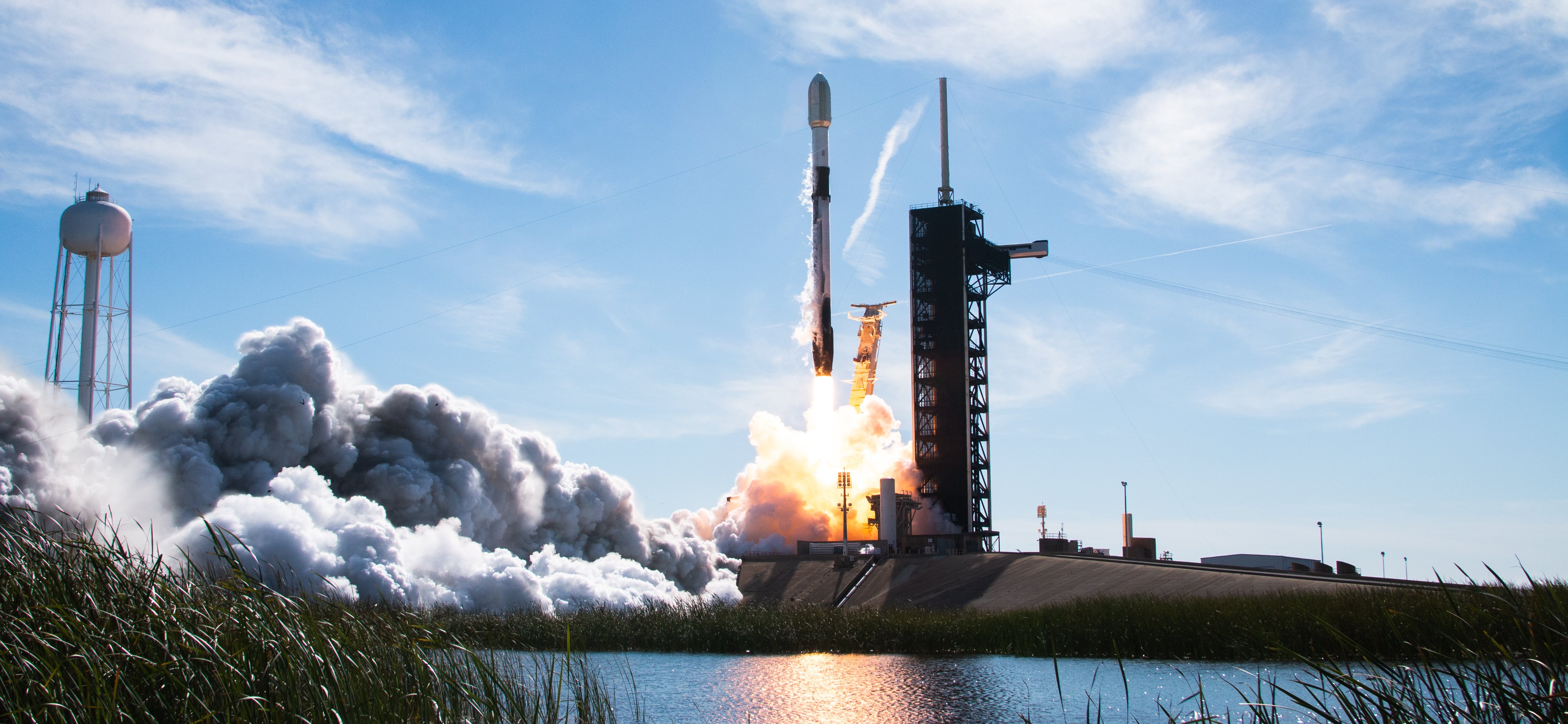
Space Brief 26 May 2025
Today's highlights include China's lunar collaboration with Russia, new insights from Magellan's Venus mission, and stunning 8K images of the sun.



Launch Date
October 14, 1999
Launch Site
TAISC
Launch Pad
LC7
Launch Vehicle
Chang Zheng 4B
NORAD ID
26234
International Designator
1999-057DY
Epoch
Sat, 04 Jul 2026 06:20:37 GMT
Apogee
Calculating...
Perigee
Calculating...
Inclination
98.61°
Right Ascension
305.49°
Eccentricity
Calculating...
Argument of Perigee
208.56°
Period
98.92 min
Mean Motion
14.56 rev/day
Latitude
Calculating...
Longitude
Calculating...
Altitude
Calculating...
Velocity
Calculating...
Name
CZ-4B DEB
Alternative Name
deb CZ-4B Y1
Type
Status
Owner
CNSA
Country
China
Constellation
N/A
Related Satellites
Major Events
N/A
1 26234U 99057DY 26185.26432434 .00000705 00000-0 17249-3 0 9995
2 26234 98.6101 305.4949 0010502 208.5559 179.9699 14.55696214392805
Source: Celestrak
Length
0
Diameter
0
Span
0
Dry Mass
0
Launch Mass
0
Shape
N/A
Radar Cross Section
0.0314
Visual Magnitude
Unknown
Color
Unknown
Material Composition
Unknown
Payload
Unknown
Purpose
Unknown
Mission
Unknown
Manufacturer
Unknown
Life Expectancy
Unknown
Bus
Unknown
Configuration
Unknown
Motor
Unknown
Equipment
Unknown
Power System
Unknown
ADCS
Unknown
Transmitter Frequency
Unknown
Learn more about satellites and other related topics.
Today's highlights include China's lunar collaboration with Russia, new insights from Magellan's Venus mission, and stunning 8K images of the sun.
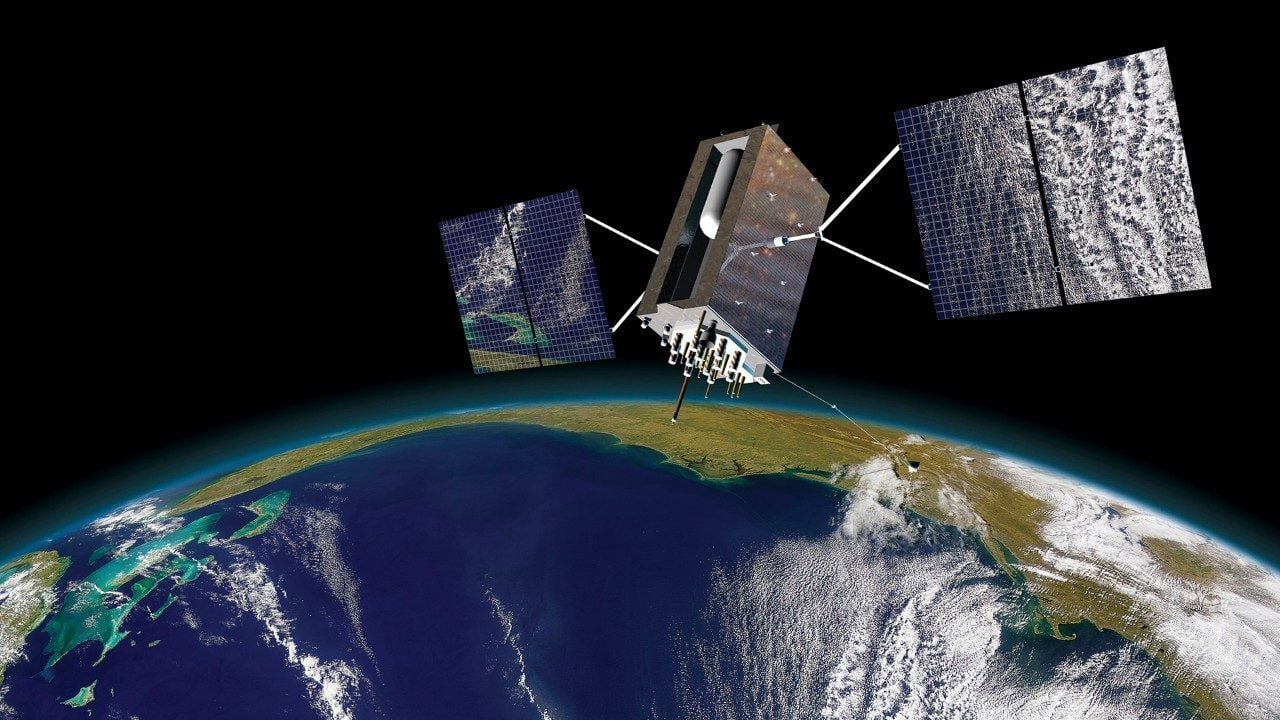
On April 17, 2026, the U.S. Space Force officially cancelled the Next Generation Operational Control System after sixteen years of development, cost overruns, and testing failures. The $8 billion program was supposed to unlock the military's encrypted GPS signal. Instead, the satellites are flying with capabilities the ground can't command.
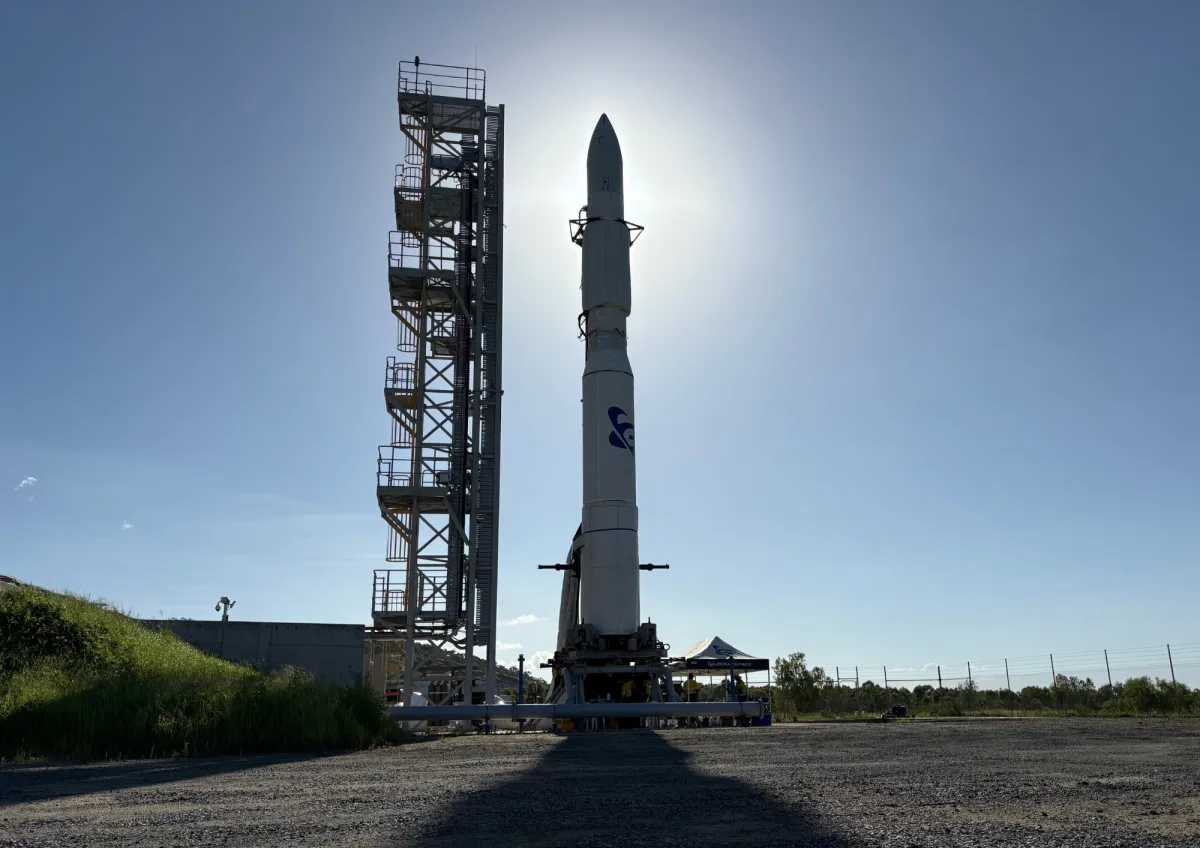
Today's brief highlights the US Space Force's new space conflict doctrine, Ukraine's search for Starlink alternatives, and updates on regional military activities affecting space dynamics.
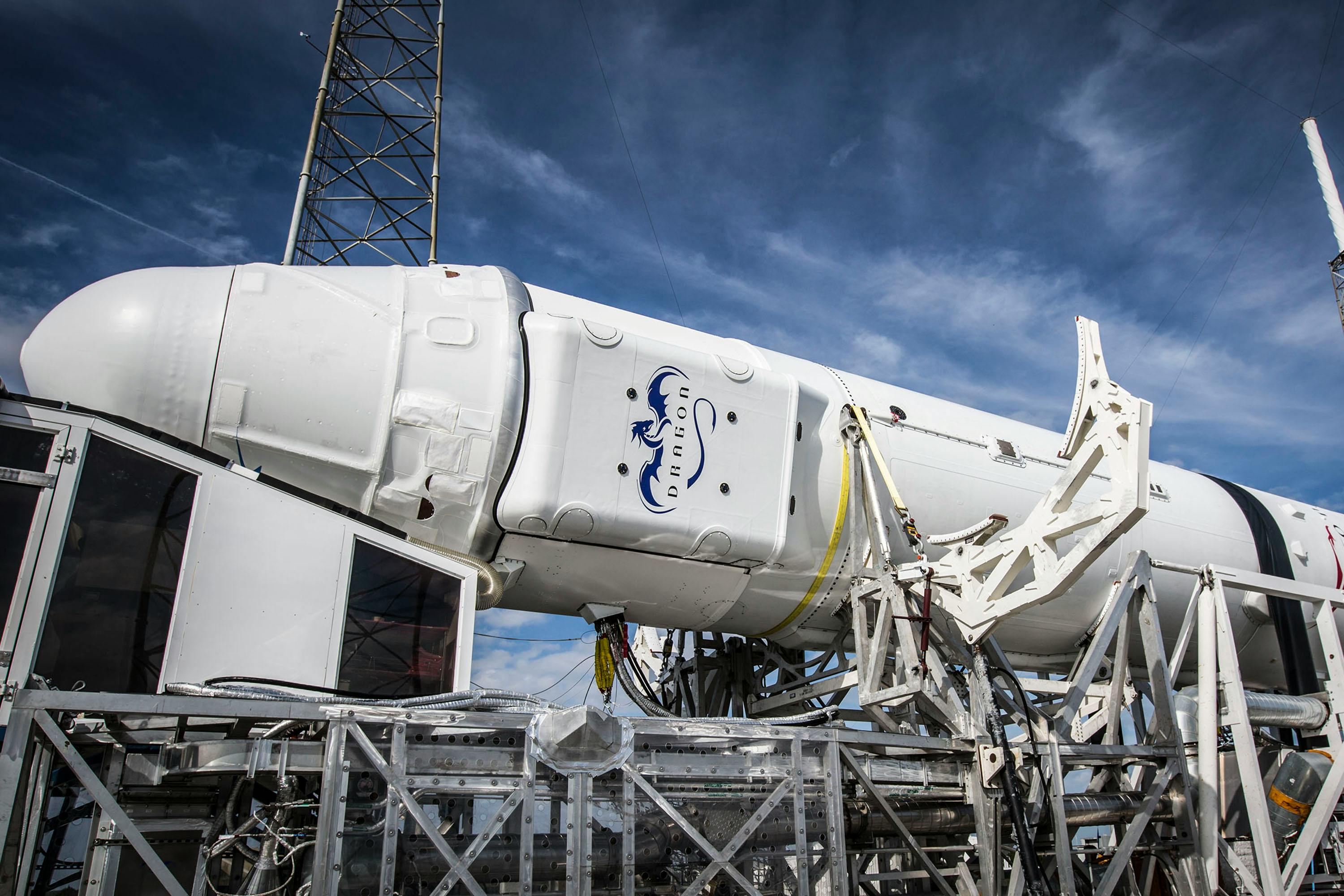
New experiments in space agriculture begin with Fram2 mission, a historic polar orbit flight, and a Starlink launch postponement.
NASA's $4.3B Nancy Grace Roman Space Telescope arrived at Kennedy Space Center for 70 days of prelaunch processing ahead of its August 30 Falcon Heavy launch.
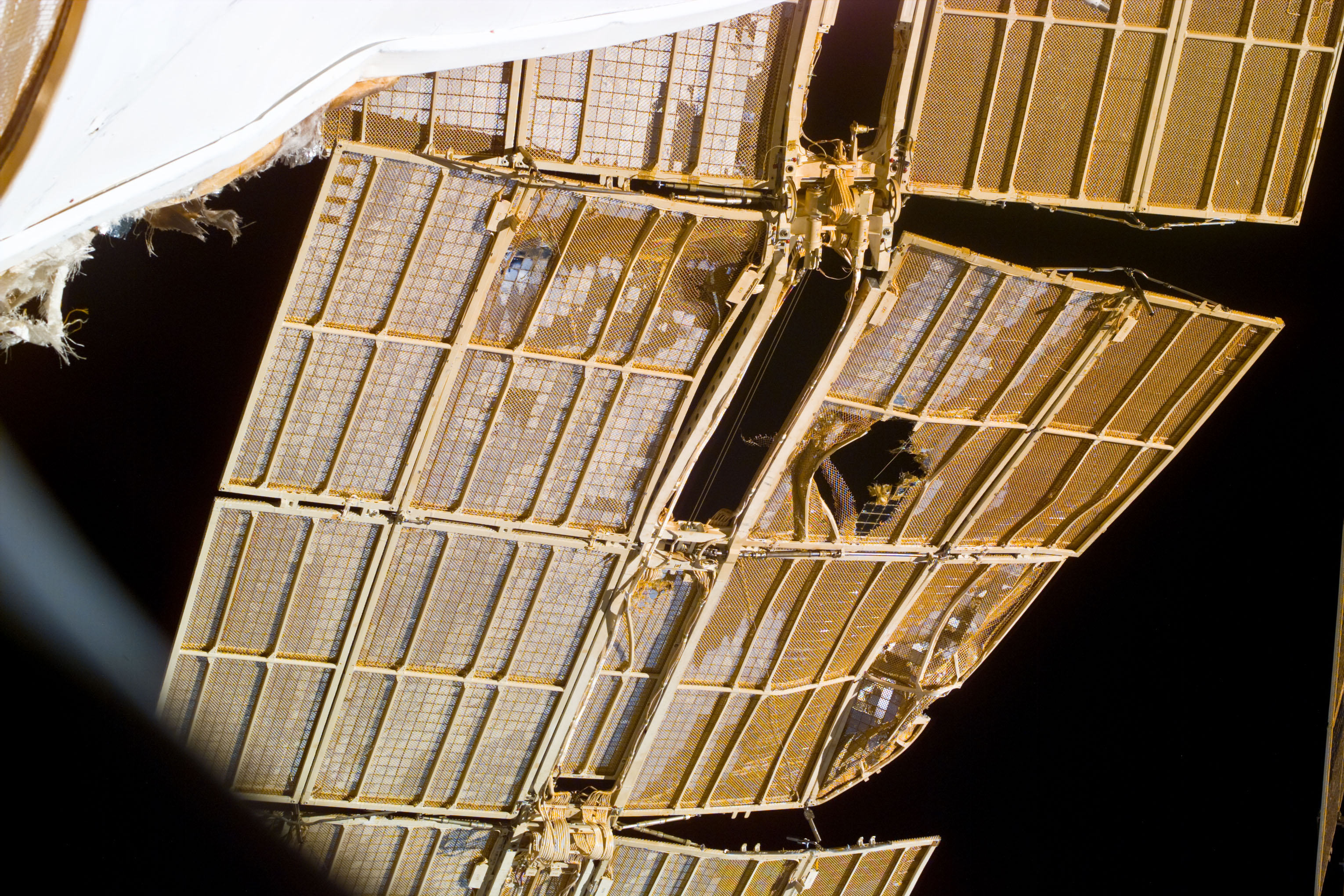
On 25 June 1997, a seven-ton cargo ship under hand control drifted into Mir's Spektr module, breached the hull, and left three crew members listening to their air hiss into space. It remains the worst collision in the history of human spaceflight.
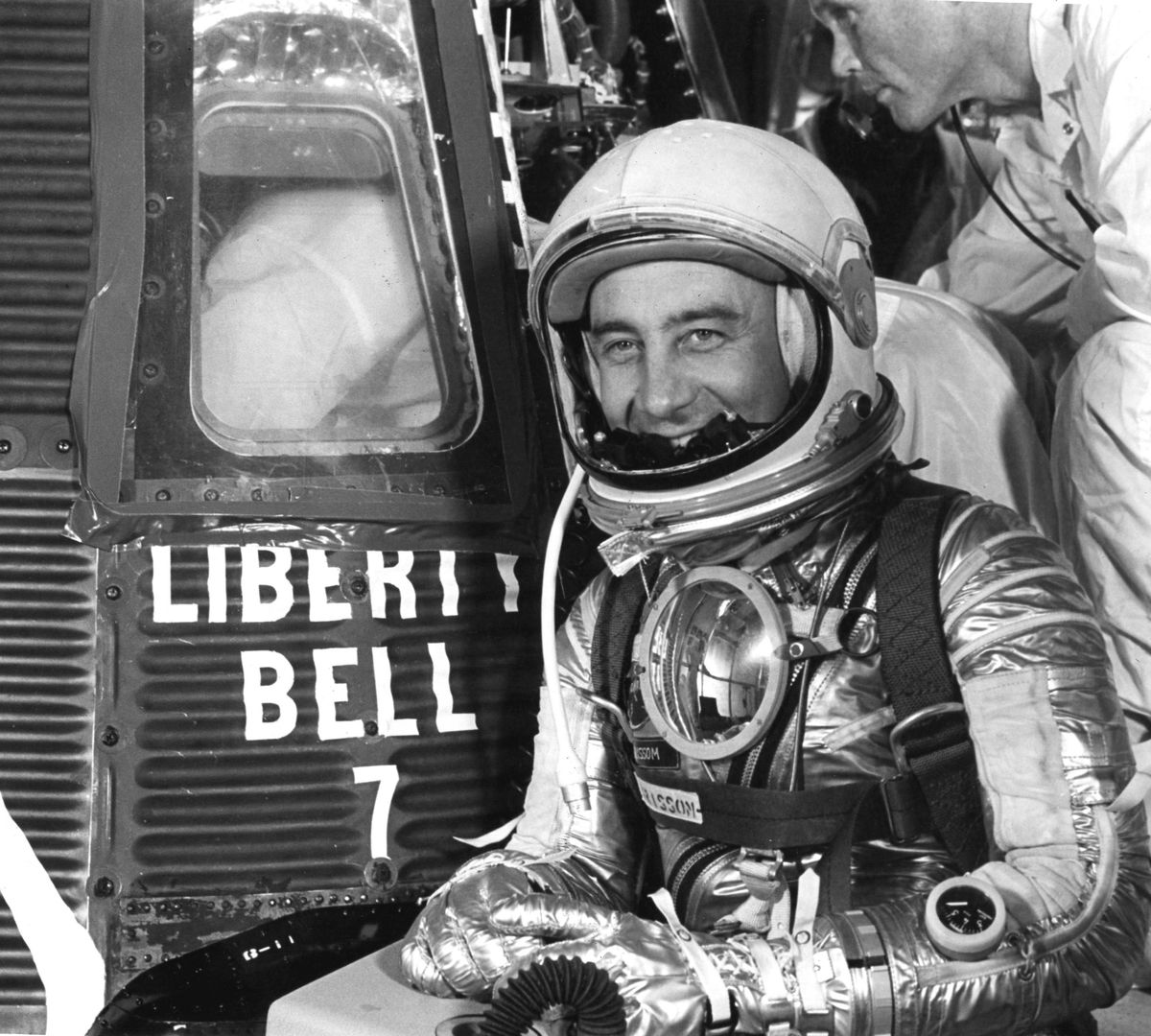
Sixty-four years ago, NASA made a decision that would shape the future of human spaceflight by selecting three astronauts to compete for America's first journey into space
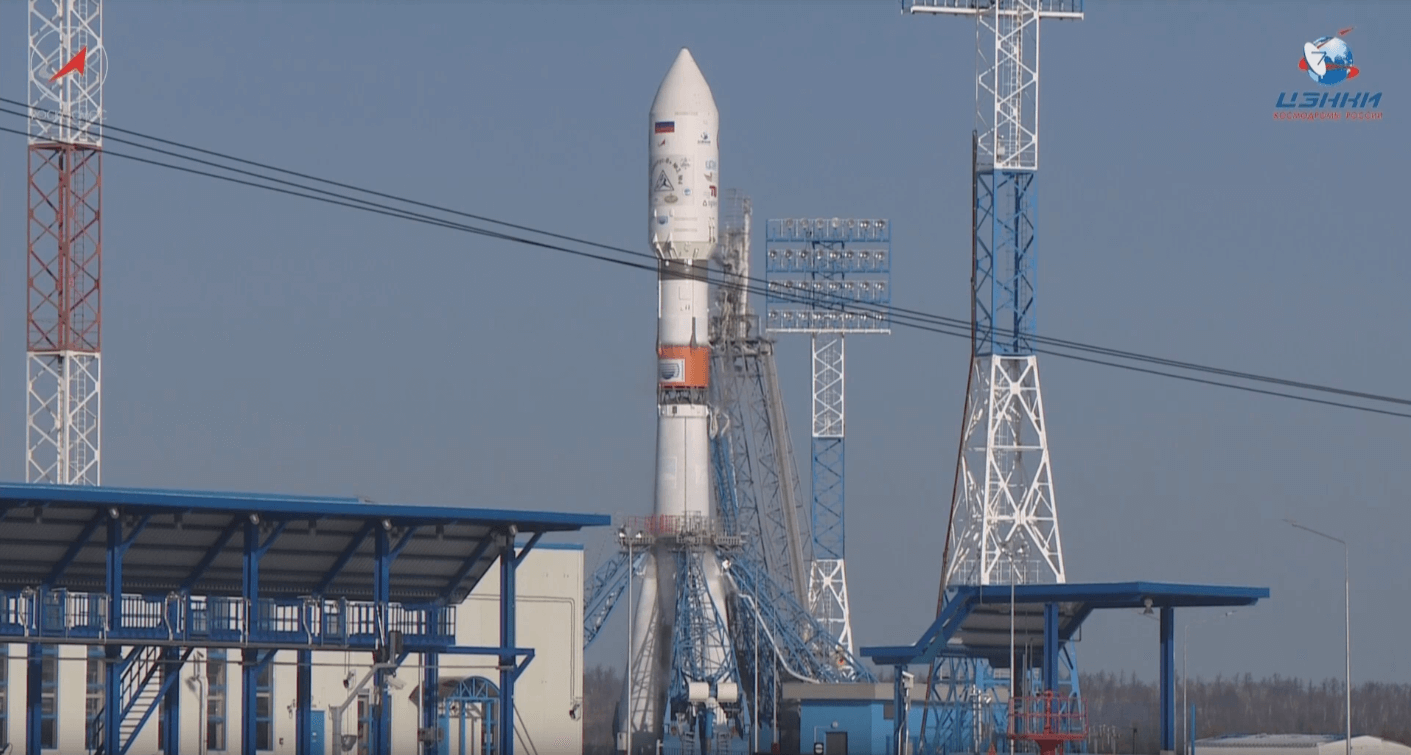
Today's brief covers SES's satellite orchestration, SpaceX's defense role, cyber scorecards in DoD, and more.