


Space Brief 24 Jan 2025
Today's highlights include China's launch of classified TJS-14 satellite, Boeing's defense program losses, and the fourth batch launch of Thousand Sails satellites.


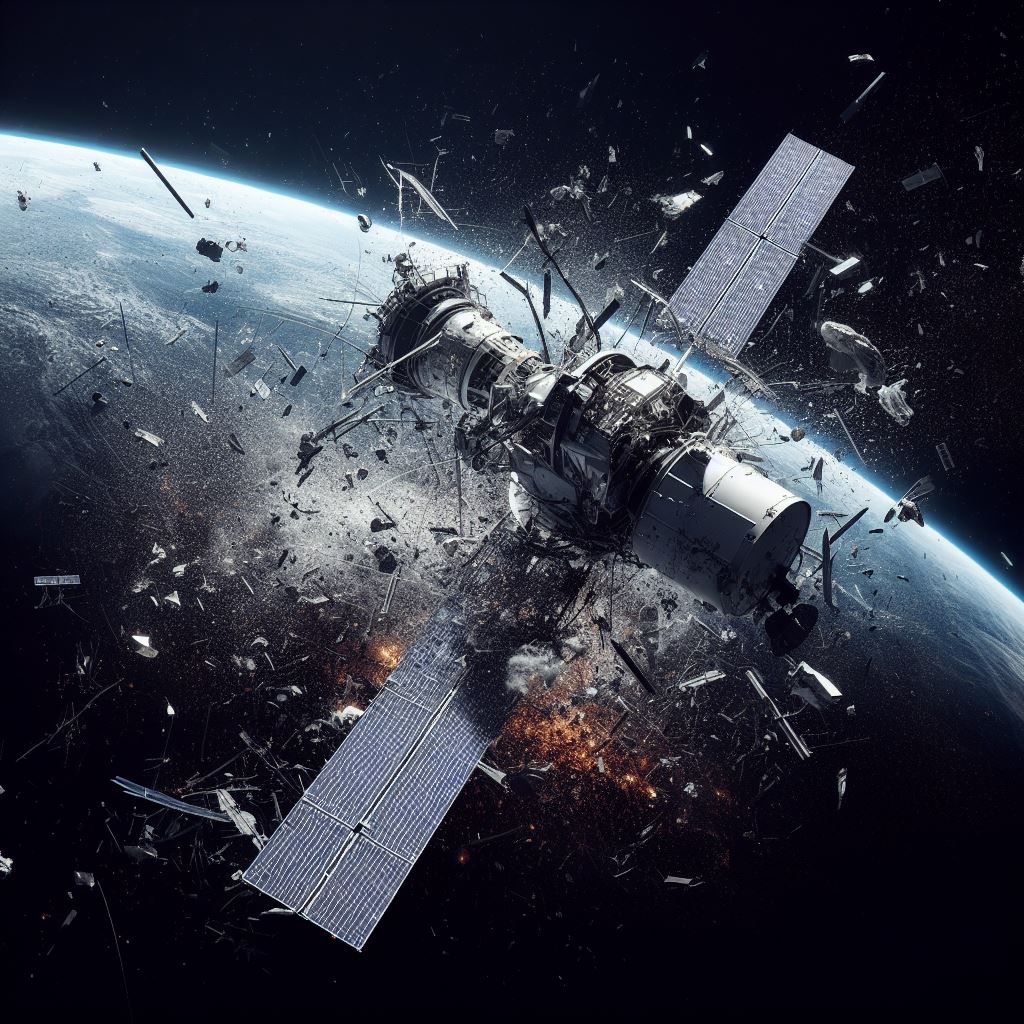
Launch Date
October 14, 1999
Launch Site
TAISC
Launch Pad
LC7
Launch Vehicle
Chang Zheng 4B
NORAD ID
26193
International Designator
1999-057CF
Decay Date
4/17/2025
Name
CZ-4B DEB
Alternative Name
deb CZ-4B Y1
Type
Status
Owner
CNSA
Country
China
Constellation
N/A
Related Satellites
Major Events
N/A
Length
0
Diameter
0
Span
0
Dry Mass
0
Launch Mass
0
Shape
N/A
Radar Cross Section
0.0433
Visual Magnitude
Unknown
Color
Unknown
Material Composition
Unknown
Payload
Unknown
Purpose
Unknown
Mission
Unknown
Manufacturer
Unknown
Life Expectancy
Unknown
Bus
Unknown
Configuration
Unknown
Motor
Unknown
Equipment
Unknown
Power System
Unknown
ADCS
Unknown
Transmitter Frequency
Unknown
Learn more about satellites and other related topics.
Today's highlights include China's launch of classified TJS-14 satellite, Boeing's defense program losses, and the fourth batch launch of Thousand Sails satellites.
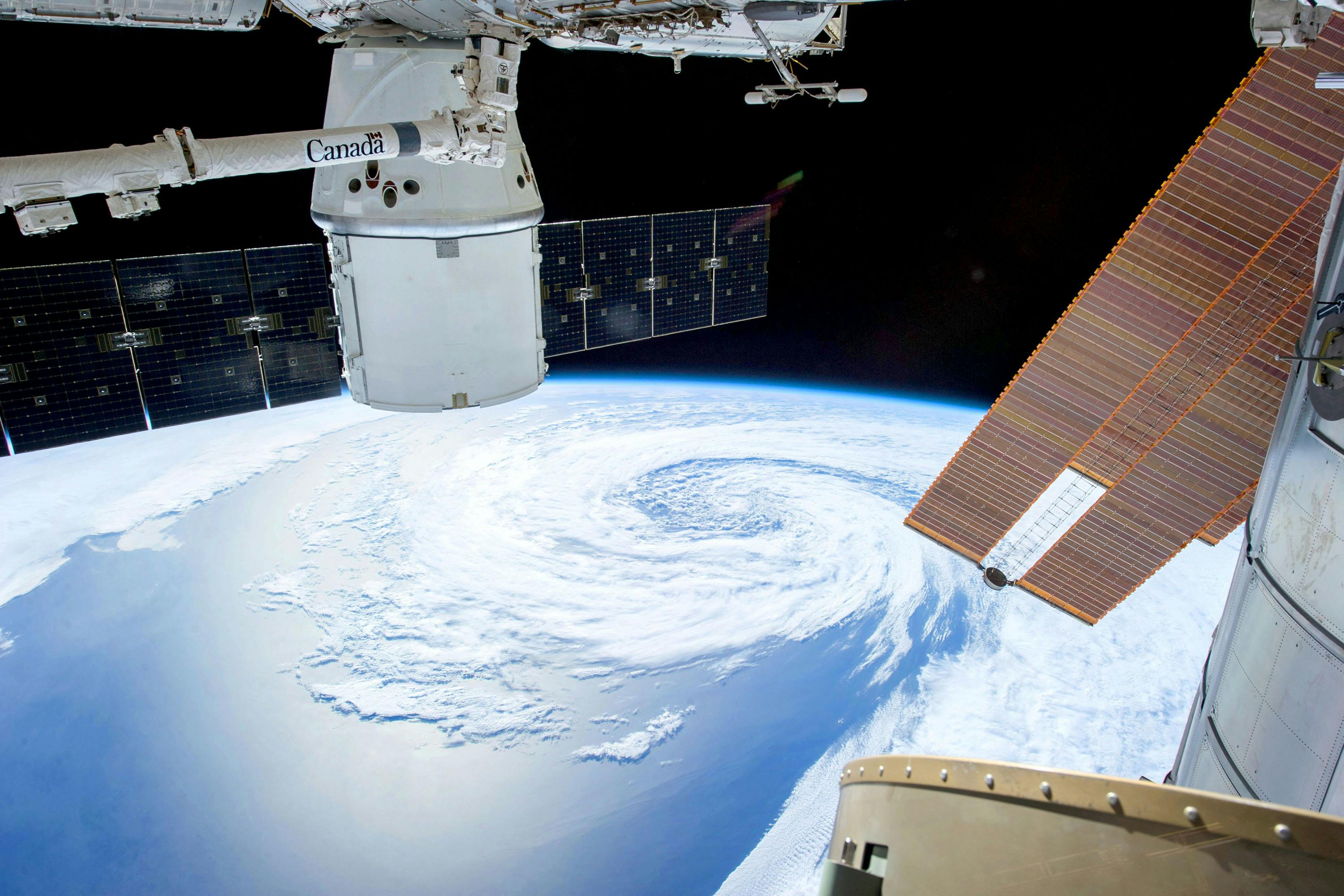
SpaceX edges closer to increased Starship launch approvals, secures lunar rover delivery, eyes potential military collaboration, and continues rapid satellite deployment.
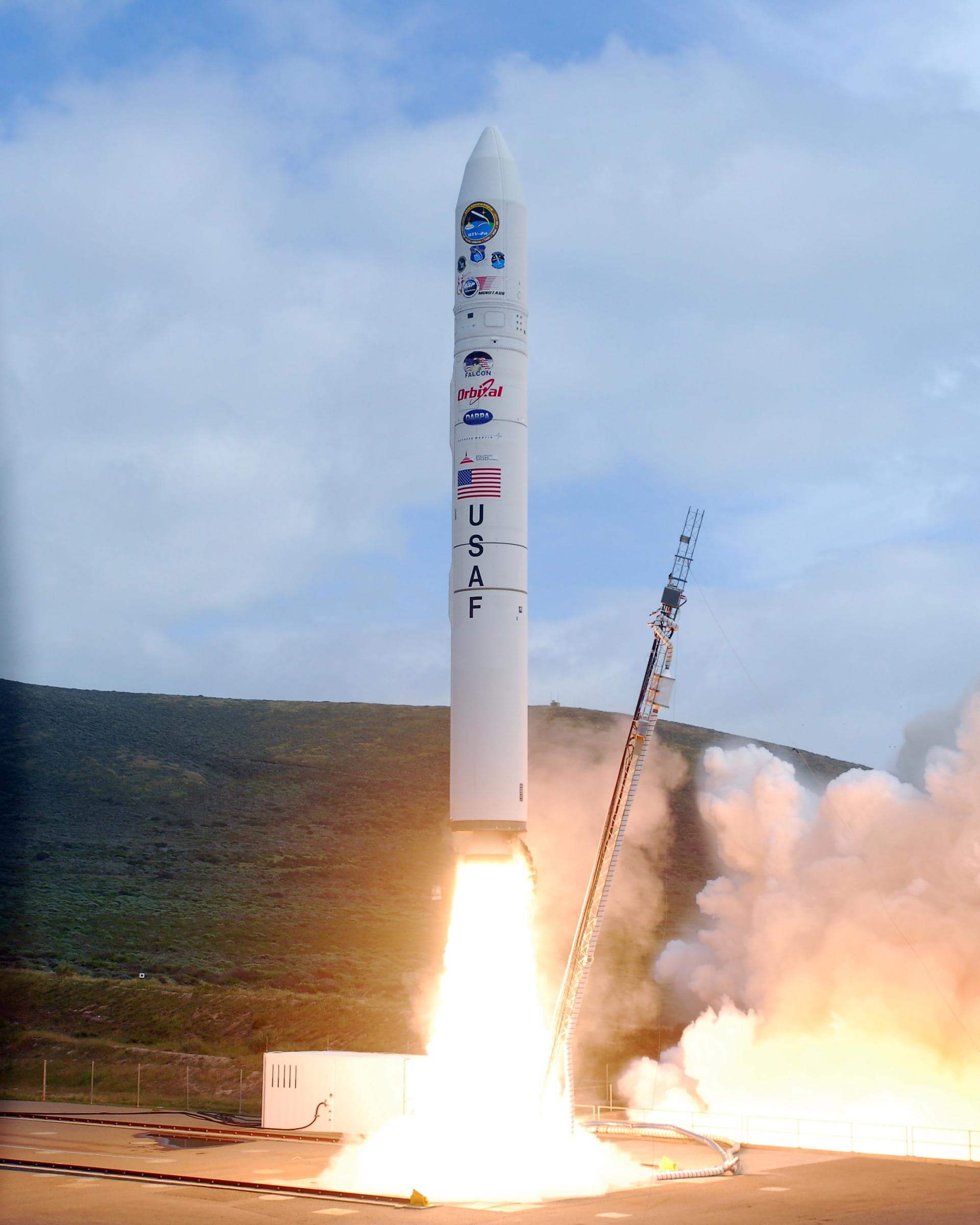
Today's brief covers crucial developments in satellite technology and operations, including new Starlink launches, groundbreaking satellite data on flood waves, and pivotal changes in South African telecom policy driven by Starlink.

Twenty-two years ago, the crew of Space Shuttle Columbia awakened to John Lennon's 'Imagine' and shared a profound message about unity and peace that would become part of their enduring legacy

Air Force awards CCA contracts to General Atomics and Anduril for autonomous fighter wingmen. Autonomy layer split across Anduril, Shield AI, and Collins Aerospace.

Katalyst's Link spacecraft passes key testing milestone ahead of June 2026 launch to rescue NASA's $500M SPARCS telescope. In-space servicing mission will create trackable conjunction risk during approach and docking phase.
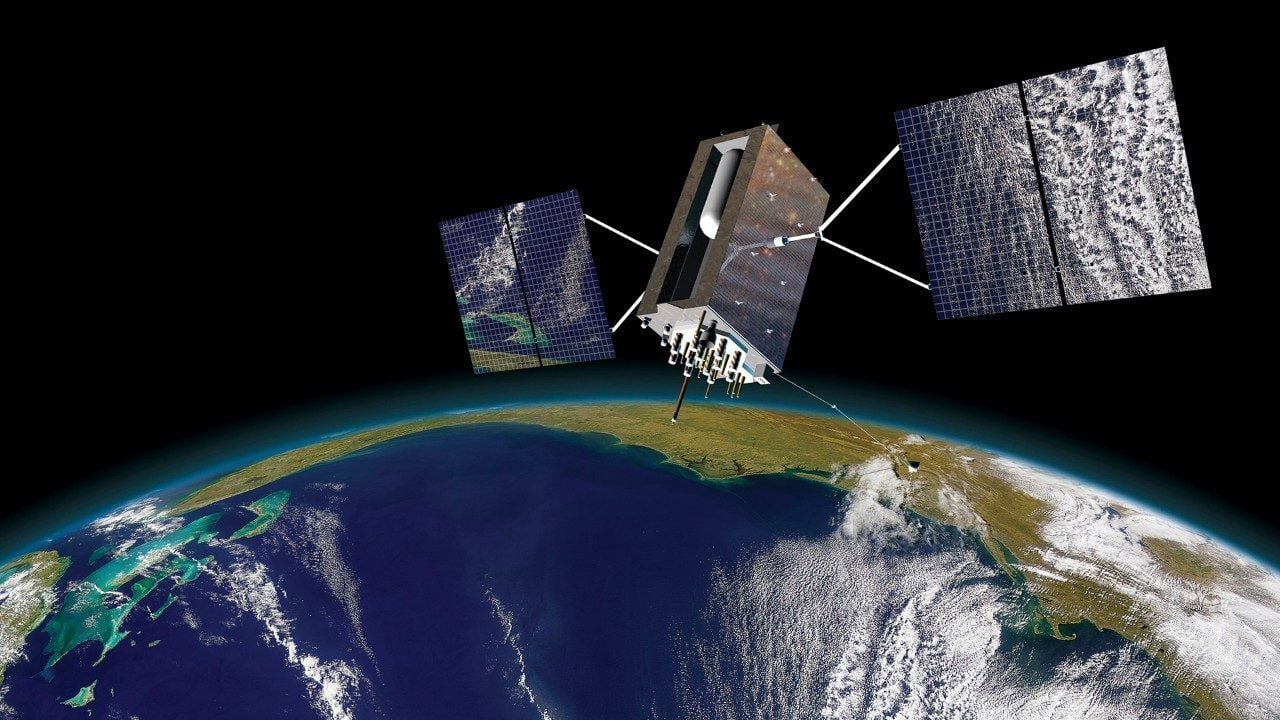
On April 17, 2026, the U.S. Space Force officially cancelled the Next Generation Operational Control System after sixteen years of development, cost overruns, and testing failures. The $8 billion program was supposed to unlock the military's encrypted GPS signal. Instead, the satellites are flying with capabilities the ground can't command.
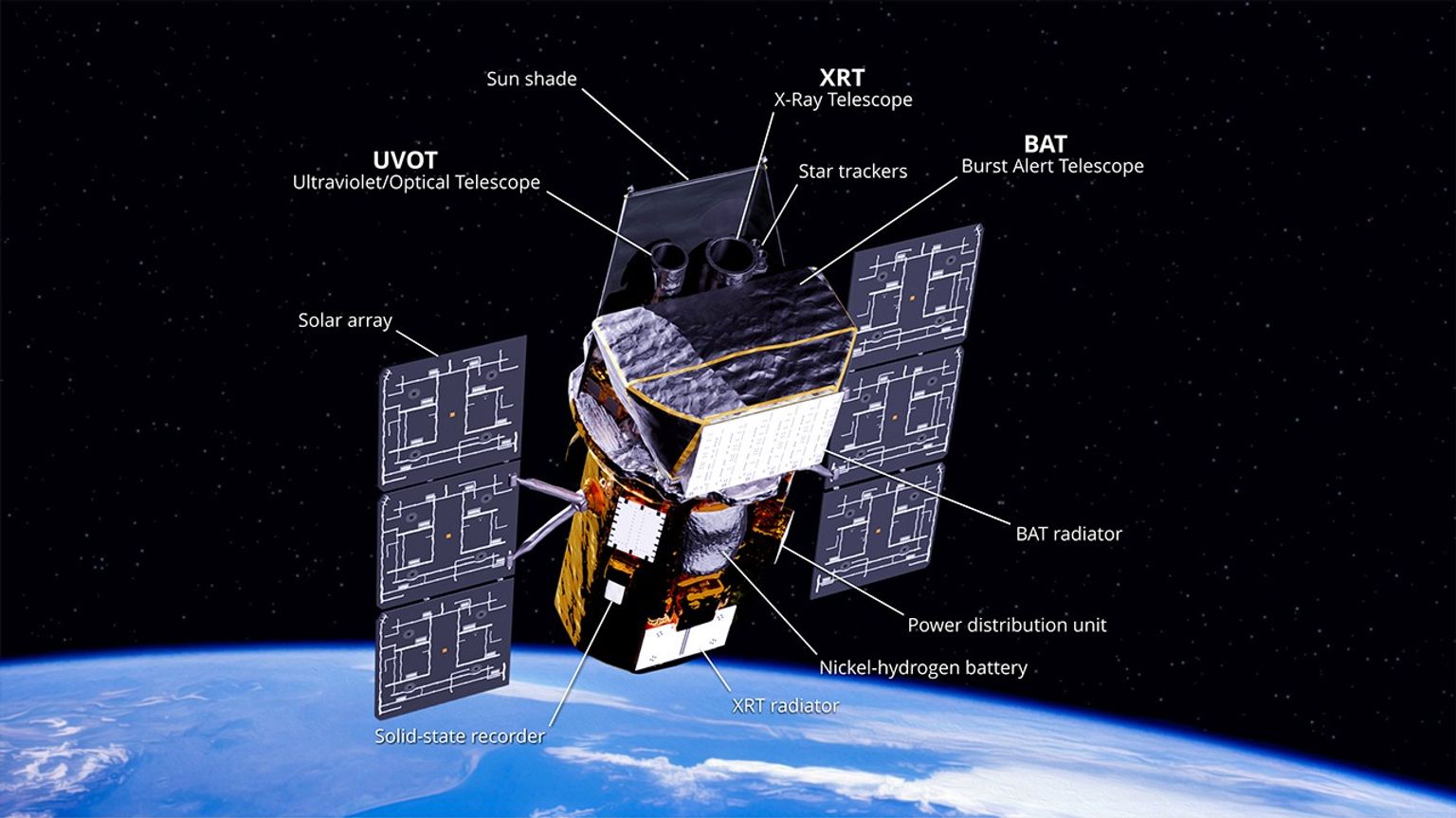
Designed for a two-year mission to catch gamma-ray bursts in the act, Swift is now 21 years old, slowly falling out of the sky, and the subject of an unprecedented private rescue mission. Nobody planned for it to be this hard to let go.