


X Report 16 Apr 2025
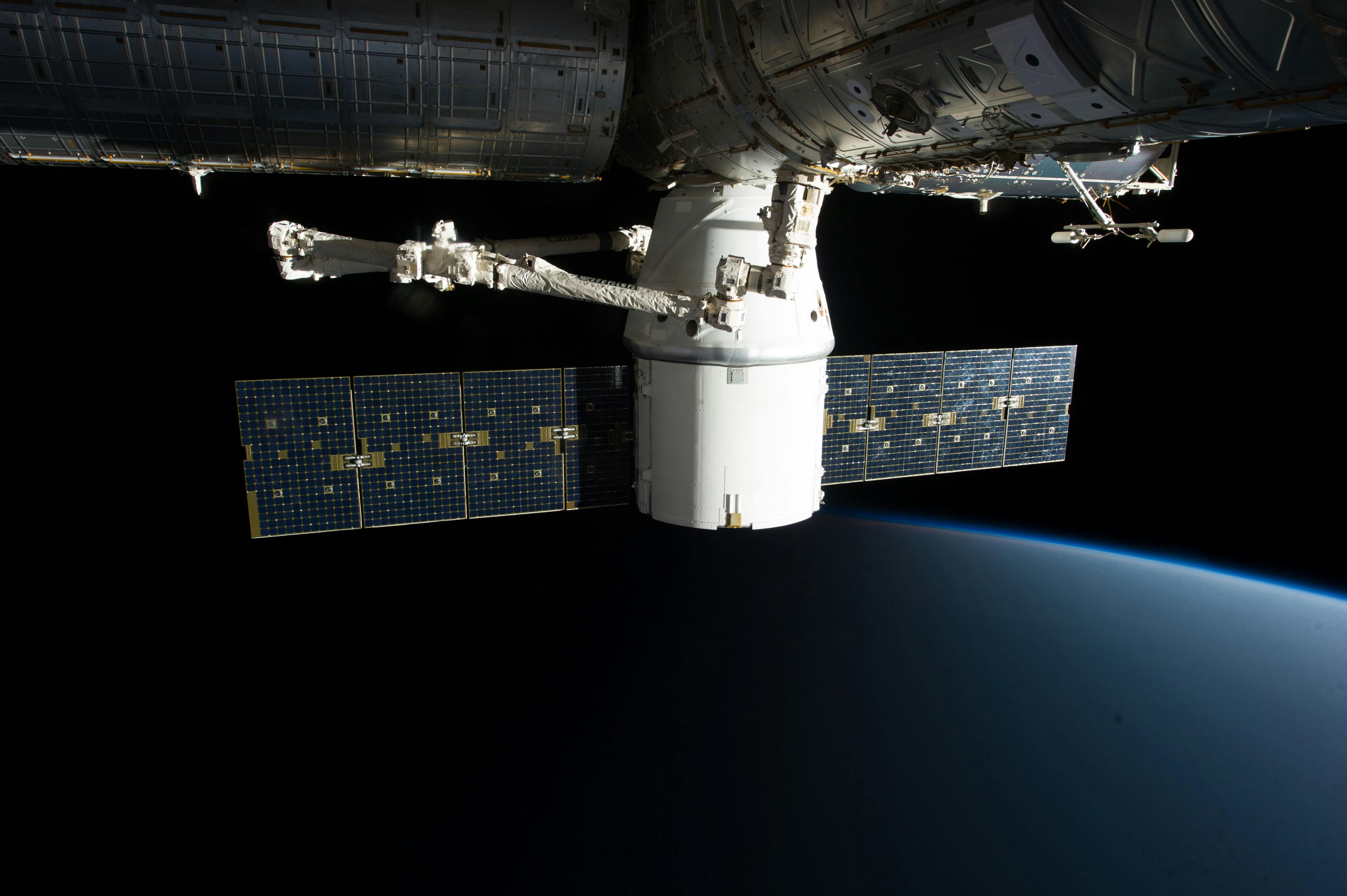
SpaceX gears up for another busy week with a Falcon 9 launch to the ISS while Vast Space expands its Haven-1 payload roster.


Launch Date
March 21, 2000
Launch Site
FRGUI
Launch Pad
ELA3
Launch Vehicle
Ariane 5G
NORAD ID
26107
International Designator
2000-016A
Epoch
Sat, 04 Jul 2026 02:24:37 GMT
Apogee
Calculating...
Perigee
Calculating...
Inclination
9.17°
Right Ascension
57.97°
Eccentricity
Calculating...
Argument of Perigee
46.67°
Period
1436.14 min
Mean Motion
1.00 rev/day
Latitude
Calculating...
Longitude
Calculating...
Altitude
Calculating...
Velocity
Calculating...
Name
ASIASTAR
Alternative Name
Asiastar
Type
Status
Owner
WORSP
Country
United States
Constellation
N/A
Related Satellites
Major Events
N/A
1 26107U 00016A 26185.10043166 -.00000325 00000-0 00000-0 0 9997
2 26107 9.1662 57.9707 0004433 46.6677 318.6207 1.00268745 96091
Source: Celestrak
Length
3
Diameter
1.7
Span
28
Dry Mass
1220
Launch Mass
2777
Shape
Box + 2 Pan
Radar Cross Section
25.1188
Visual Magnitude
Unknown
Color
Unknown
Material Composition
Unknown
Payload
Asiastar
Purpose
Communication
Mission
Communication
Manufacturer
ASTT
Life Expectancy
12 years
Bus
Eurostar 2000+
Configuration
Eurostar-2000+
Motor
R-4D-11-300
Equipment
3 L-band transponders
Power System
2 deployable solar arrays, batteries
ADCS
Unknown
Transmitter Frequency
Unknown
Learn more about satellites and other related topics.
SpaceX gears up for another busy week with a Falcon 9 launch to the ISS while Vast Space expands its Haven-1 payload roster.

Today's space news roundup highlights a significant defense bill passed for the Space Force, a delay in the Axiom-4 mission due to ISS issues, and major satellite deals with NATO.
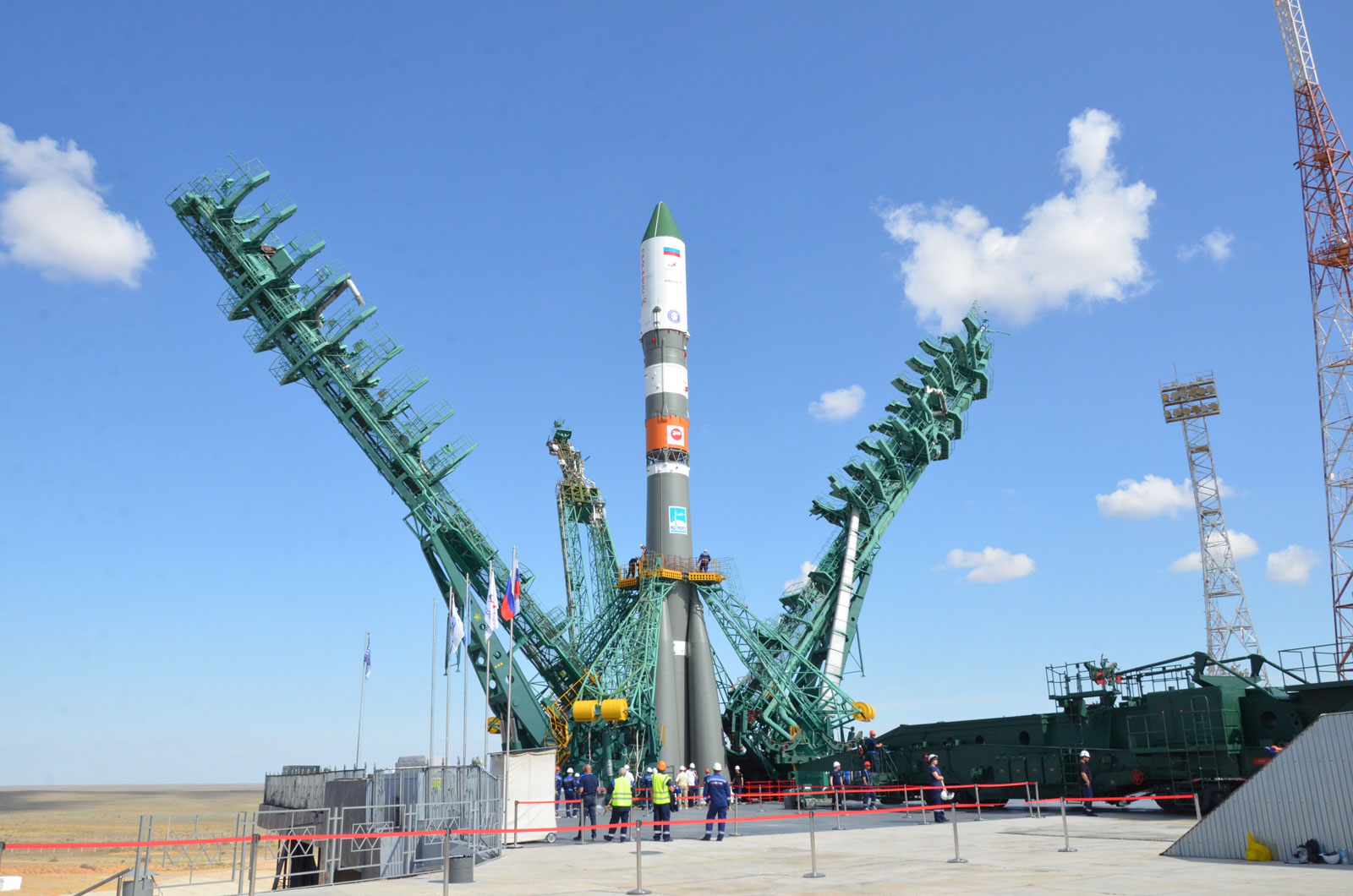
Space Force expands National Security Space Launch Phase 3 with Relativity Space and Impulse Space joining Lane 1 competition. New entrants gain pathway to military payload contracts.

SpaceX successfully launched the Sentinel-6B satellite, marking a significant milestone as its 500th mission with a reused rocket, furthering global sea level monitoring efforts.
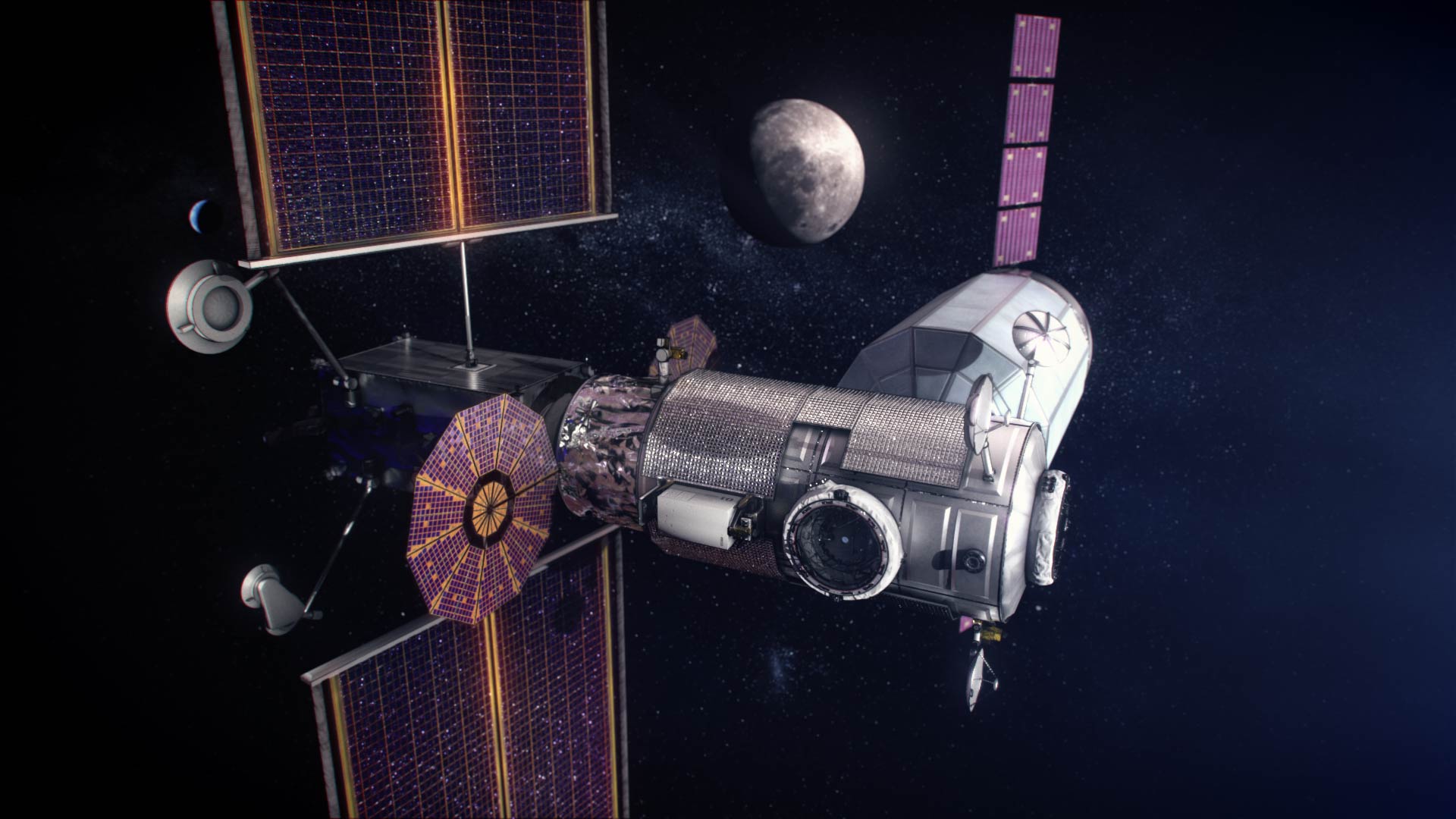
The volume of space between Earth and the Moon is roughly a thousand times larger than the orbit we actually watch, and almost none of it is under surveillance. As the U.S. and China race to build lunar outposts, the Space Force is scrambling to put eyes on a region it has been effectively blind to.

SpaceX lands Falcon 9 in The Bahamas for the second time ever during Starlink 10-34 mission. Scientists measure rocket reentry air pollution in real-time for the first time.

SpaceX successfully launched its 60th mission of the year, deploying 27 Starlink satellites from California. The company continues to hit milestones, confirming its dominance in spaceflight as Elon Musk acknowledges the achievement. Spire also expands its partnership with Deloitte to enhance cybersecurity in orbit.
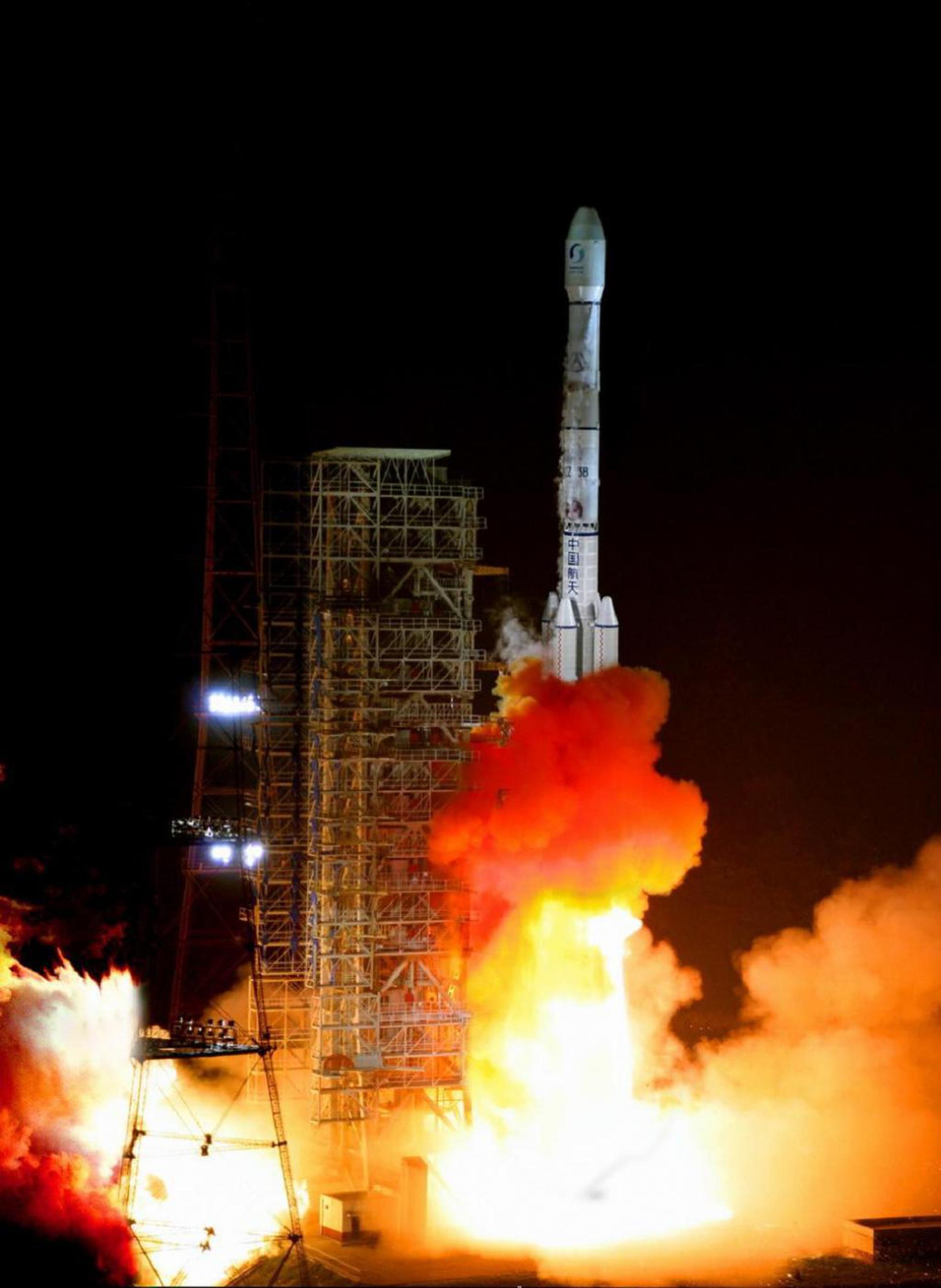
Today's space brief covers new ultraviolet data from the Europa Clipper, challenges in managing space debris, quantum advances in satellite technology, as well as a failed Indian satellite launch and more.