


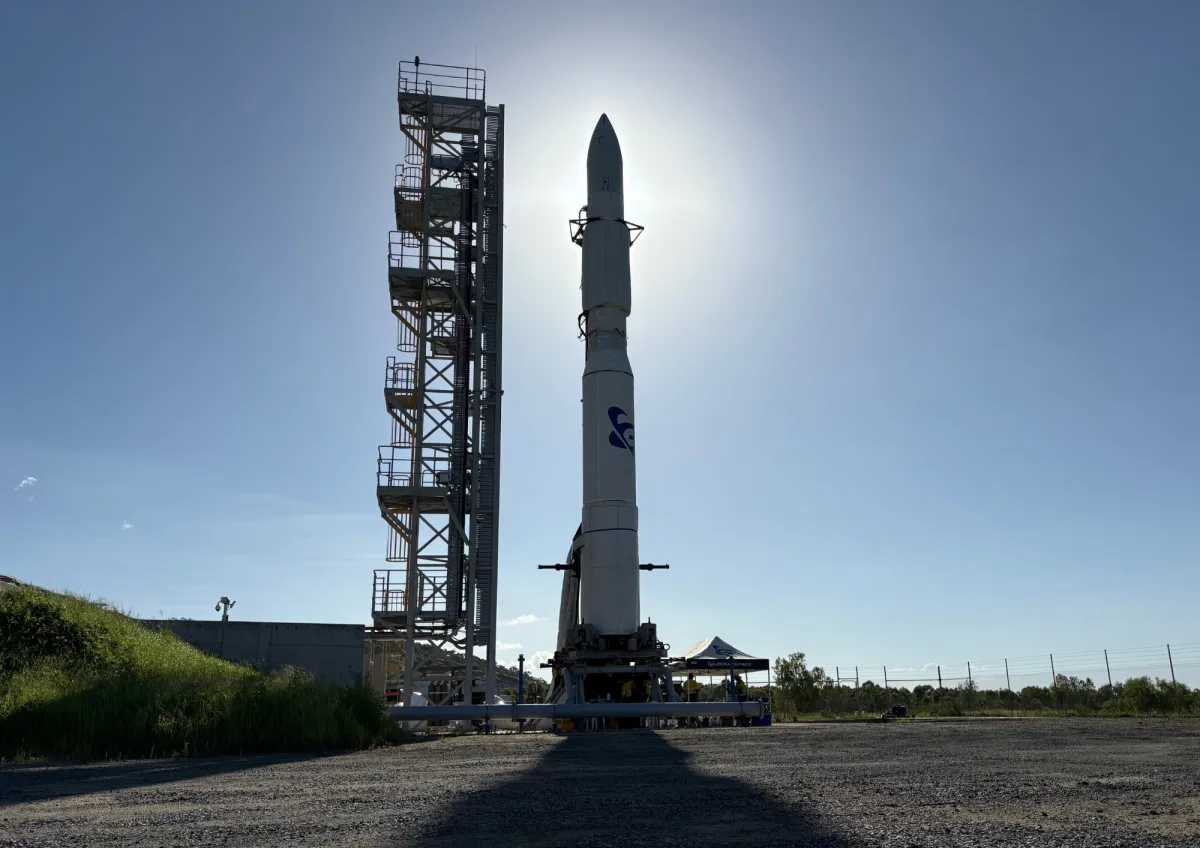
Space Brief 28 Jun 2025
Today's brief covers a Pentagon review of satellite launch options, Kongsberg's completed maritime satellite network, York's new satellite launch, DARPA's project cancellation, and more.


Launch Date
January 27, 2000
Launch Site
AFWTR
Launch Pad
SLC8
Launch Vehicle
Minotaur I
NORAD ID
26093
International Designator
2000-004L
Epoch
Fri, 03 Jul 2026 08:06:00 GMT
Apogee
Calculating...
Perigee
Calculating...
Inclination
100.19°
Right Ascension
335.69°
Eccentricity
Calculating...
Argument of Perigee
168.31°
Period
98.27 min
Mean Motion
14.65 rev/day
Latitude
Calculating...
Longitude
Calculating...
Altitude
Calculating...
Velocity
Calculating...
Name
PICOSAT 5
Alternative Name
JAK
Type
Status
Owner
SCU
Country
United States
Constellation
N/A
Related Satellites
Major Events
N/A
1 26093U 00004L 26184.33750209 .00003247 00000-0 61221-3 0 9995
2 26093 100.1944 335.6917 0023811 168.3119 191.8635 14.65304514394810
Source: Celestrak
Length
0.025
Diameter
0.102
Span
0.102
Dry Mass
0.2
Launch Mass
0.2
Shape
Box
Radar Cross Section
0.035
Visual Magnitude
Unknown
Color
Unknown
Material Composition
Unknown
Payload
Picosat 5
Purpose
Experimental
Mission
Experimental
Manufacturer
SCU
Life Expectancy
Unknown
Bus
Picosat
Configuration
Box with deployable antenna
Motor
None
Equipment
?
Power System
Solar cells, batteries
ADCS
Unknown
Transmitter Frequency
Unknown
Learn more about satellites and other related topics.
Today's brief covers a Pentagon review of satellite launch options, Kongsberg's completed maritime satellite network, York's new satellite launch, DARPA's project cancellation, and more.
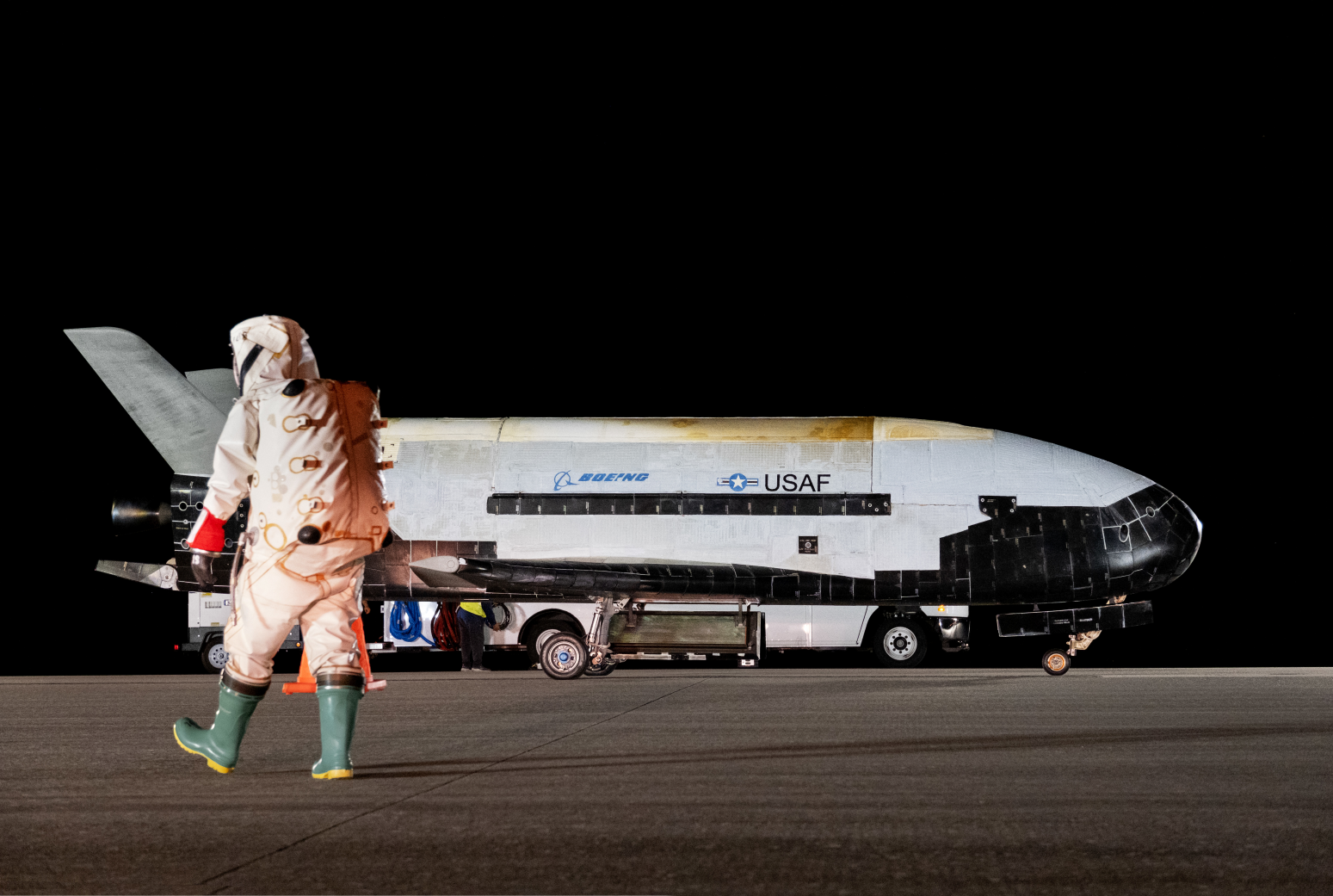
On April 22, 2010, an Atlas V lifted off from Cape Canaveral carrying a reusable robotic spaceplane so secret that the Air Force would not even confirm its mission duration. It came back 224 days later, lighter, quieter, and more operational than anyone outside Washington had expected. Fifteen years later, the X-37B is still flying, and the military still will not say what it does.

Today's highlights include China's launch of classified TJS-14 satellite, Boeing's defense program losses, and the fourth batch launch of Thousand Sails satellites.

SpaceX gears up for significant 2026 launches while a Starlink satellite anomaly provides insights into its operations.
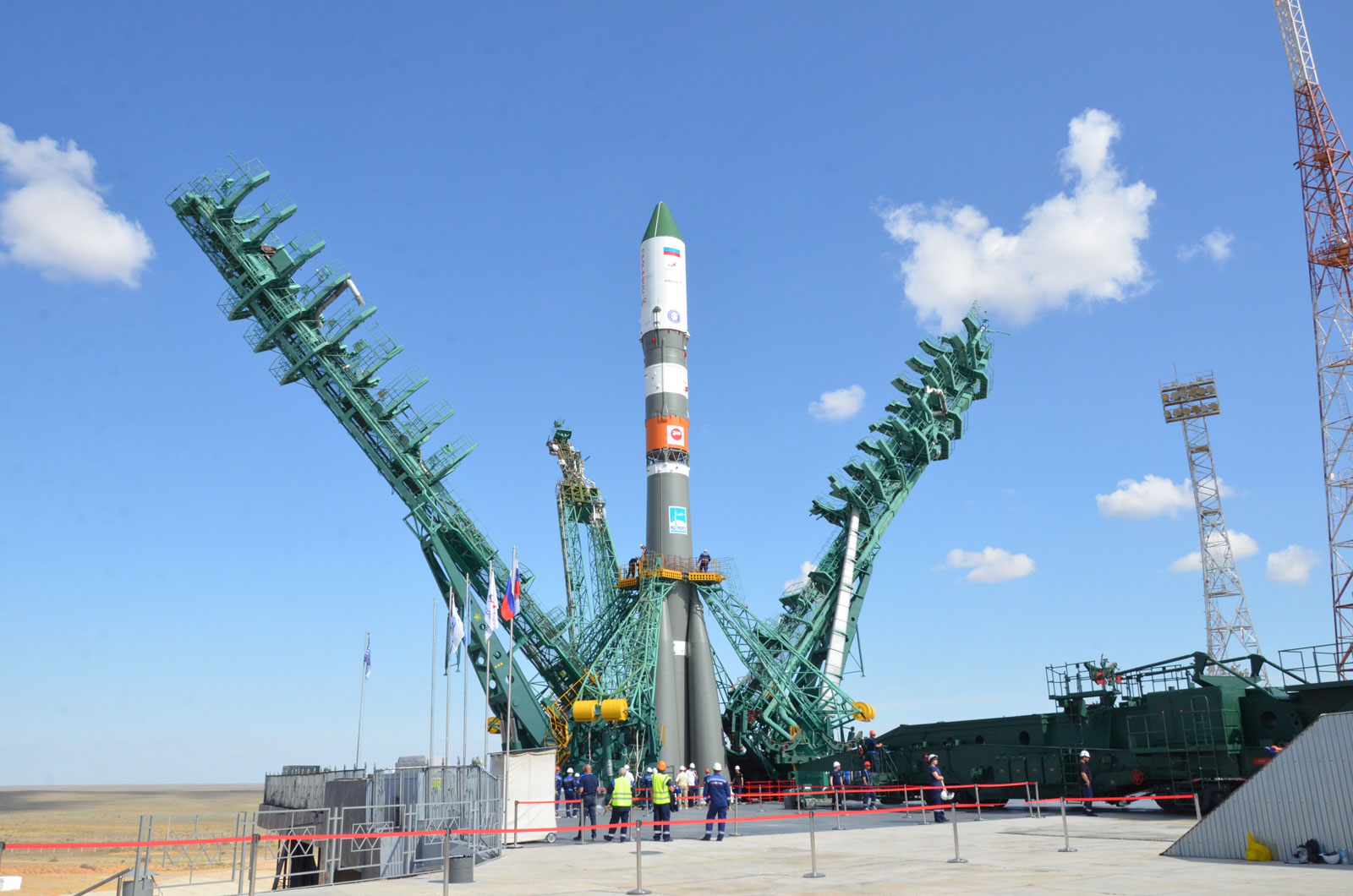
Space Force expands National Security Space Launch Phase 3 with Relativity Space and Impulse Space joining Lane 1 competition. New entrants gain pathway to military payload contracts.

Today's edition covers China's latest launches in their classified satellite programs, ongoing discussions in the U.S. Senate on missile defense, and the ever-escalating space debris crisis threatening national security.
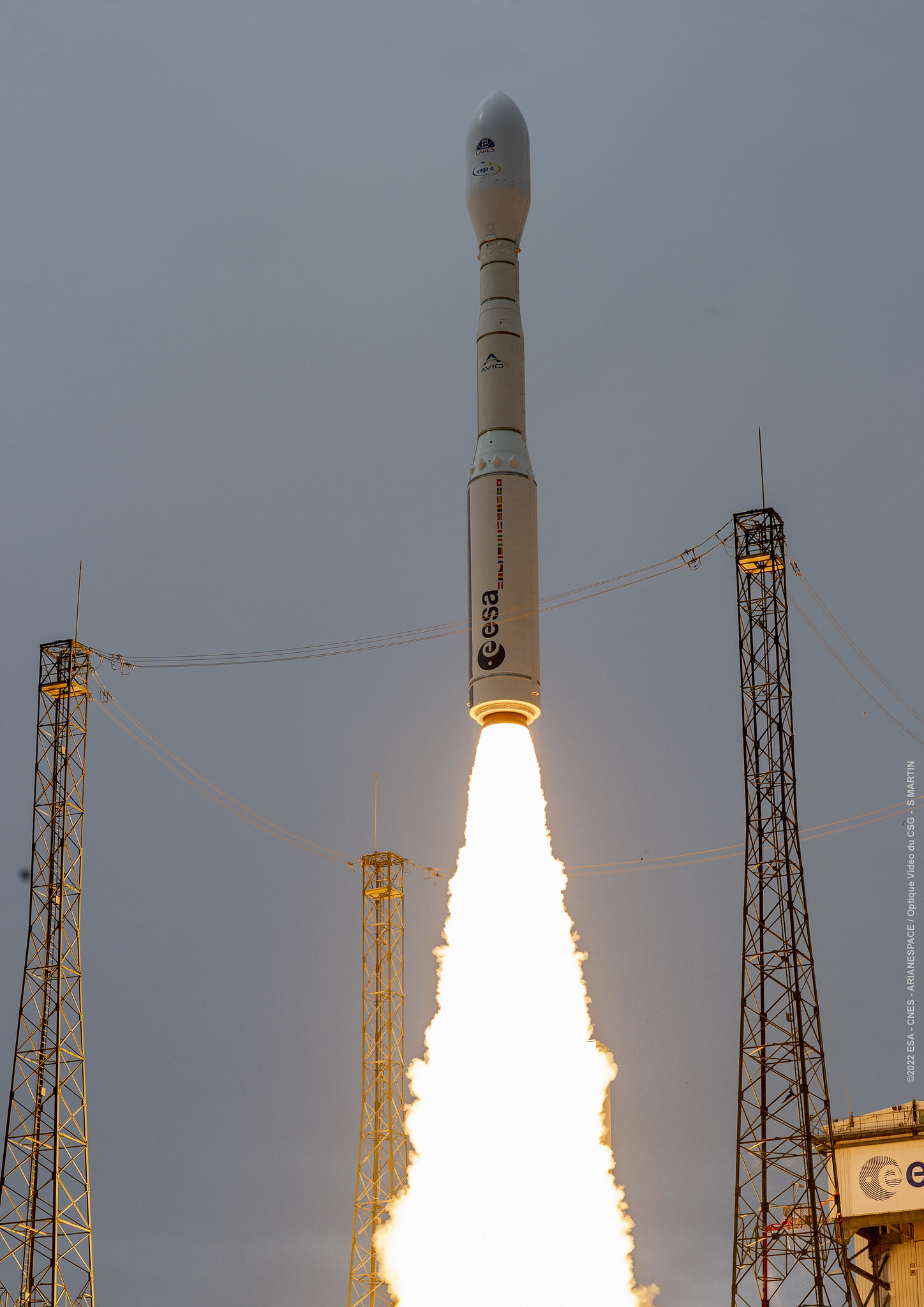
Today's brief covers South Korea's fourth spy satellite launch, potential changes in drone deployment strategies by the US Air Force, and the largest-ever spectrum-sharing demonstration set by the Pentagon.
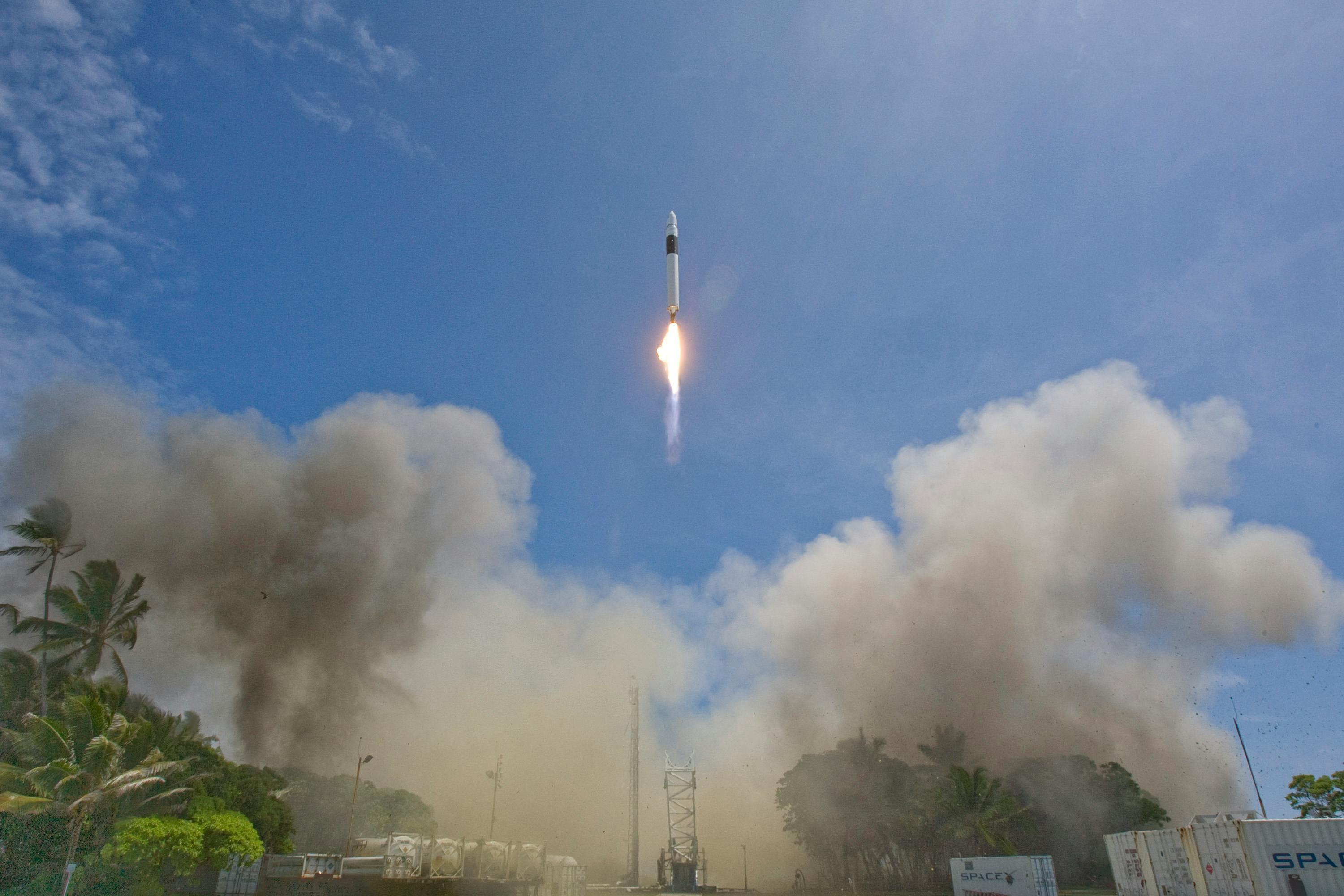
SpaceX's Starlink V2 promises 100x data density for 5G direct-to-phone service. Deutsche Telekom targets 10 European countries by 2028.