


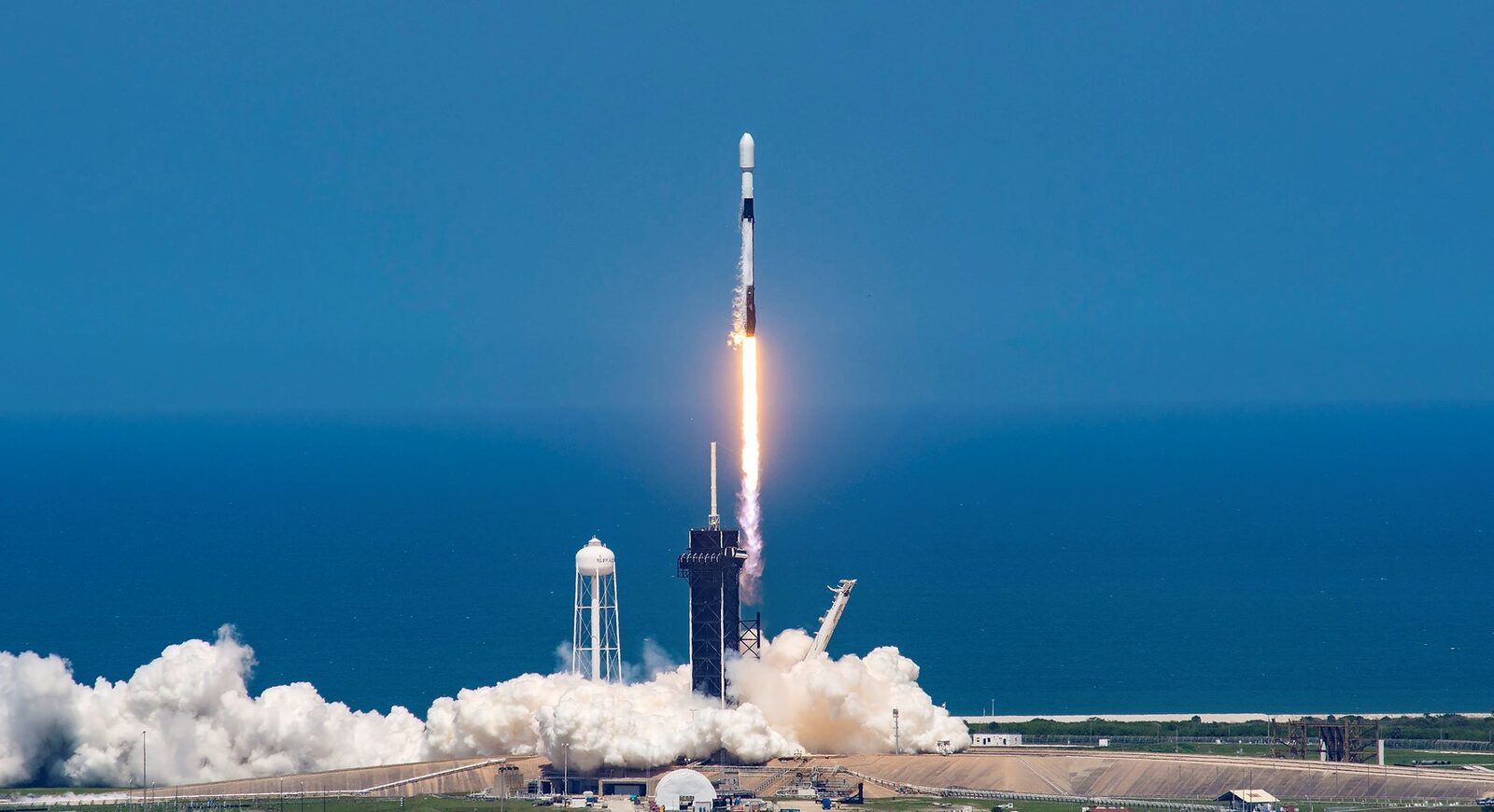
Long March 10B Debut Highlights 4-Launch Week | KeepTrack Week in Review
This week: China's Long March 10B debuted successfully, SpaceX merged with xAI, and Starlink topped 10,775 satellites in orbit.


![PICOSAT 1 & 2 [TETHERED] Satellite Image](/images/sat/26080.jpg)
Launch Date
January 27, 2000
Launch Site
AFWTR
Launch Pad
SLC8
Launch Vehicle
Minotaur I
NORAD ID
26080
International Designator
2000-004H
Epoch
Fri, 03 Jul 2026 08:26:29 GMT
Apogee
Calculating...
Perigee
Calculating...
Inclination
100.21°
Right Ascension
223.59°
Eccentricity
Calculating...
Argument of Perigee
117.30°
Period
99.47 min
Mean Motion
14.48 rev/day
Latitude
Calculating...
Longitude
Calculating...
Altitude
Calculating...
Velocity
Calculating...
Name
PICOSAT 1 & 2 [TETHERED]
Alternative Name
Picosat 1
Type
Status
Owner
DARPA2
Country
United States
Constellation
N/A
Related Satellites
Major Events
N/A
1 26080U 00004H 26184.35173303 .00000681 00000-0 20013-3 0 9990
2 26080 100.2132 223.5911 0030241 117.3043 243.1228 14.47742827389254
Source: Celestrak
Length
0.025
Diameter
0.102
Span
30
Dry Mass
0.25
Launch Mass
0.25
Shape
2 Box + Tether
Radar Cross Section
0.0128
Visual Magnitude
Unknown
Color
Unknown
Material Composition
Unknown
Payload
MEMS 1
Purpose
Experimental
Mission
Experimental
Manufacturer
AERO
Life Expectancy
Unknown
Bus
Picosat
Configuration
Box
Motor
None
Equipment
Tether
Power System
Batteries
ADCS
Unknown
Transmitter Frequency
Unknown
Learn more about satellites and other related topics.
This week: China's Long March 10B debuted successfully, SpaceX merged with xAI, and Starlink topped 10,775 satellites in orbit.
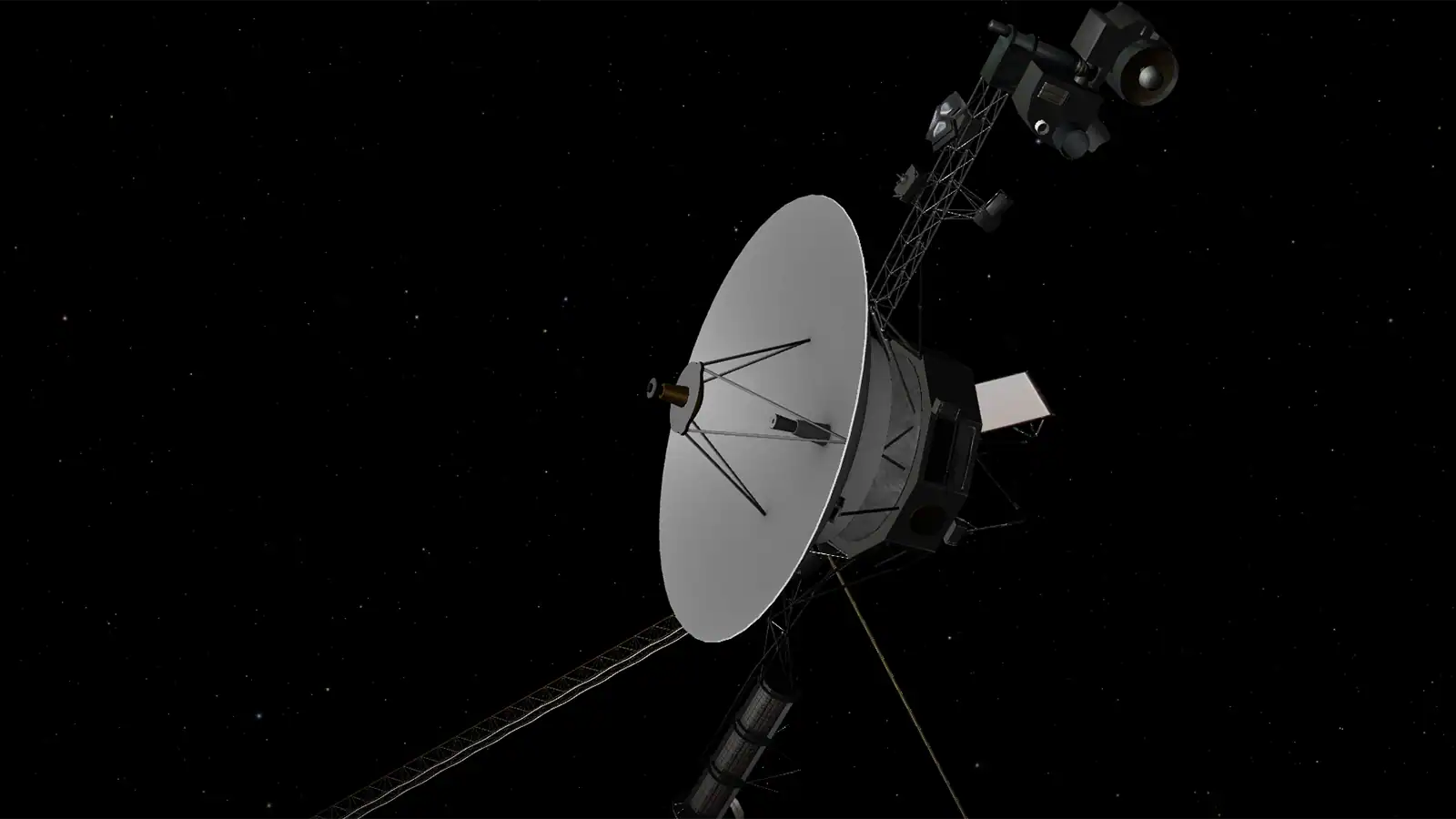
In November 2023, Earth's most distant spacecraft started speaking gibberish. Five months, one dead memory chip, and 30 billion miles of round-trip troubleshooting later, engineers got it talking again - using code written before most of them were born.
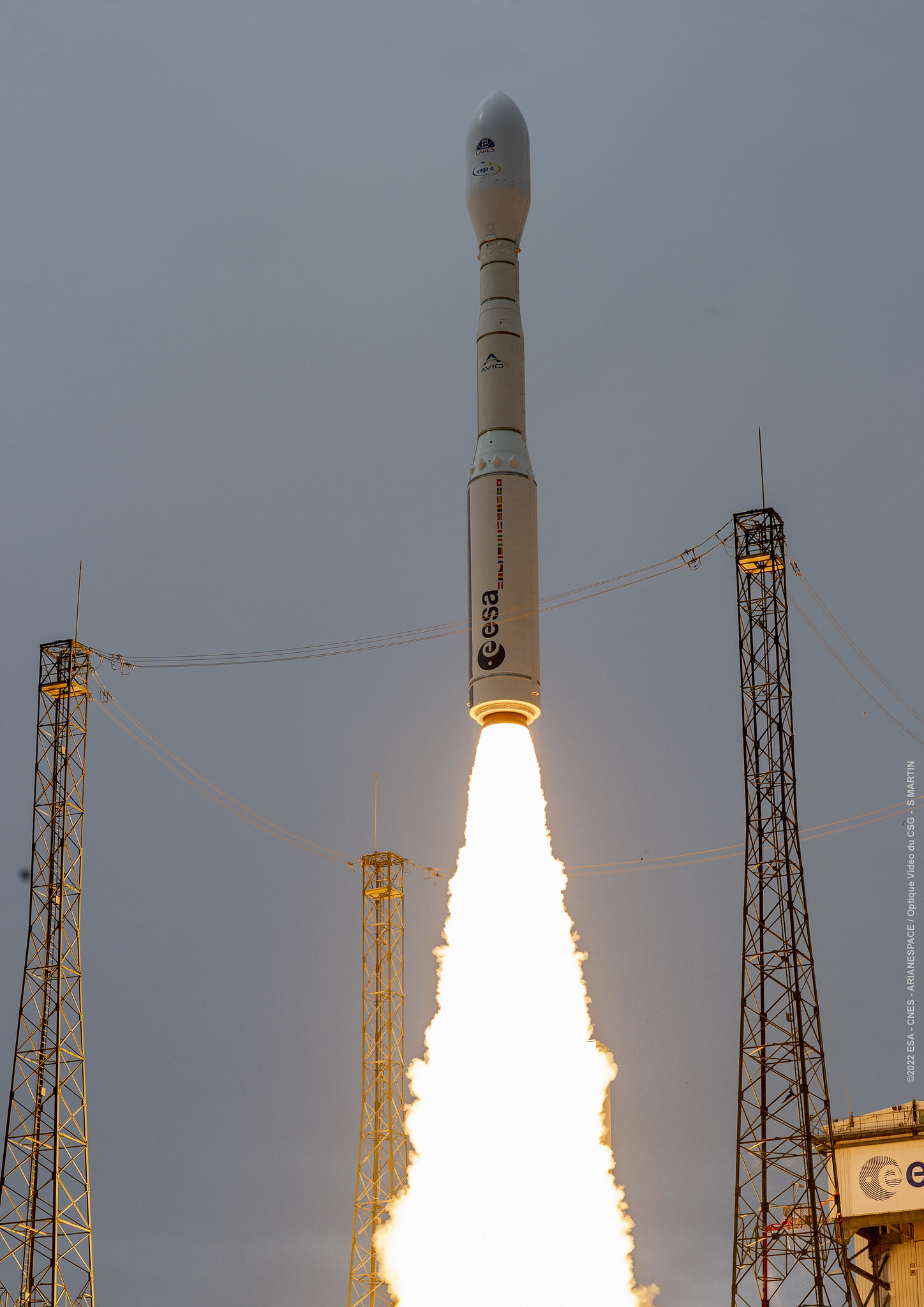
Today's briefing covers the largest-ever spectrum sharing demo planned by the Pentagon, innovative strategies for drone deployment in the Air Force, and significant military procurement developments.

An analysis of Russia's independent space tracking system and how it compares to the established U.S. Space Surveillance Network

Musk confirms Starmind, an AI satellite constellation targeting 1 million orbital compute nodes. Starfall's debut and Dragon's ISS departure follow.

SpaceX's Falcon 9 launches SpainSat NG-1 satellite as Starlink compatibility causes market ripples.
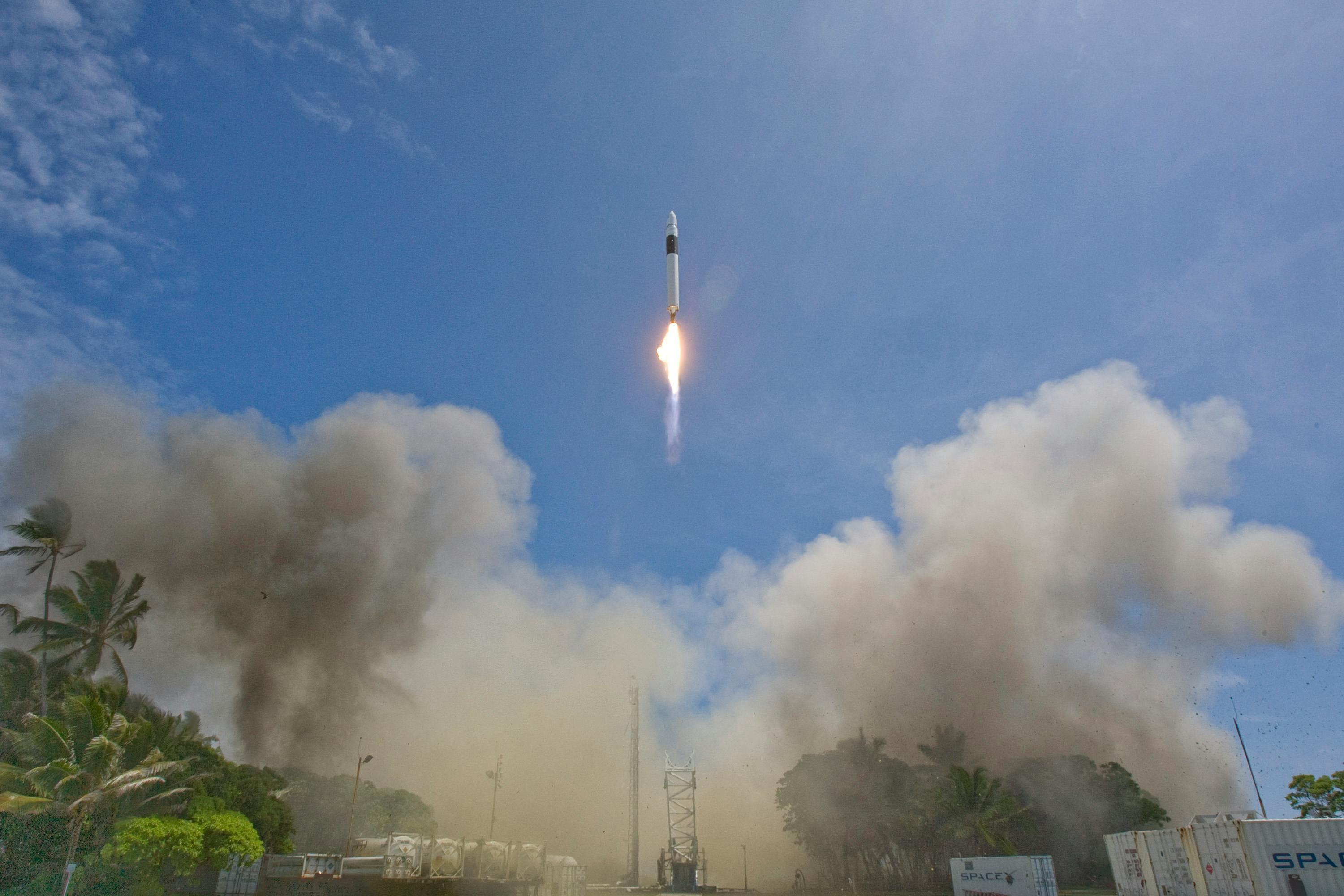
SpaceX's Starlink V2 promises 100x data density for 5G direct-to-phone service. Deutsche Telekom targets 10 European countries by 2028.
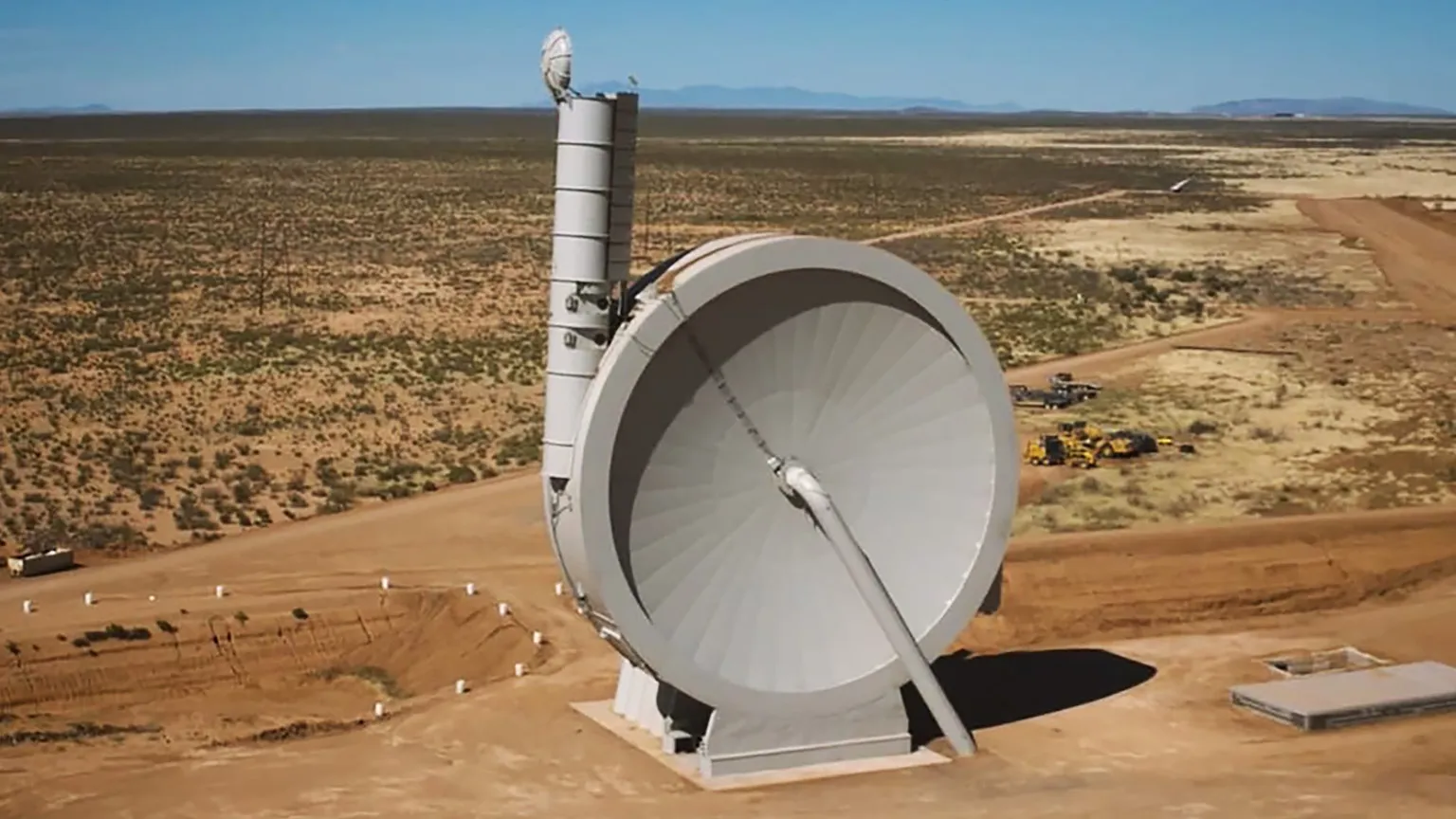
How a California startup's massive centrifuge could transform space access by eliminating rocket fuel, reducing costs by 70%, and enabling daily satellite launches - if it can overcome the physics of scaling from suborbital tests to orbital reality