



Space Brief 17 Aug 2025
Today's space news features major US Space Force satellite launches, regulatory changes supporting private space initiatives, and updates on SpaceX's Starship advances.


Launch Date
December 4, 1999
Launch Site
ERAS
Launch Pad
RW22
Launch Vehicle
Pegasus XL/HAPS
NORAD ID
25984
International Designator
1999-065E
Epoch
Sat, 04 Jul 2026 02:46:06 GMT
Apogee
Calculating...
Perigee
Calculating...
Inclination
45.04°
Right Ascension
79.22°
Eccentricity
Calculating...
Argument of Perigee
42.92°
Period
100.05 min
Mean Motion
14.39 rev/day
Latitude
Calculating...
Longitude
Calculating...
Altitude
Calculating...
Velocity
Calculating...
Name
ORBCOMM FM36
Alternative Name
Orbcomm D8
Type
Status
Owner
ORBC
Country
United States
Constellation
N/A
Related Satellites
Major Events
N/A
1 25984U 99065E 26185.11535612 .00001230 00000-0 43876-3 0 9990
2 25984 45.0389 79.2210 0003868 42.9227 317.1923 14.39232229389420
Source: Celestrak
Length
0.2
Diameter
1
Span
4.3
Dry Mass
44
Launch Mass
44
Shape
Cyl + 2 Pan + Ant
Radar Cross Section
0.5581
Visual Magnitude
Unknown
Color
Unknown
Material Composition
Unknown
Payload
Orbcomm FM36
Purpose
Communication M2M/IoT
Mission
Communication M2M/IoT
Manufacturer
OSCG
Life Expectancy
4 years
Bus
Microstar
Configuration
MicroStar
Motor
?
Equipment
Orbcomm payload
Power System
2 deployable solar arrays, batteries
ADCS
Unknown
Transmitter Frequency
Unknown
Learn more about satellites and other related topics.
Today's space news features major US Space Force satellite launches, regulatory changes supporting private space initiatives, and updates on SpaceX's Starship advances.
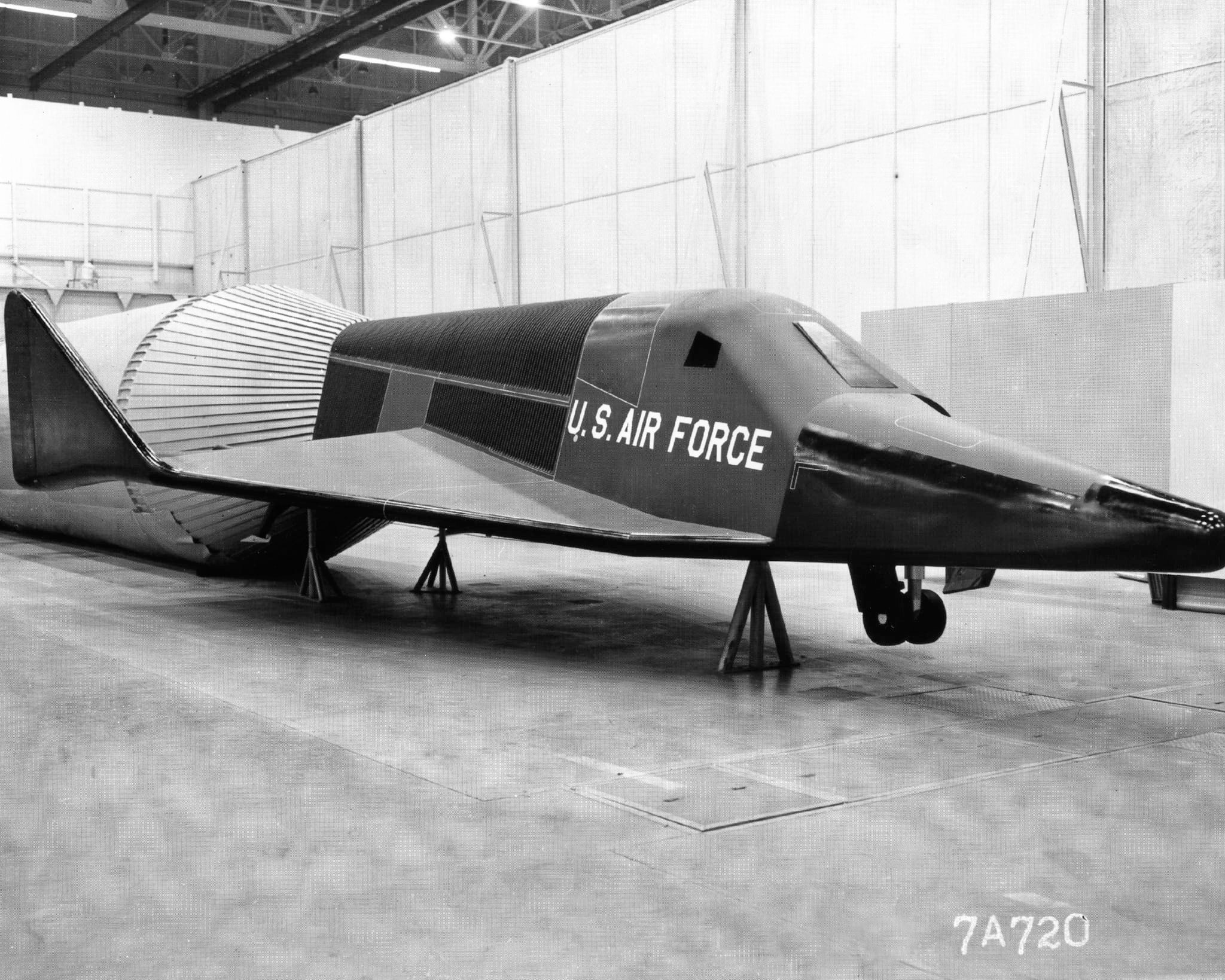
Exactly 62 years ago, Defense Secretary Robert McNamara ended the X-20 Dyna-Soar program, canceling one of the most ambitious spaceplane projects of the early Space Race - a vehicle that could have put aircraft in orbit decades before the Space Shuttle.
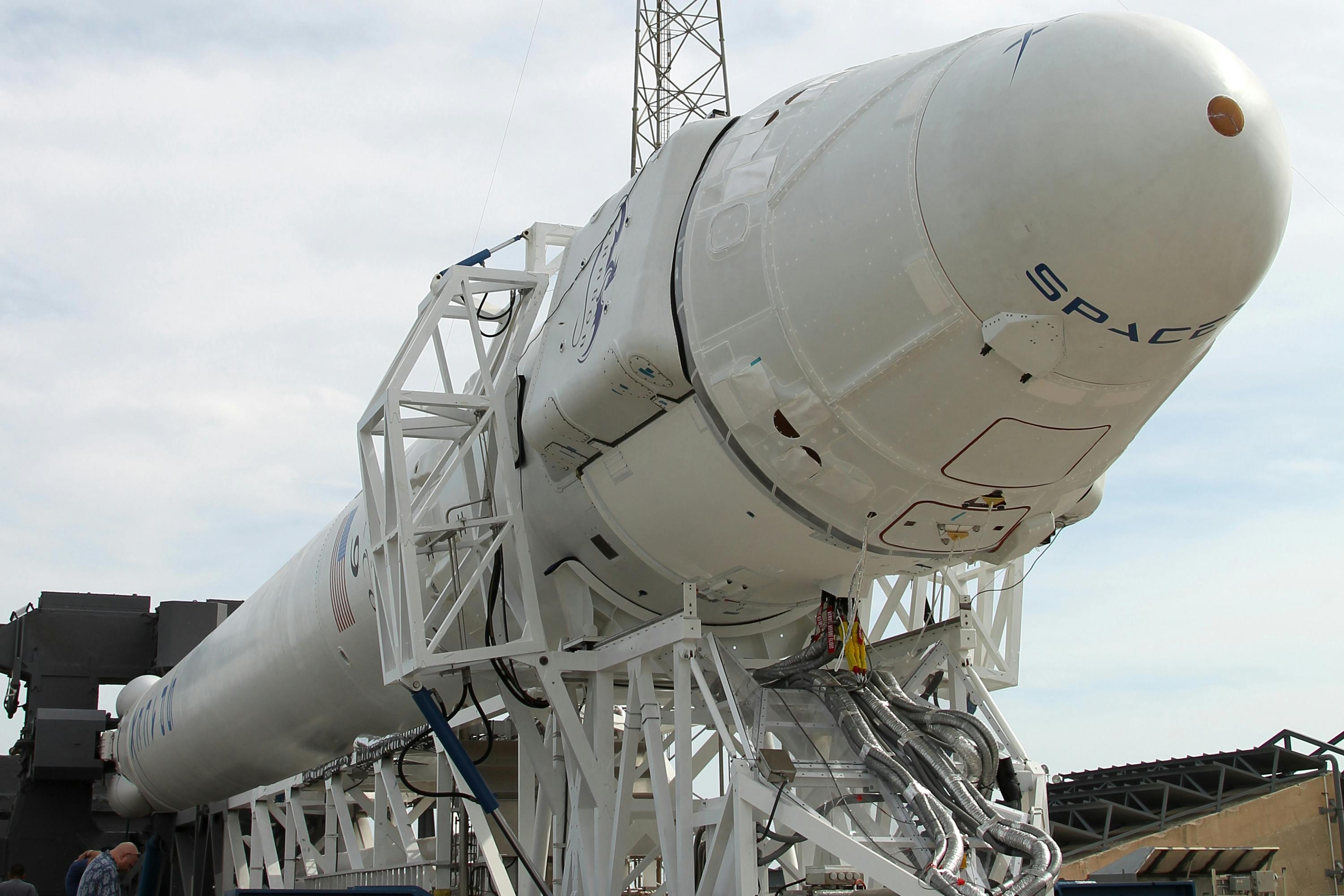
A week of highs and lows for SpaceX, including weather-related delays and a return to Falcon launches.

SpaceX successfully launched 28 Starlink satellites while preparing for the upcoming Ax-4 mission to the ISS. Significant progress continues in their ongoing space endeavors.
Sixty-three years ago, the Soviet Union selected the world's first female cosmonaut training group, launching a new era in human spaceflight that would transform our understanding of gender equality in space exploration
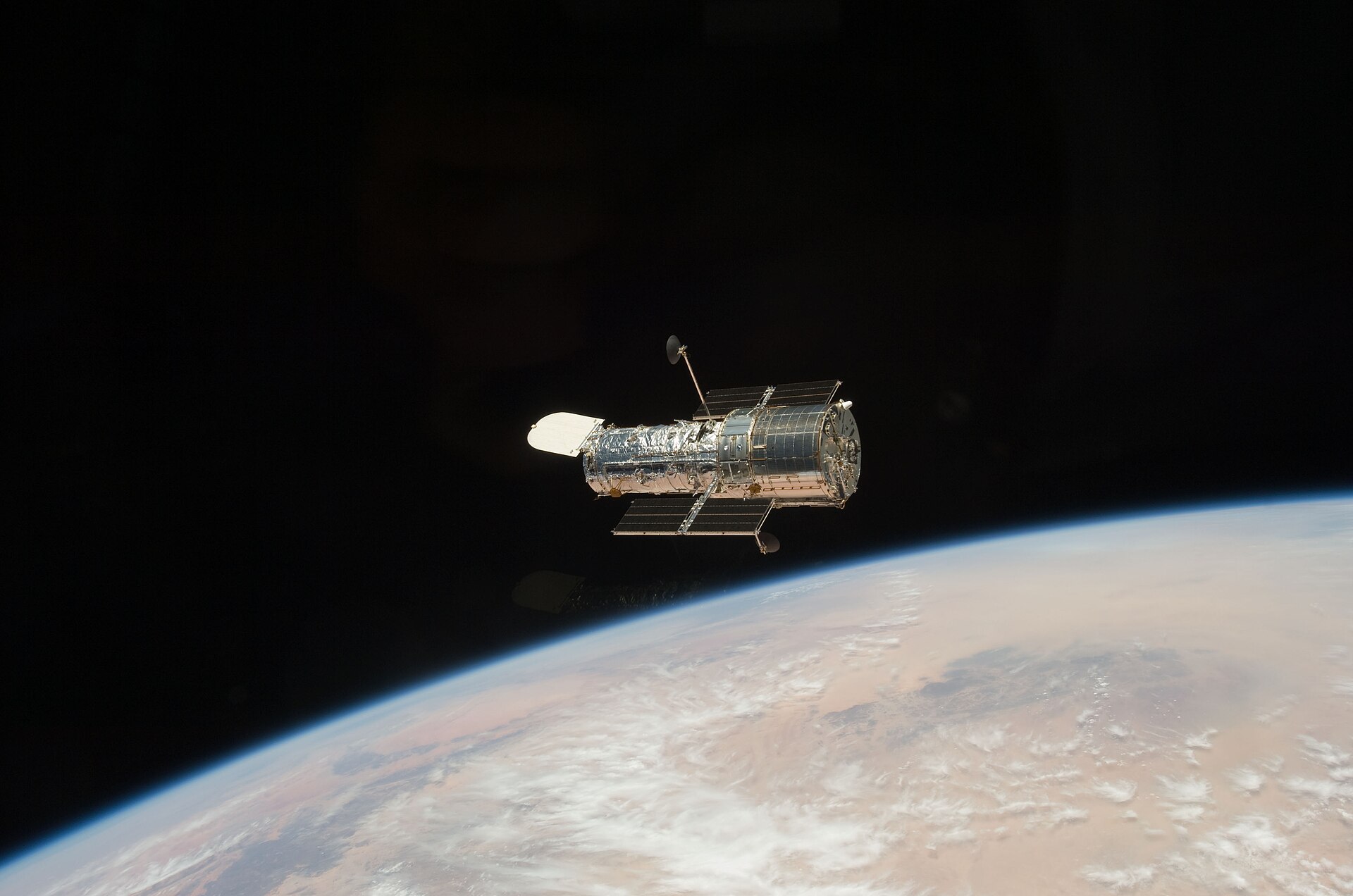
On April 25, 1990, the Space Shuttle Discovery's robotic arm lifted a 11,110-kilogram barrel of mirrors and instruments out of the payload bay and released it into orbit. Six weeks later, the first images came back badly out of focus. The Hubble Space Telescope had been ground to the wrong prescription, and America had just spent $2.5 billion on what the press was calling a 'technoturkey.'

Today's brief covers China's classified Shijian-28 satellite launch, AI-designed spacecraft records, and upcoming global launch activities.
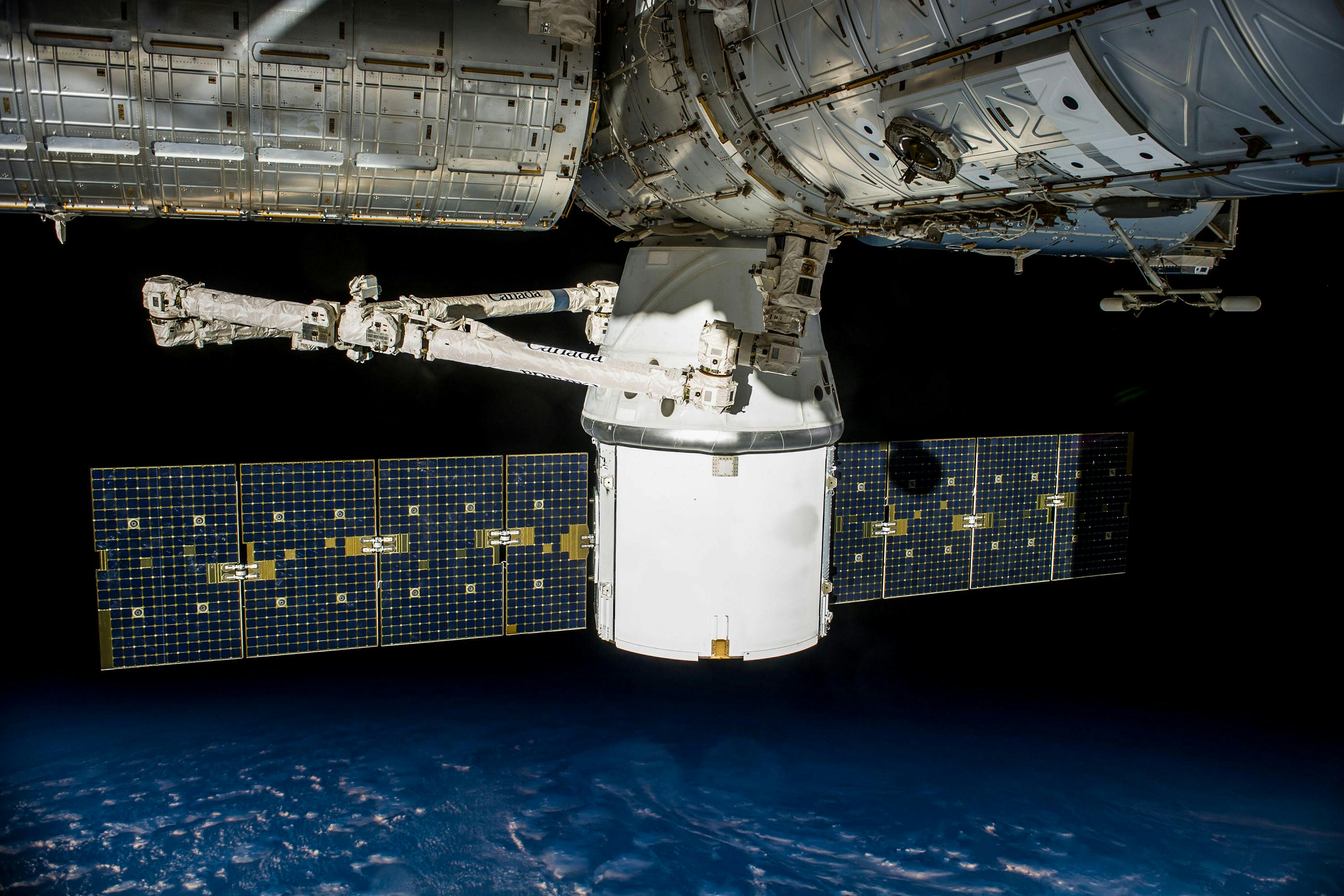
NASA considers opening the Artemis 3 lander to new bids as delays surface, while SpaceX gears up for multiple Falcon 9 launches this week and secures a redevelopment nod for SLC-6.