


China's Shenlong Spaceplane Releases Mystery Object | KeepTrack Space Brief
China's Shenlong spaceplane released an unidentified object in orbit, drawing scrutiny amid U.S. Space Force Victus Haze RPO demonstrations. Tracking data critical.


Launch Date
October 18, 1999
Launch Site
Launch Pad
LC1
Launch Vehicle
Soyuz-U-PVB
NORAD ID
25947
International Designator
1999-058E
Decay Date
3/4/2000
Name
SL-4 R/B(1)
Alternative Name
Soyuz-U-PVB No. 062 Blok-I
Type
Status
Owner
RVSNR
Country
Russia
Constellation
N/A
Related Satellites
Major Events
N/A
Length
6.7
Diameter
2.7
Span
6.7
Dry Mass
2350
Launch Mass
2350
Shape
Cyl
Radar Cross Section
17.4585
Visual Magnitude
Unknown
Color
Unknown
Material Composition
Unknown
Payload
11S510
Purpose
Unknown
Mission
Unknown
Manufacturer
PROGT
Life Expectancy
Unknown
Bus
Blok-I
Configuration
Unknown
Motor
Unknown
Equipment
Unknown
Power System
Unknown
ADCS
Unknown
Transmitter Frequency
Unknown
Learn more about satellites and other related topics.
China's Shenlong spaceplane released an unidentified object in orbit, drawing scrutiny amid U.S. Space Force Victus Haze RPO demonstrations. Tracking data critical.

Today's Space Brief covers a major partnership in space tech distribution, China's orbital refueling preparations under U.S. scrutiny, recent U.S. defense budget reveals, and an exciting hyperspectral imagery release from Xplore.

The Kessler Syndrome threatens humanity's future in space as cascading satellite collisions create exponential debris growth. With 36,000+ tracked objects and recent incidents accelerating risks, we face a critical juncture: implement solutions now or potentially lose access to low Earth orbit forever.
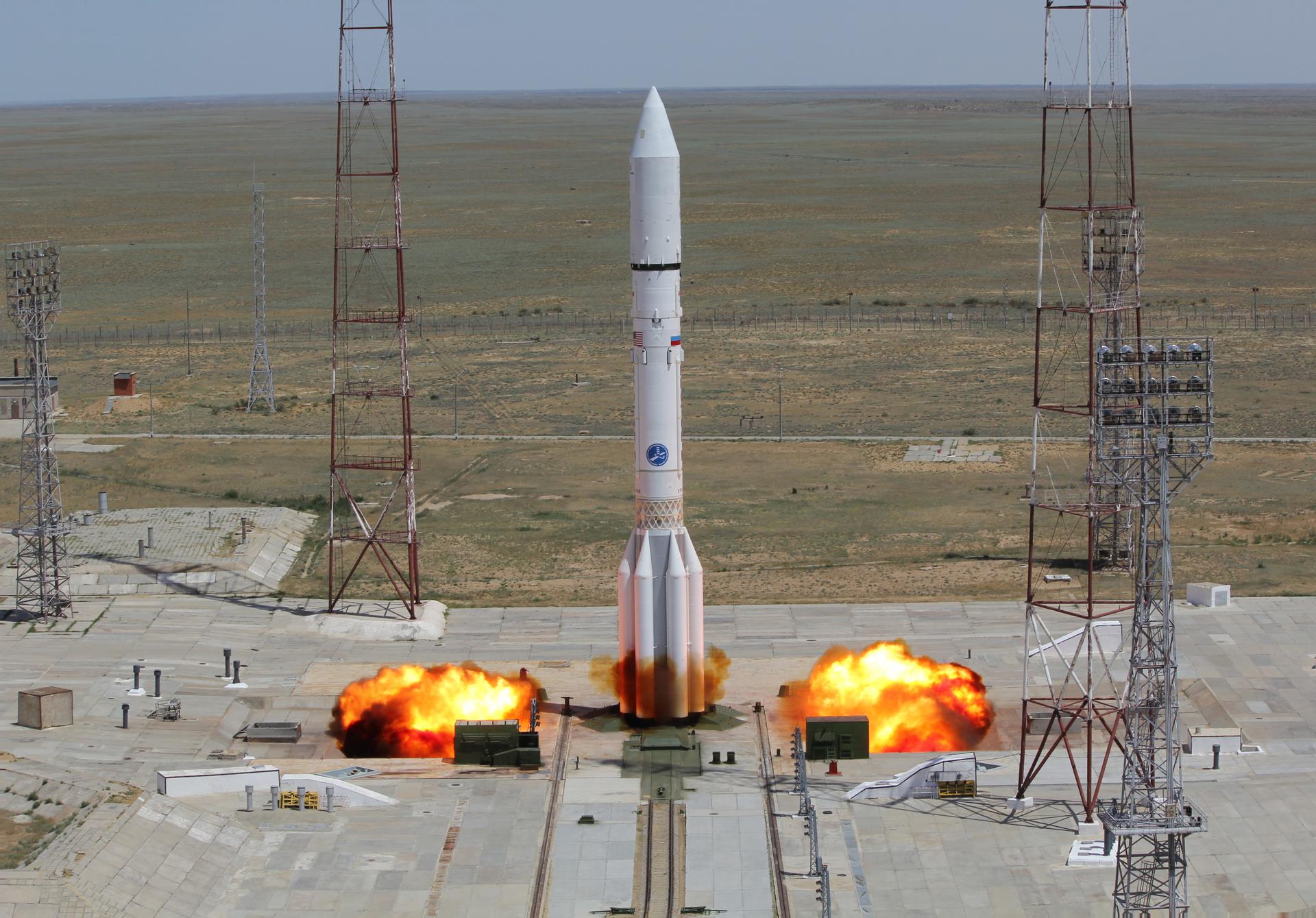
NASA conducts critical Artemis 2 rocket fueling test. Saudi Space Agency announces global DebriSolver competition winners. SpaceX and Bezos push orbital data center plans.
Today's brief covers significant advancements in space satellite launches, military spending impacts on space, and notable developments from the Space Force and SpaceX.

Today's Space Brief covers the landing of the X-37B spaceplane after a 434-day mission, the postponement of SDA's satellite launch, and the fiery debris from SpaceX's Starship over The Bahamas.

SpaceX gears up for a series of launches, including Starlink deployments, lunar missions, and updates on the Starship program.
NASA's Artemis 3 lunar landing mission schedule continues slipping over 2 months after revised plans announced, with no crew or surface activity details released publicly yet.