


Apogee and Perigee
Understanding the high and low points of every orbit - from the International Space Station's careful dance with Earth's atmosphere to the extreme ellipses that take satellites to the edge of space and back.


Launch Date
October 18, 1999
Launch Site
Launch Pad
LC1
Launch Vehicle
Soyuz-U-PVB
NORAD ID
25945
International Designator
1999-058C
Epoch
Sat, 04 Jul 2026 05:16:17 GMT
Apogee
Calculating...
Perigee
Calculating...
Inclination
51.99°
Right Ascension
245.80°
Eccentricity
Calculating...
Argument of Perigee
198.43°
Period
119.52 min
Mean Motion
12.05 rev/day
Latitude
Calculating...
Longitude
Calculating...
Altitude
Calculating...
Velocity
Calculating...
Name
GLOBALSTAR M056
Alternative Name
Globalstar M056
Type
Status
Owner
GLOBT
Country
United States
Constellation
N/A
Related Satellites
Major Events
N/A
1 25945U 99058C 26185.21964649 -.00000027 00000-0 70575-3 0 9996
2 25945 51.9941 245.8048 0001463 198.4311 195.8860 12.04786780208671
Source: Celestrak
Length
1.5
Diameter
0.6
Span
12
Dry Mass
380
Launch Mass
450
Shape
Box + 2 Pan
Radar Cross Section
2.3214
Visual Magnitude
Unknown
Color
Unknown
Material Composition
Unknown
Payload
Globalstar FM56
Purpose
Communication
Mission
Communication
Manufacturer
LOR
Life Expectancy
7.5 years
Bus
LS-400
Configuration
LS-400
Motor
LS-400 AOCS
Equipment
?
Power System
2 deployable solar arrays, batteries
ADCS
Unknown
Transmitter Frequency
Unknown
Learn more about satellites and other related topics.
Understanding the high and low points of every orbit - from the International Space Station's careful dance with Earth's atmosphere to the extreme ellipses that take satellites to the edge of space and back.

SpaceX marks a successful launch of 21 Starlink satellites, follows up after Starship explosion, and influences Qantas flights amid a busy operational schedule.

Today's brief covers the U.S. Space Force's new international strategy, Northrop Grumman's Golden Dome project, and ULA's Vulcan launches, alongside military budget priorities.
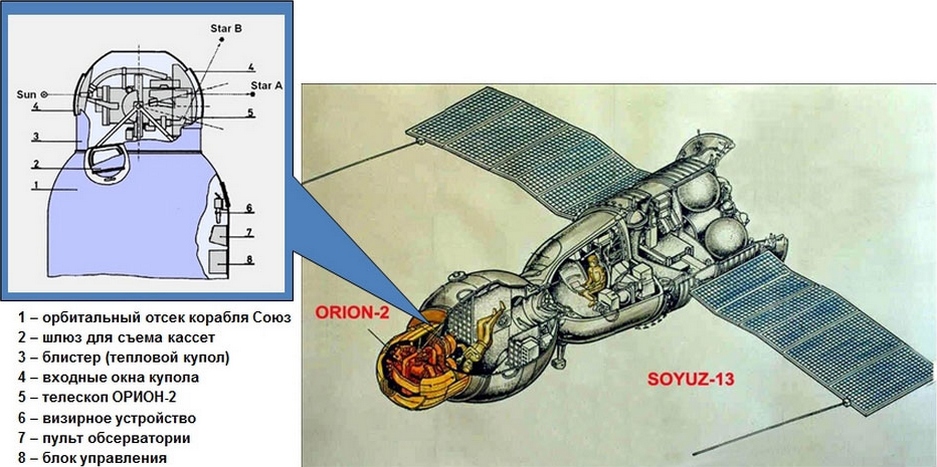
Exactly 52 years ago today, the Soviet Union launched Soyuz 13 - a scientific mission that marked the first time American astronauts and Soviet cosmonauts orbited Earth simultaneously. Armed with a revolutionary ultraviolet telescope, Pyotr Klimuk and Valentin Lebedev would discover elements never before seen in distant nebulae.
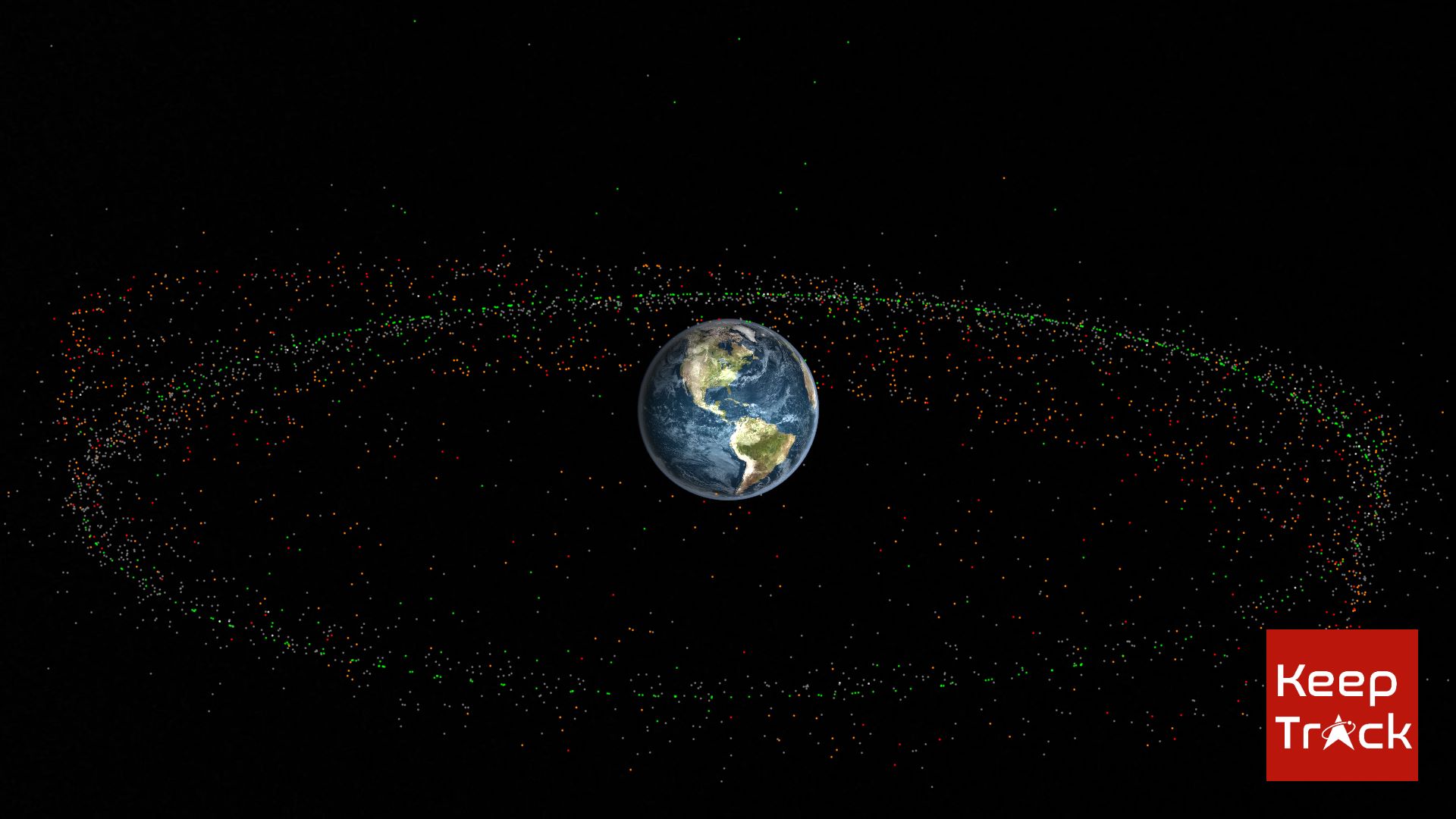
Understanding the unique orbital sweet spot that keeps satellites perfectly positioned above Earth
Today's brief covers crucial developments in satellite technology and operations, including new Starlink launches, groundbreaking satellite data on flood waves, and pivotal changes in South African telecom policy driven by Starlink.

Today's brief covers developments involving Space Force officials, Sierra Space's satellite milestone, and Voyager Space's rebranding for national security focus. Additionally, we spotlight the Cosmos 447 satellite.
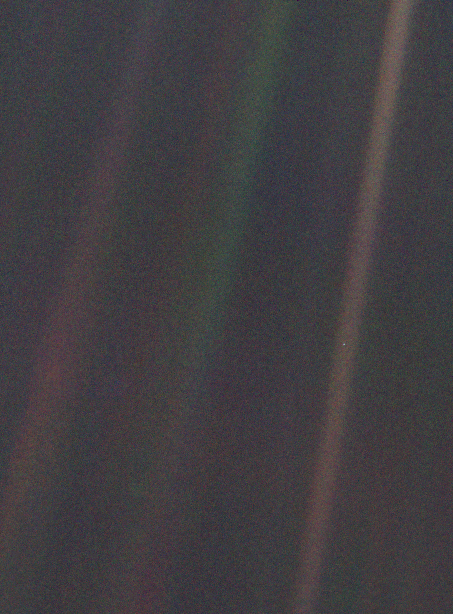
Thirty-five years ago, Voyager 1 captured a revolutionary series of images from the edge of our solar system, forever changing how humanity sees its place in the cosmos