

Space Brief 2 Apr 2025
DARPA's accidental SpaceX detection highlights Earth as a natural sensor, while SpaceX's Fram2 launches into a polar orbit. Helsinki's defense budget rise hints at increased military satellite activity.


Launch Date
July 23, 1999
Launch Site
Launch Pad
LC39B
Launch Vehicle
Space Shuttle
NORAD ID
25866
International Designator
1999-040A
Decay Date
7/28/1999
Name
STS 93
Alternative Name
Columbia (STS-93)
Type
Status
Owner
JSC
Country
United States
Constellation
N/A
Related Satellites
Major Events
N/A
Length
37.3
Diameter
23.8
Span
37.3
Dry Mass
89293
Launch Mass
95205
Shape
Box + 2 Wing + Fin
Radar Cross Section
Unknown
Visual Magnitude
Unknown
Color
Unknown
Material Composition
Unknown
Payload
OV-102
Purpose
Crewed Spacecraft
Mission
Crewed Spacecraft
Manufacturer
BNAP
Life Expectancy
Unknown
Bus
STS OV
Configuration
Winged orbiter
Motor
SSME
Equipment
Unknown
Power System
Fuel cells, batteries
ADCS
Unknown
Transmitter Frequency
Unknown
Learn more about satellites and other related topics.
DARPA's accidental SpaceX detection highlights Earth as a natural sensor, while SpaceX's Fram2 launches into a polar orbit. Helsinki's defense budget rise hints at increased military satellite activity.

Elon Musk moves to make himself unfireable at SpaceX as AT&T, T-Mobile, and Verizon back a rival D2D joint venture challenging Starlink Mobile.

Launch of 21 new Starlink satellites, featuring cell phone connectivity, and updates on NASA and SpaceX collaborative missions.

Trump's interim Air Force One—a $400M Boeing 747-8—equipped with Starlink for presidential communications. First confirmed LEO constellation use for White House comms.
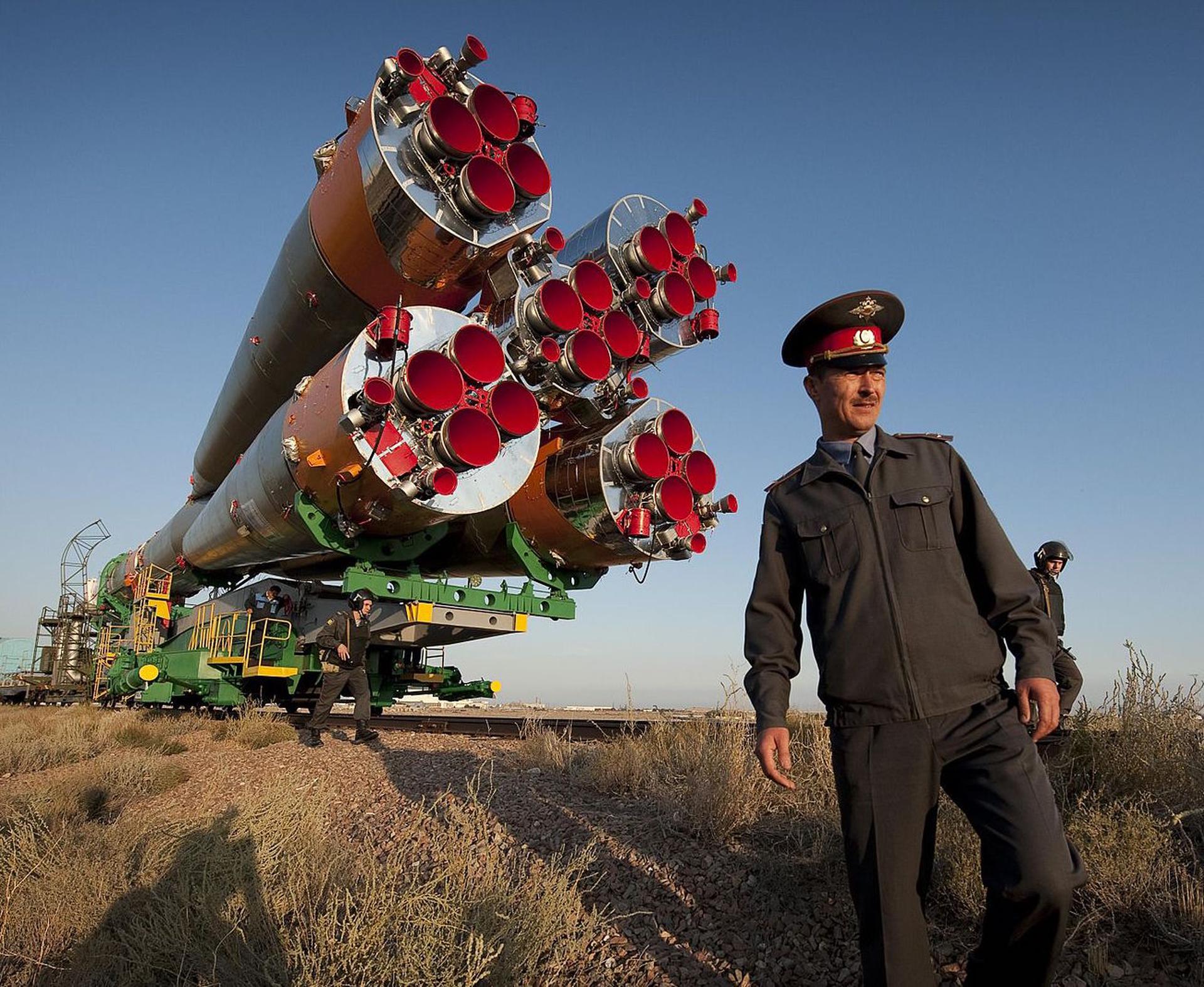
Long March 2C launches four PIESAT-2 radar satellites, Gilmour Space secures Australia's first orbital launch permit, NASA extends ISS cargo contracts through 2030, ESA and Arianespace face industry crossroads.
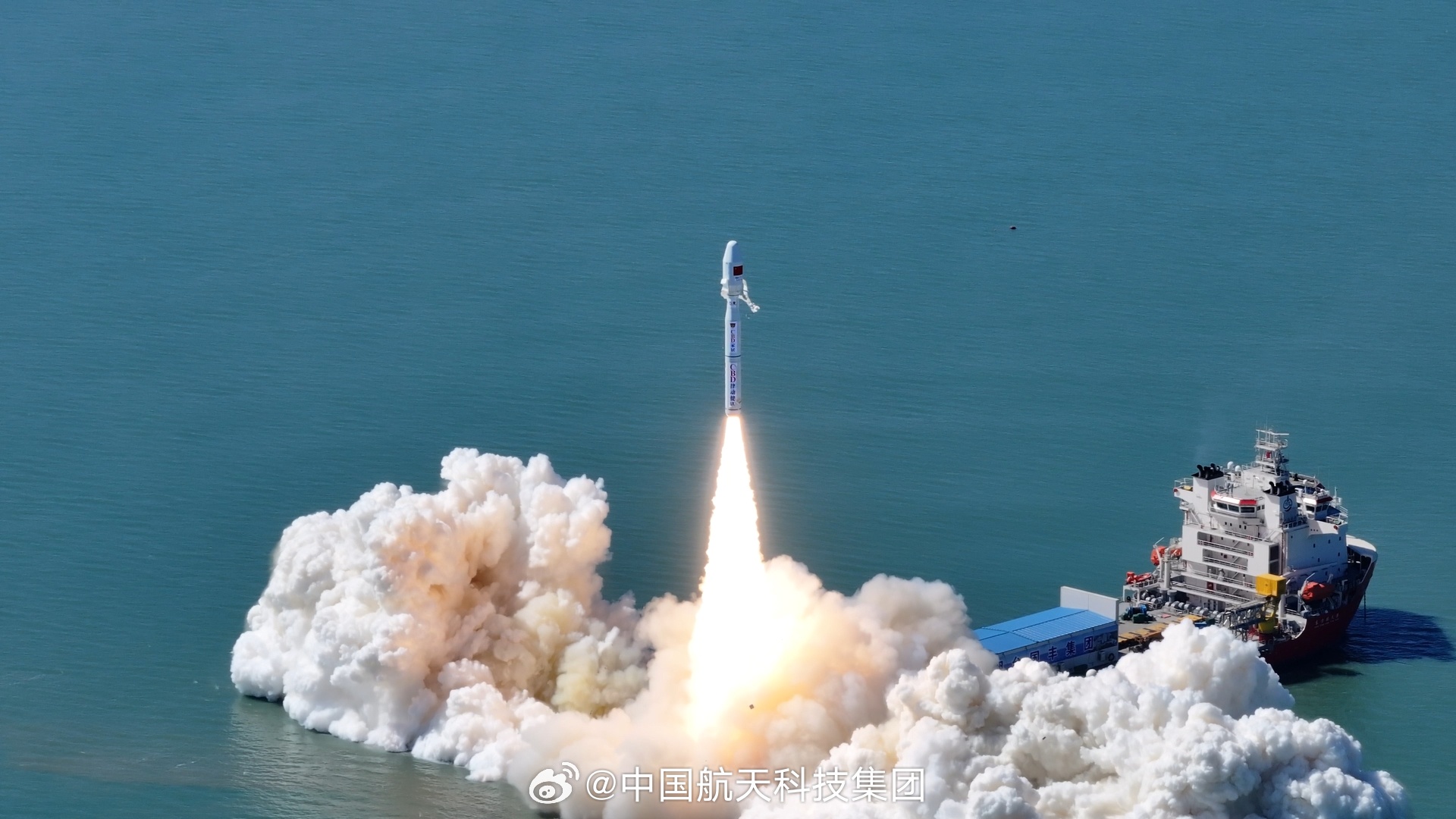
SpaceX launches NROL-105 spy satellite from Vandenberg in first national security mission of 2026. GE and Lockheed validate compact rotating detonation ramjet for hypersonic missiles.

Space Force selects 14 companies for $1.8 billion Andromeda program to replace GSSAP geosynchronous surveillance satellites with commercial alternatives through 2036.

Today's brief covers China's record-breaking launch year, SpaceX's continued Starlink deployments, Blue Origin's launch challenges, and innovations in satellite maneuverability.