


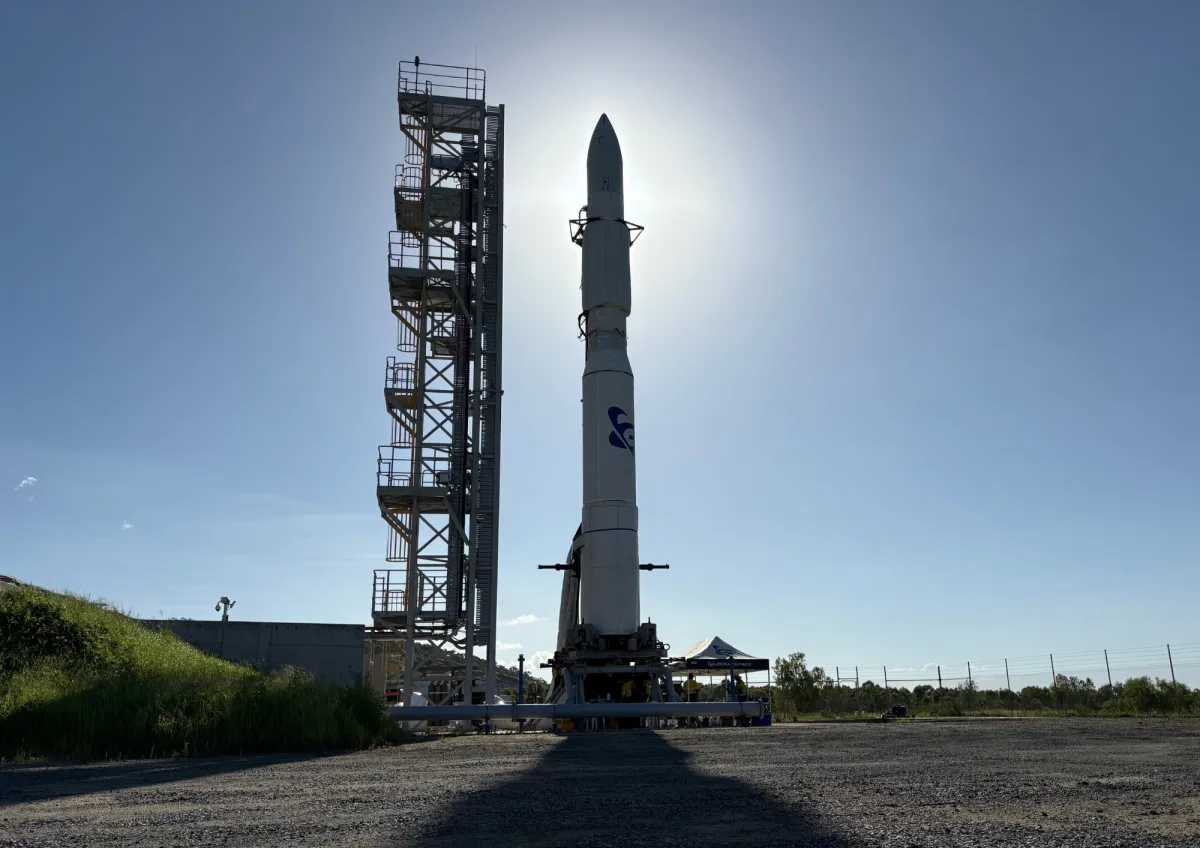
Space Brief 8 Apr 2025
Key highlights include the launch of a Navy SEAL astronaut to the ISS, multi-billion dollar contracts awarded by the US Space Force, advancements in secure GPS technology, and a strategic ISR arrangement.


Launch Date
September 16, 1987
Launch Site
Launch Pad
LC200/40
Launch Vehicle
Proton-K/DM-2
NORAD ID
25803
International Designator
1987-079N
Epoch
Sat, 16 Apr 2016 11:06:58 GMT
Apogee
Calculating...
Perigee
Calculating...
Inclination
64.83°
Right Ascension
121.19°
Eccentricity
Calculating...
Argument of Perigee
40.09°
Period
269.72 min
Mean Motion
5.34 rev/day
Latitude
Calculating...
Longitude
Calculating...
Altitude
Calculating...
Velocity
Calculating...
Name
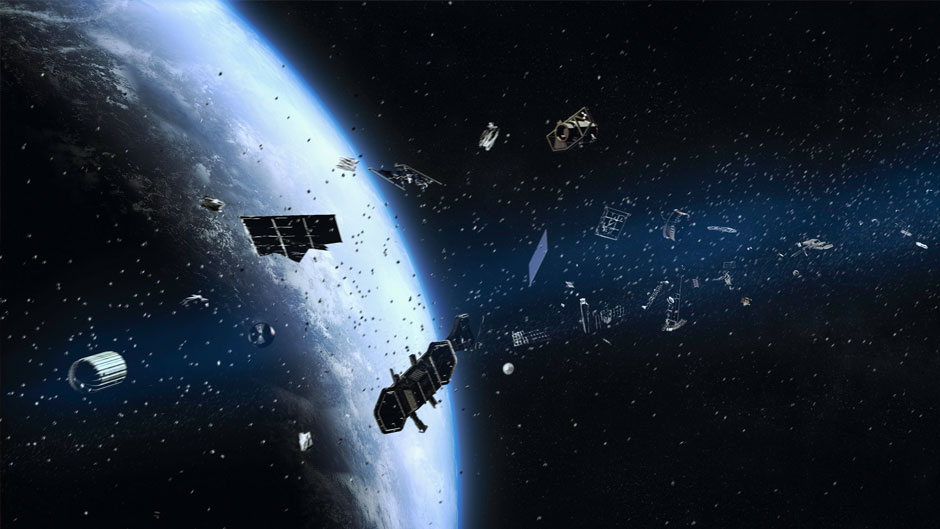
SL-12 DEB
Alternative Name
deb DM2-26L SOZ-1
Type
Status
Owner
RVSNR
Country
Russia
Constellation
N/A
Related Satellites
Major Events
N/A
1 25803U 87079N 16106.46317271 .00002606 00000-0 94342-3 0 9993
2 25803 64.8295 121.1891 5131789 40.0895 348.3757 5.33888755350554
Source: Celestrak
Length
0
Diameter
0
Span
0
Dry Mass
0
Launch Mass
0
Shape
N/A
Radar Cross Section
0.085
Visual Magnitude
Unknown
Color
Unknown
Material Composition
Unknown
Payload
Unknown
Purpose
Unknown
Mission
Unknown
Manufacturer
Unknown
Life Expectancy
Unknown
Bus
Unknown
Configuration
Unknown
Motor
Unknown
Equipment
Unknown
Power System
Unknown
ADCS
Unknown
Transmitter Frequency
Unknown
Learn more about satellites and other related topics.
Key highlights include the launch of a Navy SEAL astronaut to the ISS, multi-billion dollar contracts awarded by the US Space Force, advancements in secure GPS technology, and a strategic ISR arrangement.
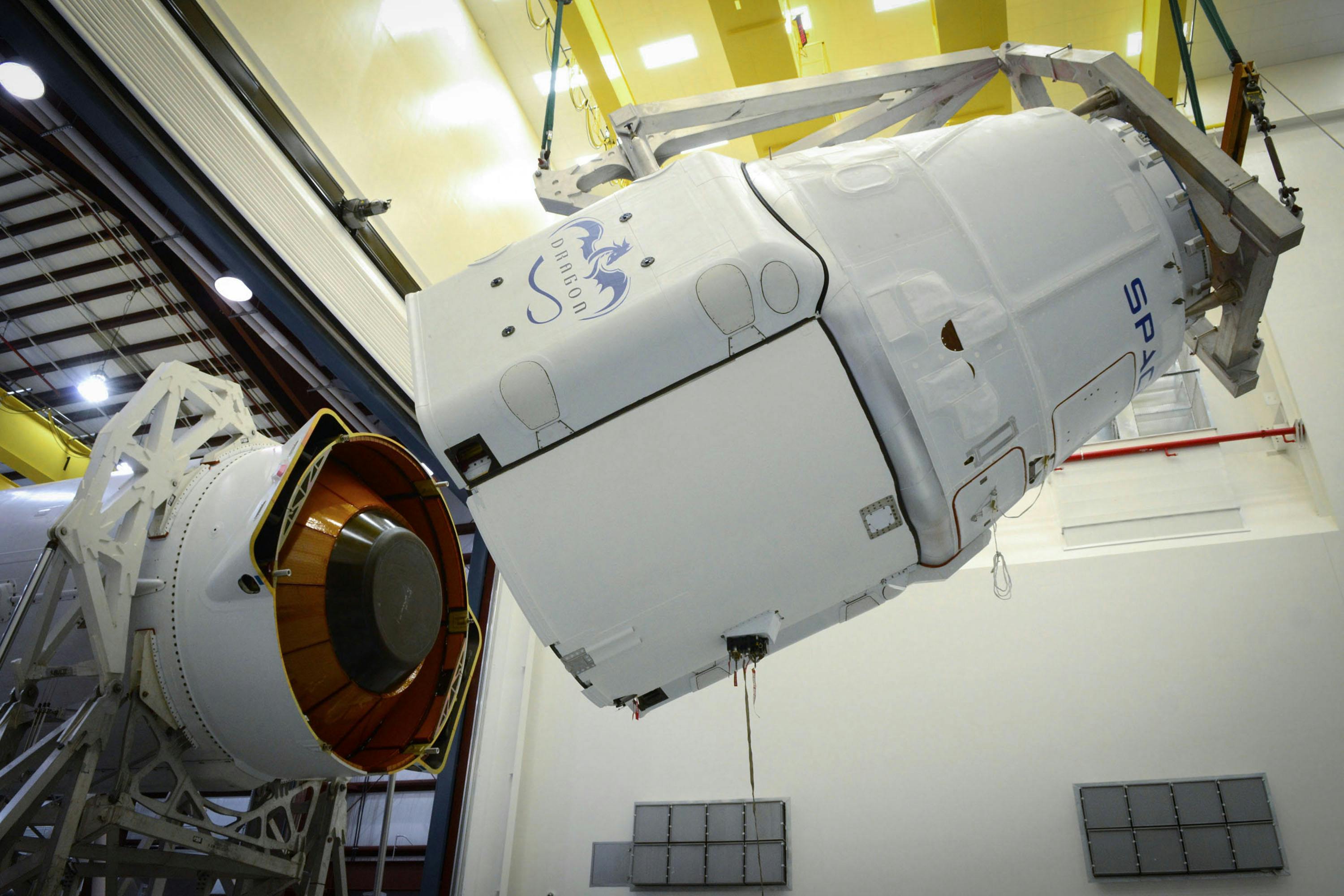
SpaceX successfully launched the Transporter-15 rideshare mission, deploying 140 payloads including significant international contributions. Meanwhile, the company progresses with Booster 19 stacking after the recent Booster 18 anomaly.
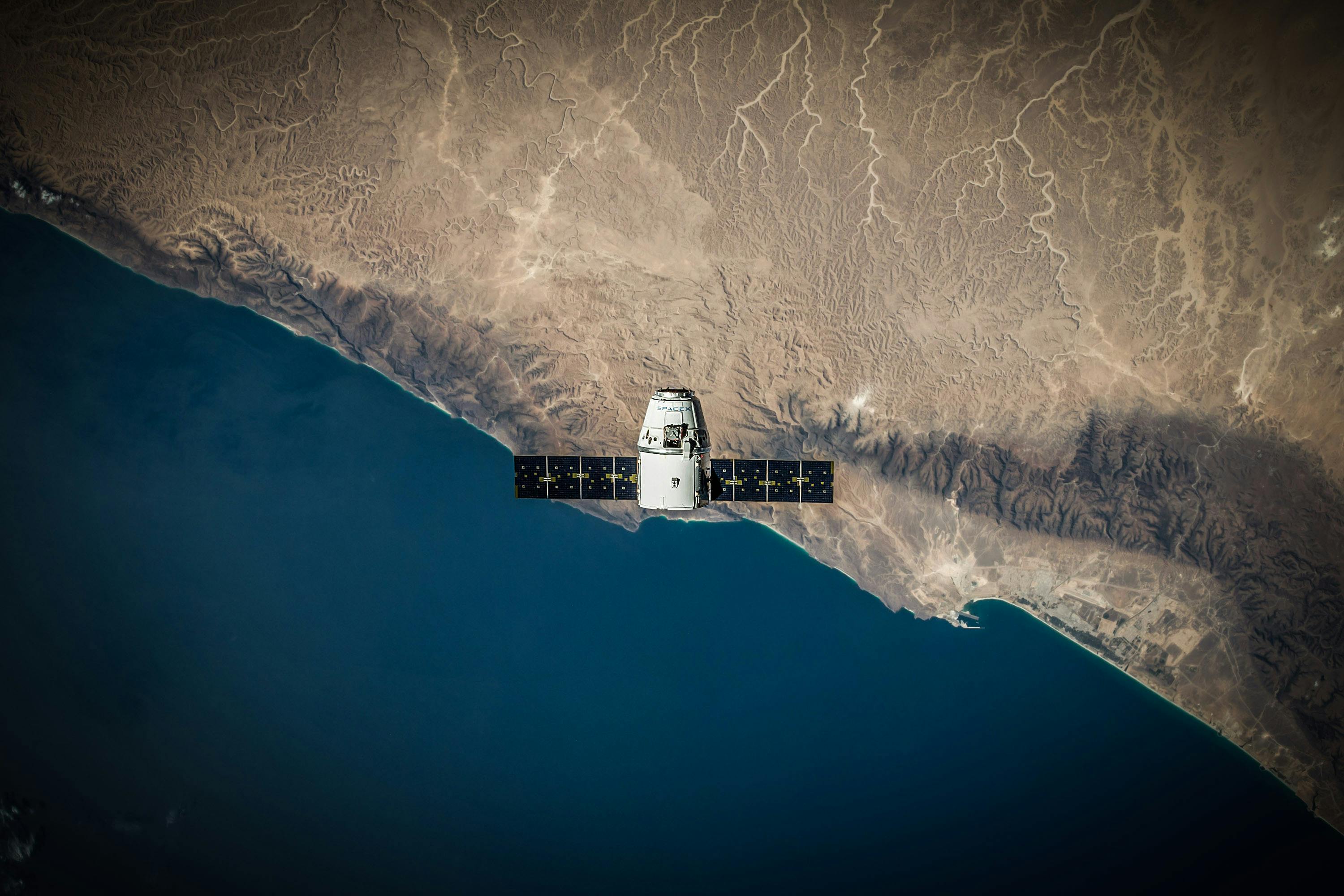
SpaceX gears up for multiple Falcon 9 launches, amidst challenges from Project Kuiper and environmental concerns.
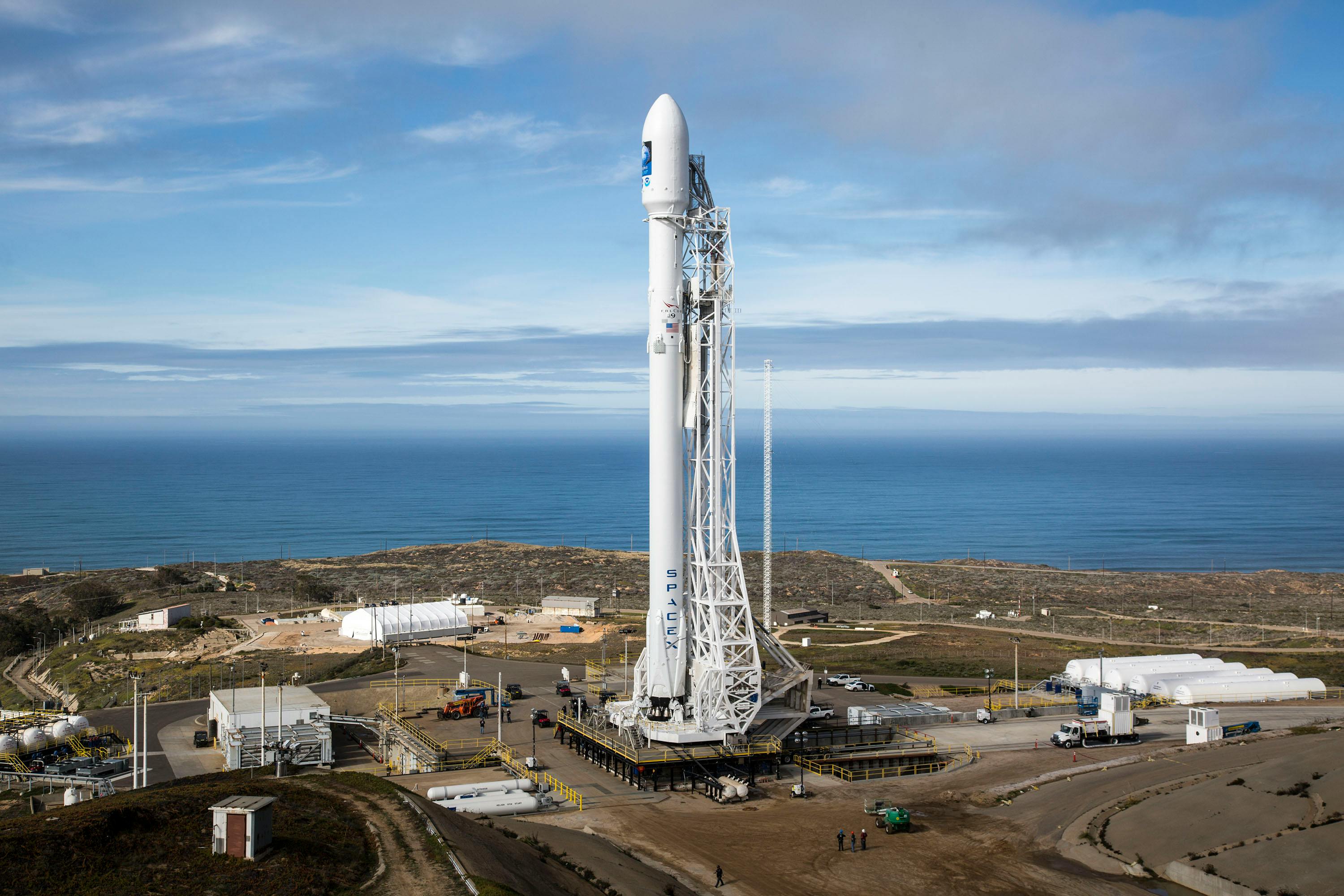
SpaceX successfully launched 28 Starlink satellites aboard a Falcon 9 rocket, marking significant advancements in their deployment and operational capabilities.

For nearly two decades, the U.S. Air Force and Space Force have been the world's unofficial civilian space traffic control system. The Department of Commerce's Traffic Coordination System for Space (TraCSS) is now taking over that job for commercial satellite operators - in stages, against persistent congressional pressure to kill the program, and with Department of Defense advocates pushing to make it happen before it is too late.
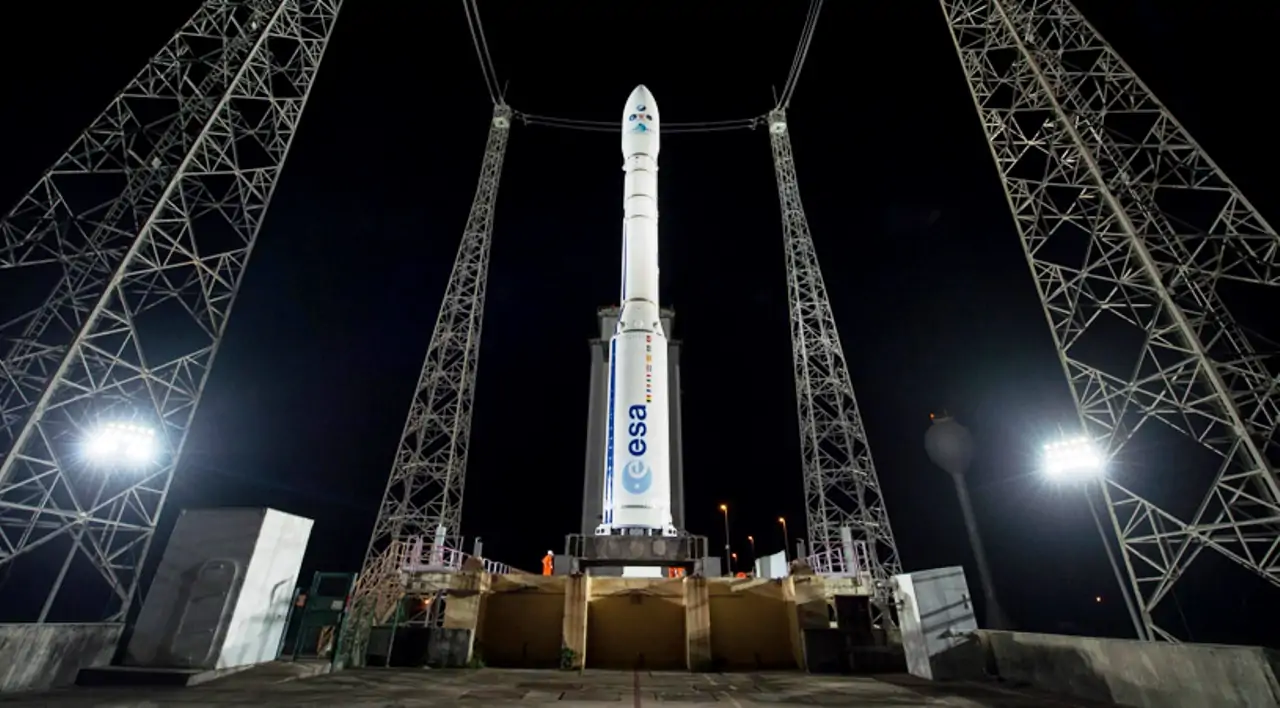
Thirteen years ago, a new rocket lifted off from the edge of the Amazon rainforest, marking Europe's entry into the small satellite launch market and carrying the dreams of university students across a continent
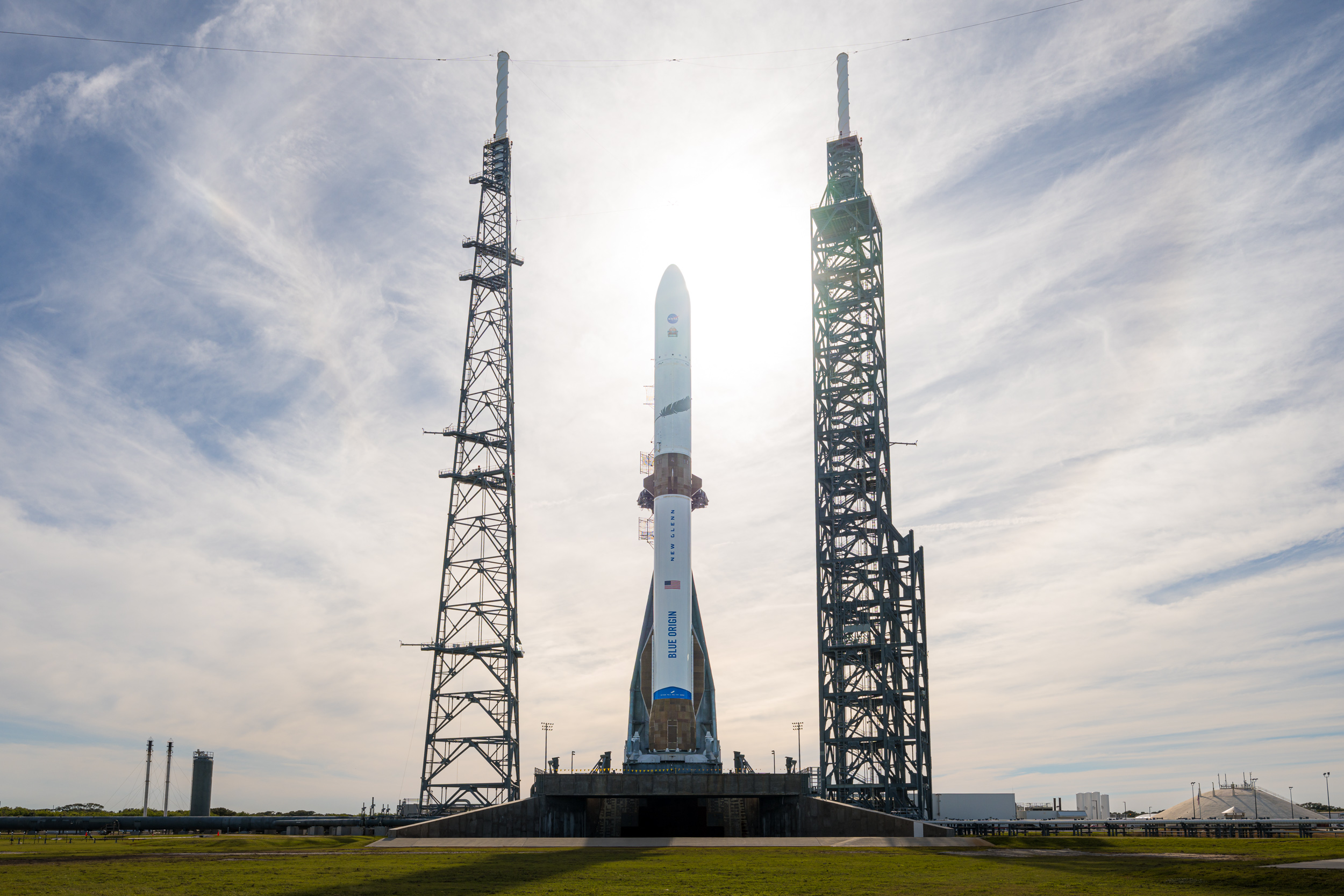
Artemis 2 astronauts completed first crewed lunar flyby since Apollo 17, traveling 690,000 miles aboard Orion. Four crew validated deep-space systems.

SpaceX's X-37B spaceplane launch, featuring advanced tech, highlights today’s space events. The launch of the first reprogrammable navigation satellite by the US Space Force is another significant milestone.