


X Report 17 Feb 2025
Key insights on Starship development challenges and latest Starlink satellite status.


Launch Date
June 10, 1999
Launch Site
Launch Pad
SLC17B
Launch Vehicle
Delta 7420-10C
NORAD ID
25771
International Designator
1999-031B
Epoch
Fri, 03 Jul 2026 23:37:33 GMT
Apogee
Calculating...
Perigee
Calculating...
Inclination
51.99°
Right Ascension
48.75°
Eccentricity
Calculating...
Argument of Perigee
315.36°
Period
129.48 min
Mean Motion
11.12 rev/day
Latitude
Calculating...
Longitude
Calculating...
Altitude
Calculating...
Velocity
Calculating...
Name
GLOBALSTAR M049
Alternative Name
Globalstar M049
Type
Status
Owner
GLOBT
Country
United States
Constellation
N/A
Related Satellites
Major Events
N/A
1 25771U 99031B 26184.98441429 -.00000004 00000-0 21221-2 0 9991
2 25771 51.9886 48.7489 0002198 315.3571 44.7048 11.12131497159907
Source: Celestrak
Length
1.5
Diameter
0.6
Span
12
Dry Mass
380
Launch Mass
450
Shape
Box + 2 Pan
Radar Cross Section
2.2145
Visual Magnitude
Unknown
Color
Unknown
Material Composition
Unknown
Payload
Globalstar FM49
Purpose
Communication
Mission
Communication
Manufacturer
LOR
Life Expectancy
7.5 years
Bus
LS-400
Configuration
LS-400
Motor
LS-400 AOCS
Equipment
?
Power System
2 deployable solar arrays, batteries
ADCS
Unknown
Transmitter Frequency
Unknown
Learn more about satellites and other related topics.
Key insights on Starship development challenges and latest Starlink satellite status.
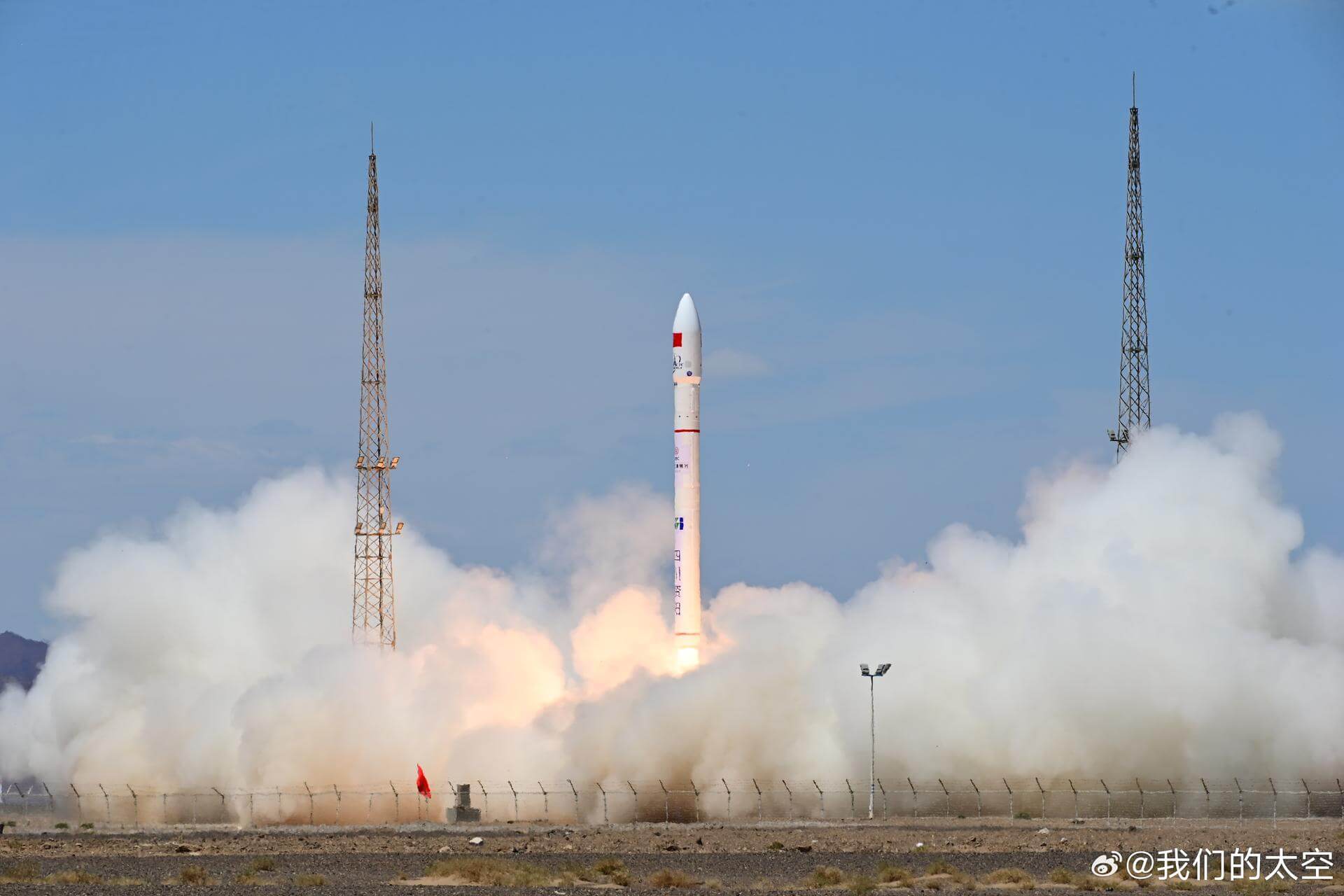
Today's space brief highlights intriguing military satellite developments, new space launch strategies to counteract observation threats, and potential European defense industry advancements.

SpaceX publicly confirmed 2 Starshield government satellites launched from Vandenberg on June 6, a rare disclosure for the classified Starlink variant.
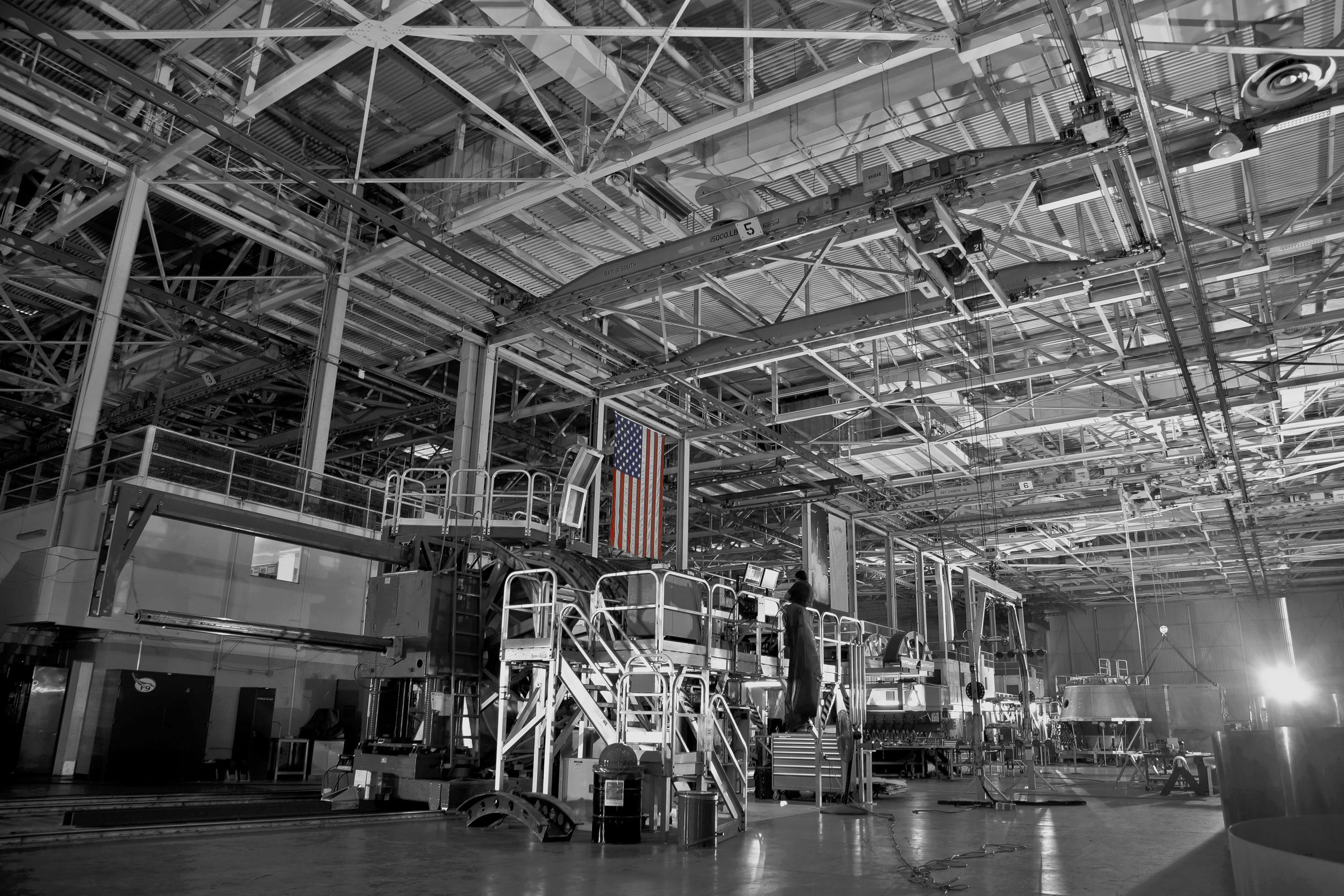
SpaceX launched 25 more Starlink satellites from Vandenberg SFB on March 8, 2026, pushing the active constellation toward 9,914 working spacecraft.
Today focuses on Blue Origin's preparation for New Glenn's debut, SpaceX Crew-9's ISS maneuver, the importance of U.S.-China cooperation in space, and breathtaking ISS photography.
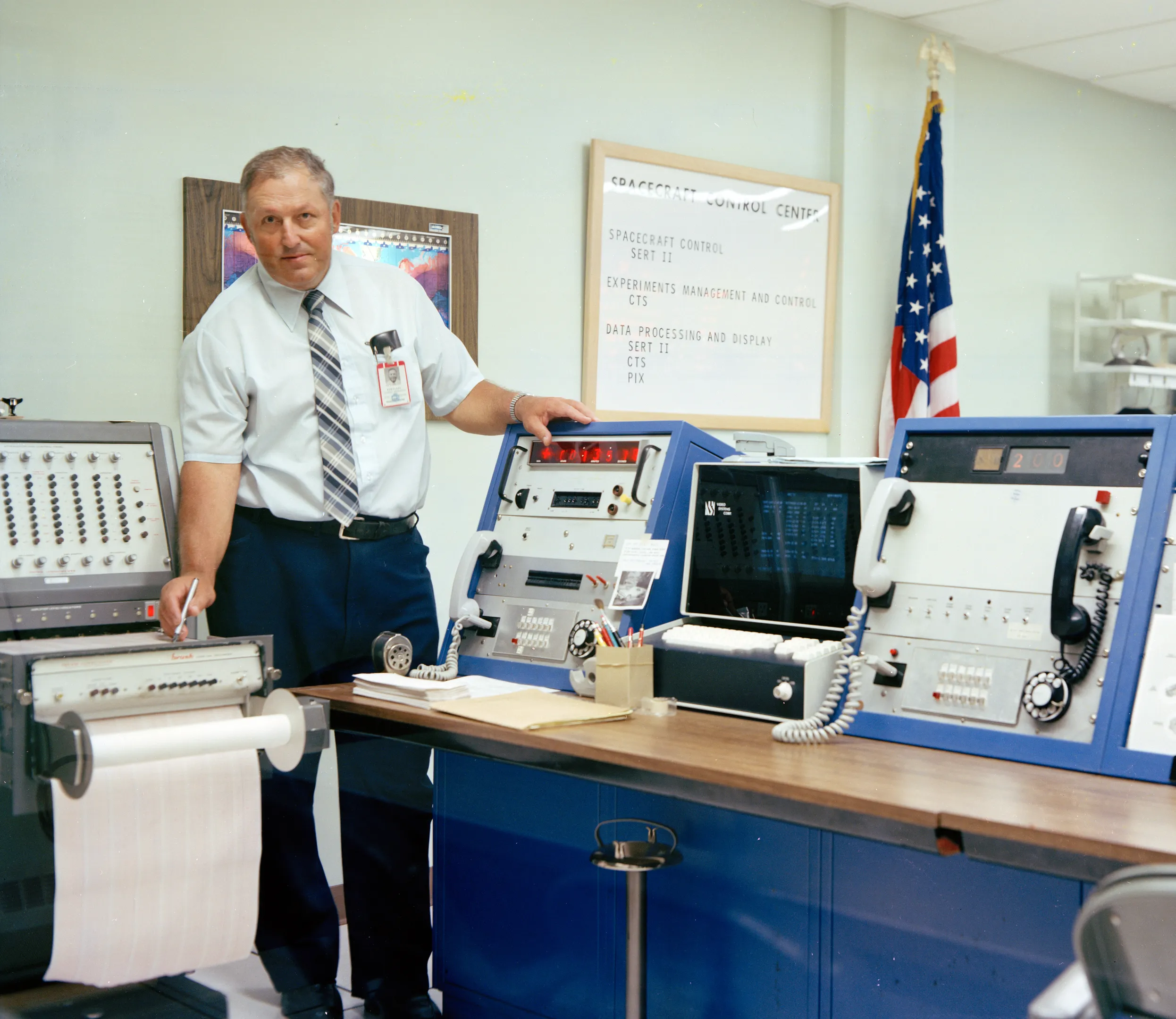
Fifty-five years ago, a revolutionary spacecraft launched from California carrying technology that would transform how we explore the solar system

ULA launches the final Atlas 5 551 configuration—its heaviest variant with 5 solid boosters—carrying Amazon's Project Kuiper satellite to low Earth orbit from Cape Canaveral.
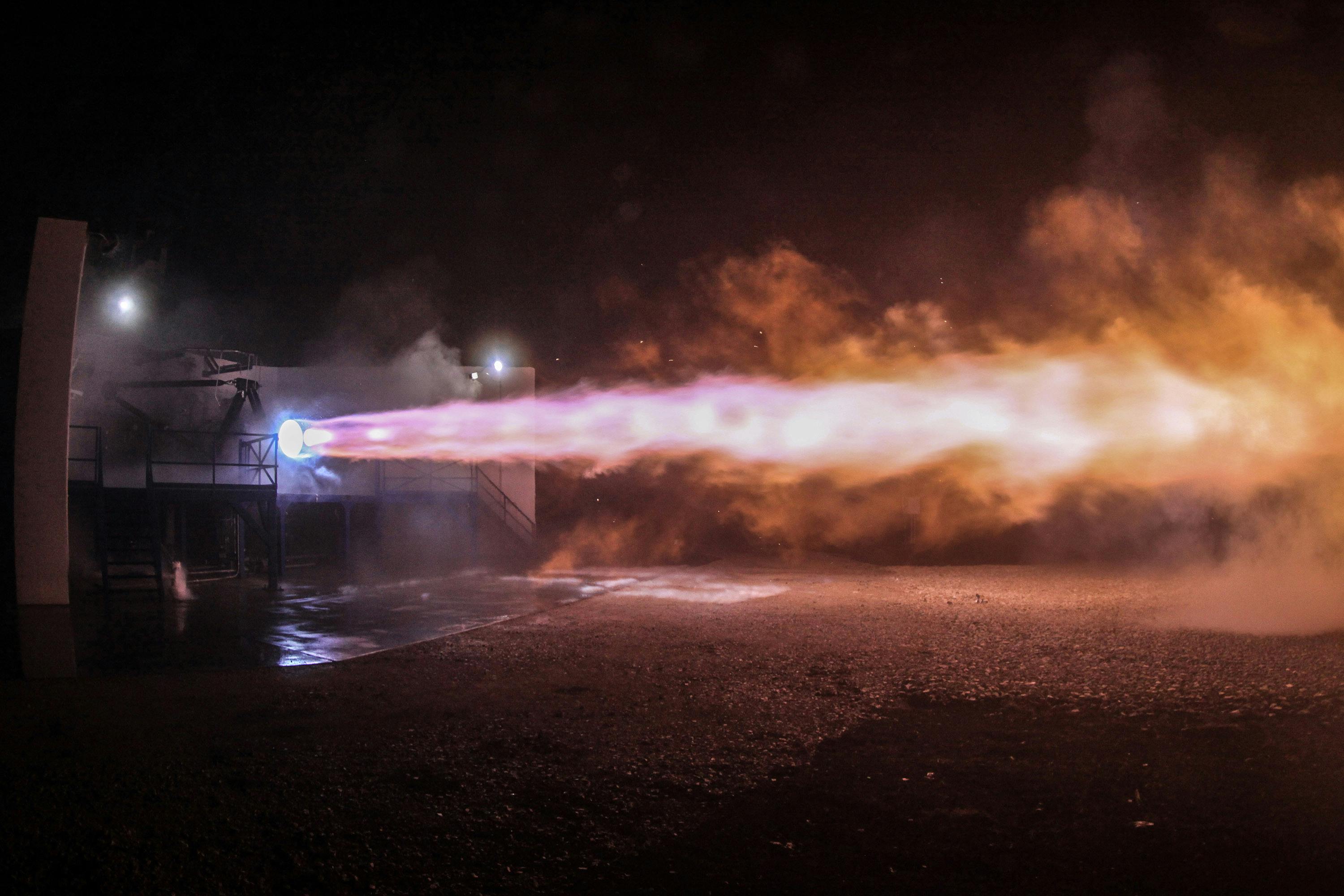
SpaceX prepares for another Starlink launch today, following a successful deployment over the weekend from Florida's Space Coast.