


Space Force Orders 14 GPS 3F Satellites for $514M | KeepTrack Space Brief
Space Force awards Lockheed Martin $514M for two additional GPS 3F satellites, bringing total orders to 14. New satellites add anti-jam features and upgraded civilian signals.


Launch Date
April 30, 1999
Launch Site
Launch Pad
LC40
Launch Vehicle
Titan 401B/Centaur
NORAD ID
25724
International Designator
1999-023A
Epoch
Sat, 04 Jul 2026 05:43:03 GMT
Apogee
Calculating...
Perigee
Calculating...
Inclination
28.24°
Right Ascension
302.76°
Eccentricity
Calculating...
Argument of Perigee
284.45°
Period
153.60 min
Mean Motion
9.38 rev/day
Latitude
Calculating...
Longitude
Calculating...
Altitude
Calculating...
Velocity
Calculating...
Name
USA 143 (MILSTAR-2 1)
Alternative Name
Milstar 3
Type
Status
Owner
AFSMC
Country
United States
Constellation
N/A
Related Satellites
Major Events
N/A
1 25724U 99023A 26185.23823255 .00000122 00000-0 99158-3 0 9995
2 25724 28.2410 302.7602 2131754 284.4530 53.0033 9.37517369 73956
Source: Celestrak
Length
15.5
Diameter
5
Span
35
Dry Mass
4200
Launch Mass
4500
Shape
Truss + Ant
Radar Cross Section
Unknown
Visual Magnitude
Unknown
Color
Unknown
Material Composition
Unknown
Payload
Milstar DFS-3
Purpose
Comsat
Mission
Comsat
Manufacturer
LMMS
Life Expectancy
10 years
Bus
Milstar
Configuration
Milstar Bus
Motor
2 x R-4D-12
Equipment
LDR, MDR and Crosslink payloads
Power System
2 deployable solar arrays, batteries
ADCS
Unknown
Transmitter Frequency
Unknown
Learn more about satellites and other related topics.
Space Force awards Lockheed Martin $514M for two additional GPS 3F satellites, bringing total orders to 14. New satellites add anti-jam features and upgraded civilian signals.

Katalyst's Link spacecraft passes key testing milestone ahead of June 2026 launch to rescue NASA's $500M SPARCS telescope. In-space servicing mission will create trackable conjunction risk during approach and docking phase.
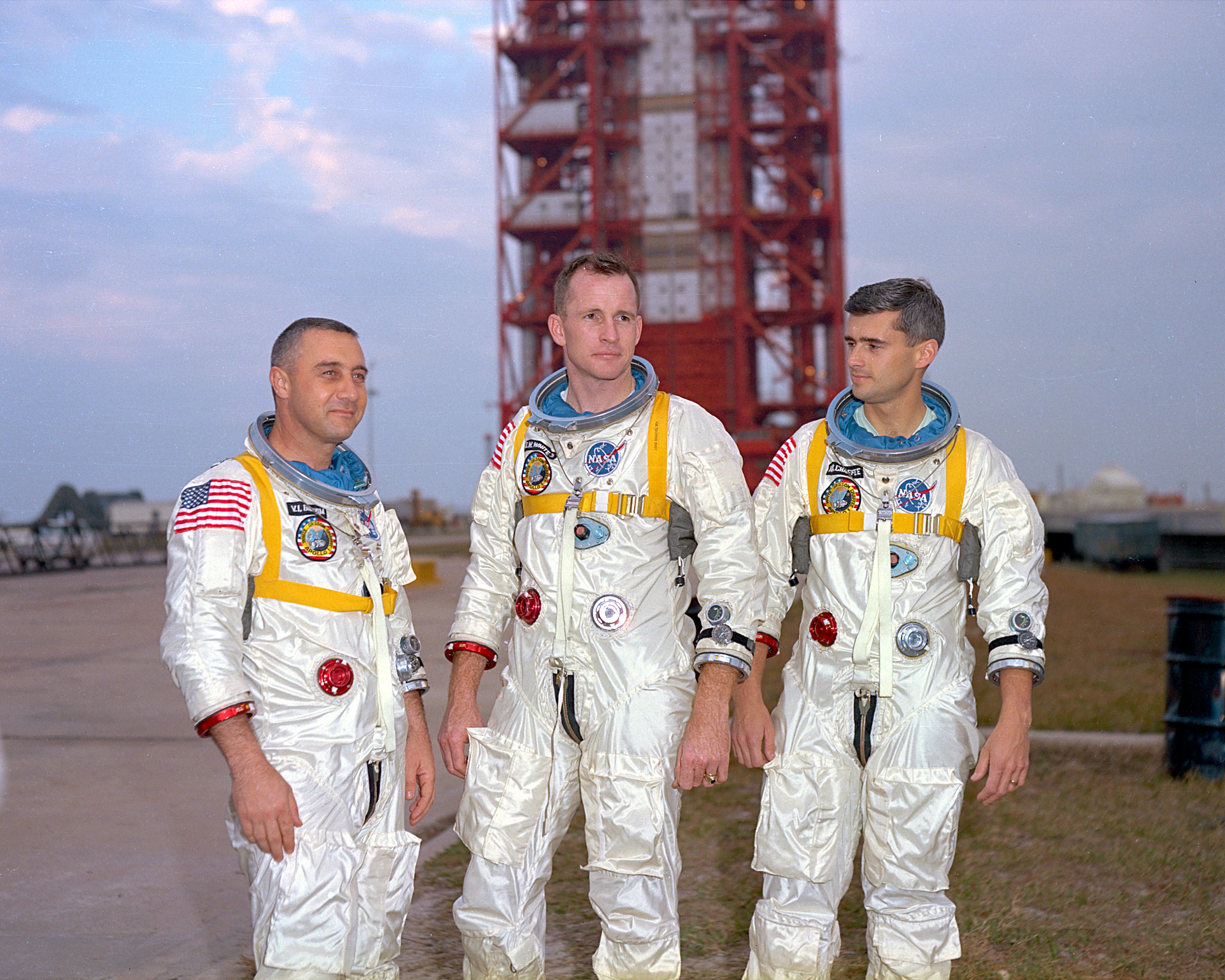
Fifty-eight years ago, a tragic fire during a routine test transformed spacecraft design and created the foundation of modern spaceflight safety culture
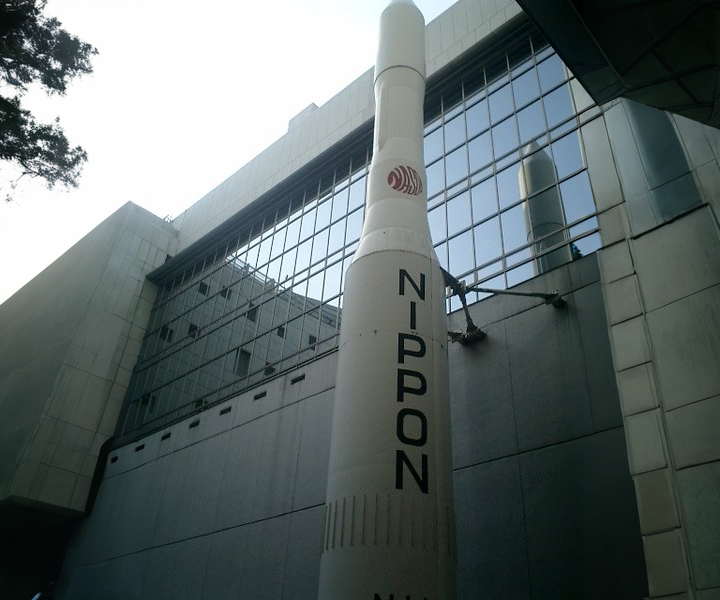
Forty-eight years ago, a pioneering satellite named Kiku 2 propelled Japan into the exclusive group of nations capable of operating satellites in geostationary orbit
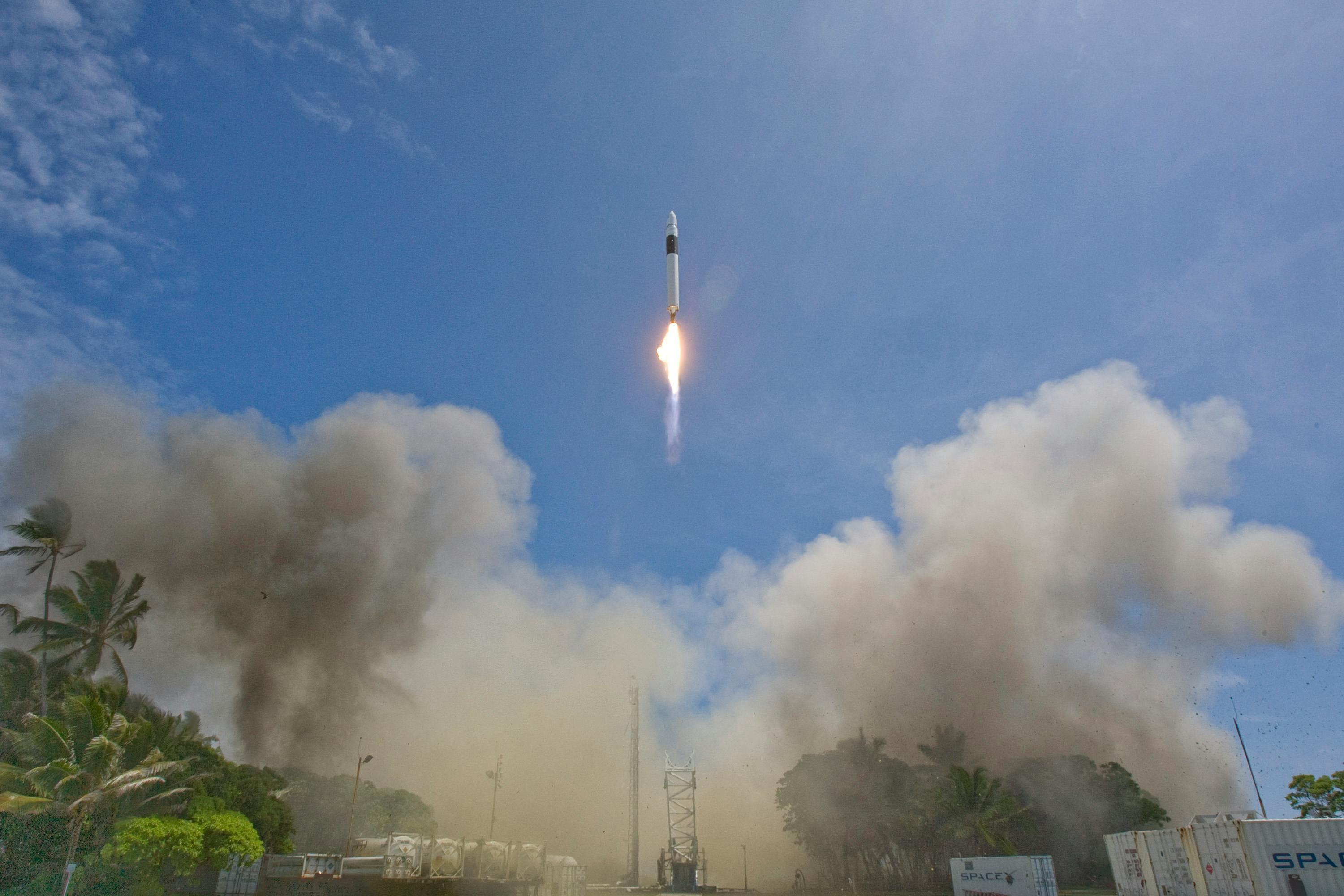
SpaceX's Starlink V2 promises 100x data density for 5G direct-to-phone service. Deutsche Telekom targets 10 European countries by 2028.
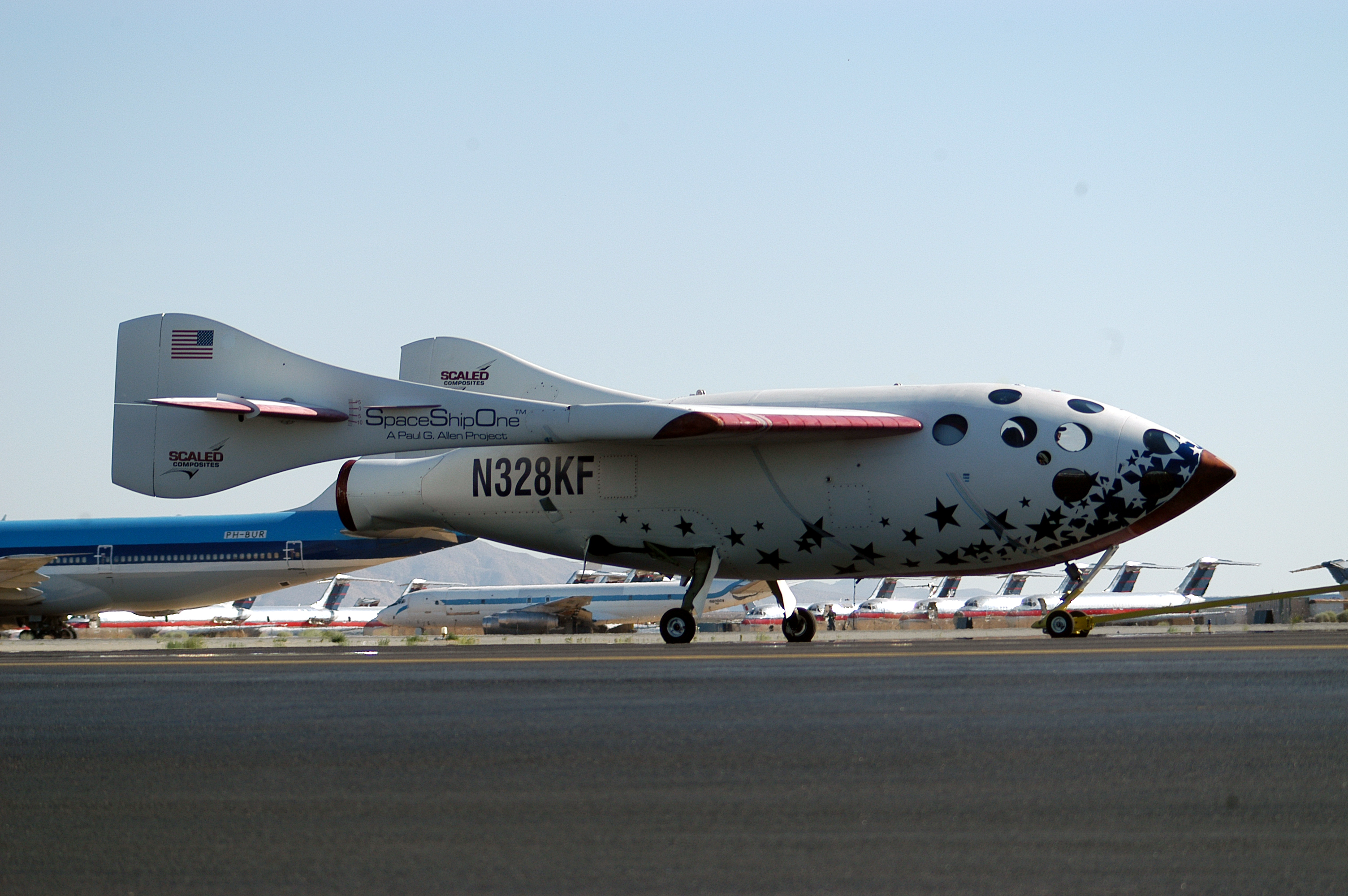
On 21 June 2004, a 63-year-old test pilot rode a homebuilt rocket plane to 100,124 meters above the Mojave Desert, clearing the edge of space by about the length of a city block. He came down the first private astronaut in history, holding a sign that read 'SpaceShipOne, GovernmentZero.'

Today's Space Brief covers a crucial weather data decision by the U.S. Defense Department, an innovative power supply for aerospace systems, advancements in satellite link technology, and Norway's maritime surveillance. AI/ML tools for airspace management and concerns about defense testing capabilities are also highlighted.
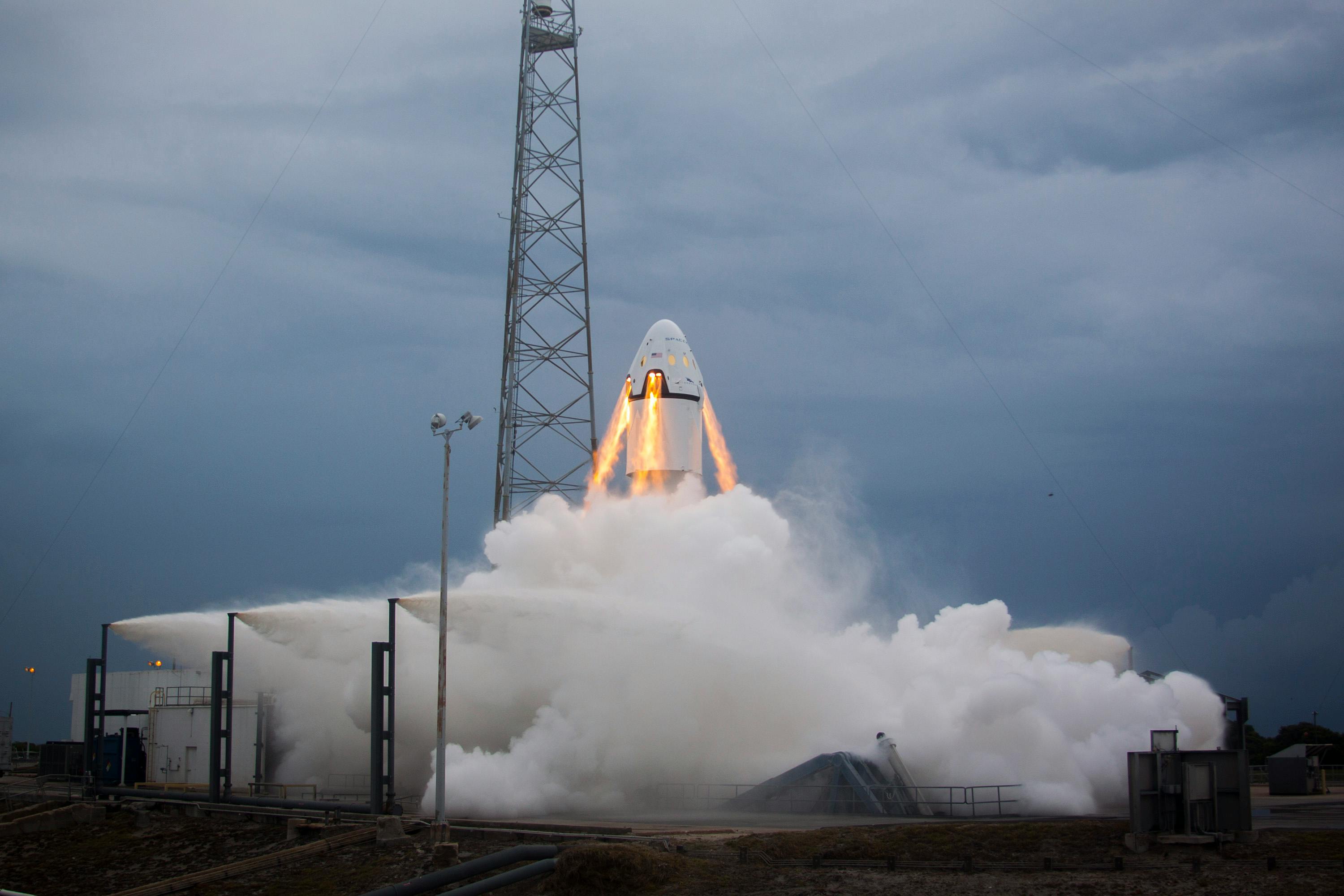
SpaceX receives approval for a new Starship launch complex, while Blue Origin capitalizes on potential challenges faced by SpaceX in lunar missions.