


Starship Flight 13 to Debut First Starlink V3 Satellites | KeepTrack X Report
SpaceX readies Starship Flight 13 for July 16 launch to deploy first Starlink V3 satellites as Falcon 9 logs its 600th booster reuse.



Launch Date
December 27, 1989
Launch Site
PLMSC
Launch Pad
LC32/2
Launch Vehicle
Tsiklon-3
NORAD ID
25709
International Designator
1989-100BE
Decay Date
4/1/2000
Name
SL-14 DEB
Alternative Name
S5M debris
Type
Status
Owner
RVSNR
Country
Russia
Constellation
N/A
Related Satellites
Major Events
N/A
Length
0
Diameter
0
Span
0
Dry Mass
0
Launch Mass
0
Shape
N/A
Radar Cross Section
0.0943
Visual Magnitude
Unknown
Color
Unknown
Material Composition
Unknown
Payload
Unknown
Purpose
Unknown
Mission
Unknown
Manufacturer
Unknown
Life Expectancy
Unknown
Bus
Unknown
Configuration
Unknown
Motor
Unknown
Equipment
Unknown
Power System
Unknown
ADCS
Unknown
Transmitter Frequency
Unknown
Learn more about satellites and other related topics.
SpaceX readies Starship Flight 13 for July 16 launch to deploy first Starlink V3 satellites as Falcon 9 logs its 600th booster reuse.

SpaceX confidentially files for a record-breaking IPO targeting a $1.75T valuation and $80B raise, while a Starlink satellite breaks apart in orbit.

SpaceX advances Starship development while planning future replacements for Falcon and Dragon.

SpaceX celebrates 300 successful booster landings, further solidifying its dominance in reusable rocket technology.
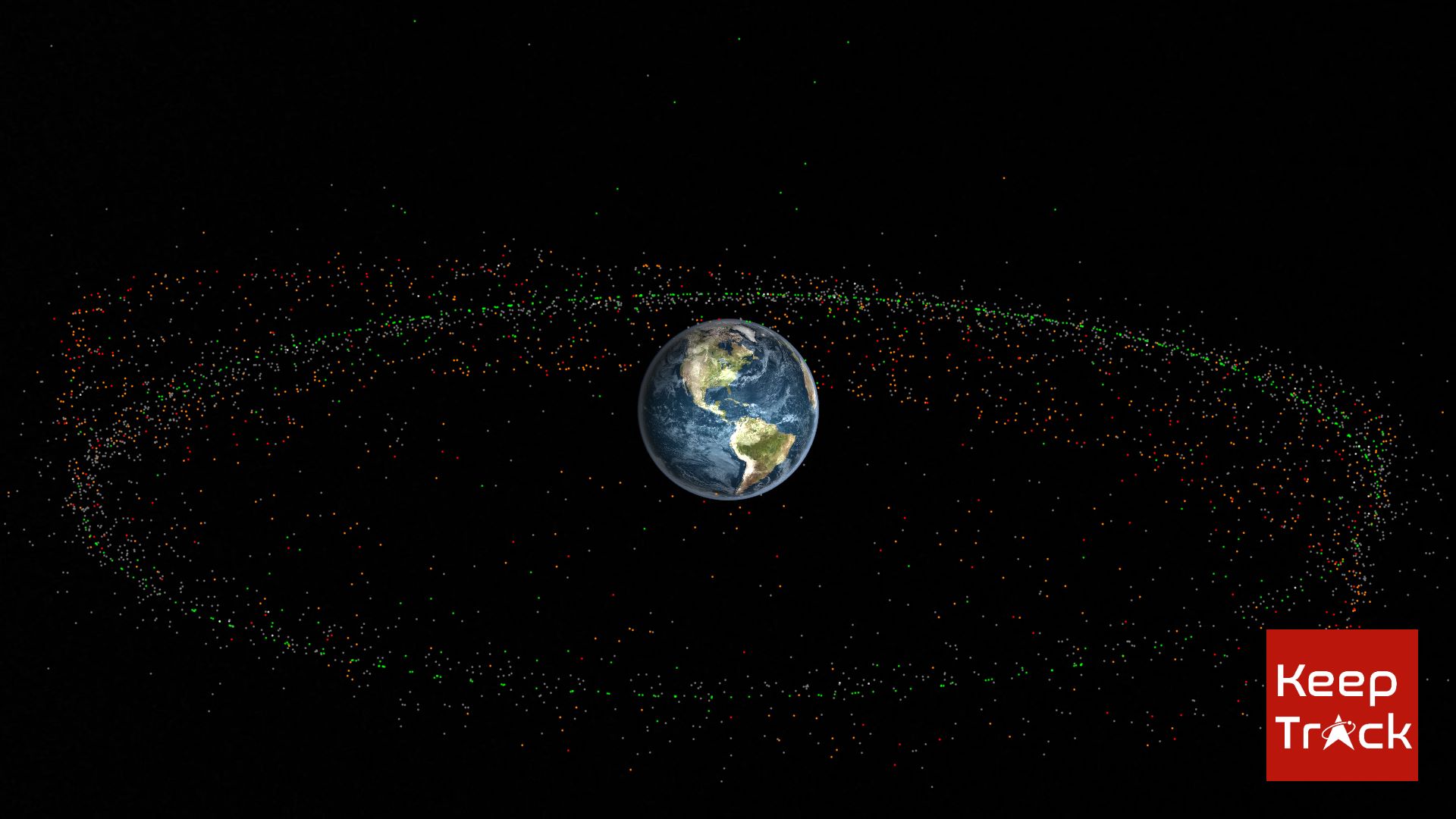
Understanding the unique orbital sweet spot that keeps satellites perfectly positioned above Earth
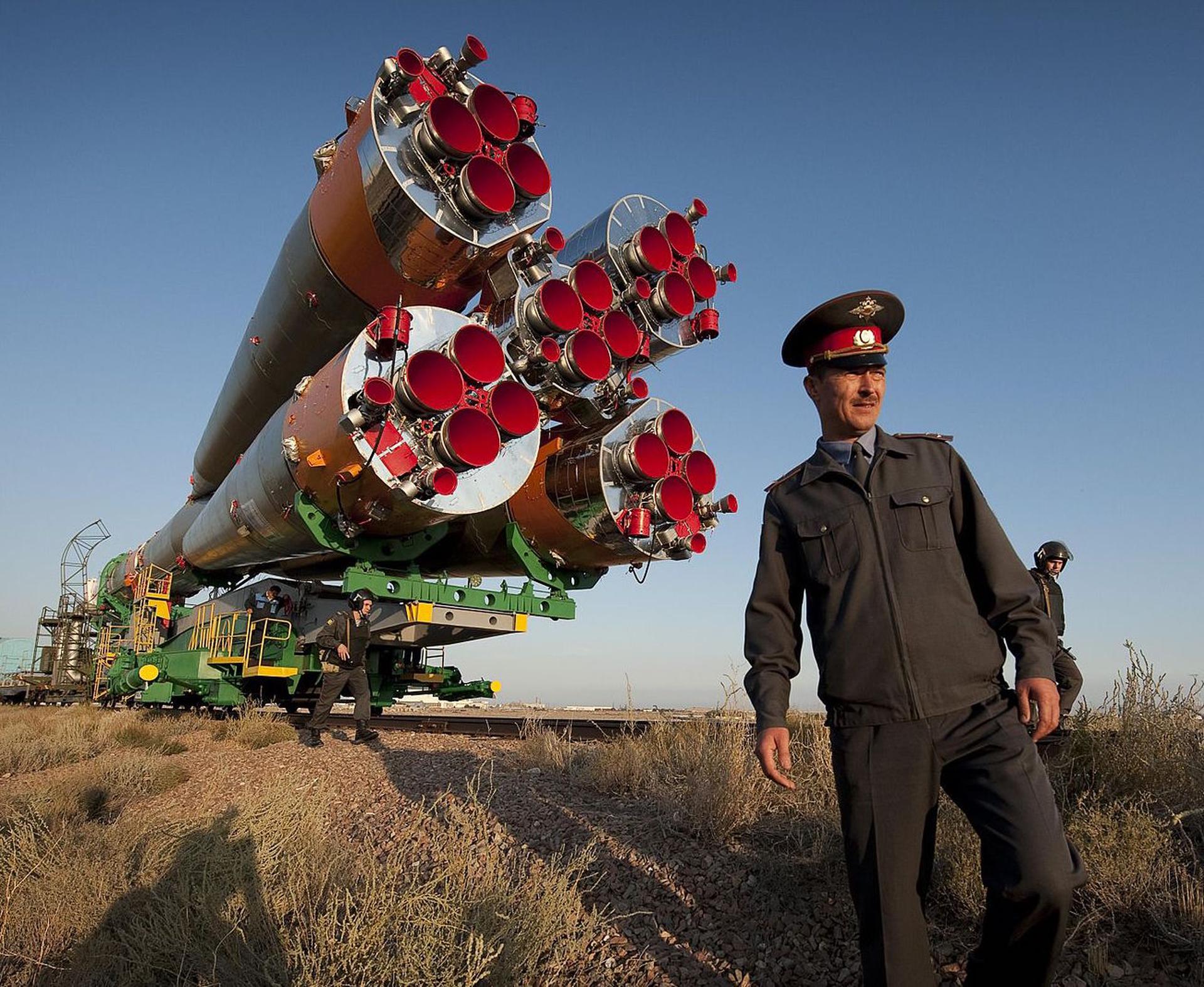
Today's Space Brief covers major upcoming launches from SpaceX, US military missile tests, and developments in Virgin Galactic's fleet expansion. Stay informed on key satellite events and launch updates.
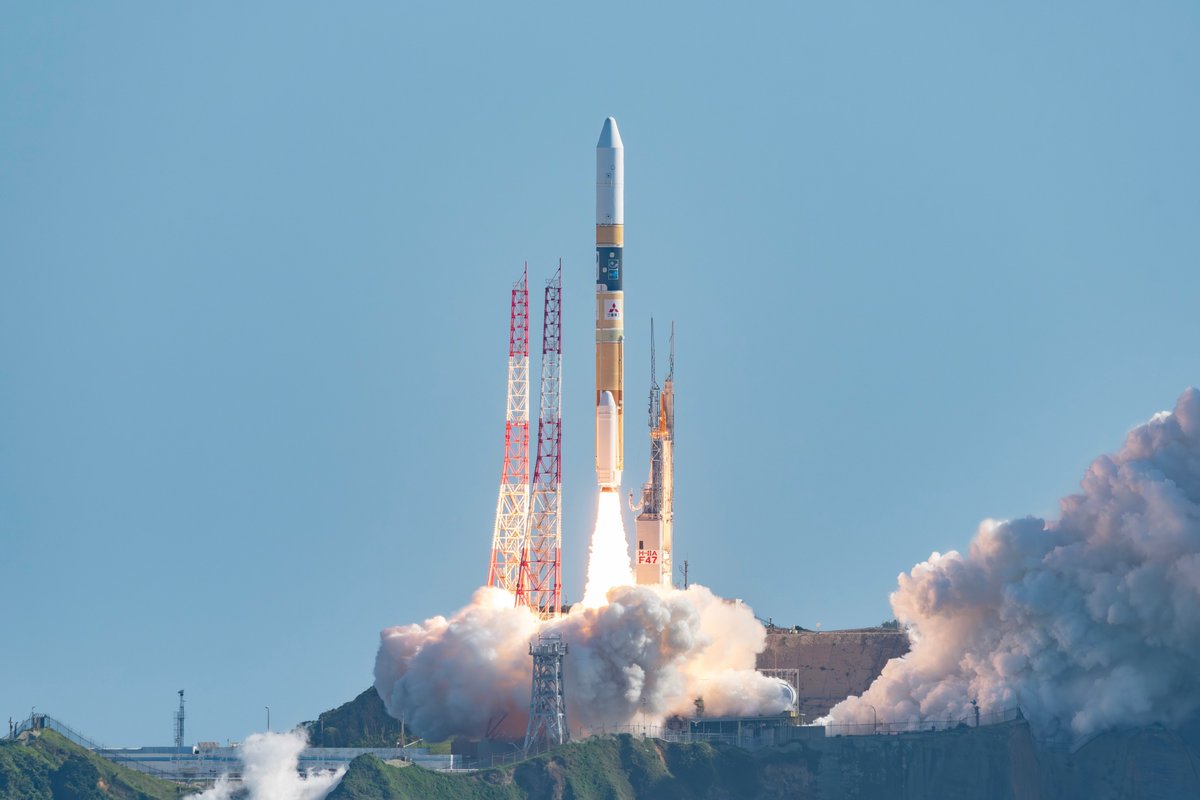
Significant advancements and launches in space: NASA's hypersonic sensor breakthrough, ChinaSat-9C's launch, and SpaceX's resilient Falcon 9 operations.
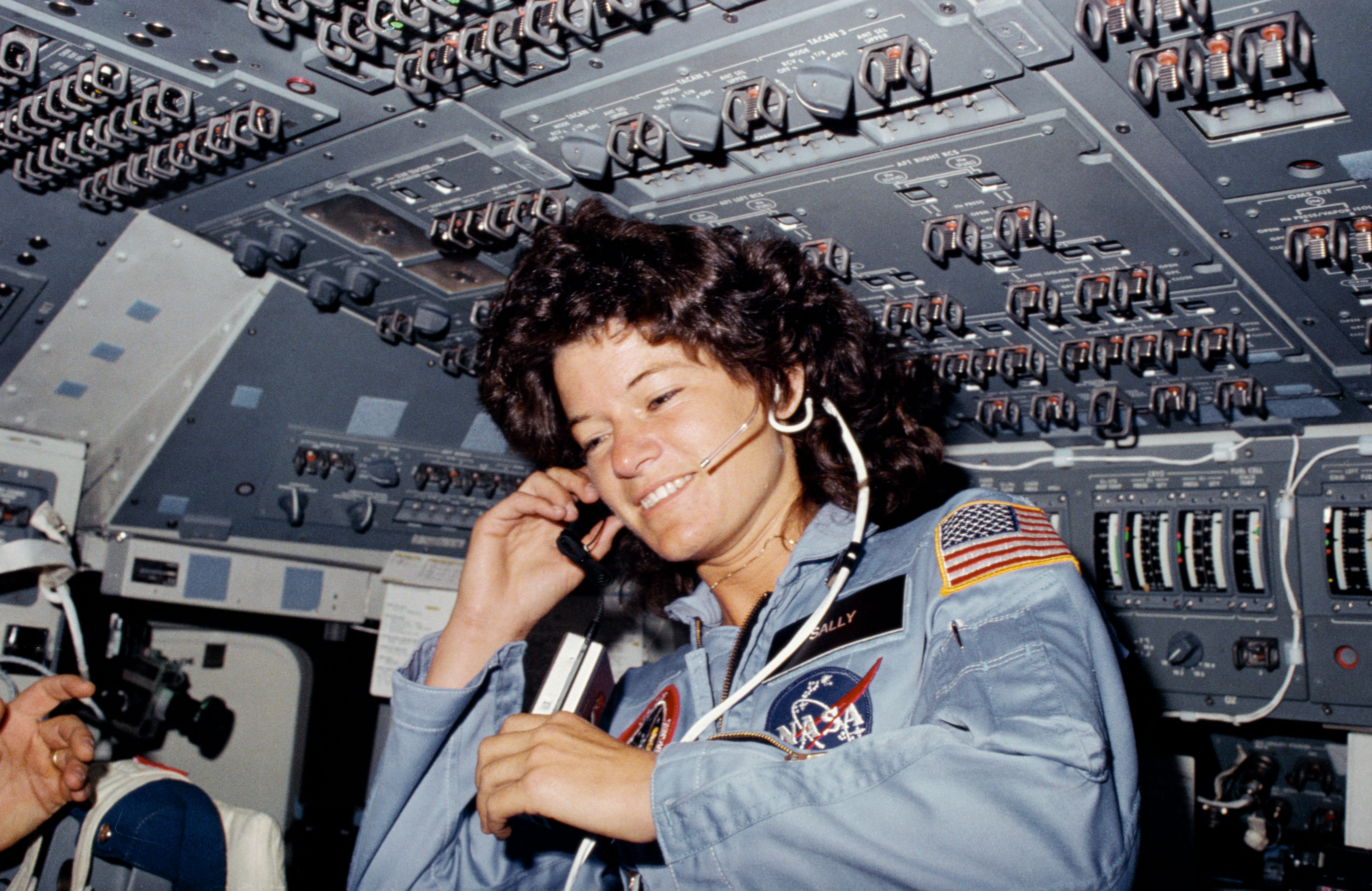
At 7:33 on the morning of 18 June 1983, a 32-year-old astrophysicist named Sally Ride rode Challenger off Pad 39A and became the first American woman in space. She got there two decades after the Soviets, and only after months of being asked whether spaceflight would damage her reproductive organs and whether she planned to cry.