


X Report 24 Dec 2025
SpaceX gears up for significant 2026 launches while a Starlink satellite anomaly provides insights into its operations.


Launch Date
April 21, 1999
Launch Site
Launch Pad
LC109/95
Launch Vehicle
Dnepr
NORAD ID
25695
International Designator
1999-021C
Epoch
Sat, 04 Jul 2026 05:04:12 GMT
Apogee
Calculating...
Perigee
Calculating...
Inclination
64.55°
Right Ascension
113.61°
Eccentricity
Calculating...
Argument of Perigee
304.42°
Period
104.87 min
Mean Motion
13.73 rev/day
Latitude
Calculating...
Longitude
Calculating...
Altitude
Calculating...
Velocity
Calculating...
Name
SS-18 R/B
Alternative Name
Dnepr 01 Stage 3
Type
Status
Owner
KTRAS
Country
Russia
Constellation
N/A
Related Satellites
Major Events
N/A
1 25695U 99021C 26185.21126003 .00000084 00000-0 66186-4 0 9998
2 25695 64.5534 113.6134 0567085 304.4205 50.4468 13.73069162362314
Source: Celestrak
Length
3
Diameter
3
Span
3
Dry Mass
1000
Launch Mass
1000
Shape
Cyl
Radar Cross Section
9.5258
Visual Magnitude
Unknown
Color
Unknown
Material Composition
Unknown
Payload
R-36M2 DS
Purpose
Unknown
Mission
Unknown
Manufacturer
YUZHUA
Life Expectancy
Unknown
Bus
15A18-BR
Configuration
Unknown
Motor
Unknown
Equipment
Unknown
Power System
Unknown
ADCS
Unknown
Transmitter Frequency
Unknown
Learn more about satellites and other related topics.
SpaceX gears up for significant 2026 launches while a Starlink satellite anomaly provides insights into its operations.

Today's recap covers SpaceX's role in record launch numbers, the FCC's spectrum allocation for launches, and the historical portrayal of the Ingenuity helicopter.
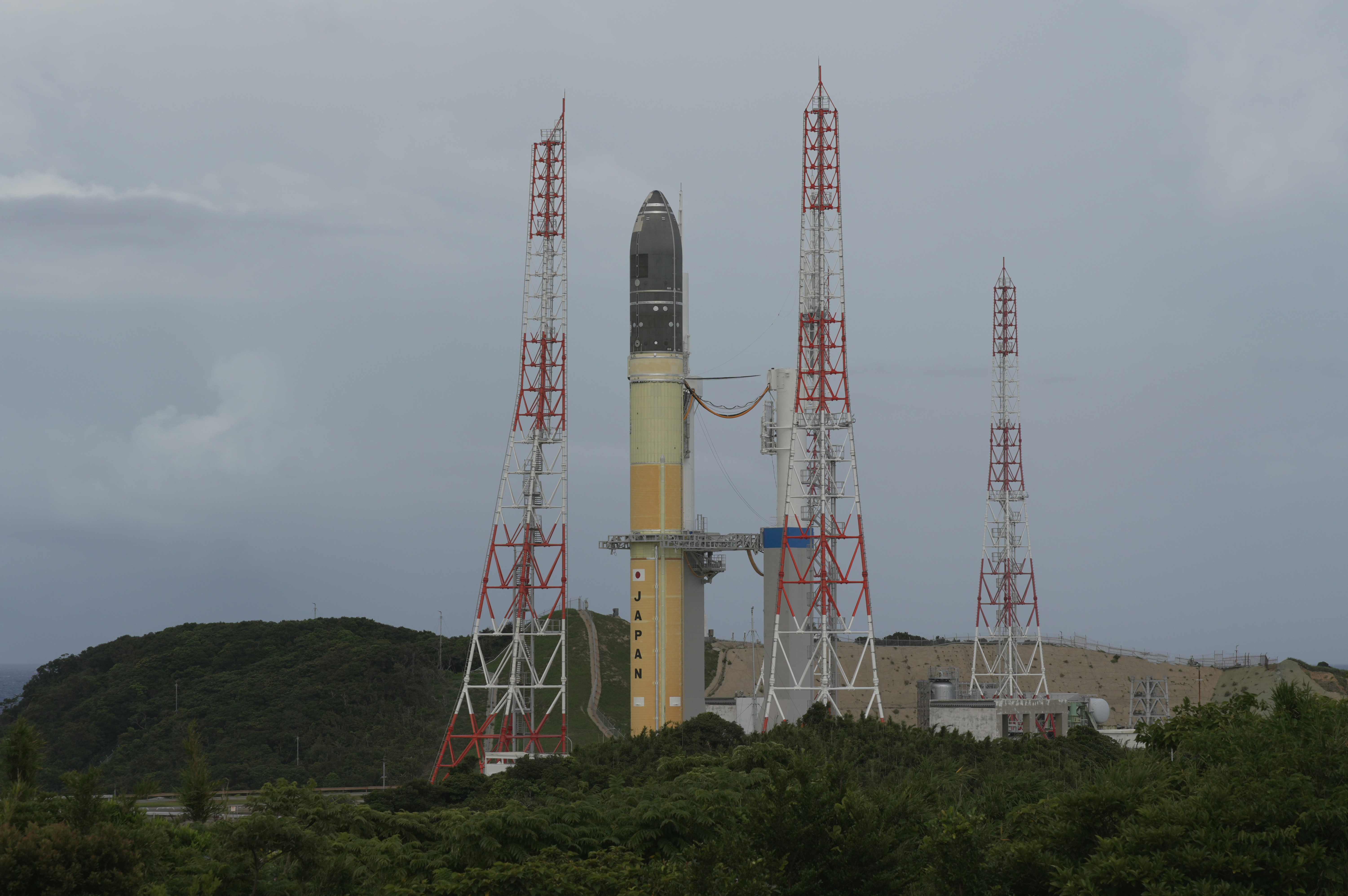
NASA demands Blue Origin find alternate launcher for Artemis moon landers after New Glenn test explosion damaged Cape Canaveral LC-36. Schedule risk to lunar missions.
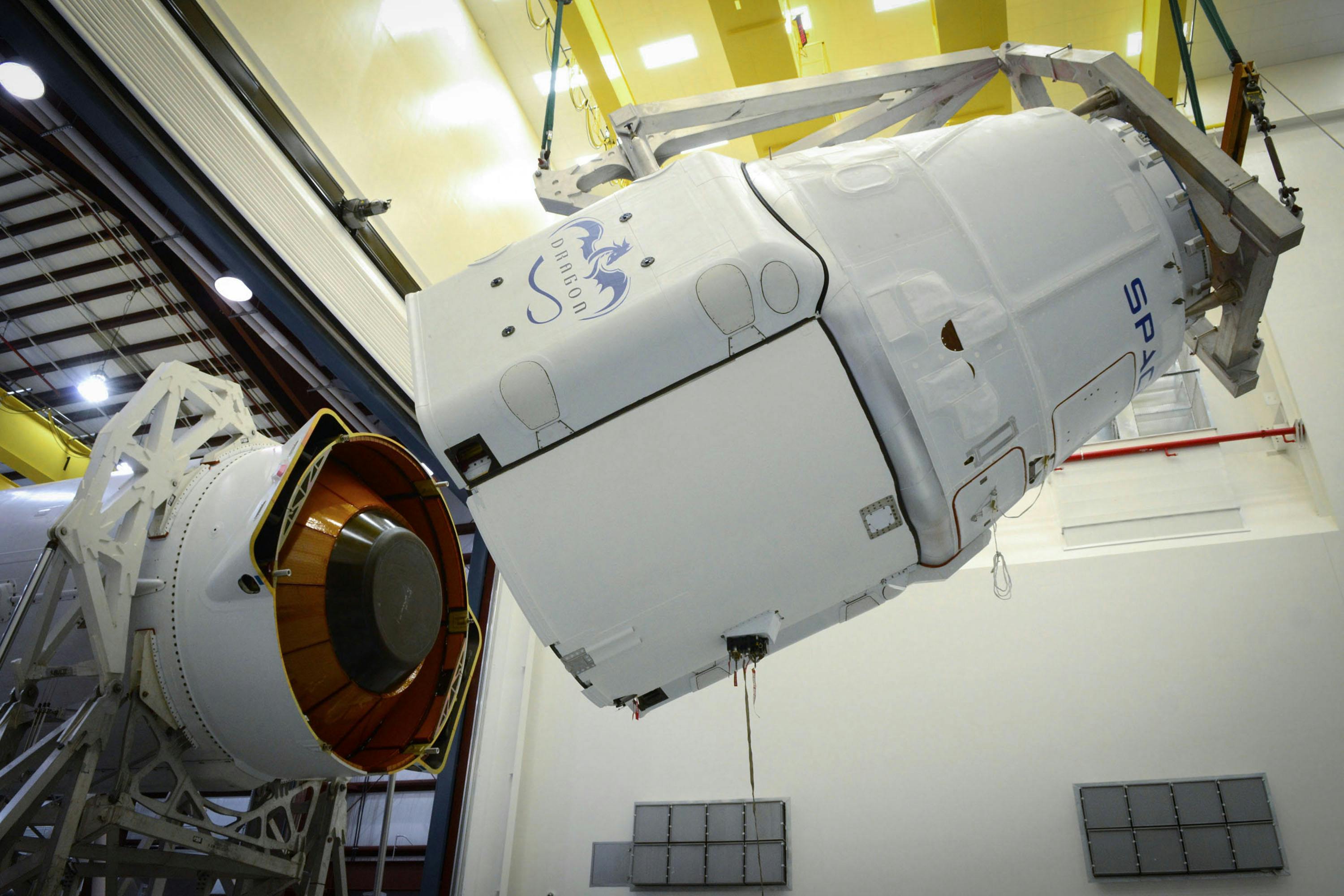
SpaceX successfully launched the Transporter-15 rideshare mission, deploying 140 payloads including significant international contributions. Meanwhile, the company progresses with Booster 19 stacking after the recent Booster 18 anomaly.
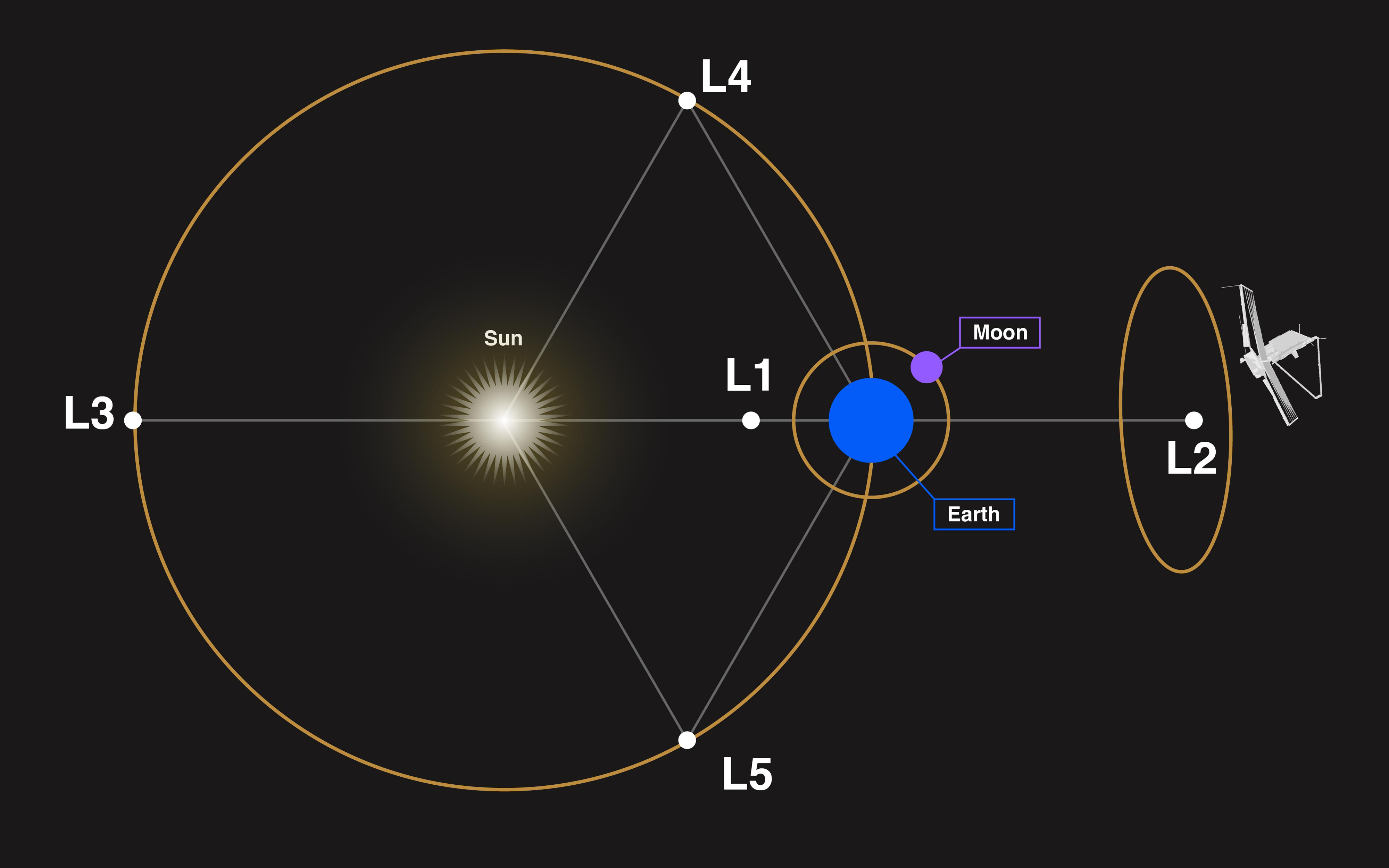
Five spots in the Earth-Sun system where the gravitational tug of two massive bodies and the pull of circular motion all cancel out, creating gravitational parking spaces where spacecraft can sit for decades with almost no fuel.

Today's briefing covers the U.S. Space Force's substantial investments in commercial satellite services, a strategic military shift, Chinese space station upgrades, and NASA's policy changes.
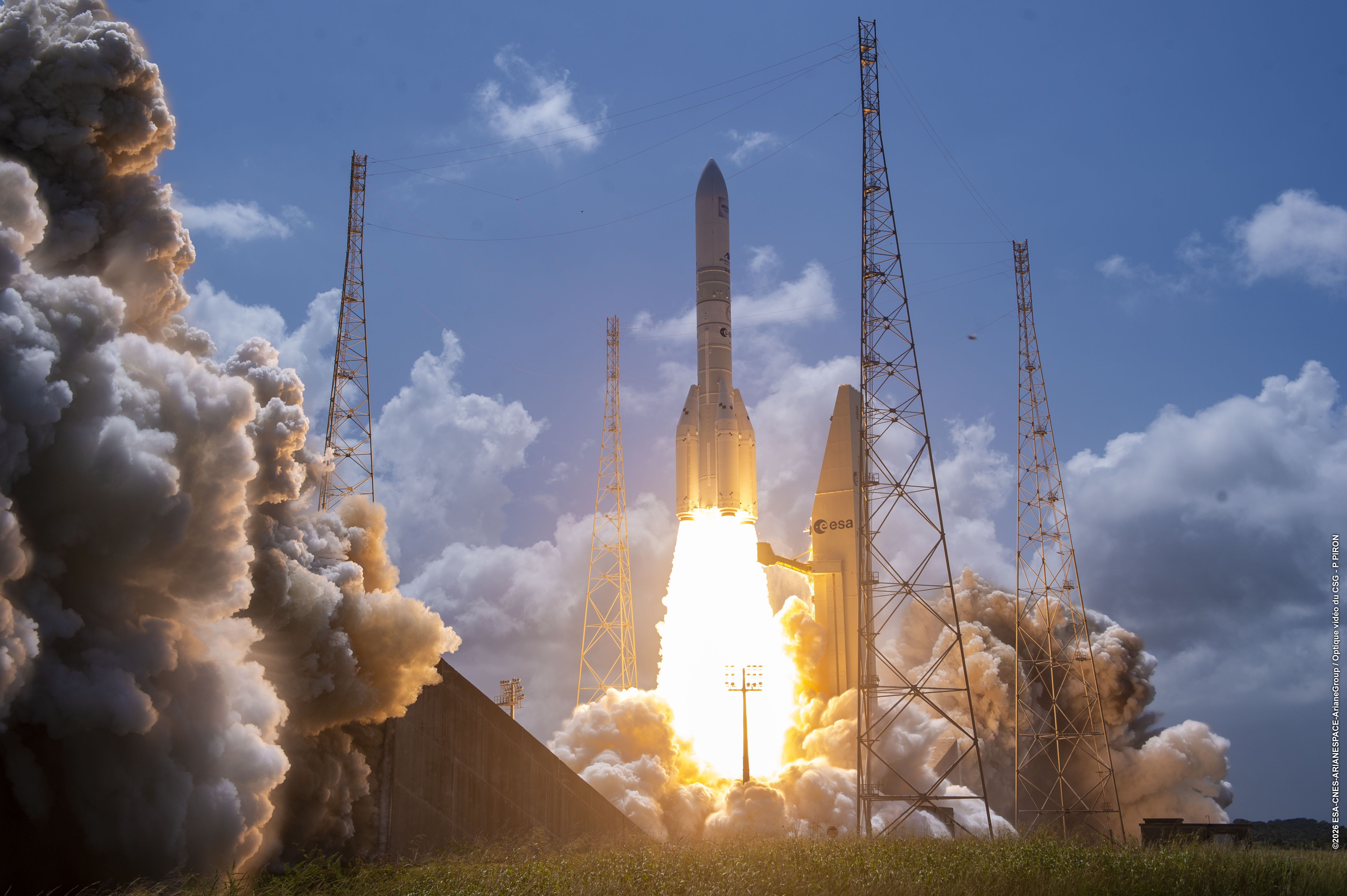
Space Force RCO awarded SBIR contracts for radar-detection payloads to counter adversary surveillance of U.S. satellites. Follow-on miniaturization effort already planned.
SpaceX swaps Crew Dragon capsules with NASA to accelerate Crew-10 launch, and successfully launches multiple Starlink satellites into orbit.