MIR DEB (25689)

COSPAR: 1986-017ND | Alt Name: EO-27 EVA-1 debris
DECAYED

Image
MIR DEB Satellite Image
Additional Sources
Launch Details

Launch Date

February 19, 1986

Launch Pad

LC1

Launch Vehicle

Soyuz-U

Orbital Elements

NORAD ID

25689

International Designator

1986-017ND

Decay Date

4/21/1999

Basic Satellite Info

Name

MIR DEB

Alternative Name

EO-27 EVA-1 debris

Type

Debris

Status

Space Junk

Owner

RKKE

Country

Russia

Constellation

N/A

Related Satellites

Major Events

N/A

Summary
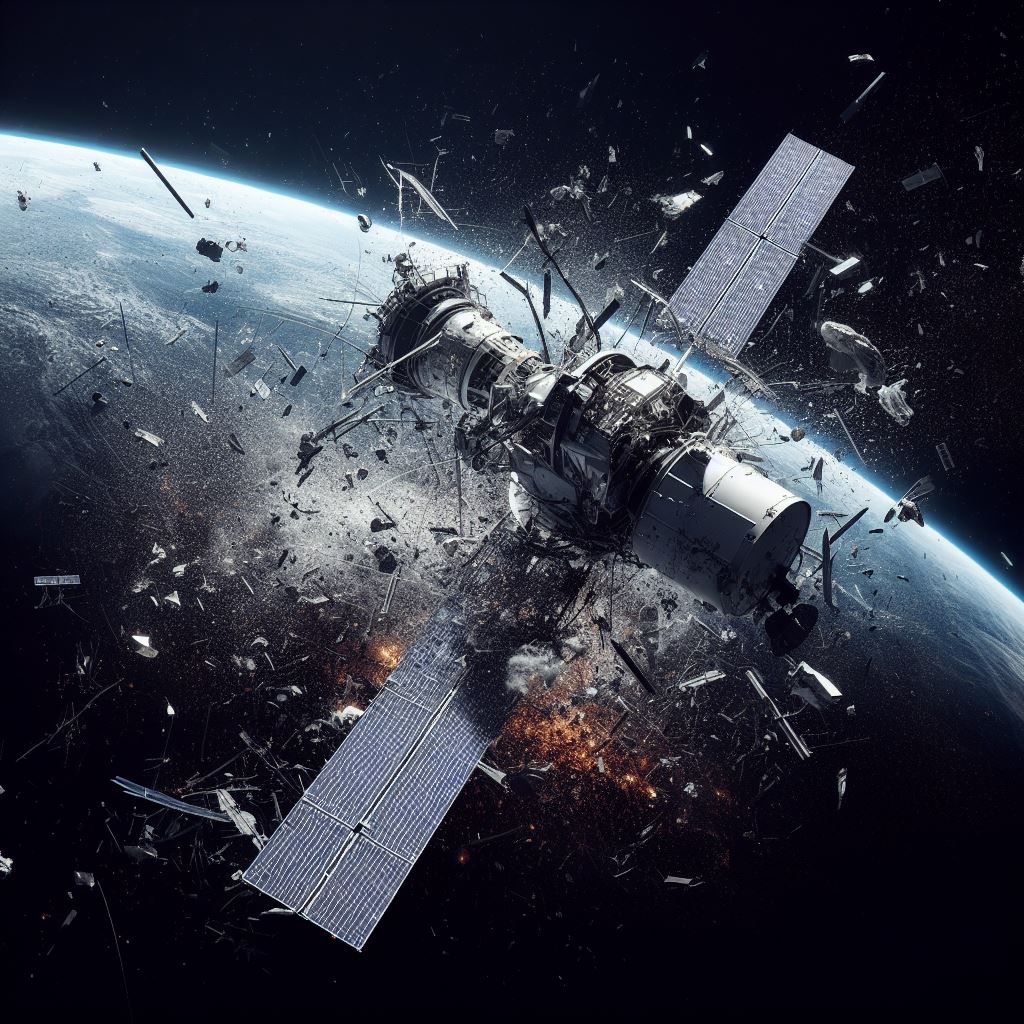
Space debris, also known as space junk, encompasses all non-functional objects orbiting Earth such as defunct satellites, spent rocket stages, and fragments from collisions or disintegrations. Over time, this debris can accumulate and create an increasingly hazardous environment in orbit. Even tiny fragments, traveling at extremely high velocities, can inflict significant damage on operational satellites and spacecraft. If left unmanaged, the density of debris raises the risk of catastrophic collisions and further fragmentation, compounding the problem and threatening the safety and sustainability of space activities.
Physical Characteristics

Length

0

Diameter

0

Span

0

Dry Mass

0

Launch Mass

0

Shape

N/A

Radar Cross Section

Unknown

Visual Magnitude

Unknown

Color

Unknown

Material Composition

Unknown

Technical Details

Payload

Unknown

Purpose

Unknown

Mission

Unknown

Manufacturer

Unknown

Life Expectancy

Unknown

Bus

Unknown

Configuration

Unknown

Motor

Unknown

Equipment

Unknown

Power System

Unknown

ADCS

Unknown

Transmitter Frequency

Unknown

Satellite Articles

View All Posts »

Learn more about satellites and other related topics.

The Kessler Syndrome

The Kessler Syndrome

The Kessler Syndrome threatens humanity's future in space as cascading satellite collisions create exponential debris growth. With 36,000+ tracked objects and recent incidents accelerating risks, we face a critical juncture: implement solutions now or potentially lose access to low Earth orbit forever.
X Report 1 Sep 2025

X Report 1 Sep 2025

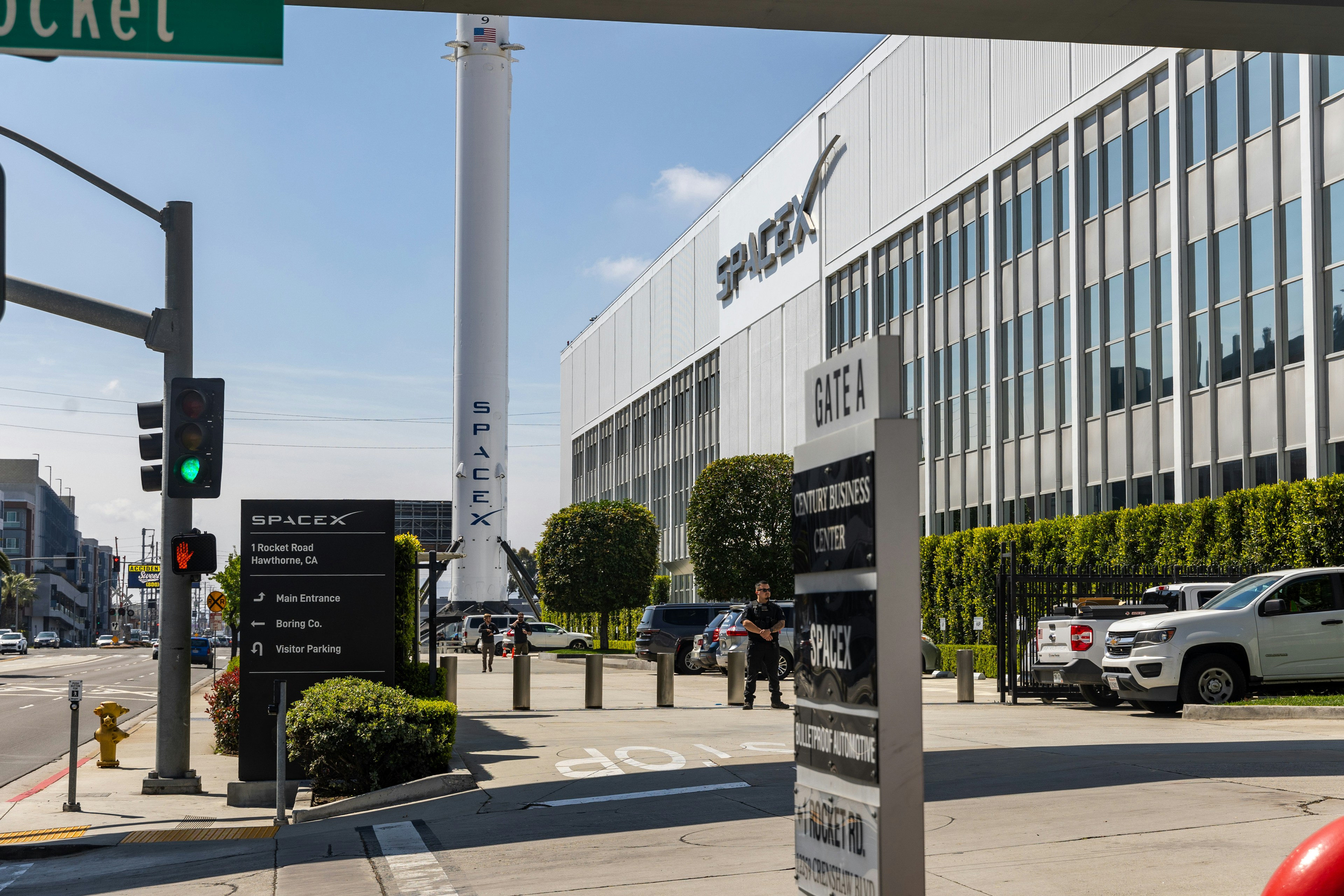
SpaceX successfully launched 28 Starlink satellites from Florida, continuing its momentum in expanding global internet coverage.

The Day Soviet Women Reached for the Stars

The Day Soviet Women Reached for the Stars

Sixty-three years ago, the Soviet Union selected the world's first female cosmonaut training group, launching a new era in human spaceflight that would transform our understanding of gender equality in space exploration

Space Brief 18 Jun 2025

Space Brief 18 Jun 2025

Today's updates cover crucial developments in satellite licensing reforms, defense cybersecurity, and AI integration within government sectors.

The Day That Humans Discovered Rocket Fuel

The Day That Humans Discovered Rocket Fuel

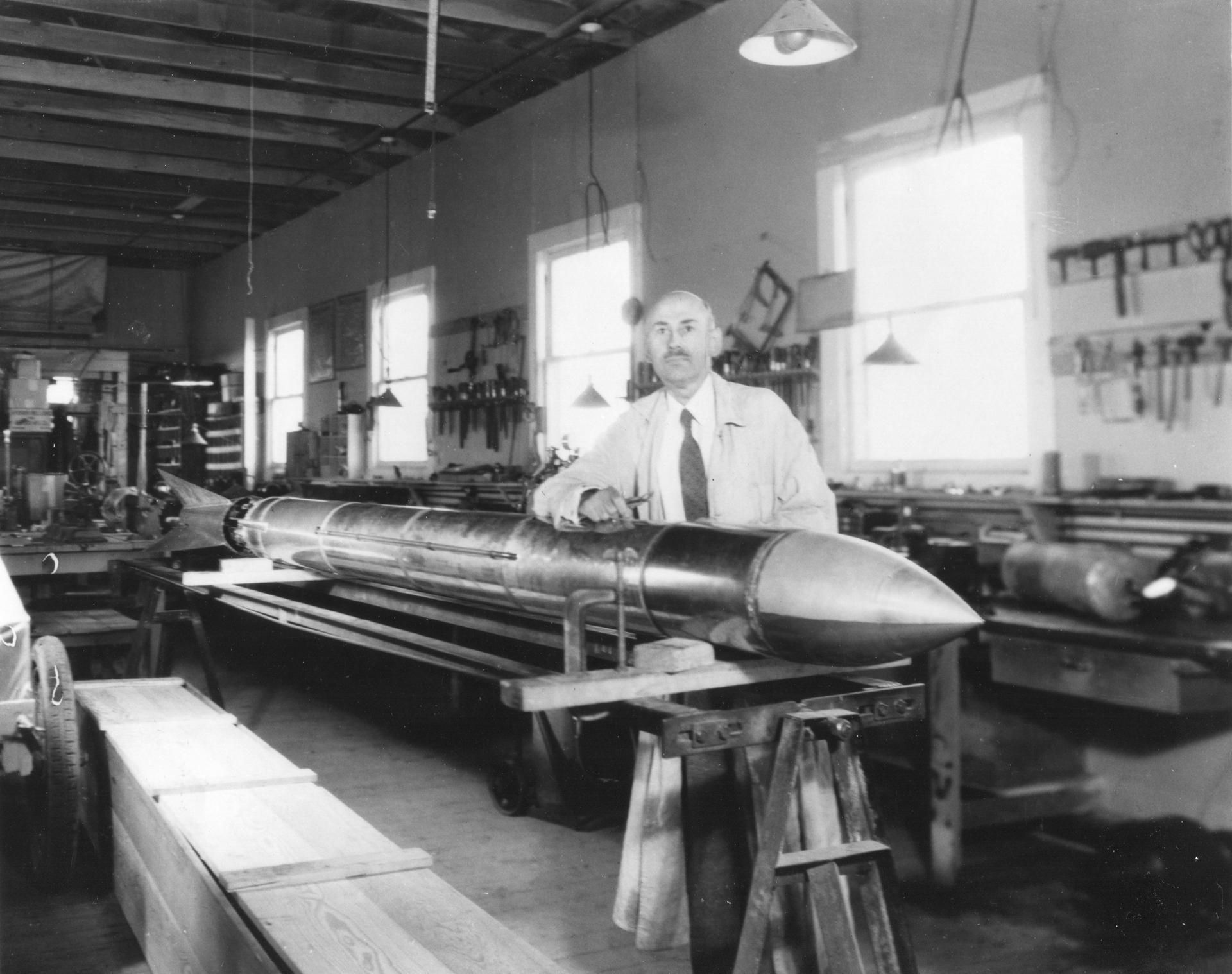
On February 2, 1909, Robert Goddard made a revolutionary breakthrough in his notebook: liquid oxygen and liquid hydrogen could achieve 50% efficiency in converting heat energy to kinetic energy for rocket propulsion

Starbase Pad 2 Preps for Booster 19, Starlink Disrupts Russian Comms | KeepTrack X Report

Starbase Pad 2 Preps for Booster 19, Starlink Disrupts Russian Comms | KeepTrack X Report

Starbase Pad 2 passes water-cooled deck test ahead of Booster 19. Starlink restrictions disrupt Russian battlefield communications. California city weighs banning Musk companies.

New Glenn Achieves First Booster Reuse on Mission 3 | KeepTrack Space Brief

New Glenn Achieves First Booster Reuse on Mission 3 | KeepTrack Space Brief

Blue Origin's New Glenn successfully reused its first stage booster for the first time on Mission 3, launching April 19. Booster reuse accelerates operational tempo.

X Report 17 Mar 2025

X Report 17 Mar 2025

SpaceX's Crew-10 mission safely docks with the ISS, setting up for a crew rotation. Starlink continues its global expansion with additional satellite deployments.