

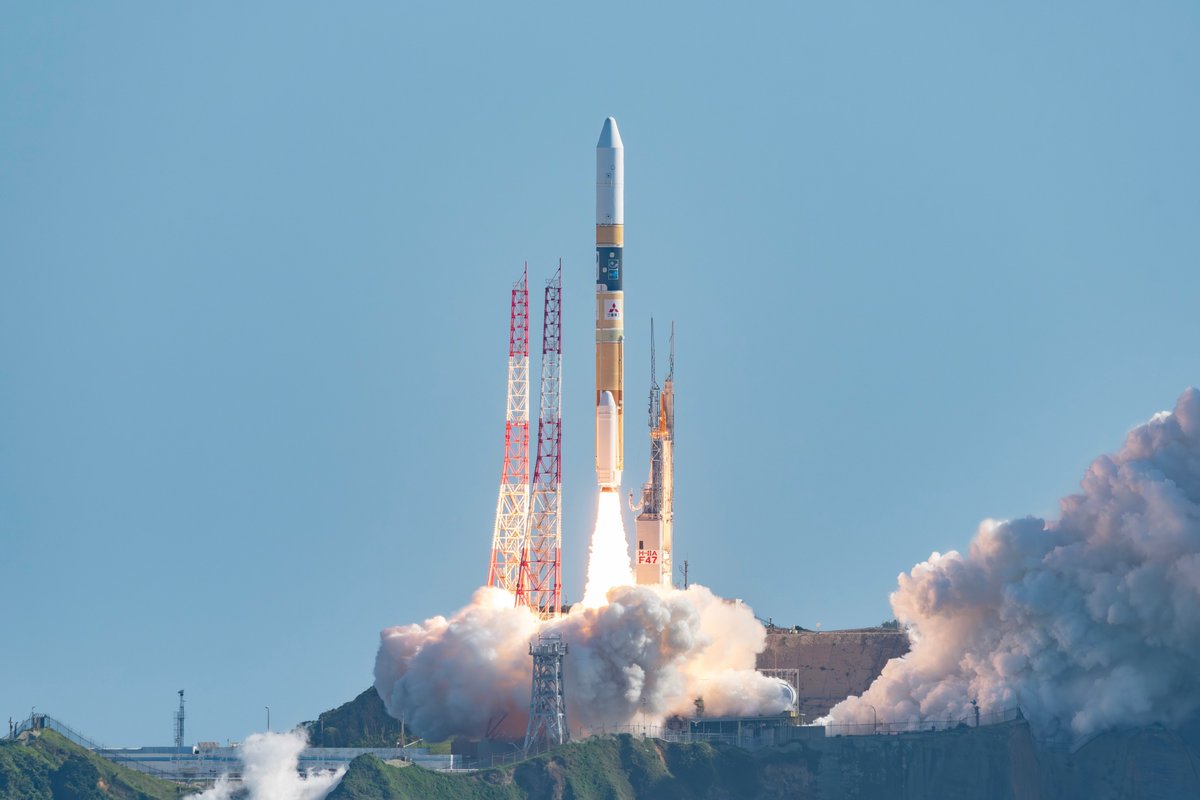
Space Brief 16 Jun 2025
Today's update covers NASA's Ax-4 mission preparations, ESA's satellite imaging program, Ursa Major's military contract, and China's expanding nuclear arsenal.


Launch Date
February 7, 1999
Launch Site
Launch Pad
SLC17A
Launch Vehicle
Delta 7426-9.5
NORAD ID
25618
International Designator
1999-003A
Decay Date
Unknown
Name
STARDUST
Alternative Name
Stardust
Type
Status
Owner
JPL
Country
United States
Constellation
N/A
Related Satellites
Major Events
N/A
Length
1.7
Diameter
0.6
Span
4.8
Dry Mass
254
Launch Mass
339
Shape
Box + 2 Pan
Radar Cross Section
Unknown
Visual Magnitude
Unknown
Color
Unknown
Material Composition
Unknown
Payload
Stardust
Purpose
Comet coma sample return
Mission
Comet coma sample return
Manufacturer
LMA/DENV
Life Expectancy
7 years (planned), 12 years (achieved)
Bus
Space Probe
Configuration
SpaceProbe Bus
Motor
AOCS 8x4N
Equipment
Collector, Sample Return Capsule (SRC), Whipple-shields
Power System
2 deployable fixed solar arrays, batteries
ADCS
Unknown
Transmitter Frequency
Unknown
Learn more about satellites and other related topics.
Today's update covers NASA's Ax-4 mission preparations, ESA's satellite imaging program, Ursa Major's military contract, and China's expanding nuclear arsenal.

What happens when space objects come home: the fiery physics of returning from orbit and why predicting where debris lands is so difficult

Today's briefing covers collaborations enhancing defense capabilities, new satellite technologies entering the market, and strategic shifts in military satellite applications.
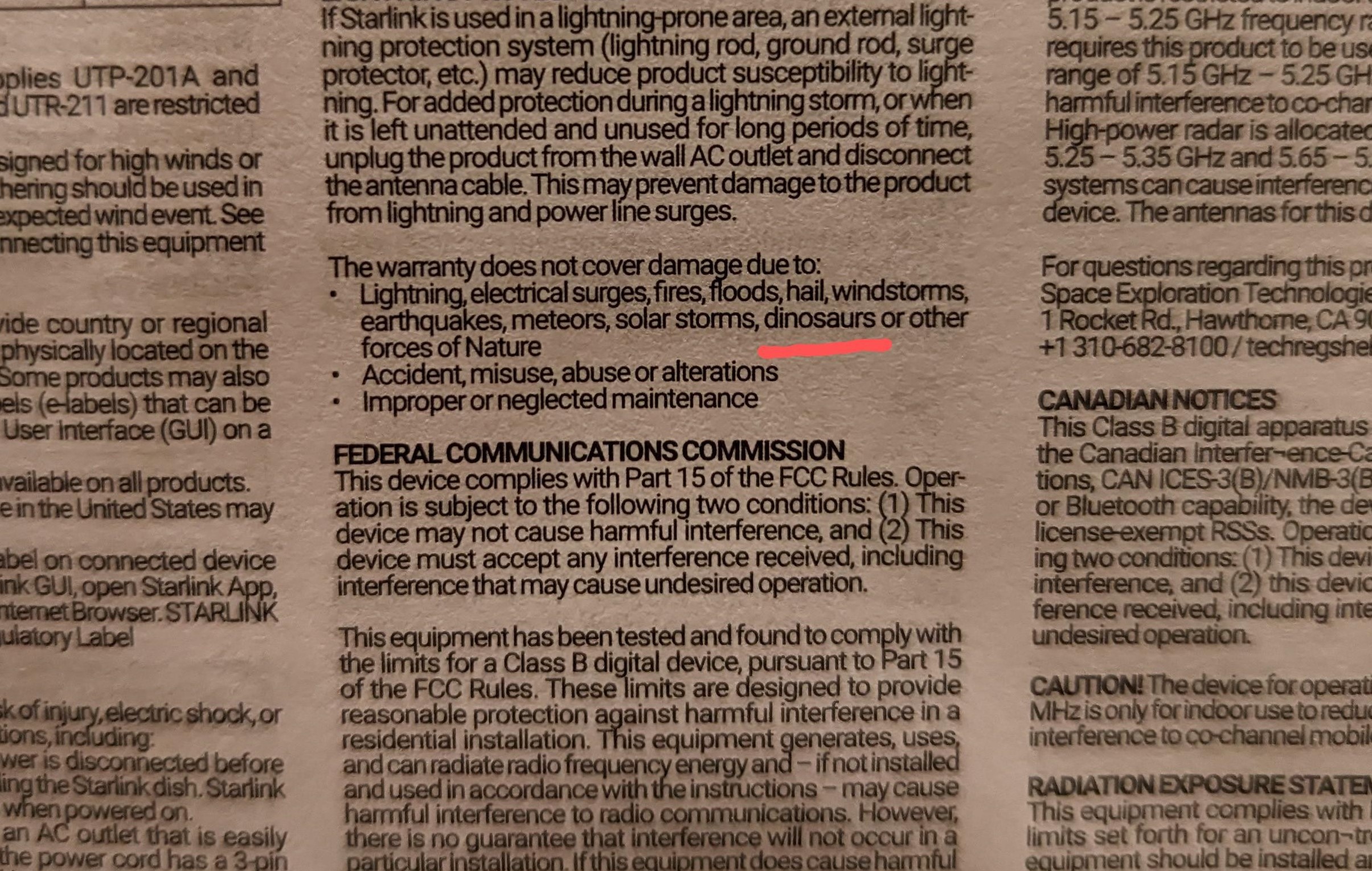
Discover the hidden gems and lesser-known aspects of SpaceX's revolutionary Starlink satellite internet service, from Easter eggs to advanced technical features.

AST SpaceMobile's BlueBird constellation is a bet that raw aperture size wins. Each satellite unfolds a 64-square-meter phased-array antenna in orbit, the largest commercial antenna ever deployed. The company claims a stock smartphone on the ground can connect directly to it. The competition says the physics doesn't support that. Seventeen satellites in and a contract with AT&T, Verizon, and Vodafone, somebody's math is wrong.
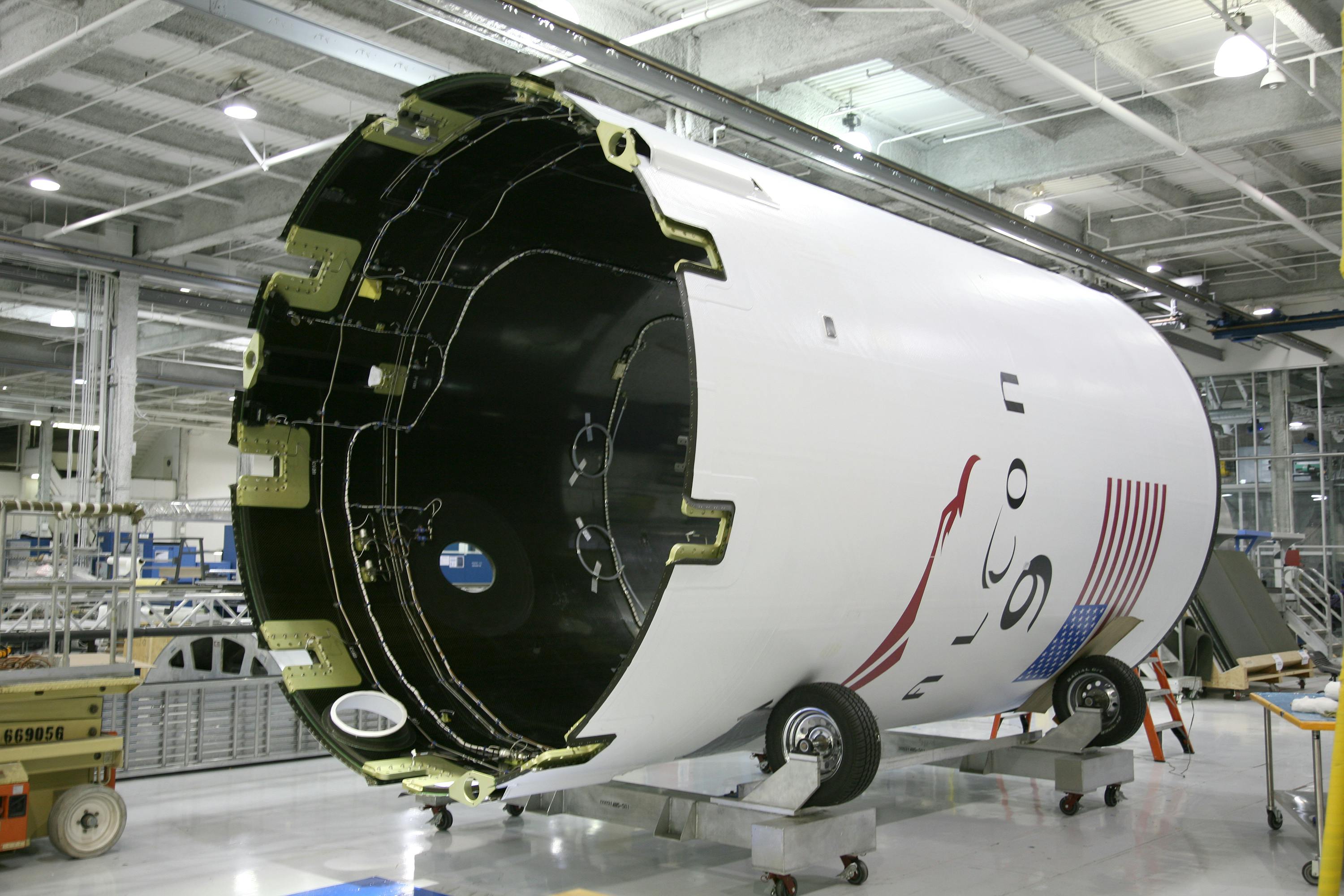
SpaceX flew a Falcon 9 booster for a record 35th time on July 10, deploying 29 Starlink satellites as direct-to-cell tech expands to pet collars.

Today's Space Brief highlights Innospace's upcoming orbital launch, SpaceX's record-setting Starlink mission, China's Thousand Sails constellation, Atomic-6's new space armor, and developments in SpaceX's West Coast facilities.
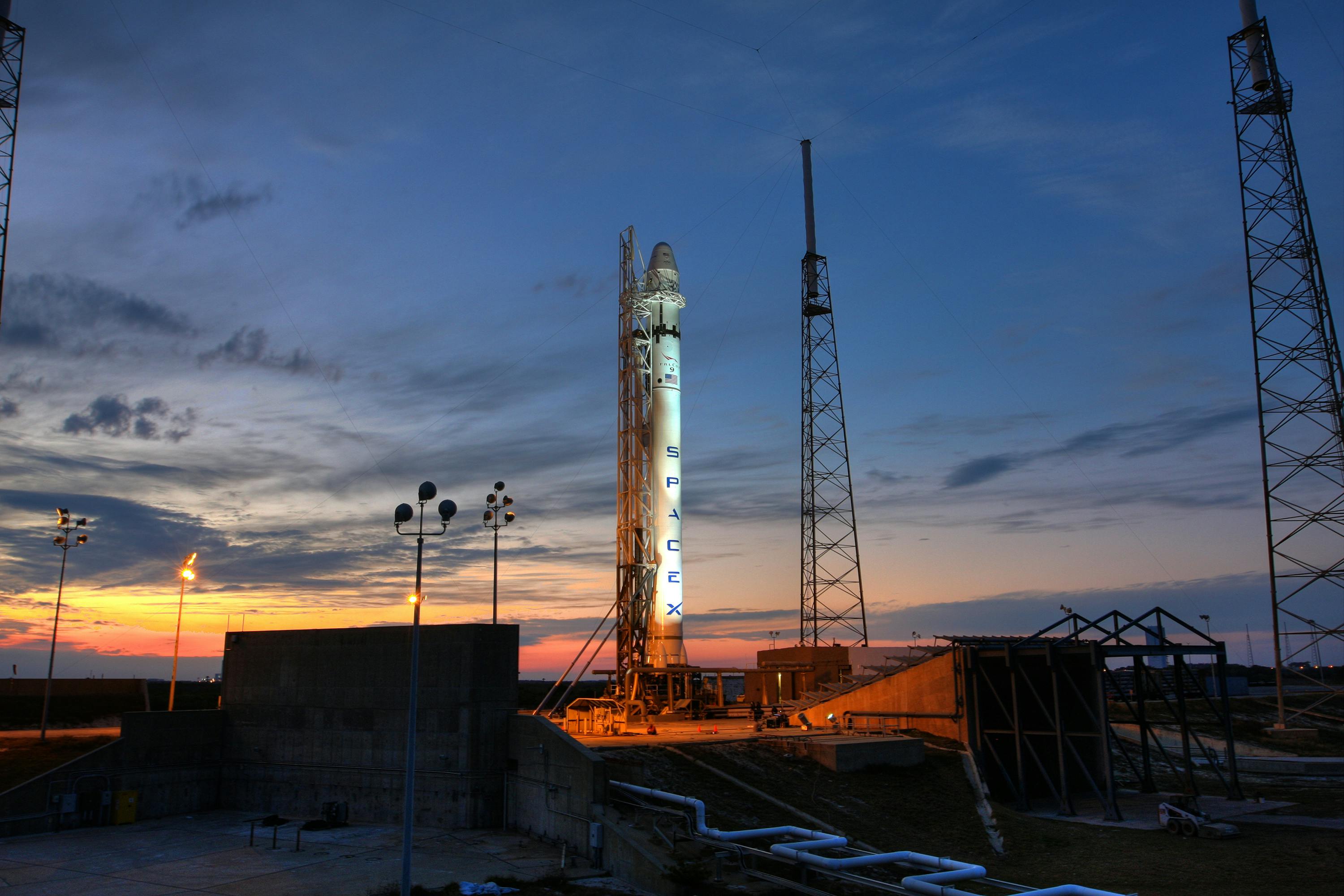
Starship Flight 8 ends with mixed results as SpaceX successfully catches Super Heavy booster but loses the upper stage in a fiery breakup.