



Space Brief 9 Jan 2025
Today's briefing includes new appointments in U.S. military and defense sectors, X-37B's continued mission, and international policy shifts affecting satellite technology sales.



Launch Date
September 2, 1988
Launch Site
Launch Pad
LC40
Launch Vehicle
Titan 34D/Transtage
NORAD ID
25587
International Designator
1988-077S
Epoch
Sat, 04 Jul 2026 03:34:51 GMT
Apogee
Calculating...
Perigee
Calculating...
Inclination
27.29°
Right Ascension
245.48°
Eccentricity
Calculating...
Argument of Perigee
92.85°
Period
316.46 min
Mean Motion
4.55 rev/day
Latitude
Calculating...
Longitude
Calculating...
Altitude
Calculating...
Velocity
Calculating...
Name
TITAN 34D TRANSTAGE DEB
Alternative Name
deb Transtage D-3
Type
Status
Owner
AFSD
Country
United States
Constellation
N/A
Related Satellites
Major Events
N/A
1 25587U 88077S 26185.14921202 .00000016 00000-0 77066-4 0 9997
2 25587 27.2899 245.4841 5504269 92.8454 328.0409 4.55034280115382
Source: Celestrak
Length
0
Diameter
0
Span
0
Dry Mass
0
Launch Mass
0
Shape
N/A
Radar Cross Section
Unknown
Visual Magnitude
Unknown
Color
Unknown
Material Composition
Unknown
Payload
Unknown
Purpose
Unknown
Mission
Unknown
Manufacturer
Unknown
Life Expectancy
Unknown
Bus
Unknown
Configuration
Unknown
Motor
Unknown
Equipment
Unknown
Power System
Unknown
ADCS
Unknown
Transmitter Frequency
Unknown
Learn more about satellites and other related topics.
Today's briefing includes new appointments in U.S. military and defense sectors, X-37B's continued mission, and international policy shifts affecting satellite technology sales.

U.S. Space Force executes first tactical orbital intercept under Victus Haze mission using commercial spacecraft. Rendezvous and proximity operations now operationally demonstrated.
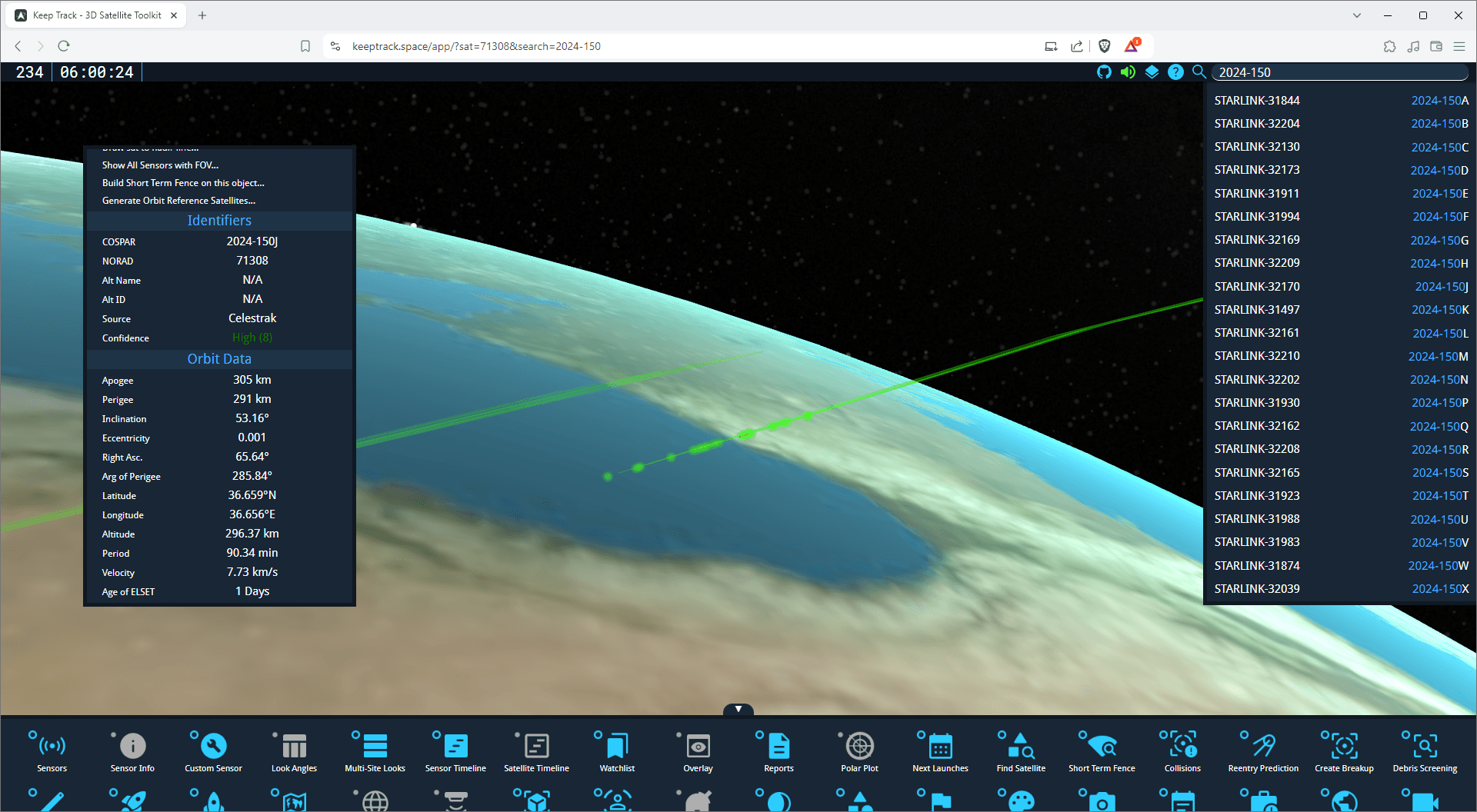
Recent Starlink launches, autonomous navigation for satellite swarms, major funding for asteroid mining, and insights into NASA's various projects and developments.
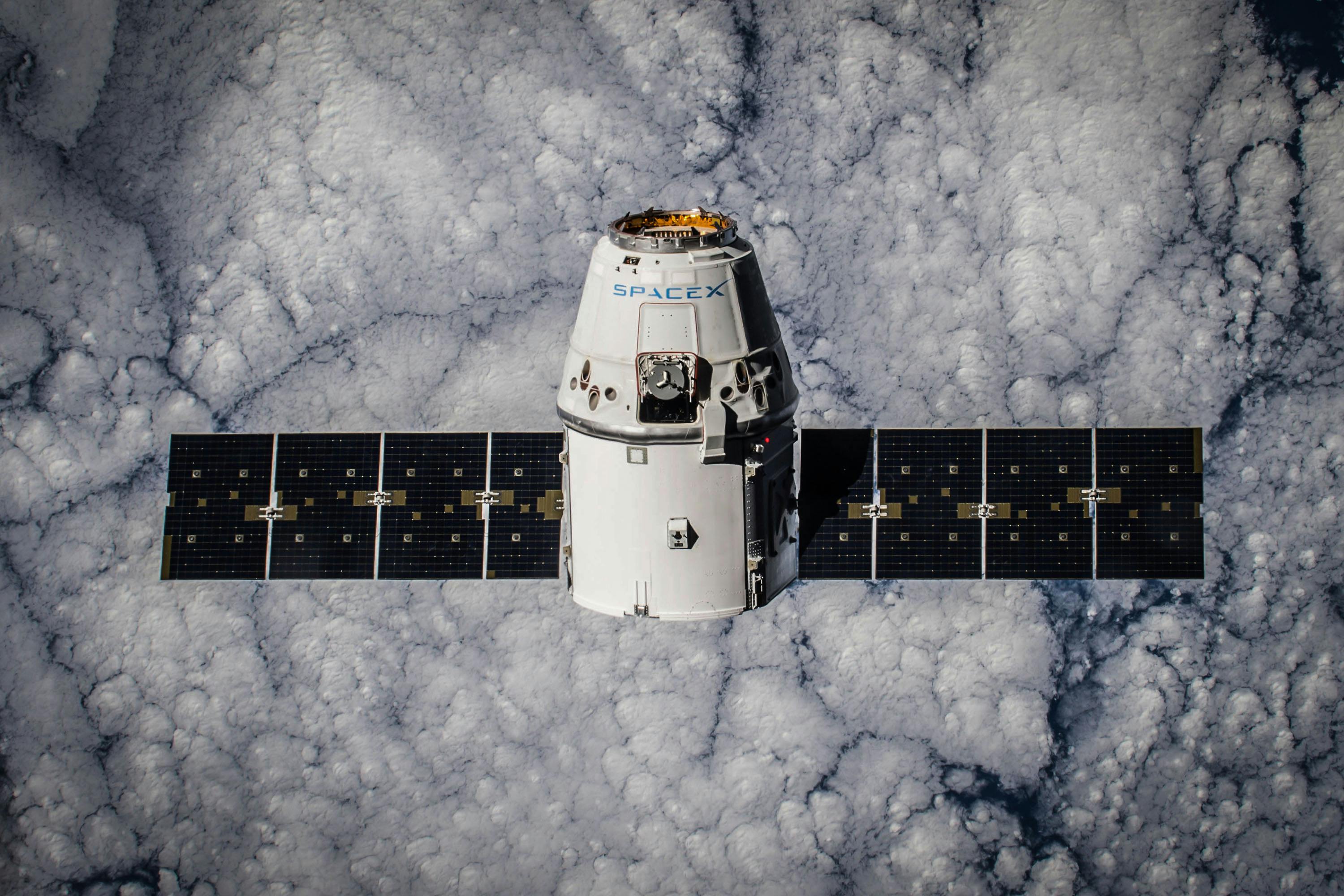
SpaceX makes strides with new GPS and Starlink launches while securing major U.S. government contracts.

SpaceX advances with Bandwagon-2 mission, gains approval for Starship Flight 7, and continues Starlink expansion.
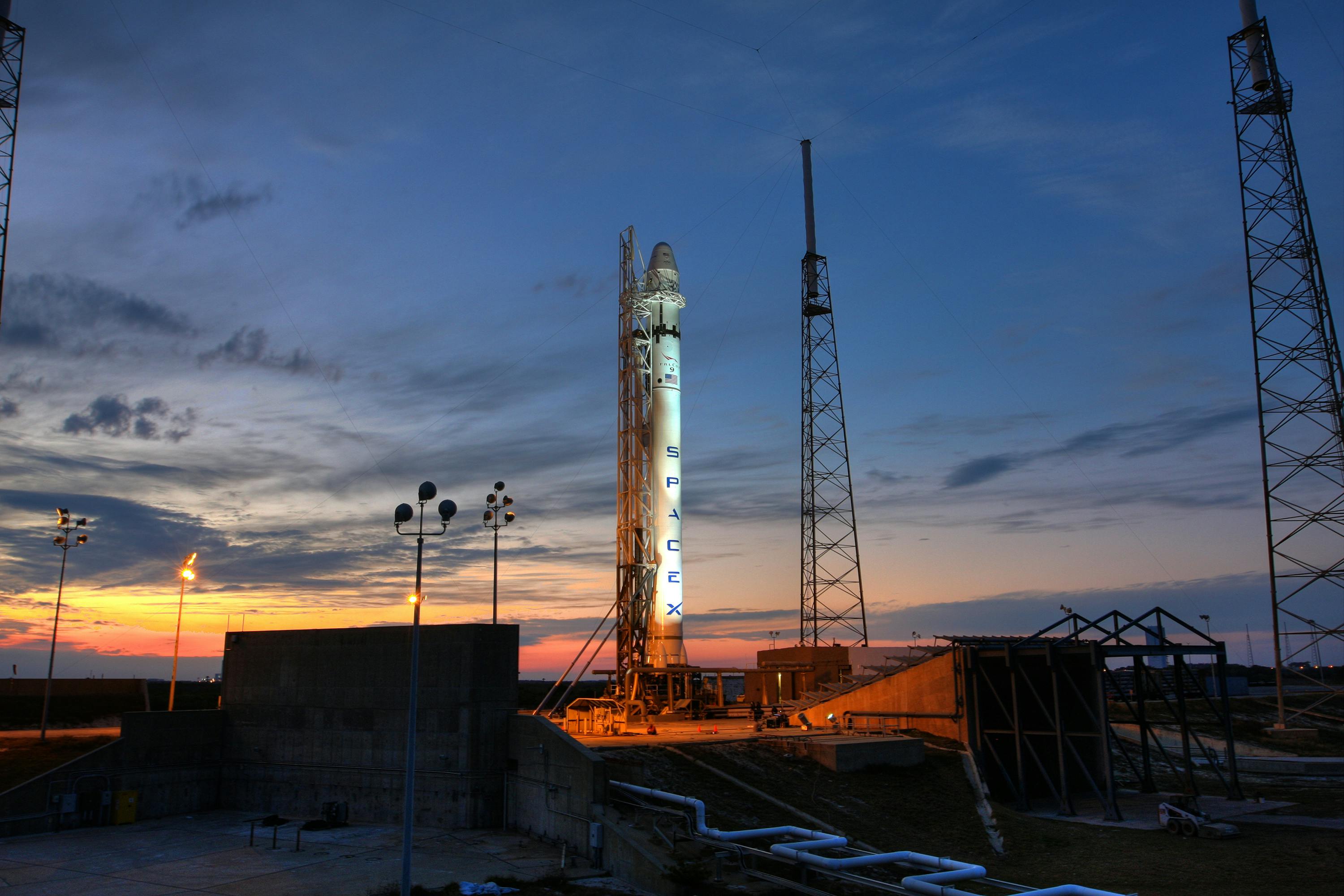
SpaceX shifts launch priorities to Vandenberg as Falcon 9 era winds down, while Anthropic signs orbital data center deal with the company.
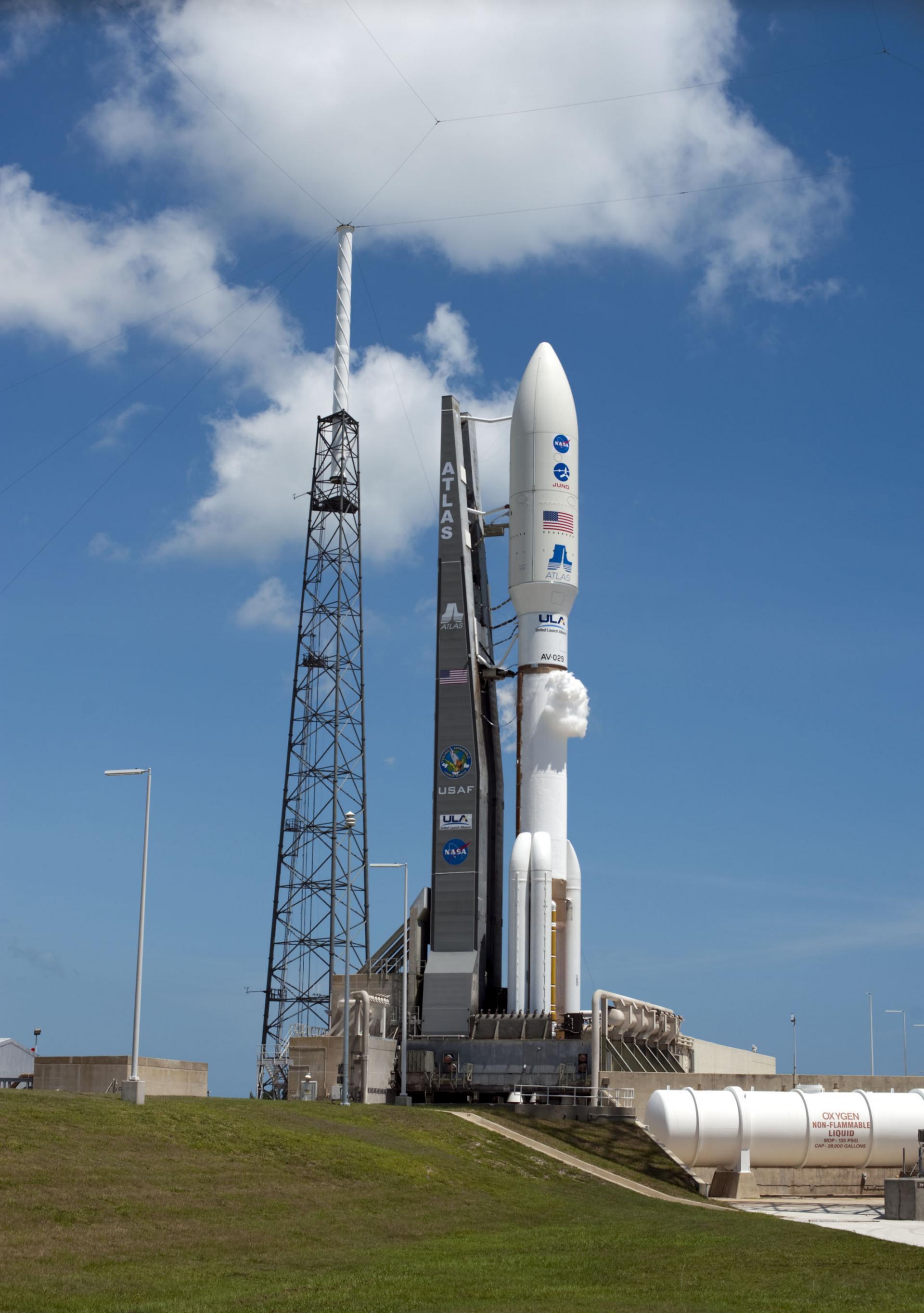
Today's brief covers the redeployment of decommissioned missile technologies to orbital duties, Germany's plans for a sovereign communications network, and fresh developments in hypersonic testing through Rocket Lab.
Three Chinese rocket bodies have exploded over four years, creating debris clouds that will linger for decades to centuries, according to LeoLabs analysis. Fragmentation events threaten commercial and military operators.