


X Report 25 Dec 2024
SpaceX wraps up a record-breaking year with successful launches and advancements in Starlink mega-constellation.


Launch Date
December 19, 1998
Launch Site
TAISC
Launch Pad
LC7
Launch Vehicle
Chang Zheng 2C-III/SD
NORAD ID
25578
International Designator
1998-074B
Decay Date
10/22/2018
Name
IRIDIUM 11
Alternative Name
Iridium 11A
Type
Status
Owner
IRID
Country
United States
Constellation
N/A
Related Satellites
Major Events
N/A
Length
3.5
Diameter
1
Span
5
Dry Mass
556
Launch Mass
667
Shape
Box + 2 Pan
Radar Cross Section
2.9545
Visual Magnitude
Unknown
Color
Unknown
Material Composition
Unknown
Payload
Iridium SV089
Purpose
Communication
Mission
Communication
Manufacturer
MOTO
Life Expectancy
8 years
Bus
LM700
Configuration
LM-700A
Motor
?
Equipment
?
Power System
2 deployable solar arrays, batteries
ADCS
Unknown
Transmitter Frequency
Unknown
Learn more about satellites and other related topics.
SpaceX wraps up a record-breaking year with successful launches and advancements in Starlink mega-constellation.

SpaceX gears up for a Starlink launch from Florida amid ongoing space policy discussions. A closer look at the OneWeb satellite series in our Satellite Spotlight.

SpaceX achieves significant milestones with the launch of 28 Starlink satellites and the final landing of the LZ-1 pad, marking key moments in their ongoing mission to expand satellite connectivity.

SpaceX marks a significant milestone with its Bandwagon-3 mission, while Ukraine explores Starlink alternatives.
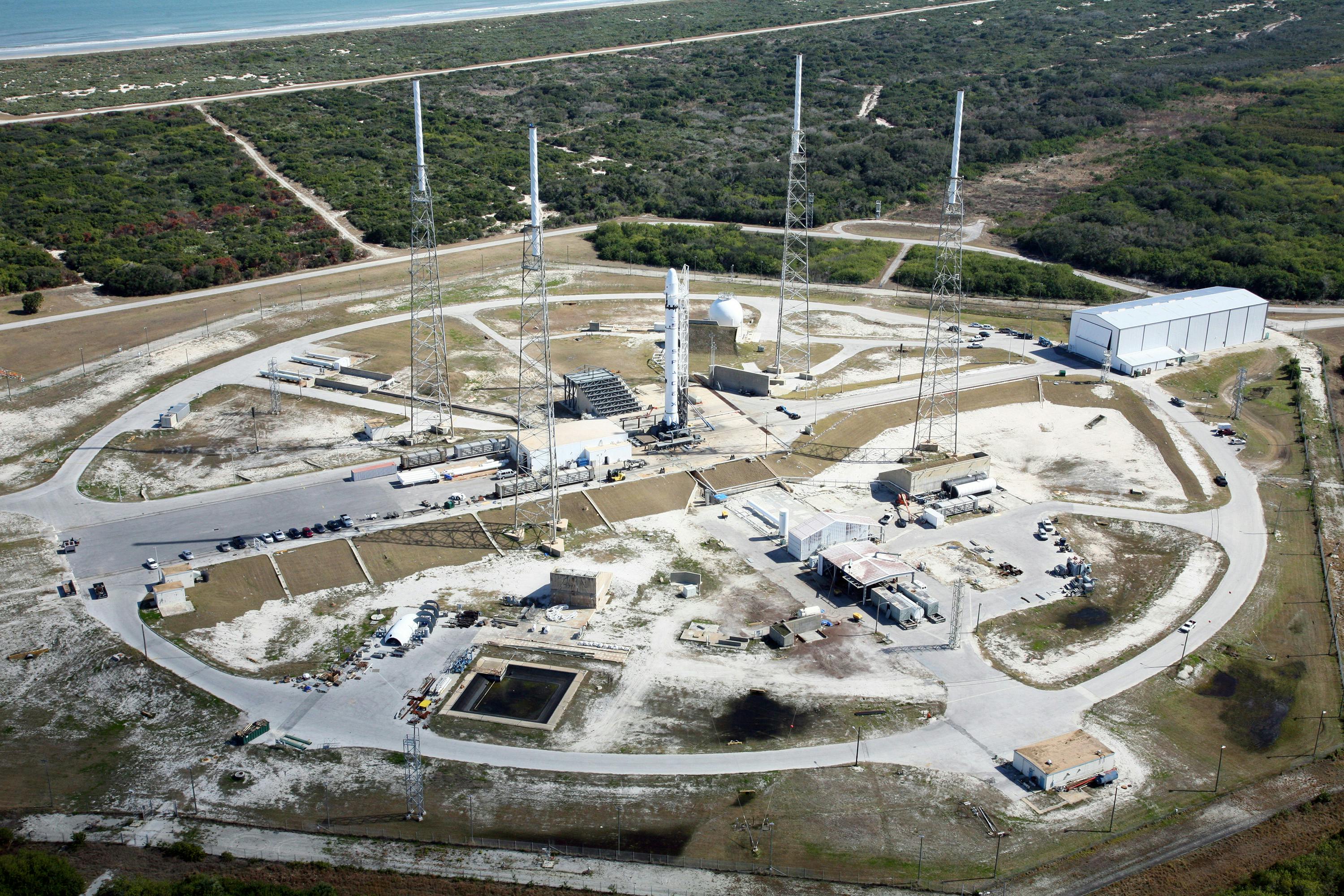
SpaceX's reported IPO structure grants Elon Musk unchecked control and forces 220,000-GPU Colossus AI deal into the spotlight.

Latest updates include China's Lijian-1 launching 15 satellites, a fiery Starlink reentry, SpaceX's milestone Falcon 9 booster landing, and China's support for its commercial space sector.
SpaceX marks a milestone with its 500th Falcon 9 mission during a week of notable developments, including ongoing Starlink deployments and changes in U.S. military plans.
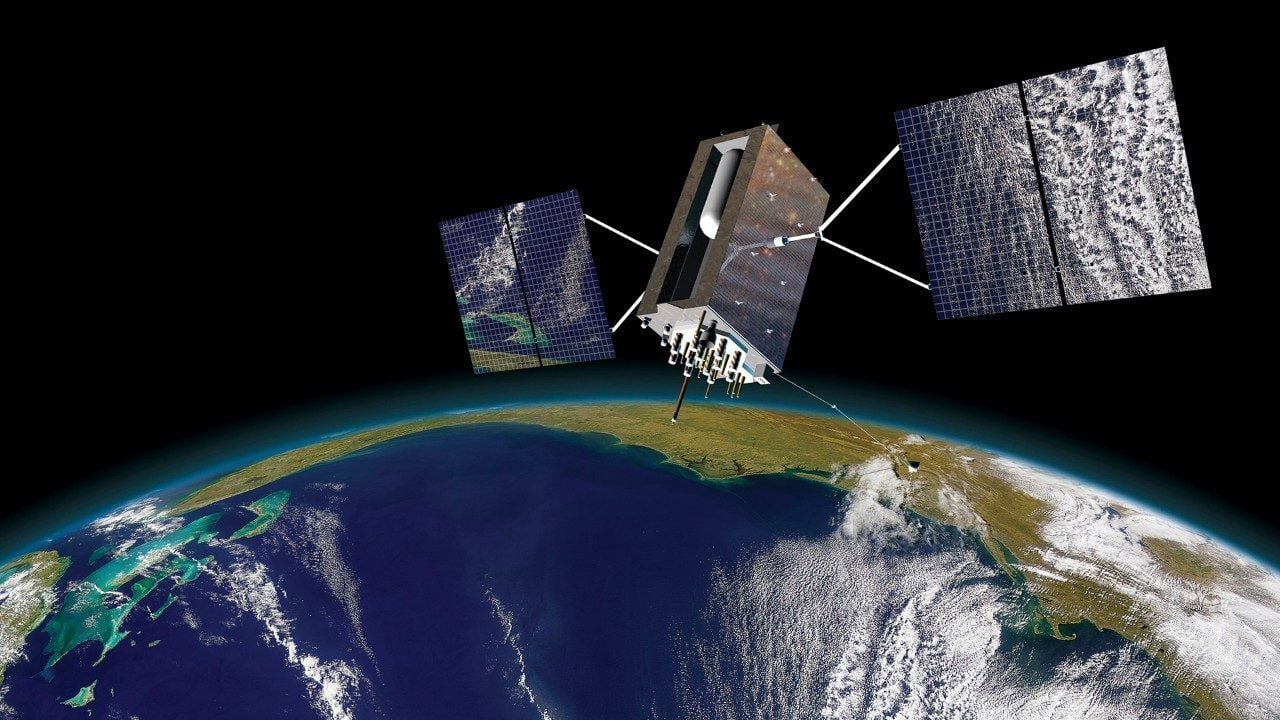
On April 17, 2026, the U.S. Space Force officially cancelled the Next Generation Operational Control System after sixteen years of development, cost overruns, and testing failures. The $8 billion program was supposed to unlock the military's encrypted GPS signal. Instead, the satellites are flying with capabilities the ground can't command.