


Space Brief 27 Feb 2025
Today's highlights include Rocket Lab's progress on the Space Force's VICTUS HAZE mission, BlackSky's new government contract, and AEI's policy recommendations for Space Force restructuring.


Launch Date
November 20, 1998
Launch Site
Launch Pad
LC81/23
Launch Vehicle
Proton-K (8K82K)
NORAD ID
25544
International Designator
1998-067A
Epoch
Sat, 04 Jul 2026 02:07:57 GMT
Apogee
Calculating...
Perigee
Calculating...
Inclination
51.63°
Right Ascension
216.43°
Eccentricity
Calculating...
Argument of Perigee
253.07°
Period
92.97 min
Mean Motion
15.49 rev/day
Latitude
Calculating...
Longitude
Calculating...
Altitude
Calculating...
Velocity
Calculating...
Name
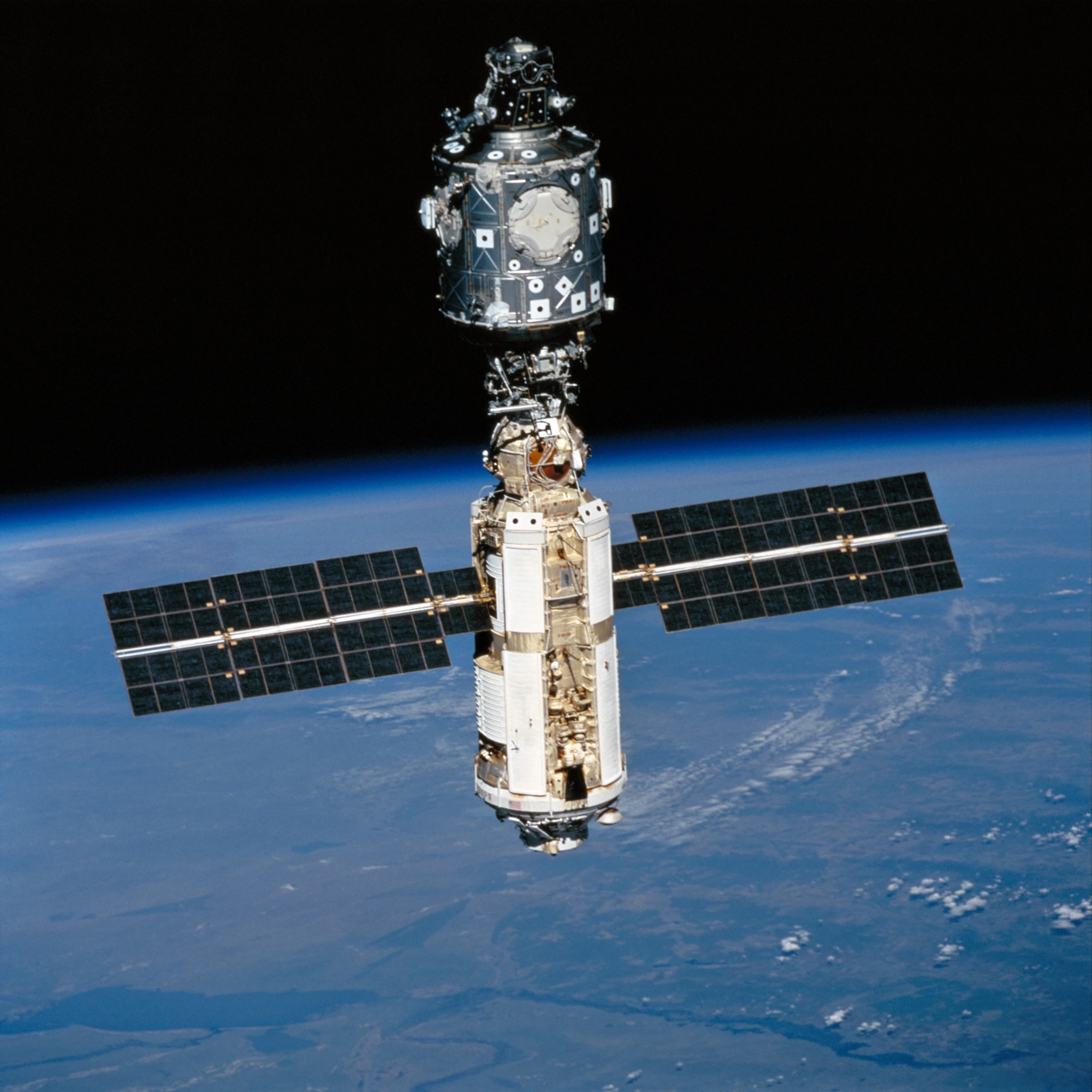
ISS (ZARYA)
Alternative Name
Zarya (FGB)
Type
Status
Owner
NASA
Country
USSR/Russia
Constellation
N/A
Related Satellites
Major Events
1994-12: Construction begins at Khrunichev (KHRU) in Moscow. 1998-01: Construction completed. 1998-11-20: Launched on Proton-K from Baikonur (TYMSC, LC81/23) at 06:40 UTC. Inserted into 220 x 340 km orbit. 1998-11-25: Maneuvered to 383 x 396 km orbit awaiting STS-88. 1998-12-04: STS-88 (Endeavour) attaches Unity (Node 1) module. 1998-12-13: STS-88 departs; Zarya autonomously manages ISS power, propulsion, and guidance. 1999-05: STS-96 outfitting and reboost visit. 2000-05: STS-101 outfitting and reboost visit. 2000-07-26: Zvezda Service Module docks to Zarya aft port. Zarya main engines permanently disabled; propellant tanks repurposed for Zvezda fuel storage. 2000-11-02: First permanent crew (Expedition 1) arrives. 2007-08-14: Zarya passes 50,000-orbit mark during STS-118. 2021-07-29: Nauka (FGB-2, the backup flight spare) launched and docked to ISS. 2028: FGB propulsion system certified for continued operation through this date.
1 25544U 98067A 26185.08885440 .00007564 00000-0 14587-3 0 9999
2 25544 51.6303 216.4301 0006763 253.0749 106.9498 15.48879284574378
Source: Celestrak
Length
12.56
Diameter
4.11
Span
23.9
Dry Mass
19323
Launch Mass
19323
Shape
Cyl + 2 Pan
Radar Cross Section
399.0524
Visual Magnitude
Unknown
Color
Unknown
Material Composition
Aluminum alloy primary structure.
Payload
Functional Cargo Block (FGB), serial 77KM No. 175-01
Purpose
First ISS module providing initial propulsion, power, and guidance. Propellant storage for ISS Russian Segment (16 external fuel tanks, 6+ tonnes capacity). Internal pressurized storage. Docking adapter between US and Russian ISS segments. Attitude control during early ISS assembly (24 large + 12 small steering jets). Now primarily used for storage and propellant transfer to Zvezda.
Mission
Space station
Manufacturer
KHRU
Life Expectancy
15 years design life. Still operational as of March 2026, exceeding 27 years on orbit. FGB propulsion system life extended to 2028 via comprehensive test campaign.
Bus
77KS
Configuration
77KM No. 175-01
Motor
2 main engines (417 kgf each, turbopump-fed, regeneratively-cooled) — permanently disabled after Zvezda docking. 24 large steering jets (40 kgf each). 12 small steering jets (1.3 kgf each). 16 external fuel tanks (total capacity 6.1 tonnes propellant). 16 pressurant tanks.
Equipment
3 docking ports (1 aft, 2 on forward docking sphere — forward and nadir). 16 external propellant tanks (6.1 tonnes total capacity). Kurs automated rendezvous and docking system. Communications antennas. Pressurized cargo storage (46.7 m³ habitable volume).
Power System
2 deployable solar arrays (each 10.67 m x 3.35 m), 6 NiCd batteries. Average power output: 3 kW.
ADCS
3-axis stabilized. 24 large steering jets (40 kgf) + 12 small steering jets (1.3 kgf). Gyroscopes for attitude sensing. Motion Control System (MCS) deactivated after Zvezda integration; attitude control now handled by Zvezda and CMGs in US segment.
Transmitter Frequency
Unknown
Learn more about satellites and other related topics.
Today's highlights include Rocket Lab's progress on the Space Force's VICTUS HAZE mission, BlackSky's new government contract, and AEI's policy recommendations for Space Force restructuring.

Blue Origin's New Glenn suffered a damaging anomaly during hotfire testing at Launch Complex 36, grounding the heavy-lift rocket indefinitely with no return-to-flight timeline announced.
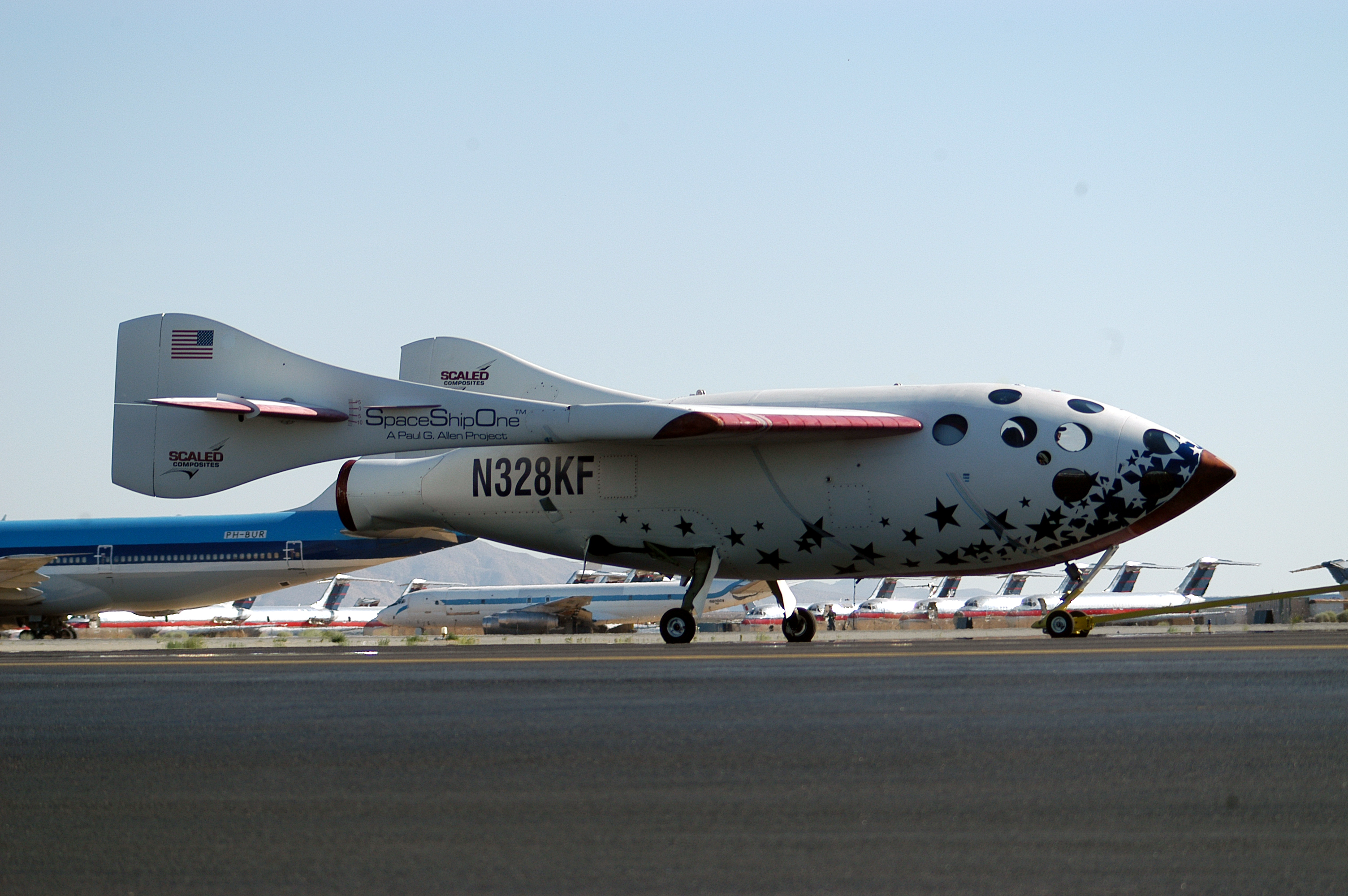
On 21 June 2004, a 63-year-old test pilot rode a homebuilt rocket plane to 100,124 meters above the Mojave Desert, clearing the edge of space by about the length of a city block. He came down the first private astronaut in history, holding a sign that read 'SpaceShipOne, GovernmentZero.'
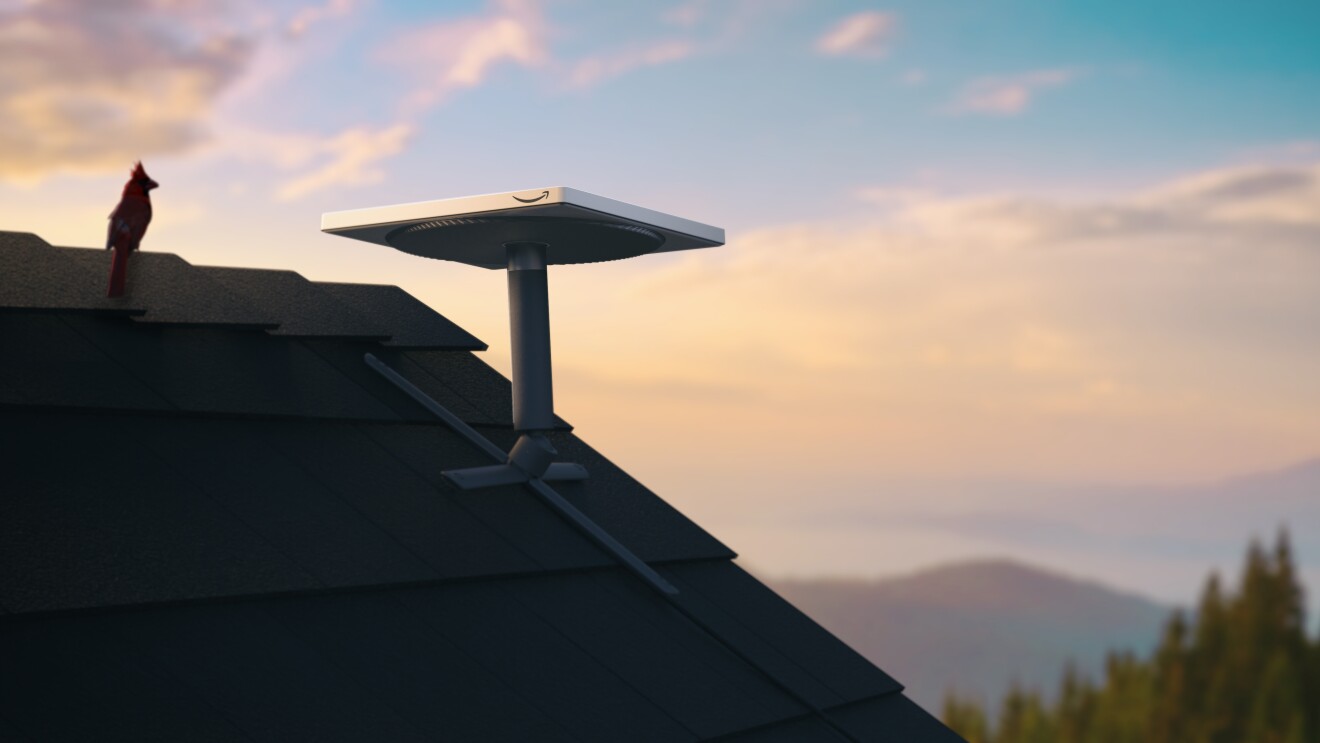
Today's brief highlights critical discussions in military space readiness, potential satellite 'dogfighting' scenarios, international defense collaborations, and a notable communications satellite launch.

SpaceX launches multiple satellites, prepares for Starship Flight 6, and exciting collaborations with AST SpaceMobile.
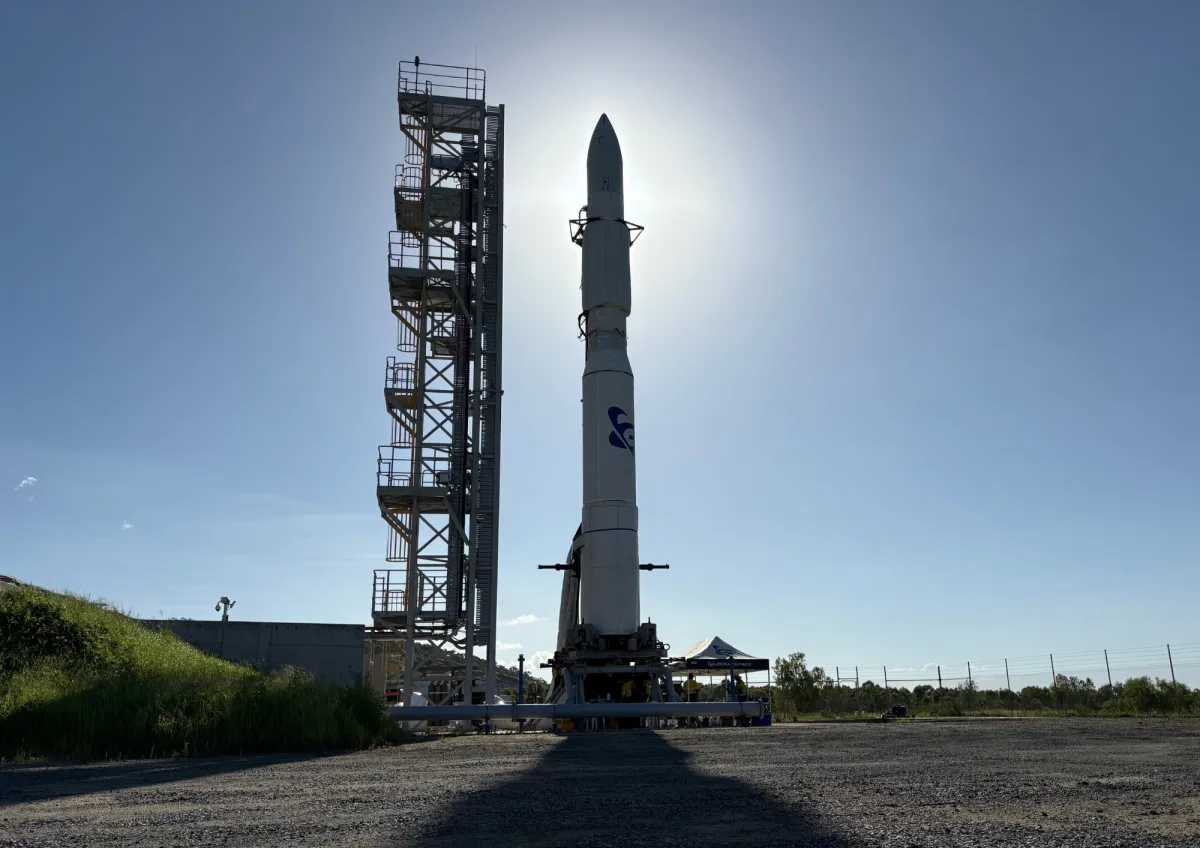
Dive into the latest developments including U.S. national security launch contracts, penalties for drone violations at military bases, and emerging European launch providers.
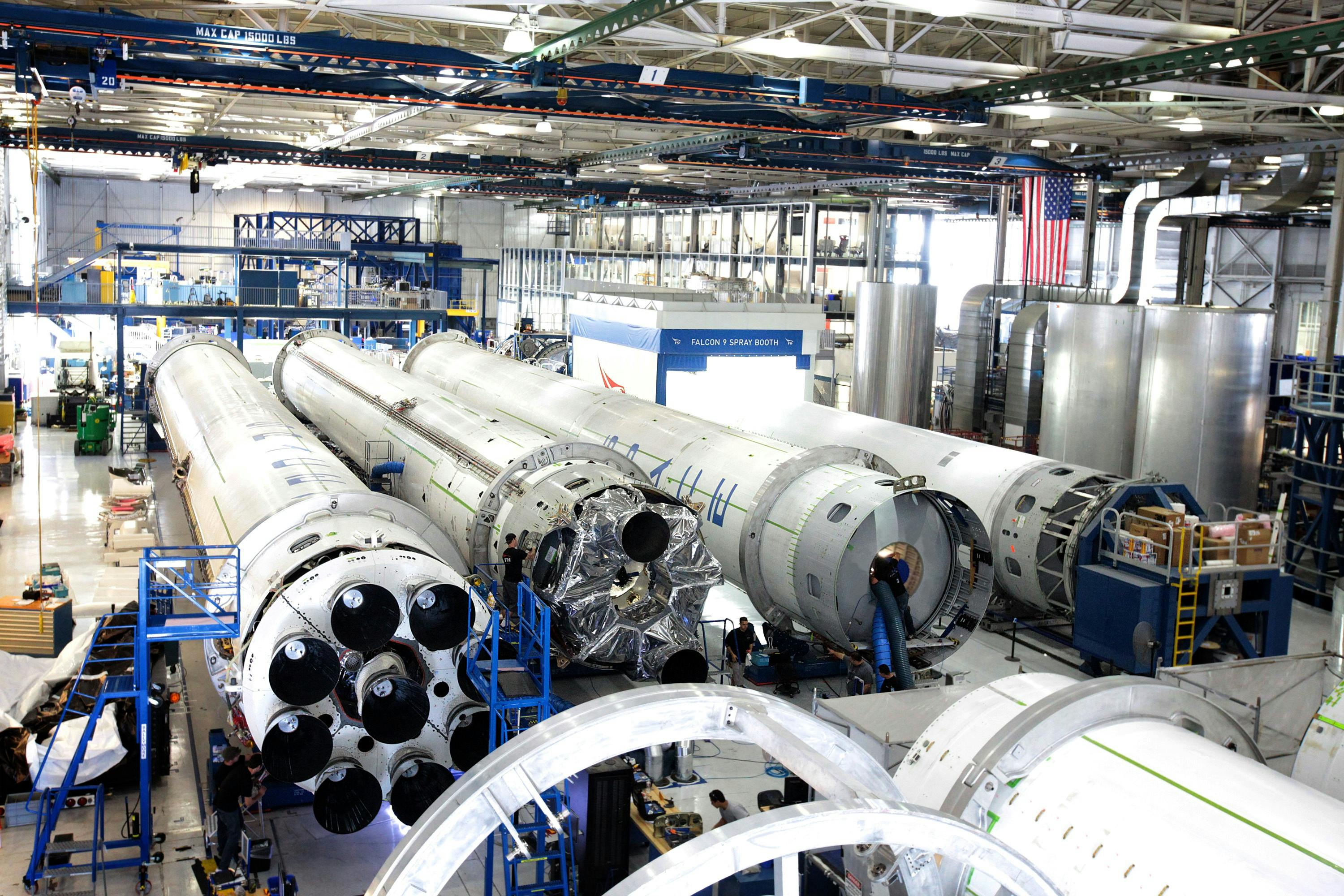
SpaceX unveils new space traffic management system for orbital coordination. Bahamas grants permission for rocket landings after Starship debris pause. Musk proposes lunar satellite catapult.

For nearly two decades, the U.S. Air Force and Space Force have been the world's unofficial civilian space traffic control system. The Department of Commerce's Traffic Coordination System for Space (TraCSS) is now taking over that job for commercial satellite operators - in stages, against persistent congressional pressure to kill the program, and with Department of Defense advocates pushing to make it happen before it is too late.