

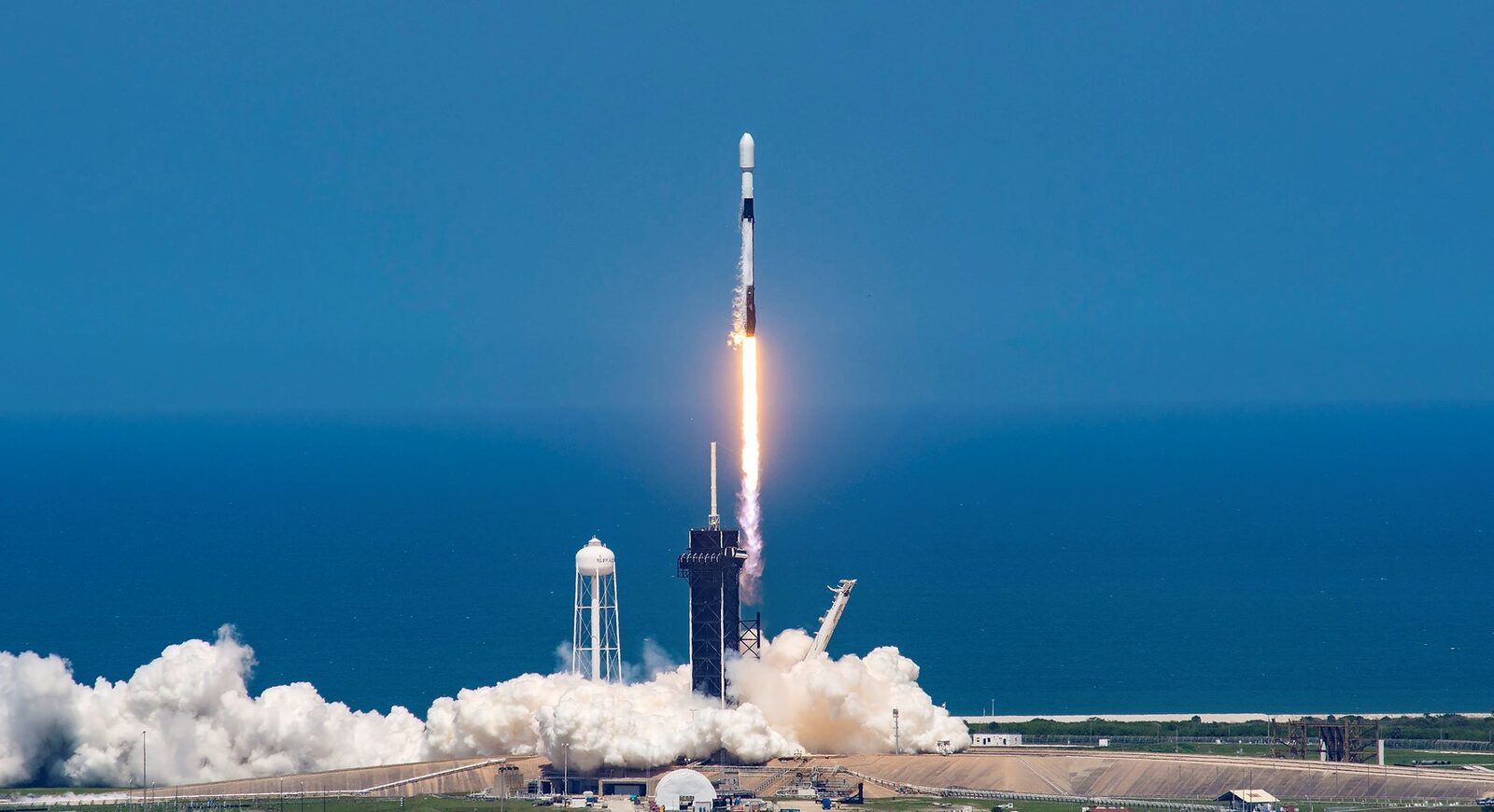
Long March 10B Debut Highlights 4-Launch Week | KeepTrack Week in Review
This week: China's Long March 10B debuted successfully, SpaceX merged with xAI, and Starlink topped 10,775 satellites in orbit.



Launch Date
February 19, 1986
Launch Site
Launch Pad
LC1
Launch Vehicle
Soyuz-U
NORAD ID
25534
International Designator
1986-017MW
Decay Date
12/4/1998
Name
MIR DEB
Alternative Name
EO-26 EVA-2 debris
Type
Status
Owner
RKKE
Country
Russia
Constellation
N/A
Related Satellites
Major Events
N/A
Length
0
Diameter
0
Span
0
Dry Mass
0
Launch Mass
0
Shape
N/A
Radar Cross Section
0.0552
Visual Magnitude
Unknown
Color
Unknown
Material Composition
Unknown
Payload
Unknown
Purpose
Unknown
Mission
Unknown
Manufacturer
Unknown
Life Expectancy
Unknown
Bus
Unknown
Configuration
Unknown
Motor
Unknown
Equipment
Unknown
Power System
Unknown
ADCS
Unknown
Transmitter Frequency
Unknown
Learn more about satellites and other related topics.
This week: China's Long March 10B debuted successfully, SpaceX merged with xAI, and Starlink topped 10,775 satellites in orbit.

China confirms first one-year human spaceflight and Pakistani astronaut for Tiangong. Air Force develops X-68A missile-launching drone. Poland unveils $51B defense spending plan.
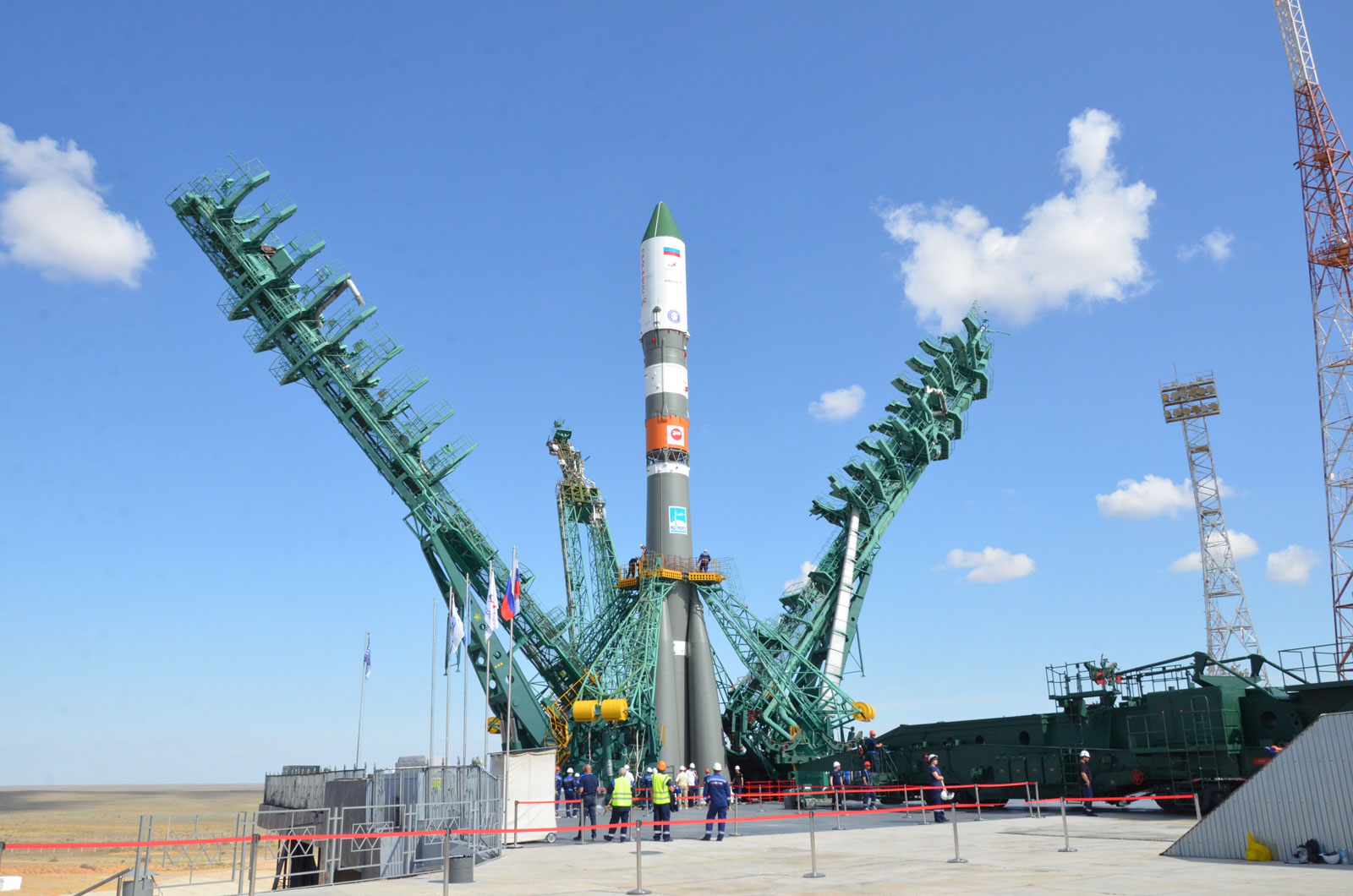
Today's brief covers the Space Force's strategic roadmap, a groundbreaking DARPA mission in Very Low Earth Orbit, and enhanced cyber defenses due to AI-driven threats.
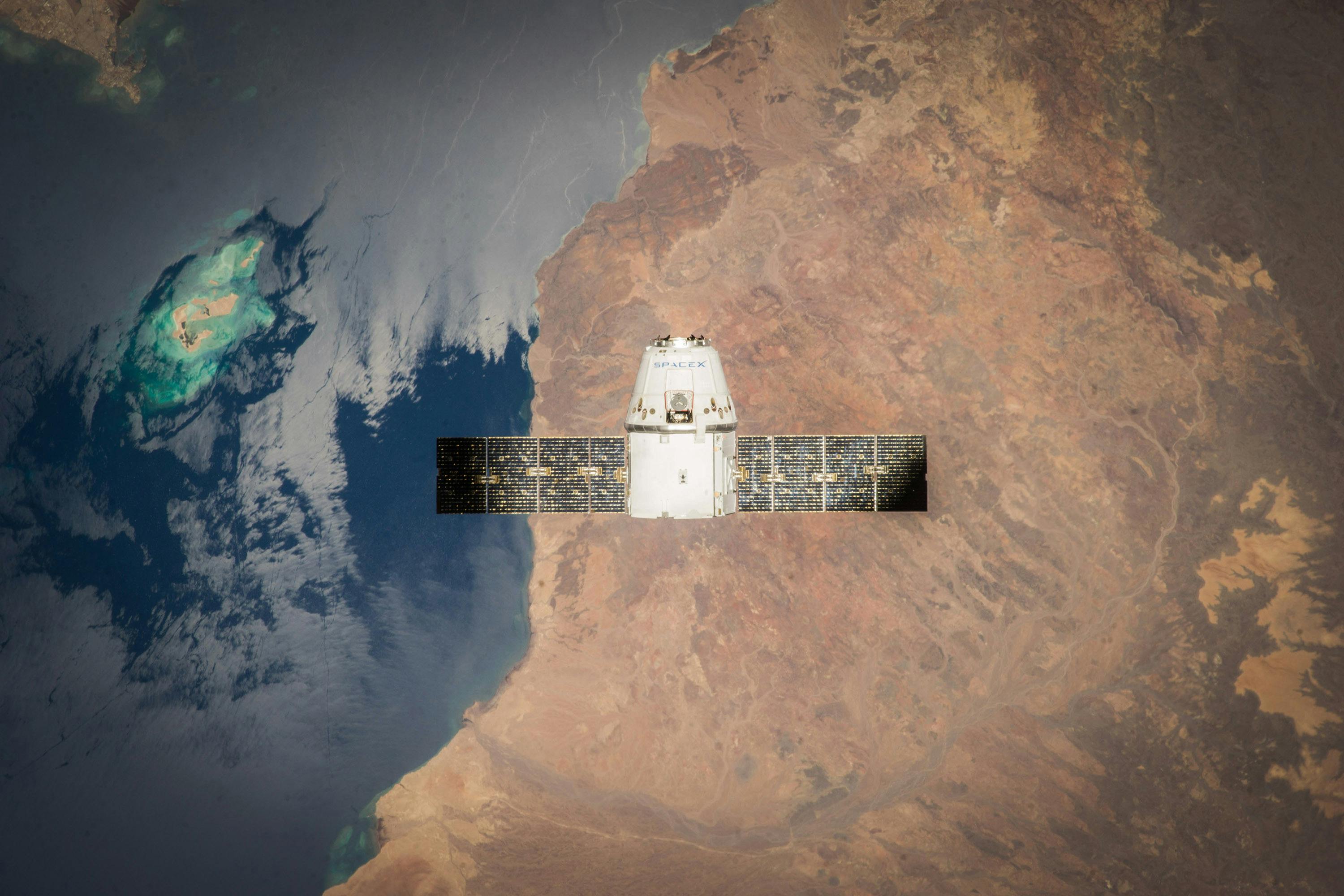
SpaceX gears up for its next Starship flight while recent Falcon 9 missions make headlines with spectacular launches, bringing fresh Starlink satellites into orbit.

A recap of notable space events including the Soyuz MS-26 launch to the ISS, Polaris Dawn's altitude achievement, and satellite tracking updates.
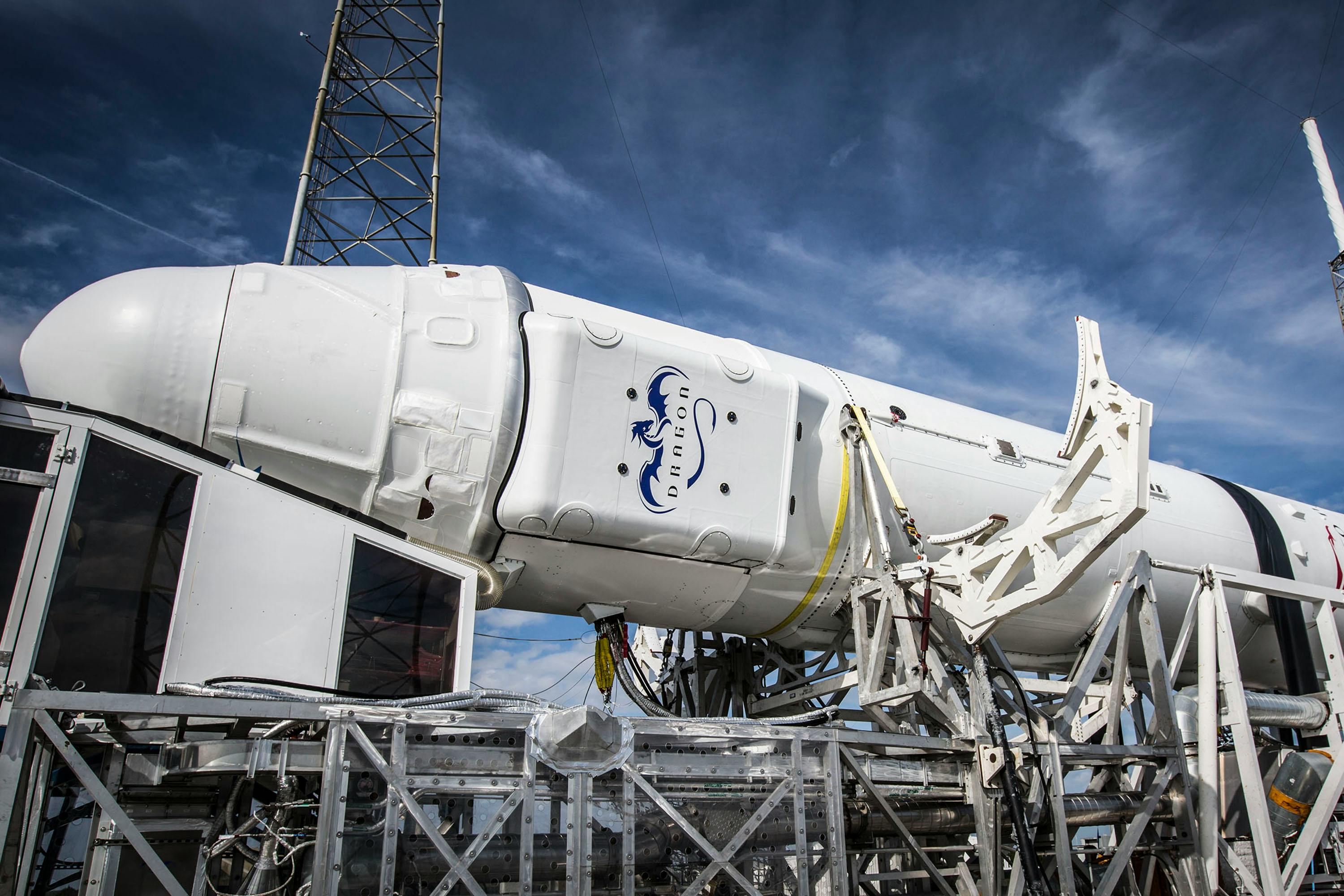
Starship developments continue to capture attention alongside Starlink's latest deployment milestones.

Key developments include Redwire's contract for a US Space Force mission, UK's steps toward its first orbital launch, and a detailed military satellite spotlight.

As humanity increasingly relies on satellites, the escalating space junk problem poses a dire threat to our space-based infrastructure. With debris counts reaching alarming levels, urgent action is needed to prevent a cascade of collisions that could make key orbits unusable.