


X Report 11 Feb 2025
SpaceX successfully launches 23 Starlink satellites, NASA selects SpaceX for astrophysics mission, and Starship Flight 8 advances with Booster 15 static fire.


Launch Date
October 29, 1998
Launch Site
Launch Pad
LC39B
Launch Vehicle
Space Shuttle
NORAD ID
25521
International Designator
1998-064C
Decay Date
11/7/1998
Name
SPARTAN 201
Alternative Name
Spartan 201
Type
Status
Owner
GSFC
Country
United States
Constellation
N/A
Related Satellites
Major Events
N/A
Length
2.3
Diameter
1
Span
2.3
Dry Mass
1350
Launch Mass
1350
Shape
Box + Cyl
Radar Cross Section
Unknown
Visual Magnitude
Unknown
Color
Unknown
Material Composition
Unknown
Payload
SPTN-201
Purpose
UV-Ray Astronomy (Shuttle retrievable)
Mission
UV-Ray Astronomy (Shuttle retrievable)
Manufacturer
GSFC
Life Expectancy
Unknown
Bus
SPTN-200
Configuration
Spartan-200
Motor
?
Equipment
?
Power System
Batteries
ADCS
Unknown
Transmitter Frequency
Unknown
Learn more about satellites and other related topics.
SpaceX successfully launches 23 Starlink satellites, NASA selects SpaceX for astrophysics mission, and Starship Flight 8 advances with Booster 15 static fire.

Today's space updates include a new EU space commissioner's priorities, insights from declassified satellite images, and an update on NASA's Europa Clipper mission. A highlight in the Satellite Spotlight features the Russian satellite COSMOS 2070.
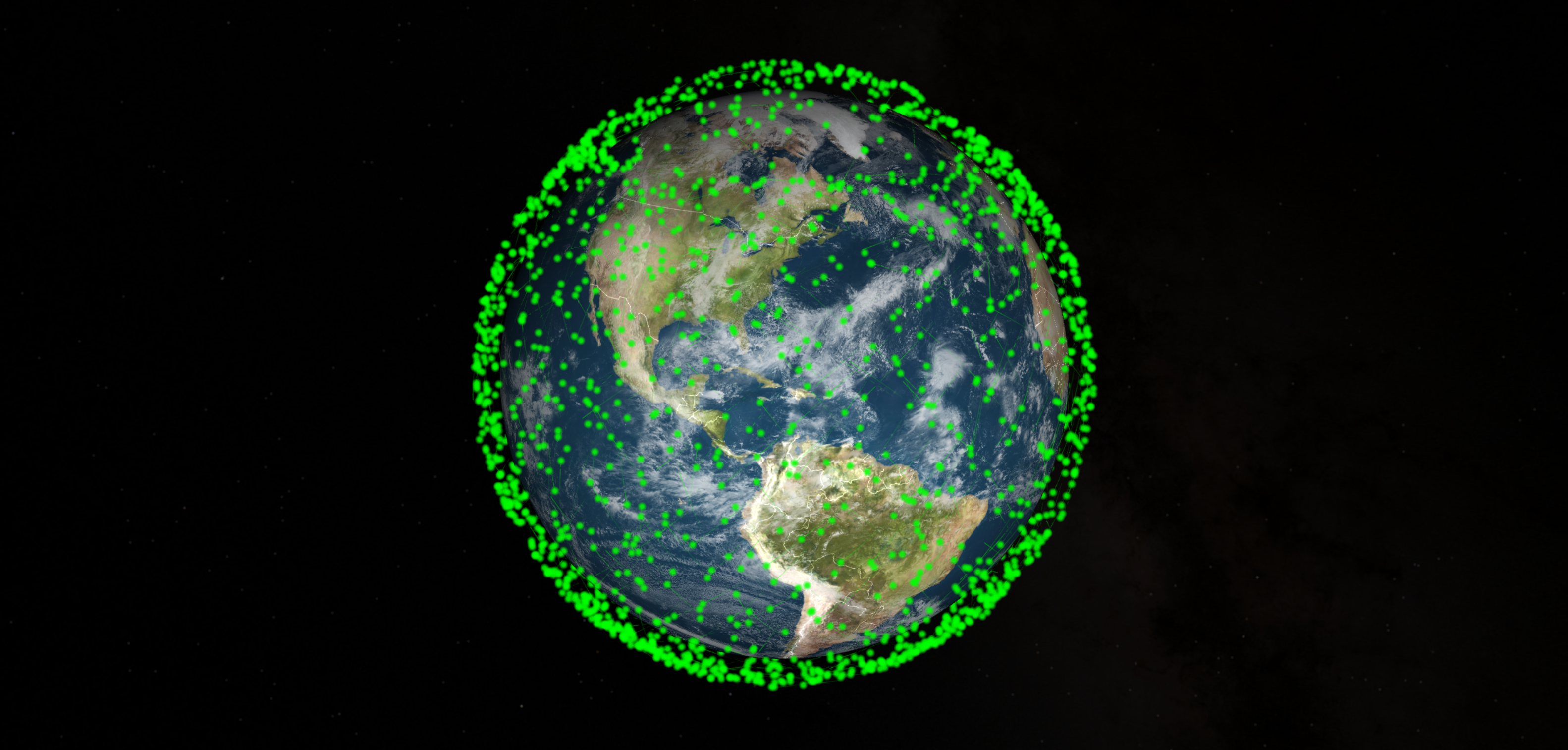
SpaceX quietly built the world's largest 4G network without a single cell tower. Over 650 satellites now connect standard smartphones directly from orbit, and most people carrying compatible phones don't know the service exists.
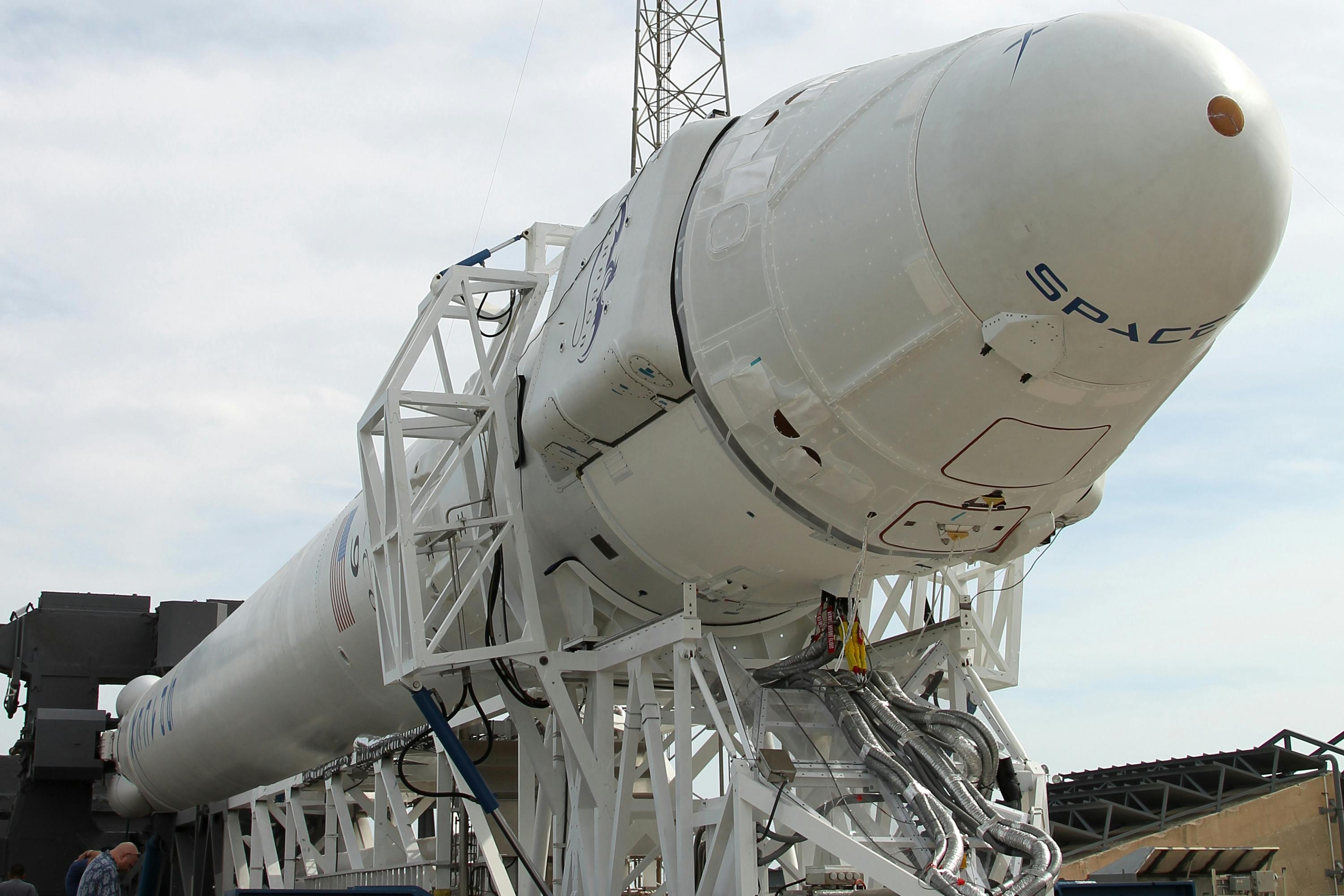
SpaceX successfully launched an Israeli satellite and remains on track for its upcoming Crew-11 mission while continuing to engage in mystery satellite launches.
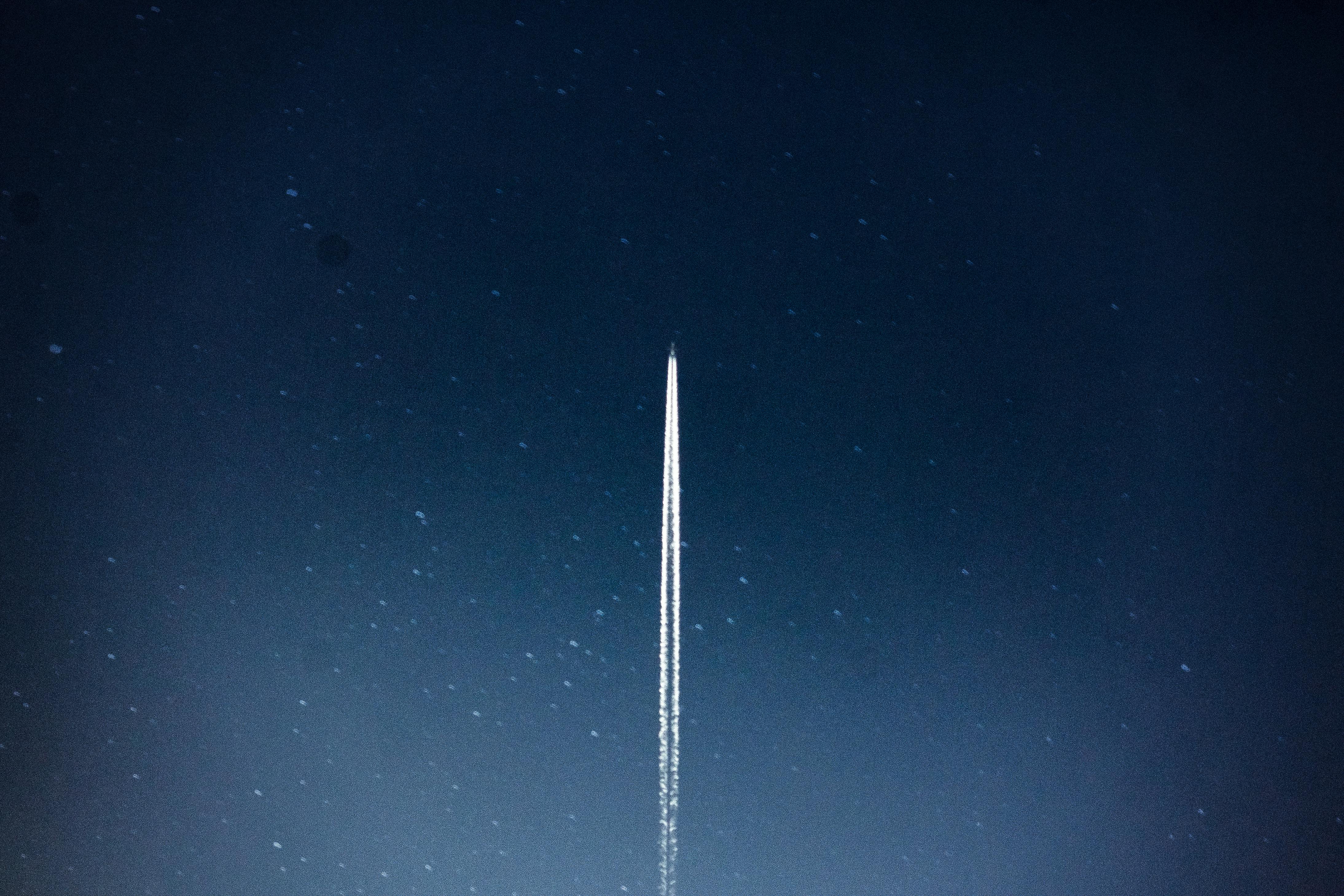
SpaceX advances with Bandwagon-2 mission, gains approval for Starship Flight 7, and continues Starlink expansion.
Today's briefing covers the latest developments in satellite intelligence funding, new mandates affecting space launch and missile defense, and the early conclusion of a private astronaut mission. We also discuss Firefly Aerospace's plans to go public and stunning imagery from NASA's Parker Solar Probe.

SpaceX celebrates significant milestones with its 500th Falcon launch and the continued expansion of Starlink connectivity.
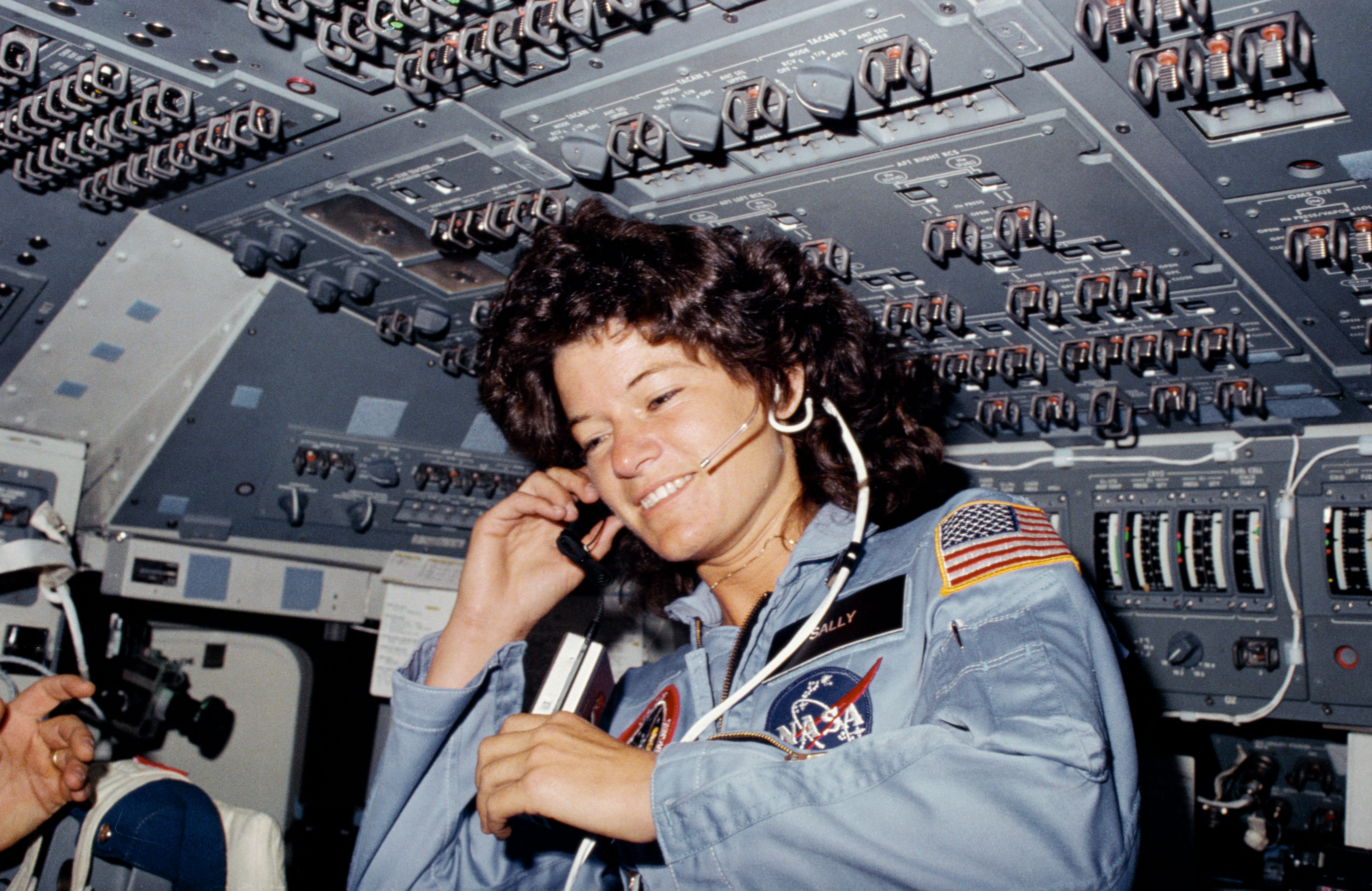
At 7:33 on the morning of 18 June 1983, a 32-year-old astrophysicist named Sally Ride rode Challenger off Pad 39A and became the first American woman in space. She got there two decades after the Soviets, and only after months of being asked whether spaceflight would damage her reproductive organs and whether she planned to cry.