


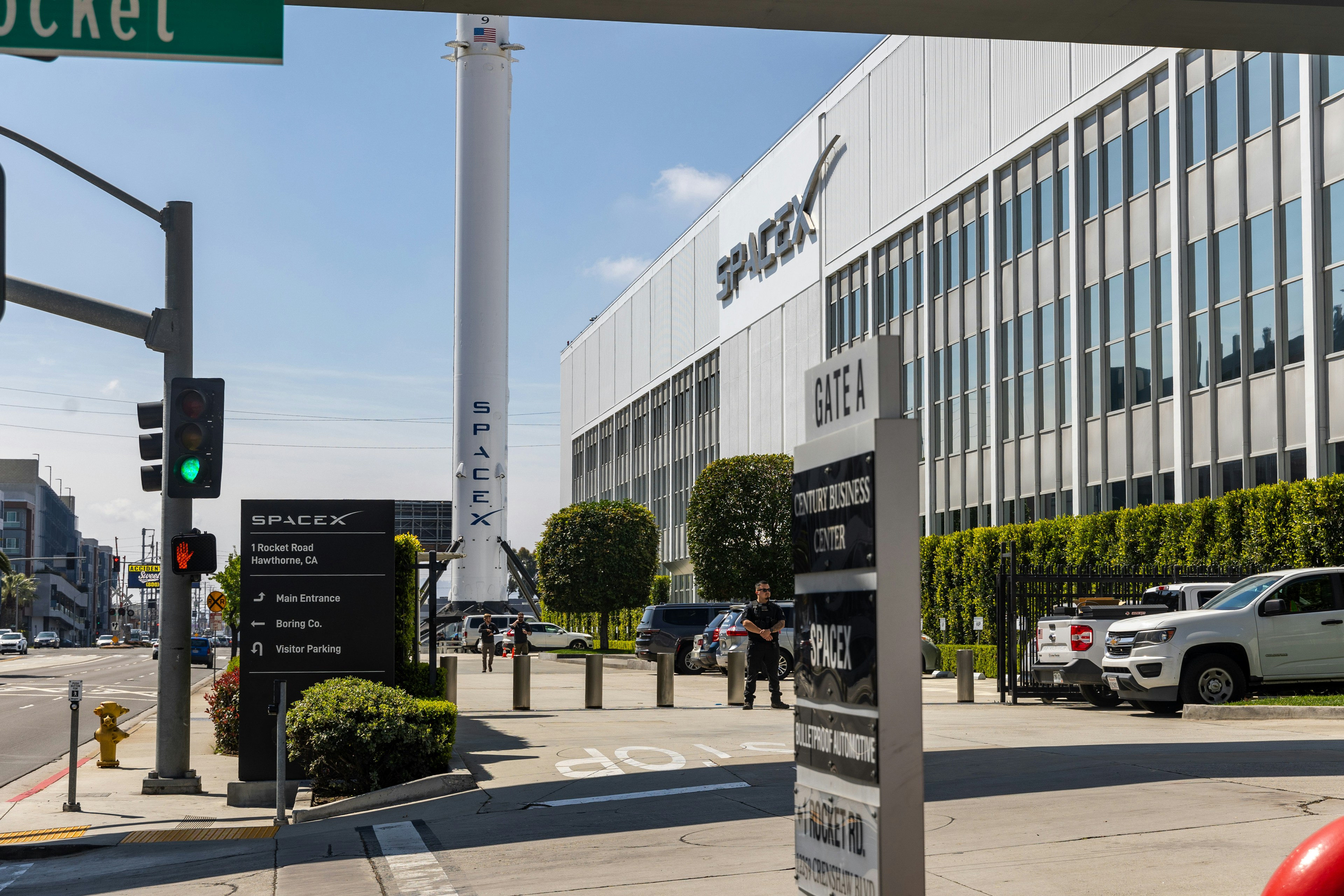
X Report 14 Jan 2025
SpaceX sets a new reusability record and continues its busy launch schedule with multiple Starlink missions.


Launch Date
October 28, 1998
Launch Site
FRGUI
Launch Pad
ELA2
Launch Vehicle
Ariane 44L
NORAD ID
25515
International Designator
1998-063A
Epoch
Sat, 04 Jul 2026 03:11:29 GMT
Apogee
Calculating...
Perigee
Calculating...
Inclination
10.26°
Right Ascension
49.62°
Eccentricity
Calculating...
Argument of Perigee
92.34°
Period
1454.46 min
Mean Motion
0.99 rev/day
Latitude
Calculating...
Longitude
Calculating...
Altitude
Calculating...
Velocity
Calculating...
Name
AFRISTAR
Alternative Name
Afristar
Type
Status
Owner
WORSP
Country
United States
Constellation
N/A
Related Satellites
Major Events
N/A
1 25515U 98063A 26185.13297792 -.00000024 00000-0 00000-0 0 9993
2 25515 10.2632 49.6201 0002892 92.3371 97.8111 0.99005855100720
Source: Celestrak
Length
3
Diameter
1.7
Span
28
Dry Mass
1210
Launch Mass
2739
Shape
Box + 2 Pan
Radar Cross Section
6.9082
Visual Magnitude
Unknown
Color
Unknown
Material Composition
Unknown
Payload
Afristar
Purpose
Communication
Mission
Communication
Manufacturer
MMST
Life Expectancy
12 years
Bus
Eurostar 2000+
Configuration
Eurostar-2000+
Motor
R-4D-11-300
Equipment
3 L-band transponders
Power System
2 deployable solar arrays, batteries
ADCS
Unknown
Transmitter Frequency
Unknown
Learn more about satellites and other related topics.
SpaceX sets a new reusability record and continues its busy launch schedule with multiple Starlink missions.

Today we explore defense-driven shifts in satellite operations amid geopolitical tensions and innovative projects pushing the boundaries of space technology.

SpaceX preps for its sixth Starship test flight, moving the Super Heavy rocket to the pad. China's unveils a Starship-like reusable rocket concept, while Starlink expands with 24 new satellites launched.

Today's highlights include the successes and setbacks in recent rocket launches, a notable satellite anomaly, and a significant expansion announcement from ESA.
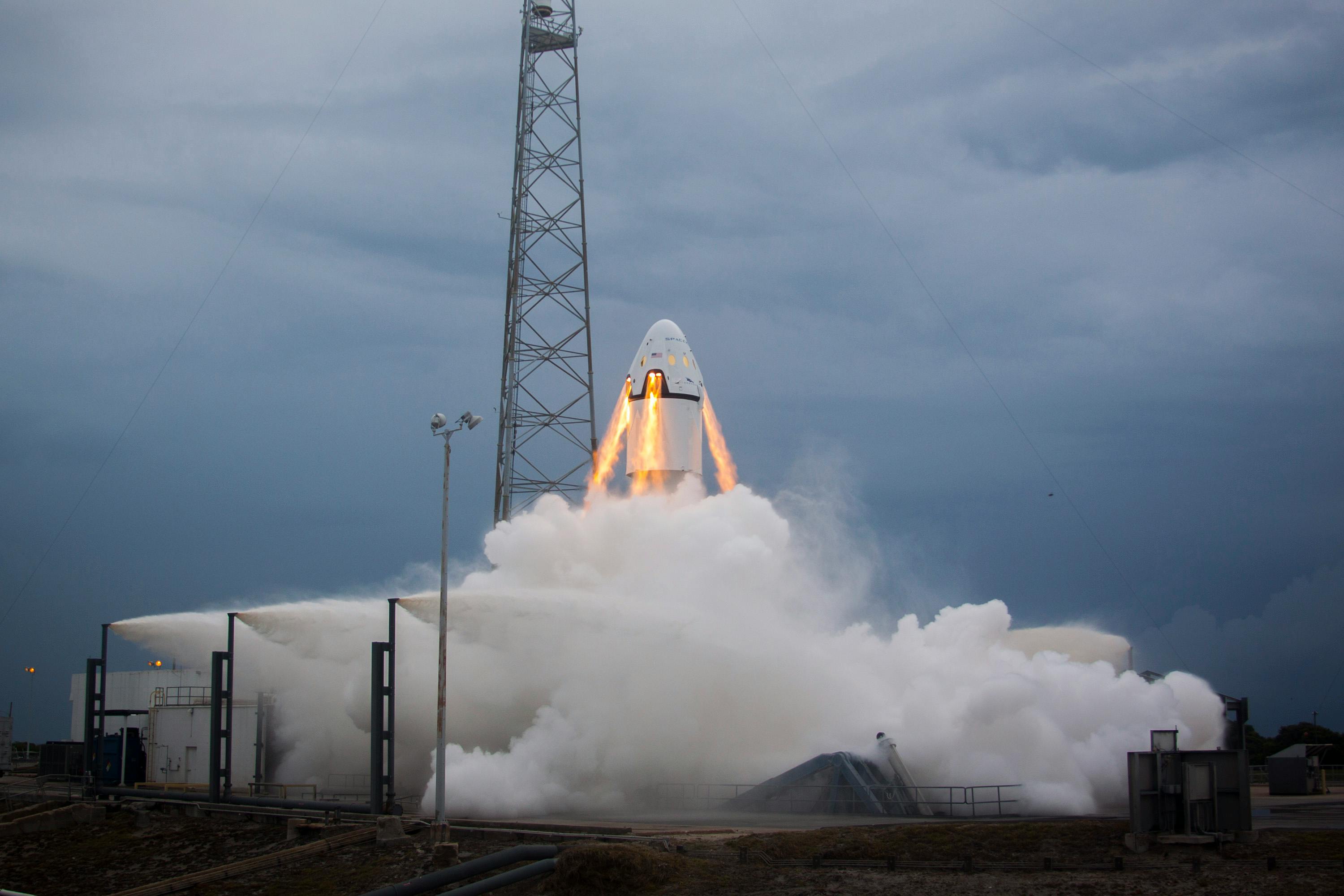
SpaceX successfully launched 28 Starlink satellites while returning to form with Starship testing at Starbase. Meanwhile, preparations for upcoming launches are underway.

Discover the history and significance of Two-Line Element Sets (TLEs) in satellite tracking. Dive into their components, applications, and how they are evolving to meet future space challenges.
Today's brief covers the new Space Force operations doctrine, international defense collaborations by the UAE, and satellite tracking technology innovations.
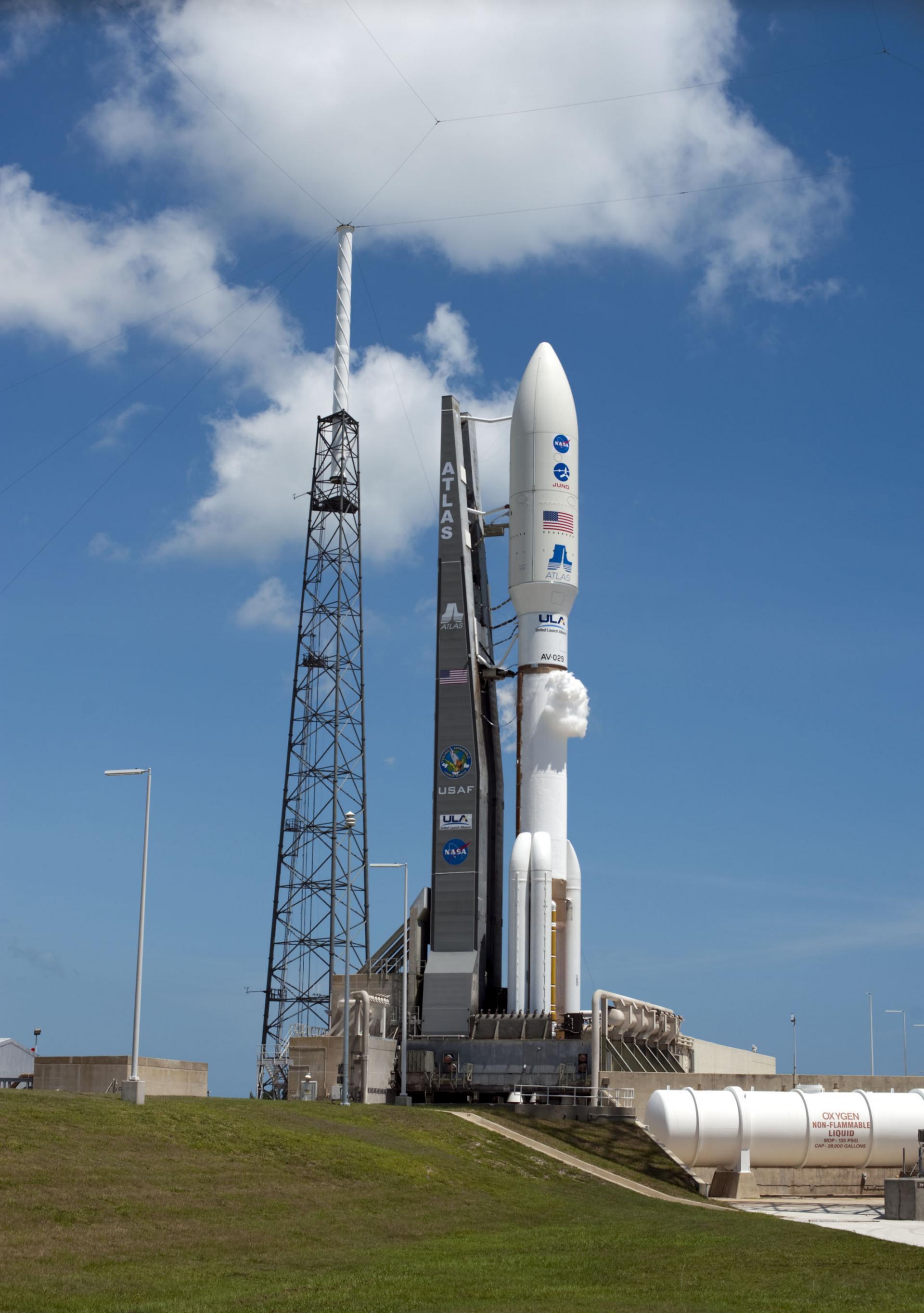
Highlights include China's recent satellite launch, advancements in nuclear propulsion, non-kinetic tech developments for maritime defense, SpaceX's direct-to-device spectrum tests, and maneuvering satellites for Space Force missions.