


Space Brief 13 Jan 2025
Today's brief covers Blue Origin's launch delay, SpaceX's upcoming Starlink mission, and highlights the YAOGAN-43 O1C satellite.


Launch Date
October 24, 1998
Launch Site
Launch Pad
SLC17A
Launch Vehicle
Delta 7326-9.5
NORAD ID
25509
International Designator
1998-061B
Epoch
Sat, 04 Jul 2026 04:46:08 GMT
Apogee
Calculating...
Perigee
Calculating...
Inclination
31.43°
Right Ascension
17.70°
Eccentricity
Calculating...
Argument of Perigee
224.26°
Period
100.46 min
Mean Motion
14.33 rev/day
Latitude
Calculating...
Longitude
Calculating...
Altitude
Calculating...
Velocity
Calculating...
Name
SEDSAT 1 (SO-33)
Alternative Name
SEDSAT-OSCAR-33
Type
Status
Owner
SEDSH
Country
United States
Constellation
N/A
Related Satellites
Major Events
N/A
1 25509U 98061B 26185.19870638 .00000530 00000-0 85857-4 0 9994
2 25509 31.4331 17.7004 0336276 224.2589 133.0678 14.33402843448271
Source: Celestrak
Length
0.4
Diameter
0.4
Span
0.4
Dry Mass
36
Launch Mass
36
Shape
Cube
Radar Cross Section
0.2922
Visual Magnitude
Unknown
Color
Unknown
Material Composition
Unknown
Payload
SEDSAT
Purpose
Technology
Mission
Technology
Manufacturer
SEDSH
Life Expectancy
5 years (design)
Bus
SEDSAT
Configuration
32.13 cm x 32.13 cm x 35.43 cm structure
Motor
?
Equipment
SEASIS
Power System
Solar cells, batteries
ADCS
Unknown
Transmitter Frequency
Unknown
Learn more about satellites and other related topics.
Today's brief covers Blue Origin's launch delay, SpaceX's upcoming Starlink mission, and highlights the YAOGAN-43 O1C satellite.

Space highlights include a debut launch of ZhuQue-2E, Firefly's lunar lander timeline, semiconductor funding for satellites, and ISS debris avoidance.
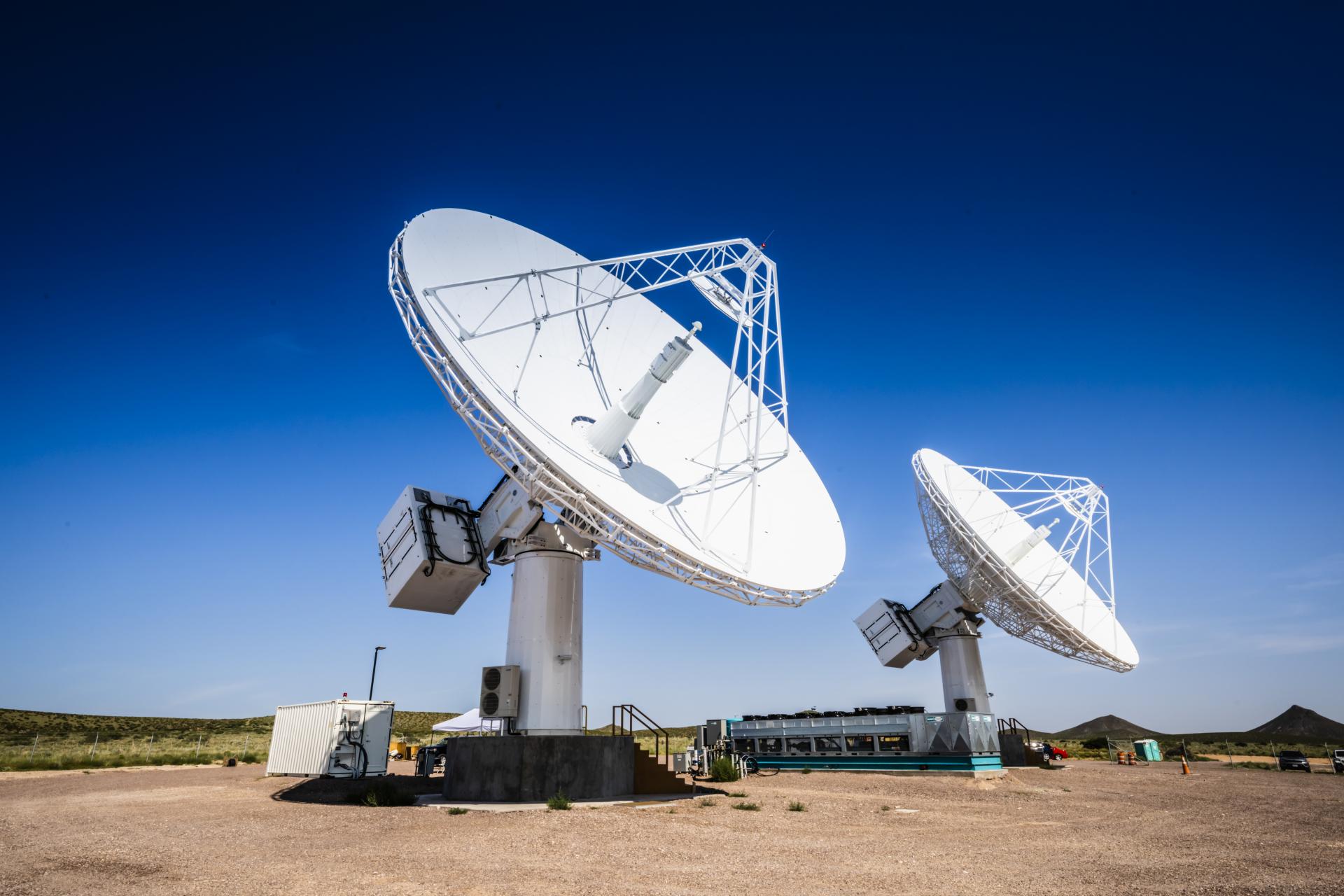
How a groundbreaking radar network is transforming our ability to monitor threats in deep space while strengthening international security partnerships

Starship testing progresses at the Cape; Lynk Global secures funding amidst rising satellite competition.

Space Force projects ~1,000 launches between FY2027–FY2031, averaging 200 annually. DAF study concludes new launch site is "probably" required to absorb cadence.
Today's brief highlights a significant geospatial data collaboration between Maxar and Saab, defense budget discussions affecting satellite deployments, and the naming of new military command chiefs.

Blue Origin's New Glenn suffered a damaging anomaly during hotfire testing at Launch Complex 36, grounding the heavy-lift rocket indefinitely with no return-to-flight timeline announced.

From shattered satellites to exploded rocket stages, space debris poses a growing risk to satellites, space stations, and astronauts. Here's a deep dive into what causes space debris, notable generating events, and what we're doing about it.