


Space Brief 3 Nov 2024
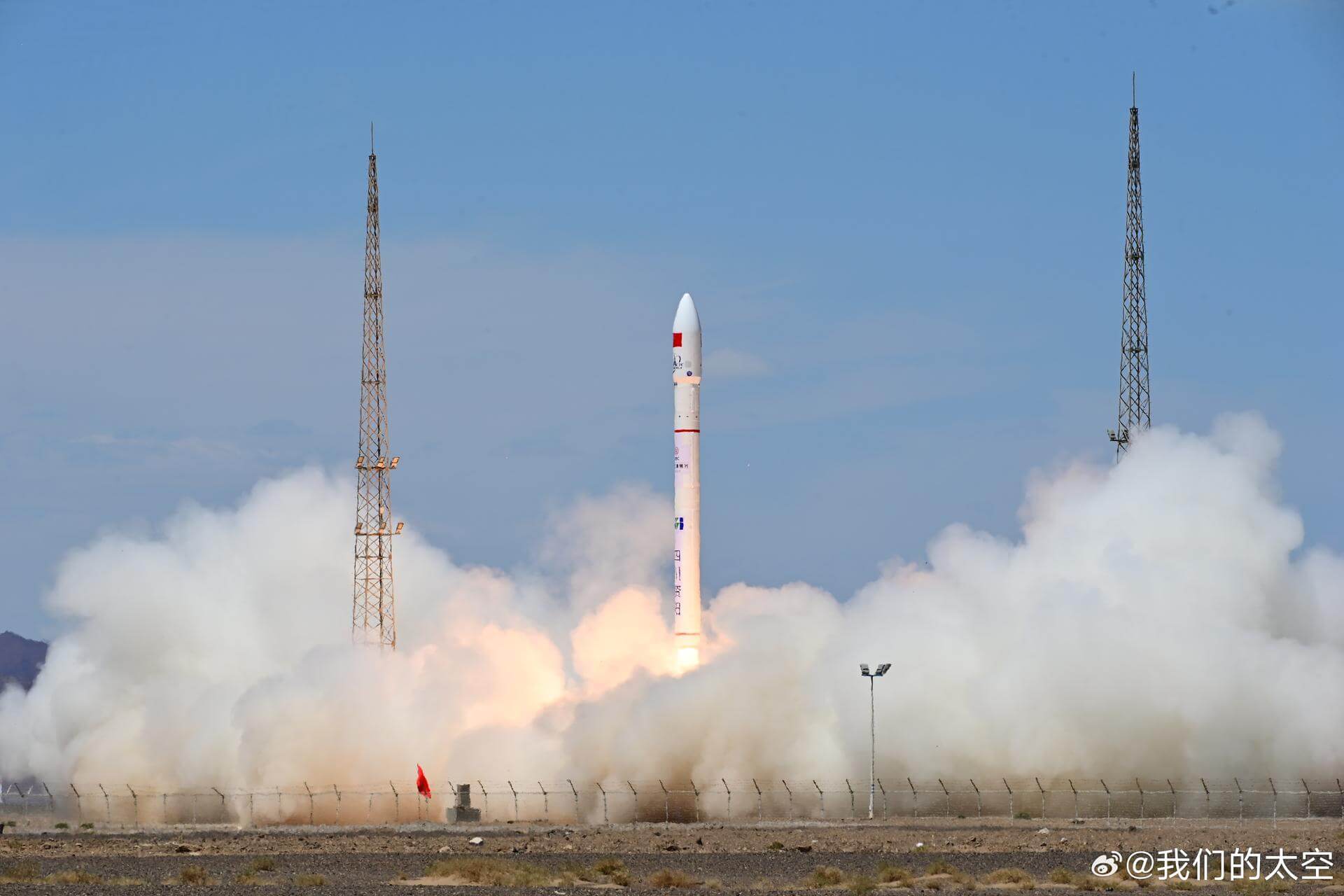
Today focuses on Blue Origin's preparation for New Glenn's debut, SpaceX Crew-9's ISS maneuver, the importance of U.S.-China cooperation in space, and breathtaking ISS photography.


Launch Date
September 16, 1998
Launch Site
FRGUI
Launch Pad
ELA2
Launch Vehicle
Ariane 44LP
NORAD ID
25473
International Designator
1998-052A
Epoch
Fri, 03 Jul 2026 20:45:53 GMT
Apogee
Calculating...
Perigee
Calculating...
Inclination
10.48°
Right Ascension
51.94°
Eccentricity
Calculating...
Argument of Perigee
166.31°
Period
1466.20 min
Mean Motion
0.98 rev/day
Latitude
Calculating...
Longitude
Calculating...
Altitude
Calculating...
Velocity
Calculating...
Name
INTELSAT 7 (IS-7)
Alternative Name
PAS 7
Type
Status
Owner
PAN
Country
United States
Constellation
N/A
Related Satellites
Major Events
N/A
1 25473U 98052A 26184.86519882 -.00000174 00000-0 00000-0 0 9996
2 25473 10.4763 51.9447 0005708 166.3135 12.0641 0.98212747100790
Source: Celestrak
Length
6.1
Diameter
2.4
Span
26
Dry Mass
1400
Launch Mass
3838
Shape
Box + 2 Pan
Radar Cross Section
7.5685
Visual Magnitude
Unknown
Color
Unknown
Material Composition
Unknown
Payload
PAS 7
Purpose
Communication
Mission
Communication
Manufacturer
LOR
Life Expectancy
Unknown
Bus
FS-1300
Configuration
SSL-1300
Motor
R-4D-11-164
Equipment
30 Ku-band transponders, 14 C-band transponders
Power System
2 deployable solar arrays, batteries
ADCS
Unknown
Transmitter Frequency
Unknown
Learn more about satellites and other related topics.
Today focuses on Blue Origin's preparation for New Glenn's debut, SpaceX Crew-9's ISS maneuver, the importance of U.S.-China cooperation in space, and breathtaking ISS photography.

Historic moon landing by Firefly Aerospace, Spanish Air and Space Force advances with new simulator, and spotlight on OneWeb's communication satellite.
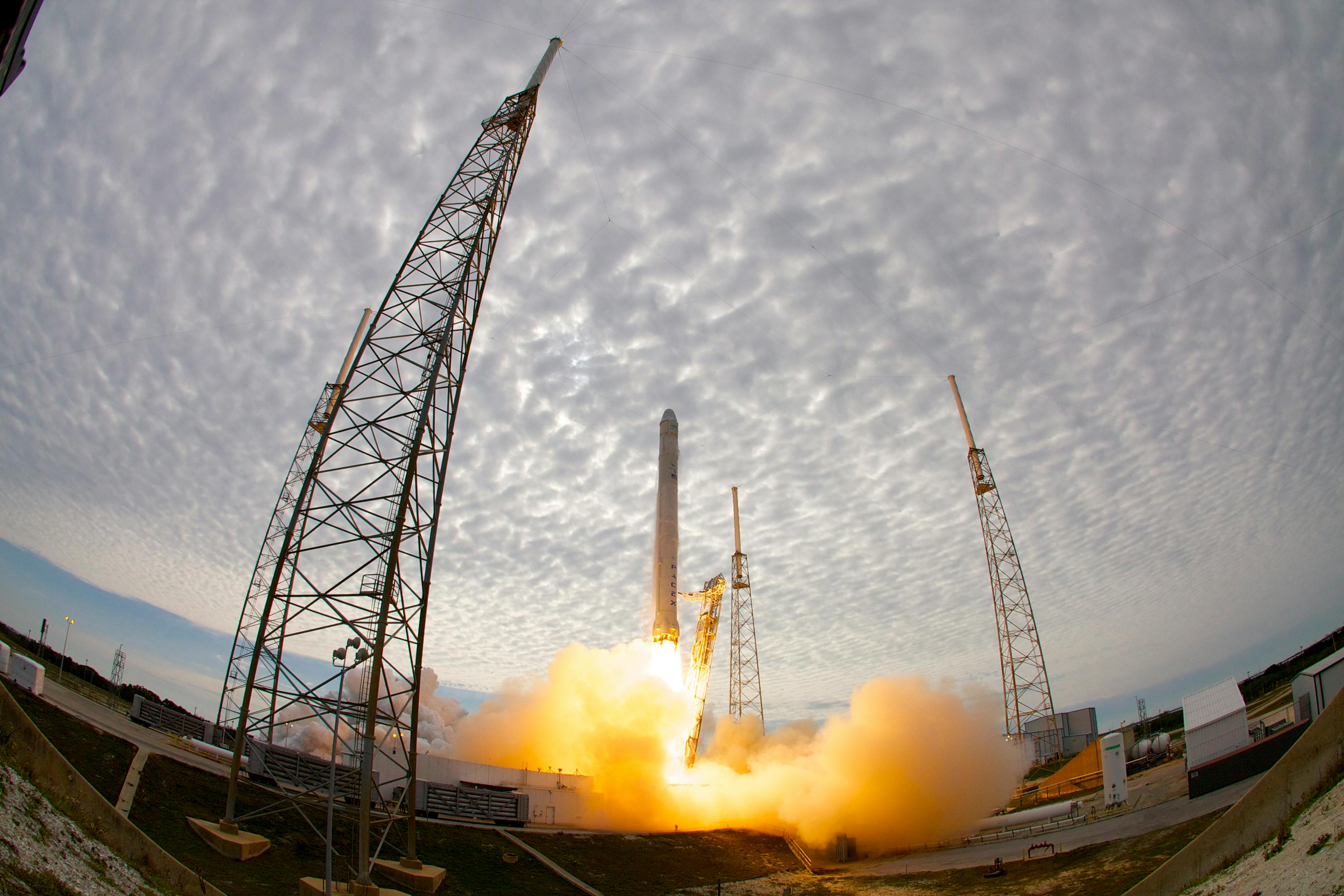
SpaceX successfully launches two lunar landers and clears another milestone with Transporter-12 rideshare mission.
SpaceX Crew-11 made an emergency return from the ISS on Jan. 15 after a medical crisis, spotlighting gaps in space rescue infrastructure.
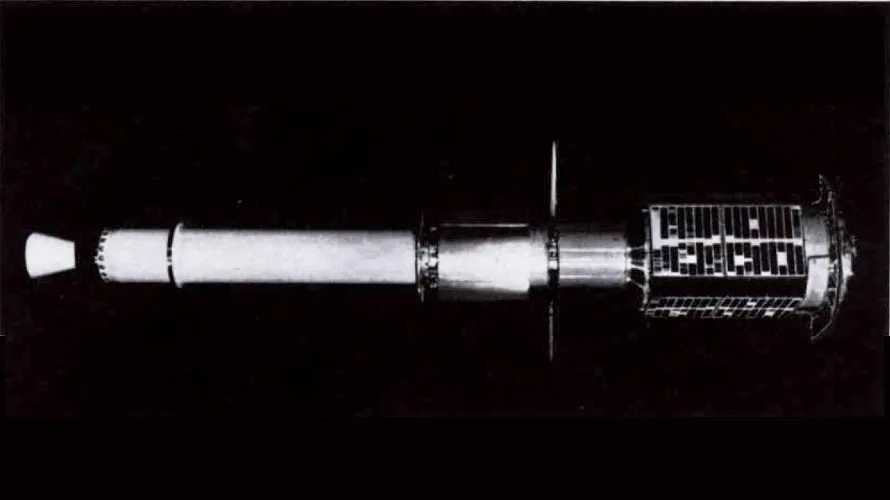
On April 27, 1961, a Scout rocket lifted a 37-kilogram NASA satellite into orbit from Wallops Island carrying the first serious instrument for detecting cosmic gamma rays. Explorer 11 operated for seven months before its tape recorder failed. In that time it registered 22 gamma-ray photons - a pitiful number by modern standards, but enough to launch an entire branch of astronomy.
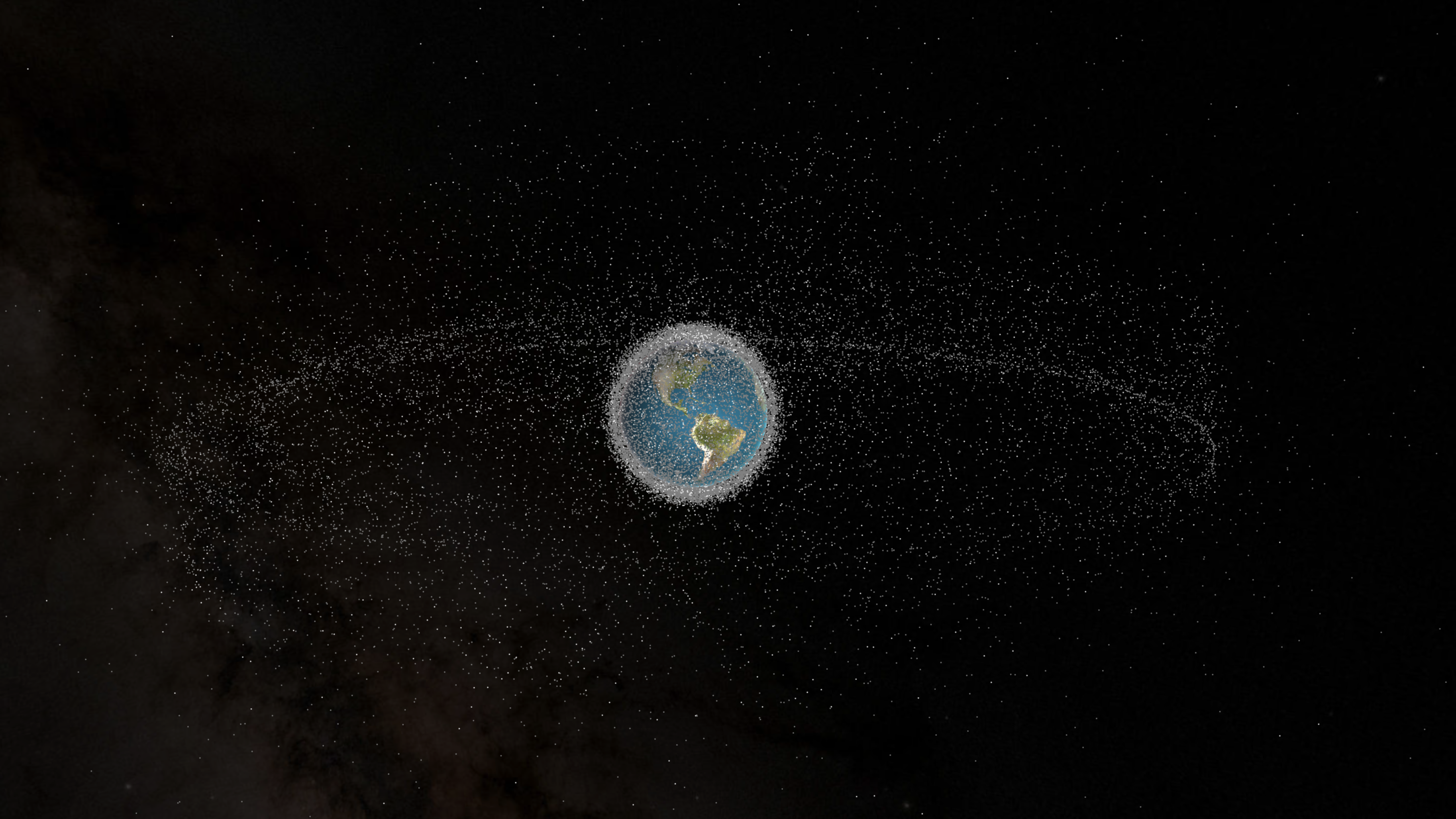
From shattered satellites to exploded rocket stages, space debris poses a growing risk to satellites, space stations, and astronauts. Here's a deep dive into what causes space debris, notable generating events, and what we're doing about it.
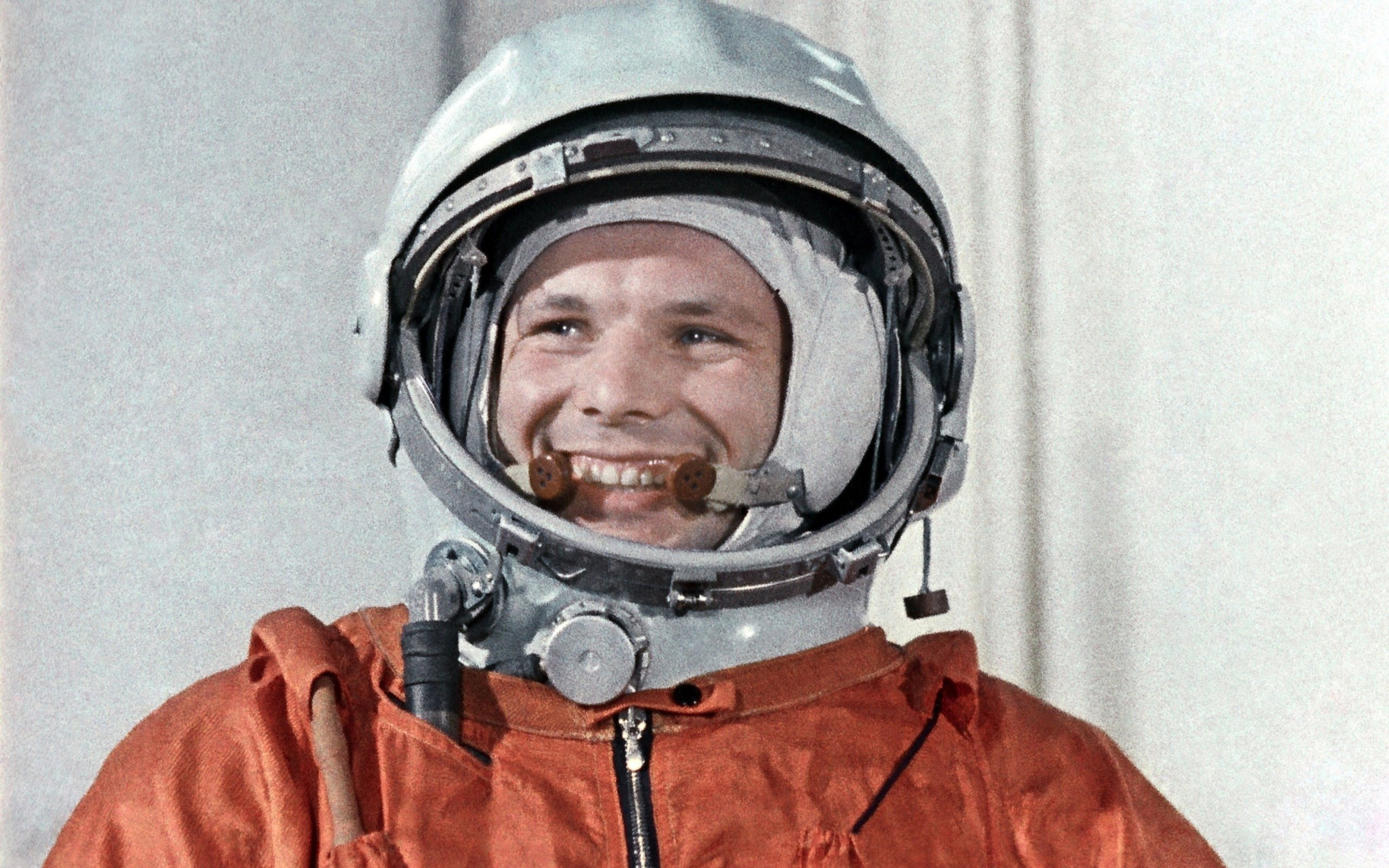
On April 12, 1961, a 27-year-old Soviet pilot rode a modified ICBM into orbit and came back alive after 108 minutes. Exactly twenty years later, two Americans climbed aboard an untested spacecraft covered in 31,000 ceramic tiles and bet their lives that the math was right.

SpaceX launched Starlink batches from Vandenberg and Cape Canaveral within 48 hours, pushing the active constellation toward 10,000 operational satellites.