


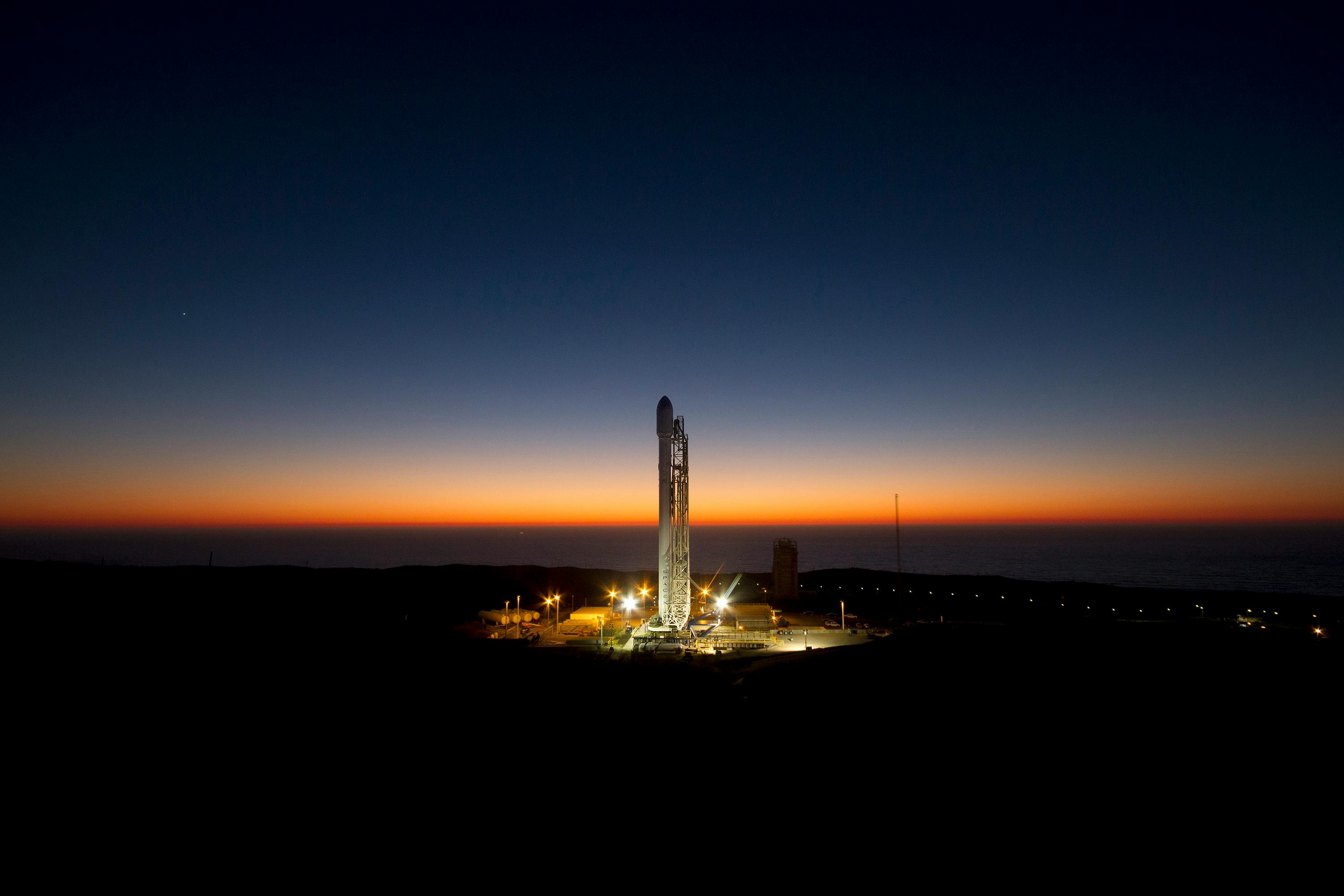
X Report 26 Sep 2025
SpaceX has been active, with successful launches of Starlink satellites and major developments at Cape Canaveral, signaling a competitive edge in satellite communication and launch capabilities.


Launch Date
August 30, 1998
Launch Site
Launch Pad
LC81/23
Launch Vehicle
Proton-K/DM-2M
NORAD ID
25462
International Designator
1998-050A
Epoch
Sat, 04 Jul 2026 05:35:24 GMT
Apogee
Calculating...
Perigee
Calculating...
Inclination
7.14°
Right Ascension
68.82°
Eccentricity
Calculating...
Argument of Perigee
64.61°
Period
1459.57 min
Mean Motion
0.99 rev/day
Latitude
Calculating...
Longitude
Calculating...
Altitude
Calculating...
Velocity
Calculating...
Name
ASTRA 2A
Alternative Name
Astra 2A
Type
Status
Owner
SES
Country
Luxembourg
Constellation
N/A
Related Satellites
Major Events
N/A
1 25462U 98050A 26185.23291740 .00000046 00000-0 00000-0 0 9991
2 25462 7.1447 68.8228 0024799 64.6088 287.1371 0.98659371 46435
Source: Celestrak
Length
4
Diameter
3.2
Span
26.2
Dry Mass
1950
Launch Mass
3550
Shape
Box + 2 Pan
Radar Cross Section
18.8958
Visual Magnitude
Unknown
Color
Unknown
Material Composition
Unknown
Payload
Astra 2A
Purpose
Communication (Direct Broadcasting)
Mission
Communication (Direct Broadcasting)
Manufacturer
HSES
Life Expectancy
15 years
Bus
HS-601HP
Configuration
HS-601HP / BSS-601HP
Motor
X/R-4D11-300
Equipment
32 Ku-band transponders (all), 2 Ka-band transponders (only #1H)
Power System
2 deployable solar arrays, batteries
ADCS
Unknown
Transmitter Frequency
Unknown
Learn more about satellites and other related topics.
SpaceX has been active, with successful launches of Starlink satellites and major developments at Cape Canaveral, signaling a competitive edge in satellite communication and launch capabilities.
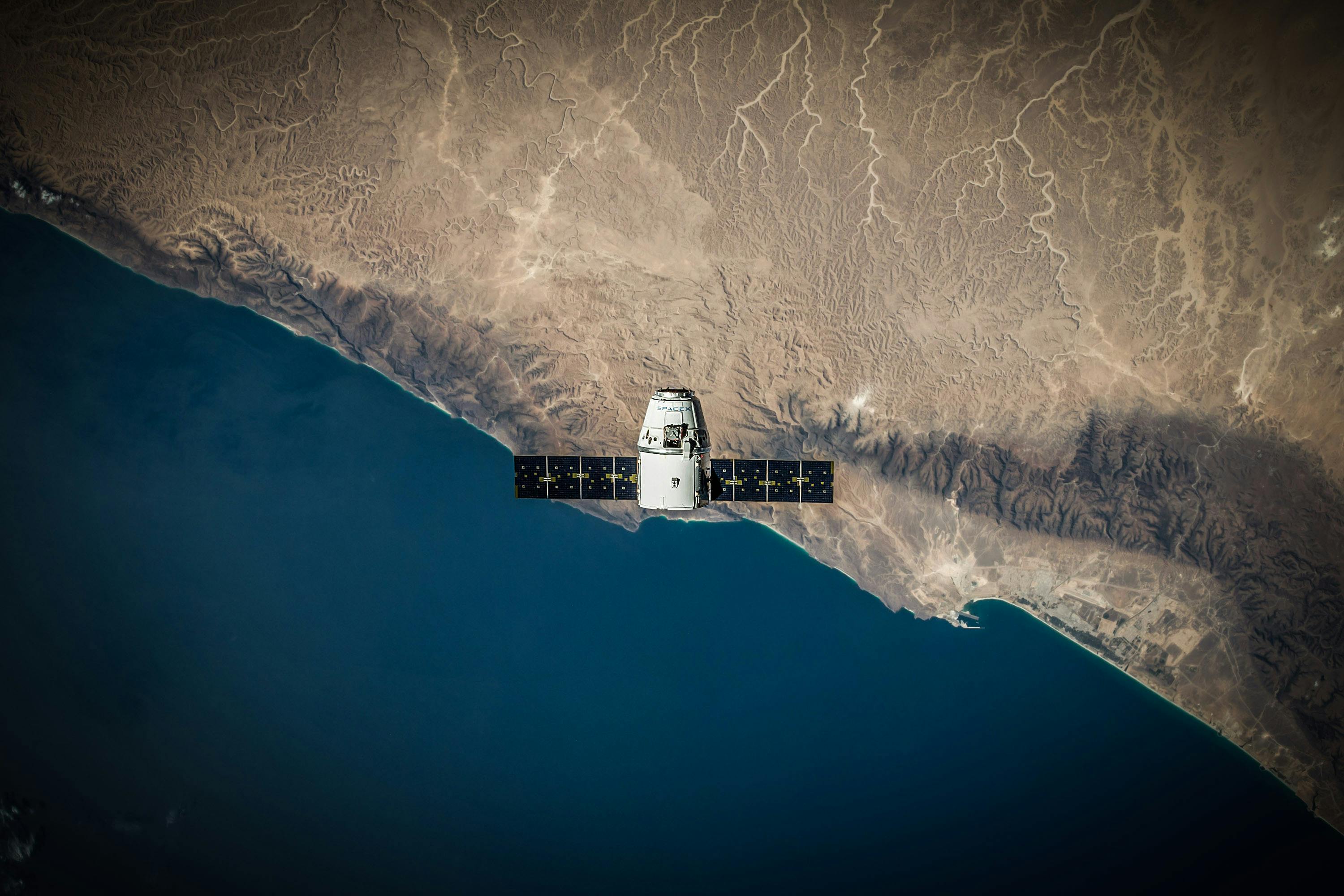
DIU explores SpaceX Starship's in-space refueling; Investors advise startups against competing or emulating SpaceX.

Starbase expansion progresses and Germany eyes its own satellite constellation.
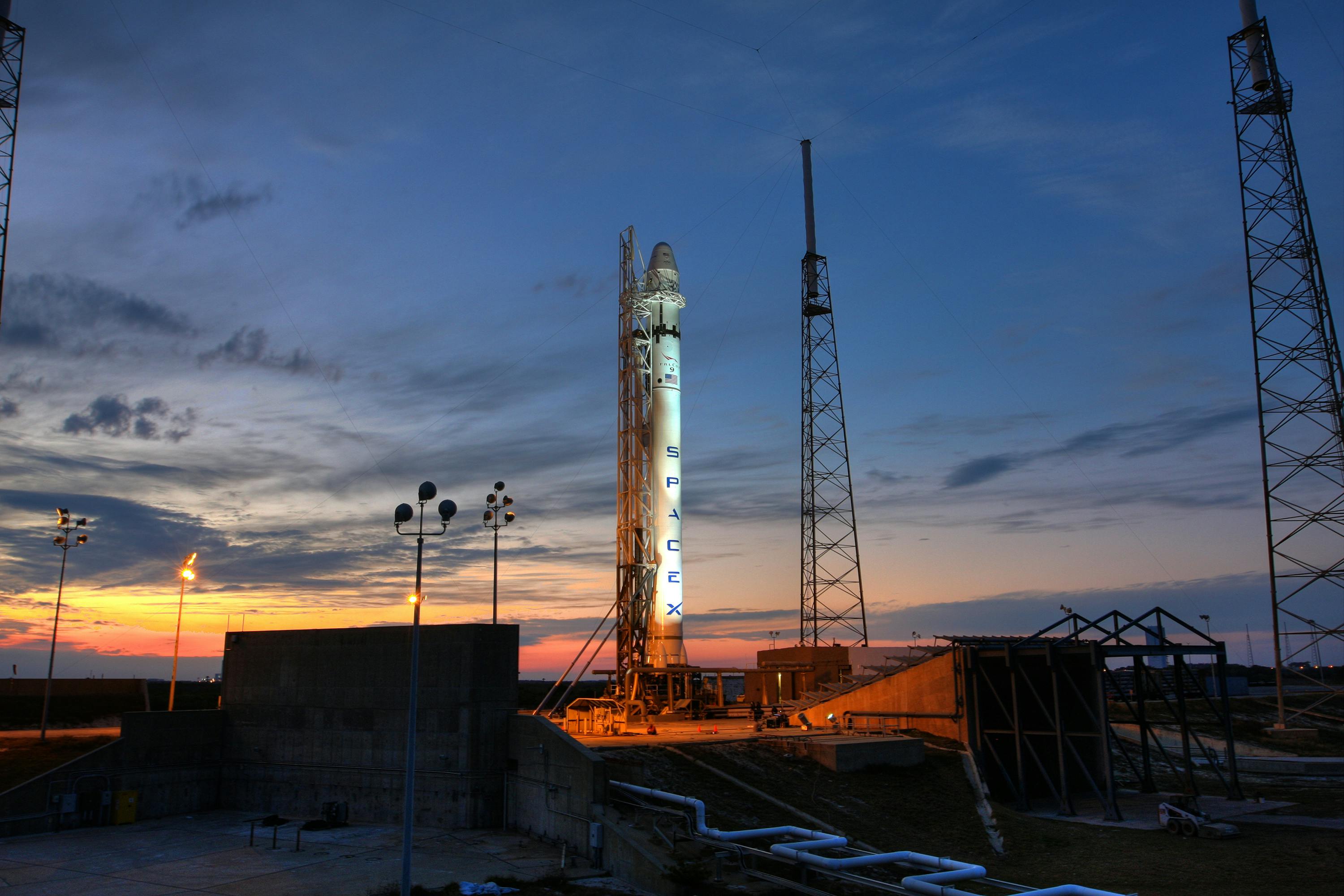
Important updates include SpaceX's $19 billion spectrum deal with EchoStar, a successful super heavy booster test, and recent setbacks in launching due to poor weather.
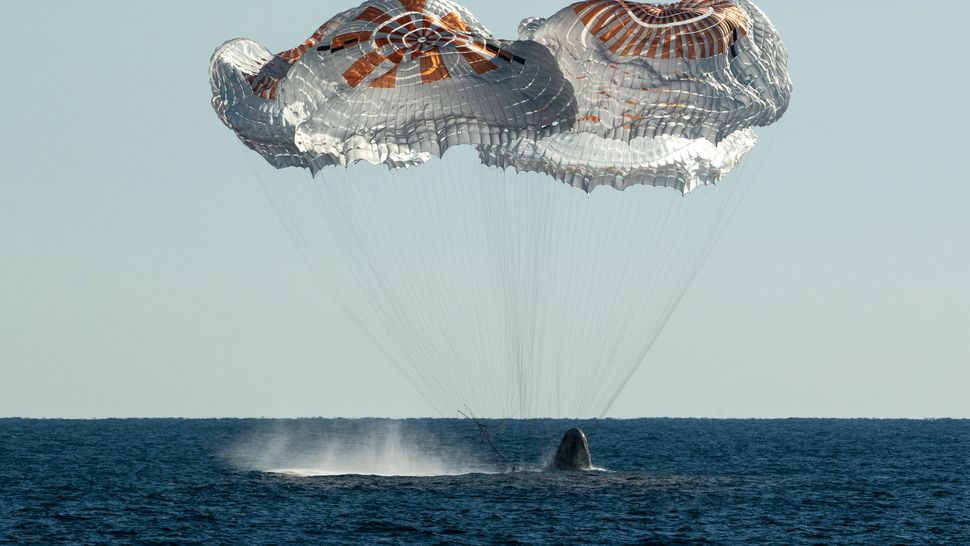
Today's highlights include Crew-8's return amid weather delays, new space tourism announcements by Deep Blue Aerospace, and Europe's efforts to combat space debris. Plus, another successful SpaceX launch and the ESA backed Zero Debris Charter gains international traction.
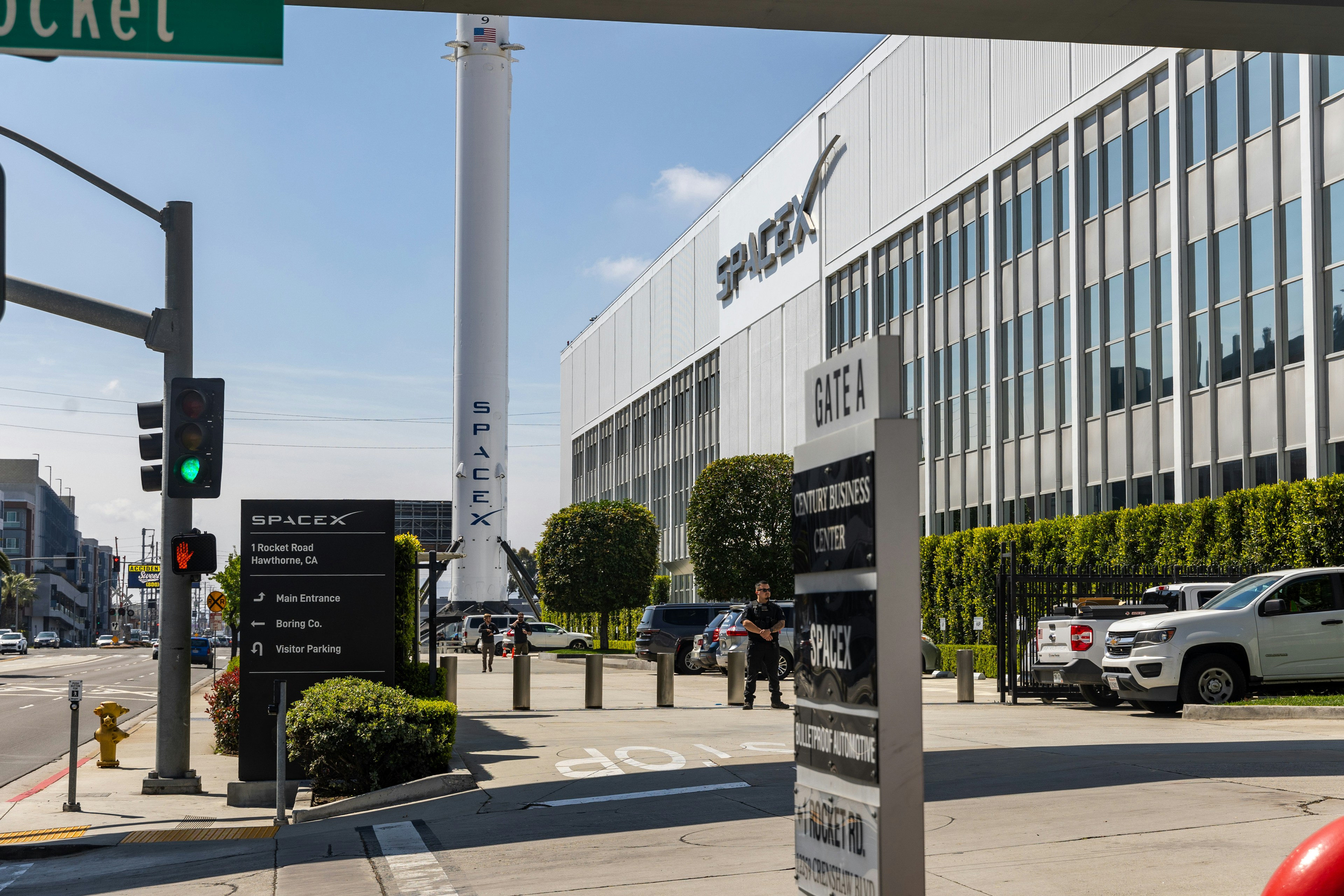
SpaceX continues to make strides with its Starship program while successfully launching another batch of Starlink satellites into orbit, enhancing global internet coverage.
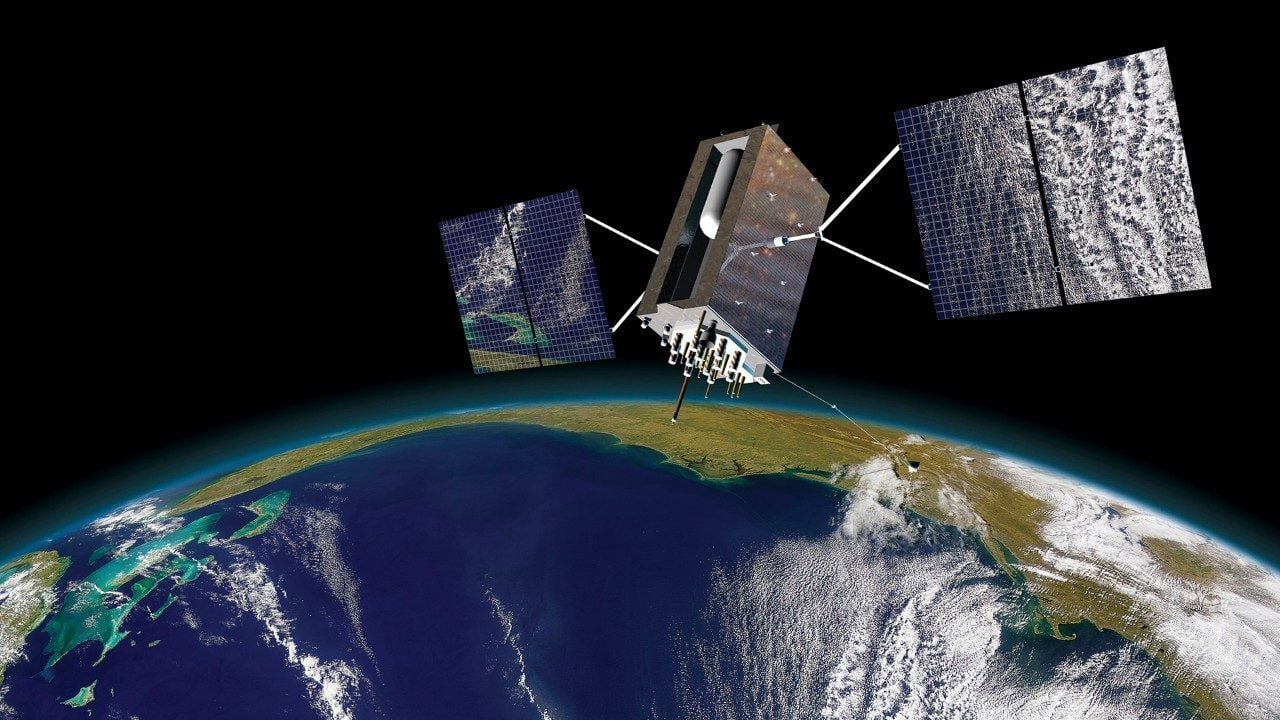
On April 17, 2026, the U.S. Space Force officially cancelled the Next Generation Operational Control System after sixteen years of development, cost overruns, and testing failures. The $8 billion program was supposed to unlock the military's encrypted GPS signal. Instead, the satellites are flying with capabilities the ground can't command.

Launch of 21 new Starlink satellites, featuring cell phone connectivity, and updates on NASA and SpaceX collaborative missions.