


Space Brief 6 Feb 2025
Today's brief covers a diverse range of topics, including reentry mission approvals, leadership changes in the Space Development Agency, and innovative military satellite communications.



Launch Date
August 18, 1987
Launch Site
PLMSC
Launch Pad
LC32/1
Launch Vehicle
Tsiklon-3
NORAD ID
25453
International Designator
1987-068CB
Decay Date
8/14/1999
Name
SL-14 DEB
Alternative Name
deb S5M
Type
Status
Owner
VKSR
Country
Russia
Constellation
N/A
Related Satellites
Major Events
N/A
Length
0
Diameter
0
Span
0
Dry Mass
0
Launch Mass
0
Shape
N/A
Radar Cross Section
0.0032
Visual Magnitude
Unknown
Color
Unknown
Material Composition
Unknown
Payload
Unknown
Purpose
Unknown
Mission
Unknown
Manufacturer
Unknown
Life Expectancy
Unknown
Bus
Unknown
Configuration
Unknown
Motor
Unknown
Equipment
Unknown
Power System
Unknown
ADCS
Unknown
Transmitter Frequency
Unknown
Learn more about satellites and other related topics.
Today's brief covers a diverse range of topics, including reentry mission approvals, leadership changes in the Space Development Agency, and innovative military satellite communications.
Starbase Pad 2 passes water-cooled deck test ahead of Booster 19. Starlink restrictions disrupt Russian battlefield communications. California city weighs banning Musk companies.
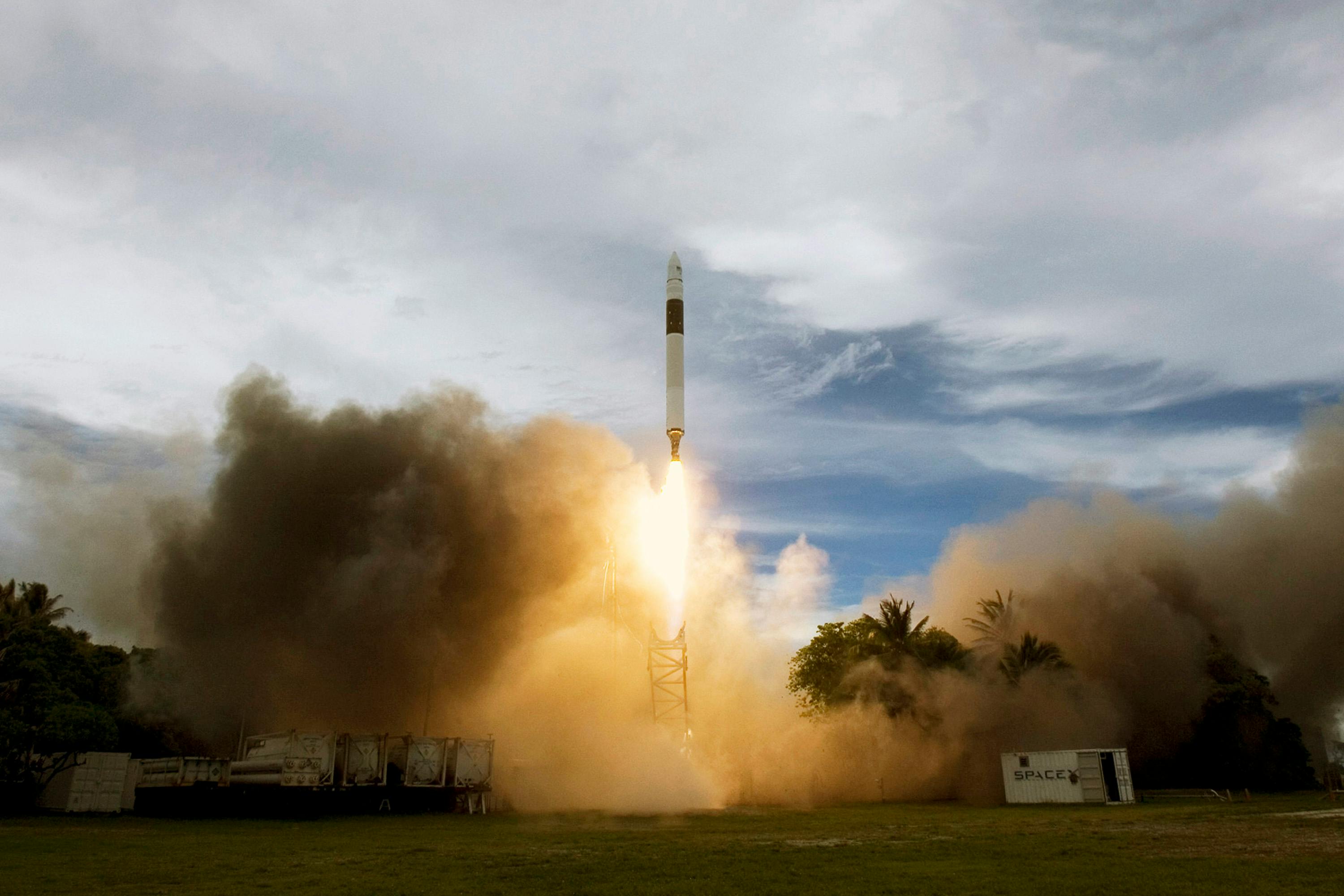
SpaceX number of launches in 2025: a record 165 orbital flights. Starlink added 4.6M customers across 35 new markets; new Vandenberg pad offered.
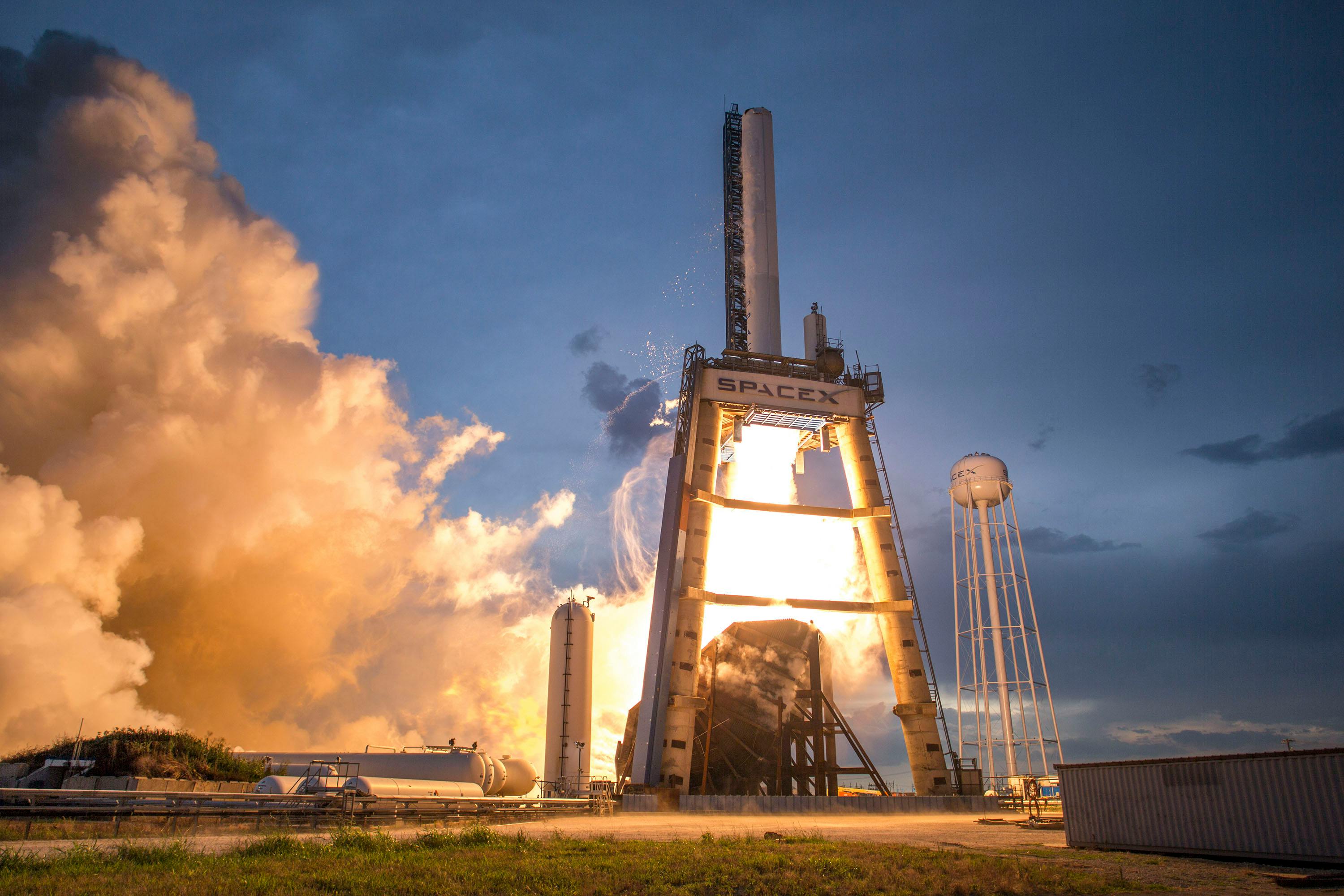
Today's brief covers various military applications of climate-monitoring satellites, new defense strategies against unmanned threats, and the potential impacts of geopolitical tensions on orbit.

SpaceX faces weather challenges as it scrubs the launch of its 3,000th Starlink satellite. Meanwhile, Elon Musk discusses advancing to a Type II civilization in an engaging social media post.
SpaceX wraps up a record-breaking year with an impressive launch count, while the Starship program looks to make significant advancements in 2025.

Musk confirms Starmind, an AI satellite constellation targeting 1 million orbital compute nodes. Starfall's debut and Dragon's ISS departure follow.
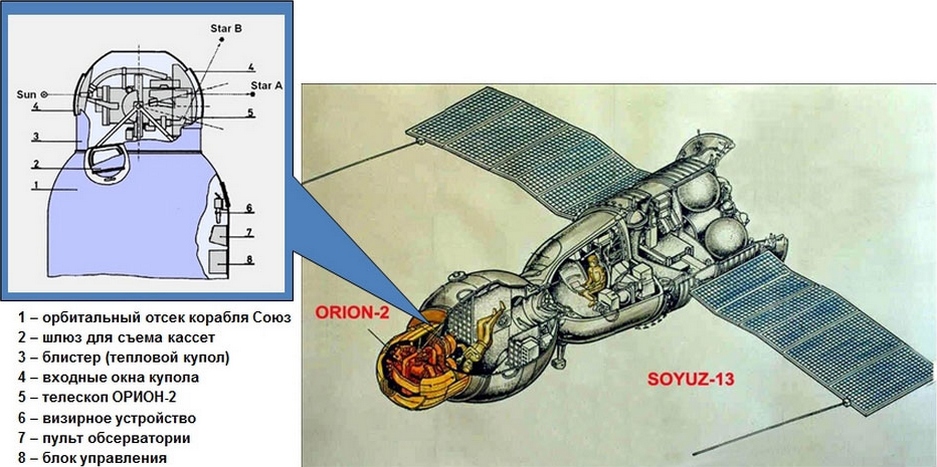
Exactly 52 years ago today, the Soviet Union launched Soyuz 13 - a scientific mission that marked the first time American astronauts and Soviet cosmonauts orbited Earth simultaneously. Armed with a revolutionary ultraviolet telescope, Pyotr Klimuk and Valentin Lebedev would discover elements never before seen in distant nebulae.