

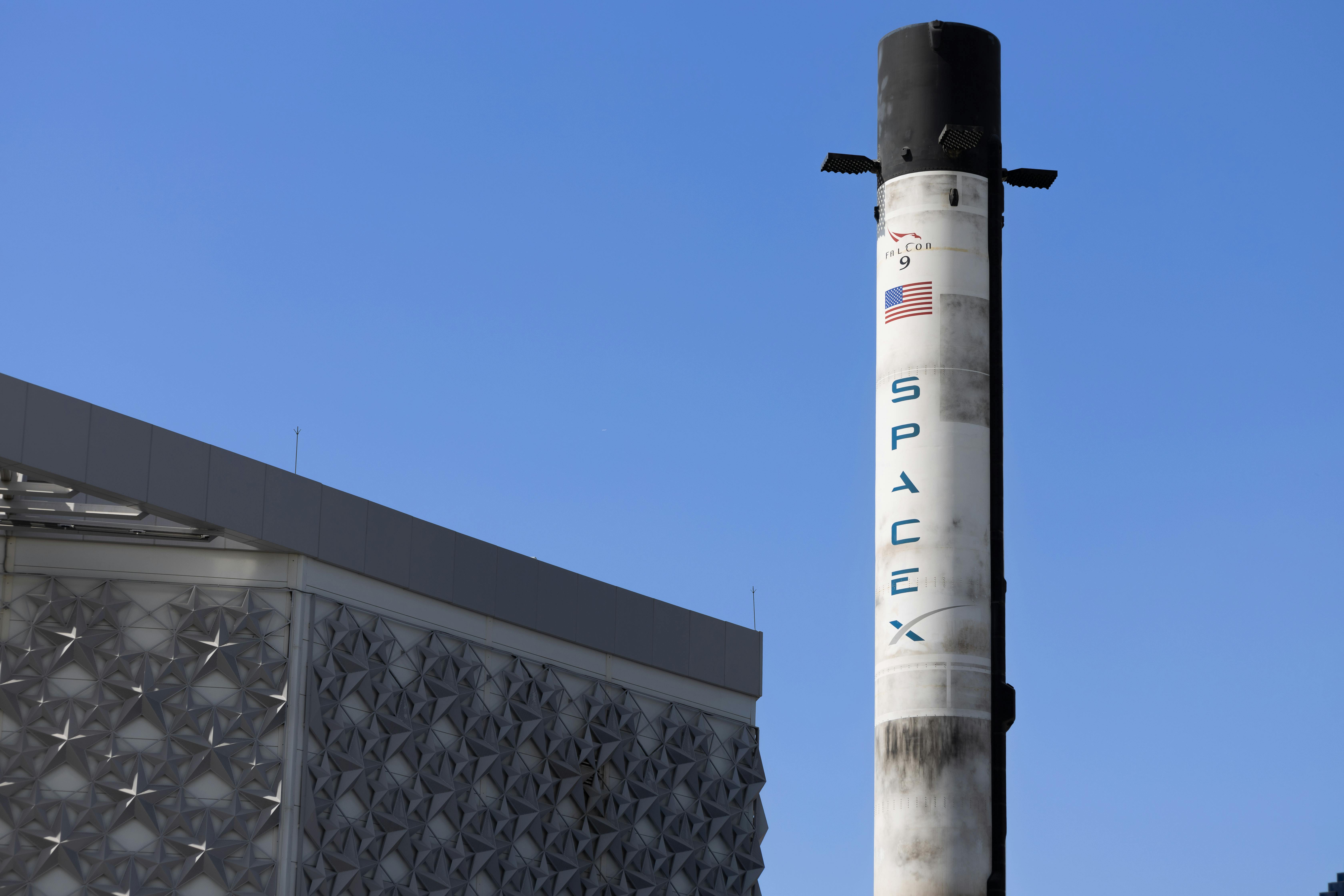
NASA Awards Private Mars Orbiter Contract for 2028 | KeepTrack X Report
A California firm wins NASA's Aeolus Mars orbiter contract, targeting 2028 launch for the first daily global Martian environment measurements.


Launch Date
July 7, 1998
Launch Site
SUBL
Launch Pad
LP1
Launch Vehicle
Shtil'-1
NORAD ID
25389
International Designator
1998-042A
Decay Date
4/23/2002
Name
TUBSAT N
Alternative Name
Tubsat-N
Type
Status
Owner
TUB
Country
Germany
Constellation
N/A
Related Satellites
Major Events
N/A
Length
0.104
Diameter
0.32
Span
0.32
Dry Mass
8.5
Launch Mass
8.5
Shape
Box
Radar Cross Section
0.3006
Visual Magnitude
Unknown
Color
Unknown
Material Composition
Unknown
Payload
Tubsat-N
Purpose
Technology, data relay
Mission
Technology, data relay
Manufacturer
TUB
Life Expectancy
Unknown
Bus
Tubsat-N
Configuration
Tubsat-N Bus
Motor
None
Equipment
Unknown
Power System
Solar cells, batteries
ADCS
Unknown
Transmitter Frequency
Unknown
Learn more about satellites and other related topics.
A California firm wins NASA's Aeolus Mars orbiter contract, targeting 2028 launch for the first daily global Martian environment measurements.
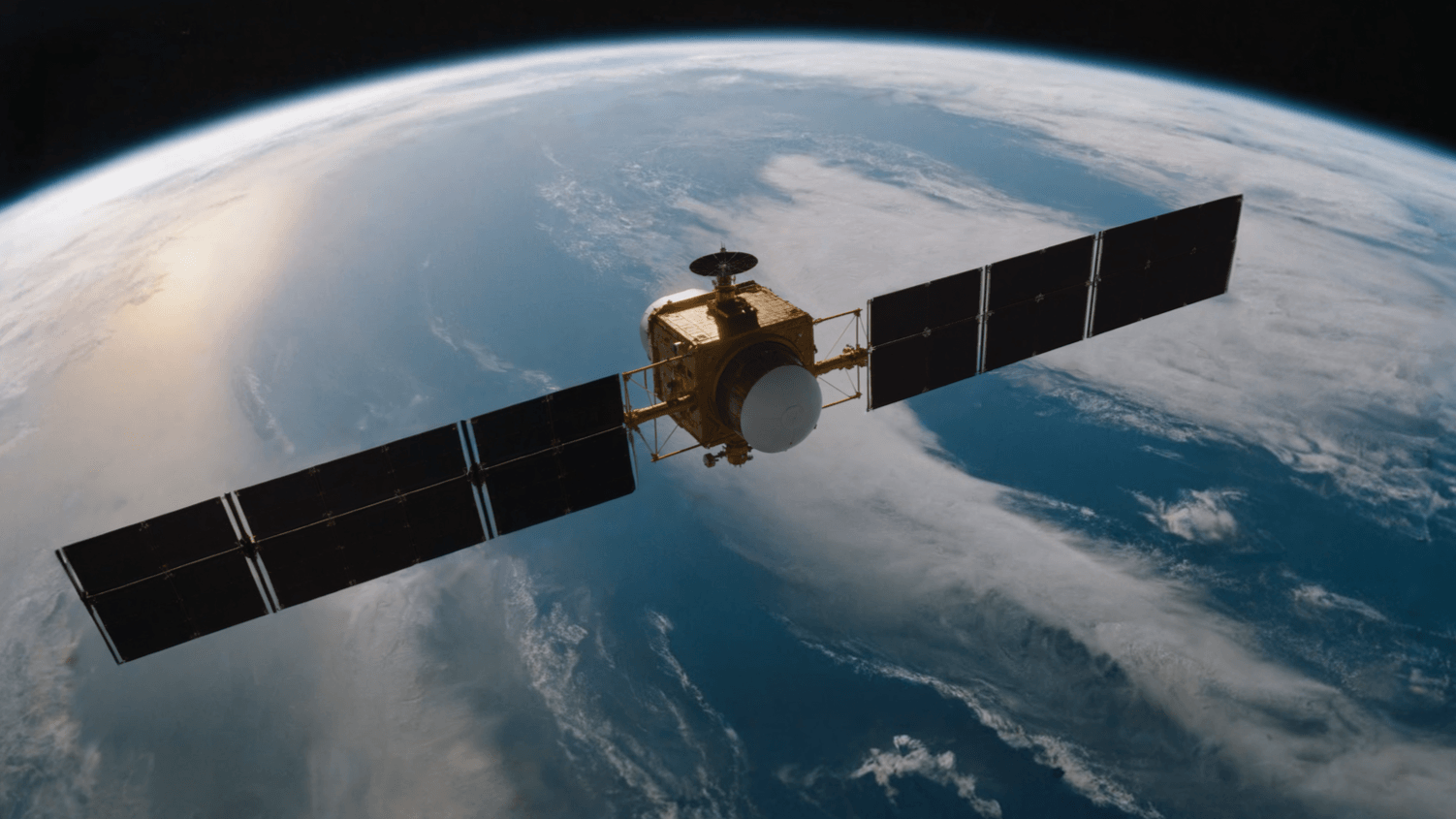
Today's highlights include General Dynamics' contract extension with SDA, ABL Space Systems layoffs, NASA's Crew-9 mission adjustments, and Galactic Energy's successful satellite launch.

Tensions between SpaceX and the U.S. government escalate as President Trump's threats could have significant implications on the company's operations and future plans. Meanwhile, India takes a significant step in its space endeavors with a historic astronaut launch.
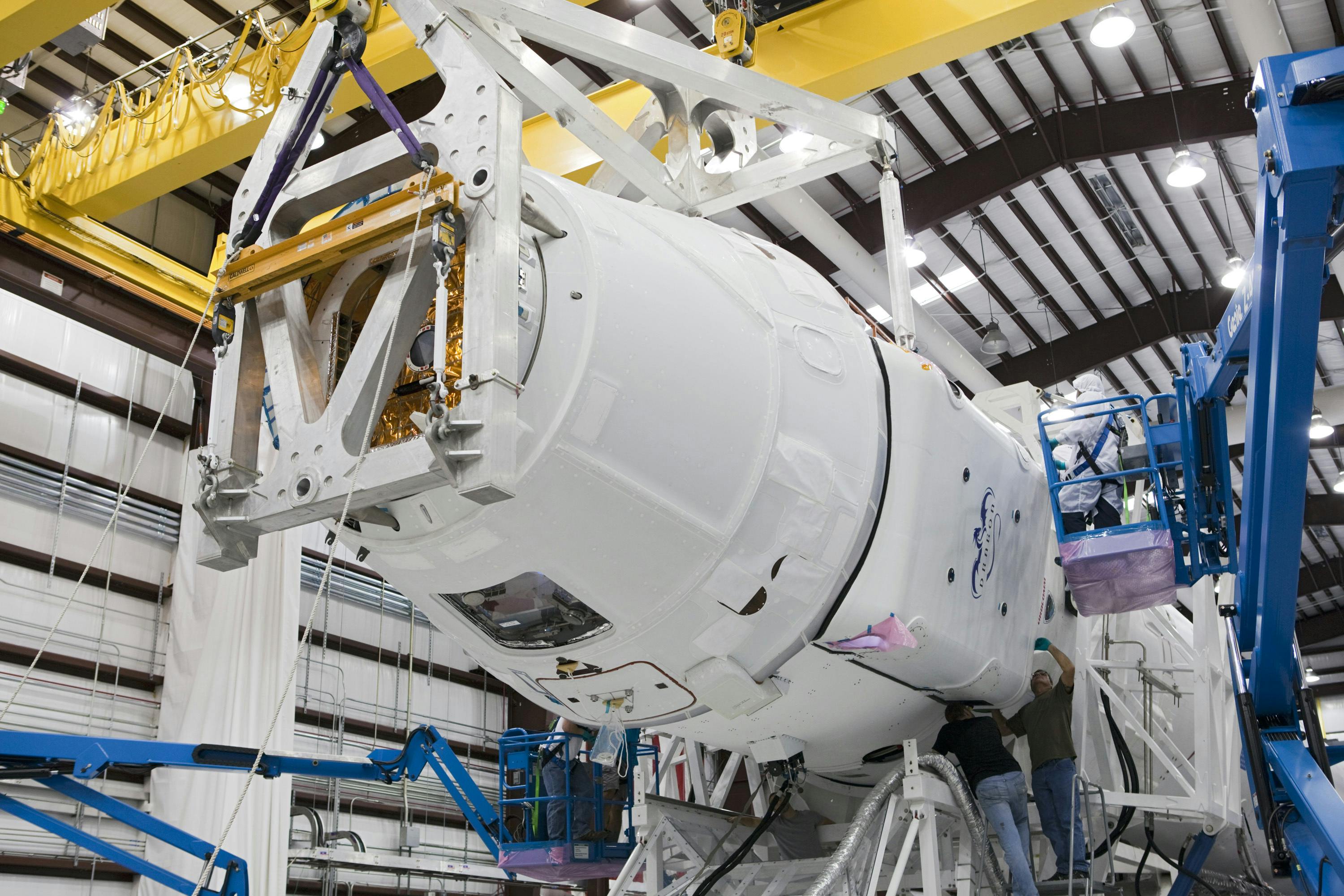
Elon Musk denies Starlink price reductions are driven by Amazon Kuiper competition. SpaceX launches 29 Starlink satellites in 18th constellation mission of 2026. Five more coming this week.
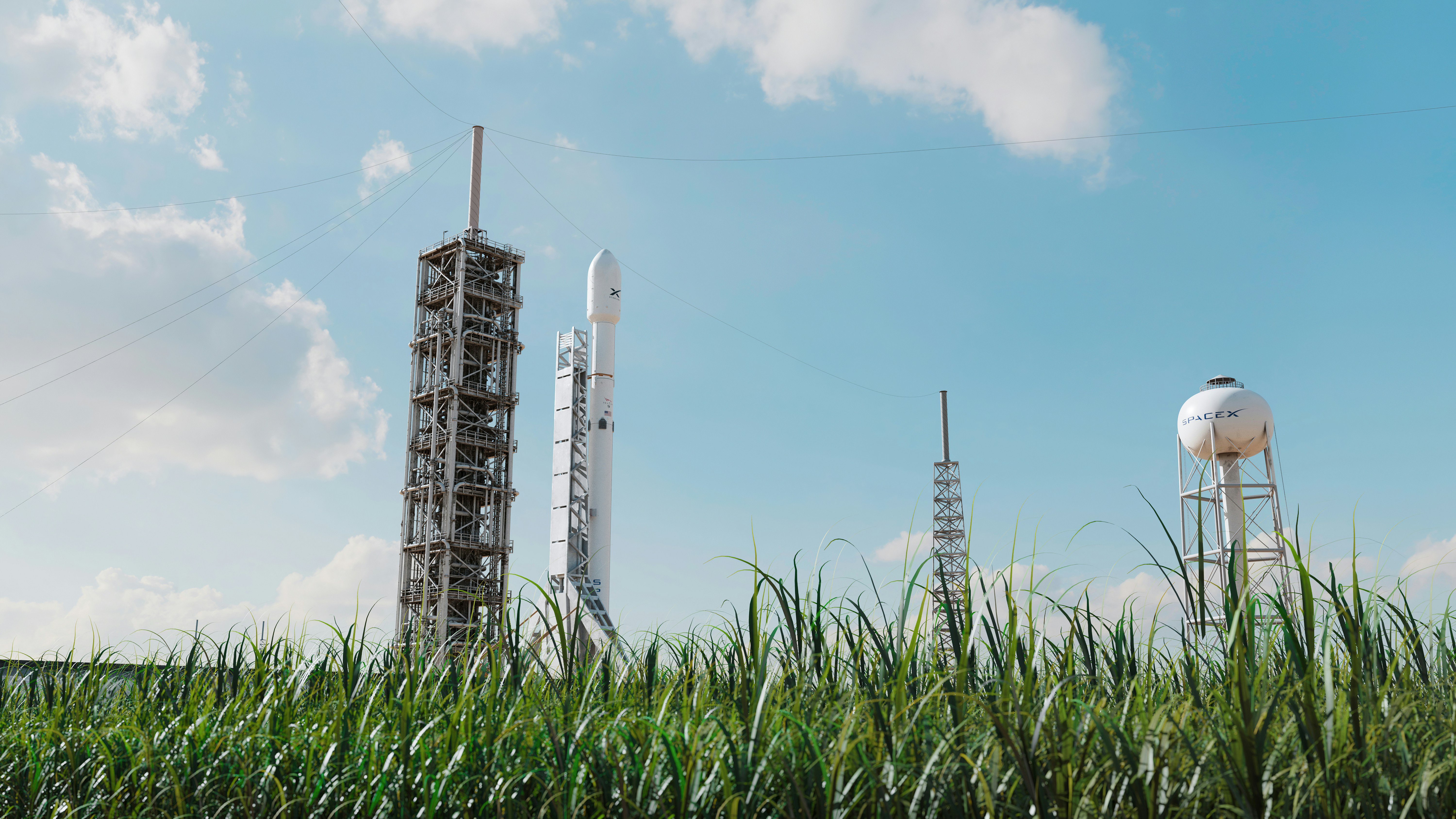
Falcon 9 booster reuse record: SpaceX's most-flown booster flew a 33rd flight Feb 21 with 28 Starlink V2 Minis. Two launches in a day; 9,779 on orbit.
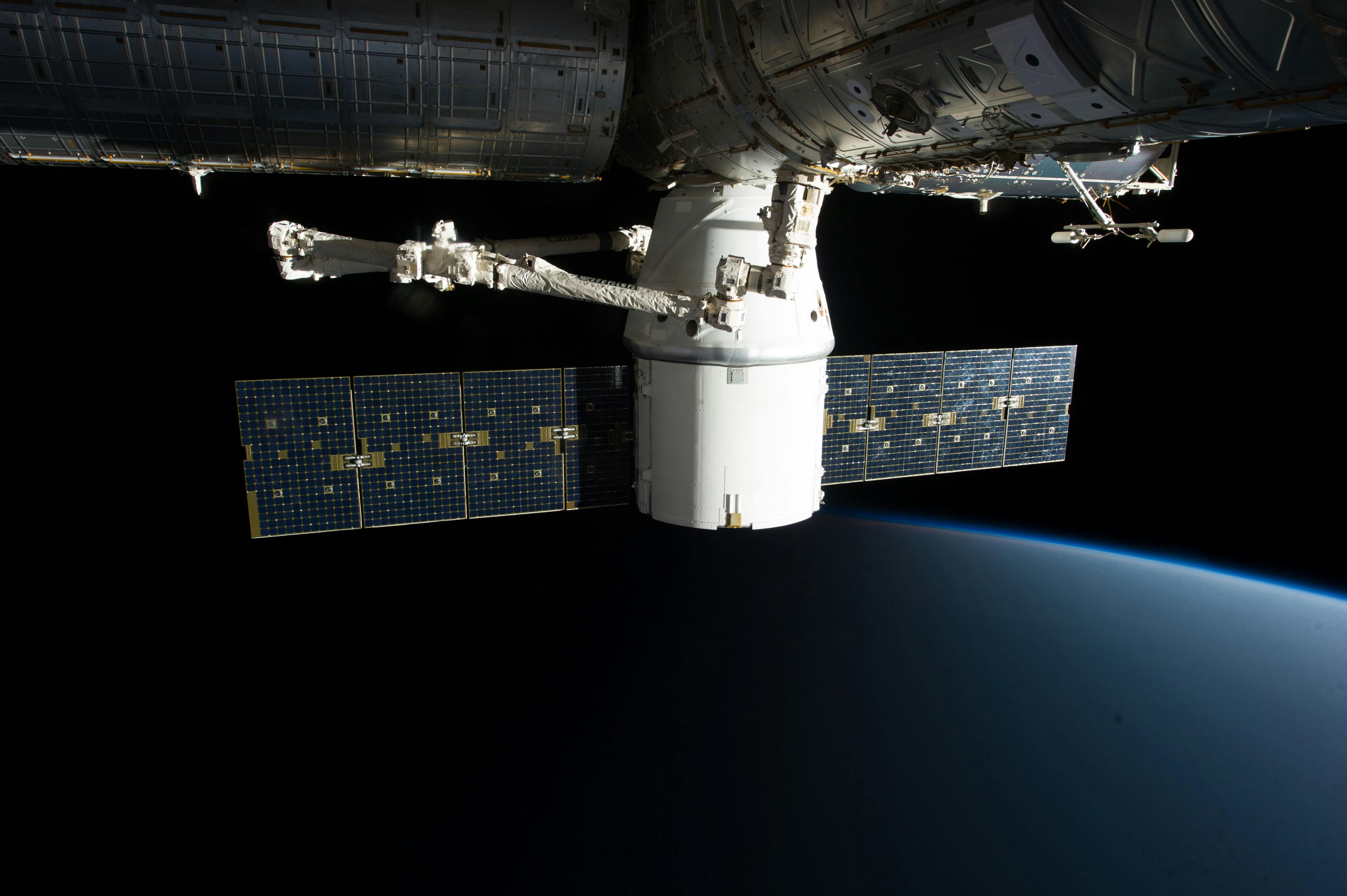
SpaceX secures FAA license for Starship Flight 7 and plans to establish Starbase as a city. Firefly and ispace are set to share a Falcon 9 launch. Plus, new Starlink services launch in New Zealand.

Today's coverage includes the cancellation of DARPA's DRACO nuclear propulsion project, global shifts in Earth observation strategy, and new developments in satellite technology and military collaborations.
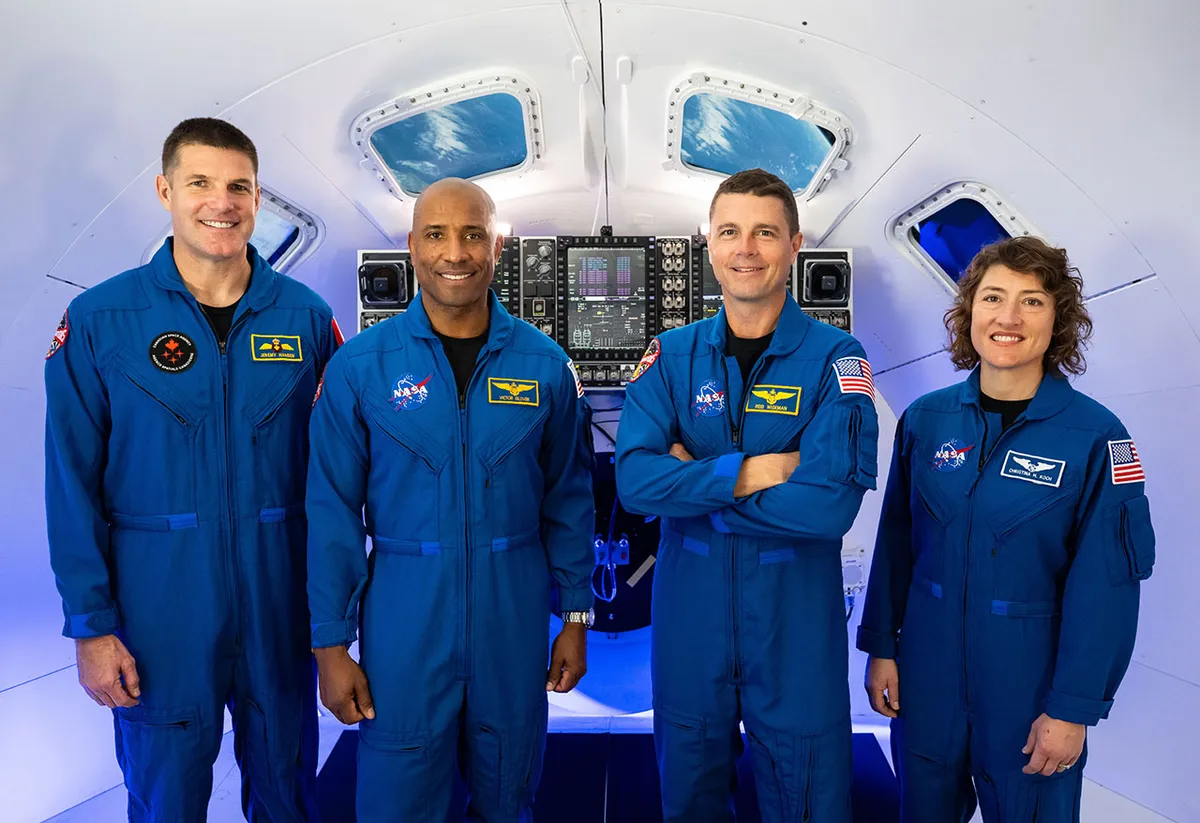
Four astronauts, a patched-together heat shield, and a $50 billion question: whether NASA can still send humans beyond low Earth orbit. Tomorrow, we find out.