


China's 75 Unusual GEO Maneuvers Flagged by CSIS | KeepTrack Space Brief
CSIS analysis identifies 75 unusual orbital maneuvers by Chinese GEO satellites over 10 years, consistent with military reconnaissance. Track GEO objects via KeepTrack.


Launch Date
May 9, 1998
Launch Site
Launch Pad
LC40
Launch Vehicle
Titan 401B/Centaur
NORAD ID
25336
International Designator
1998-029A
Decay Date
Unknown
Name
USA 139
Alternative Name
USA 139
Type
Status
Owner
NROC/NSA
Country
United States
Constellation
N/A
Related Satellites
Major Events
N/A
Length
6
Diameter
4
Span
30
Dry Mass
4600
Launch Mass
5000
Shape
Box + 2 Pan
Radar Cross Section
Unknown
Visual Magnitude
Unknown
Color
Unknown
Material Composition
Unknown
Payload
ORION 4
Purpose
SIGINT, ELINT, COMINT
Mission
SIGINT, ELINT, COMINT
Manufacturer
UNKUS
Life Expectancy
?
Bus
Adv ORION
Configuration
Large Dish Antenna, 3-Axis-Stabilization
Motor
?
Equipment
?
Power System
Solar arrays, batteries
ADCS
Unknown
Transmitter Frequency
Unknown
Learn more about satellites and other related topics.
CSIS analysis identifies 75 unusual orbital maneuvers by Chinese GEO satellites over 10 years, consistent with military reconnaissance. Track GEO objects via KeepTrack.
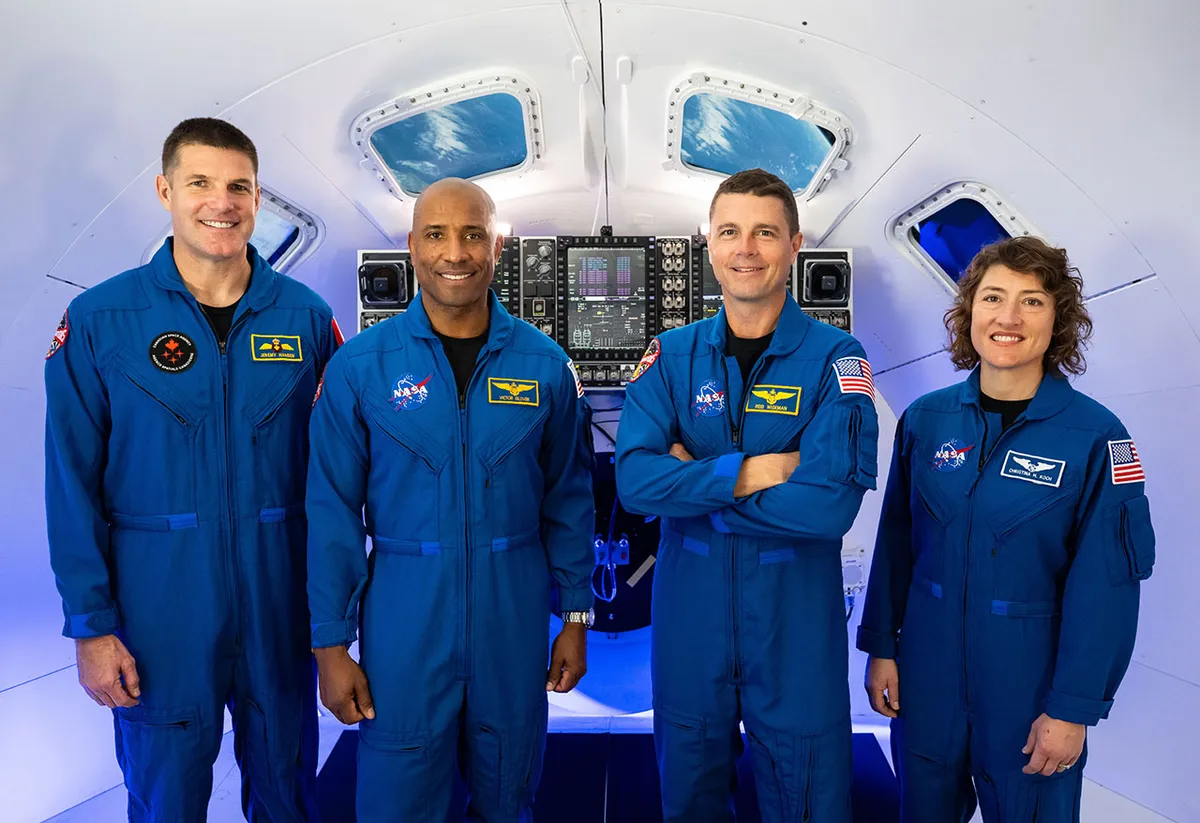
Four astronauts, a patched-together heat shield, and a $50 billion question: whether NASA can still send humans beyond low Earth orbit. Tomorrow, we find out.
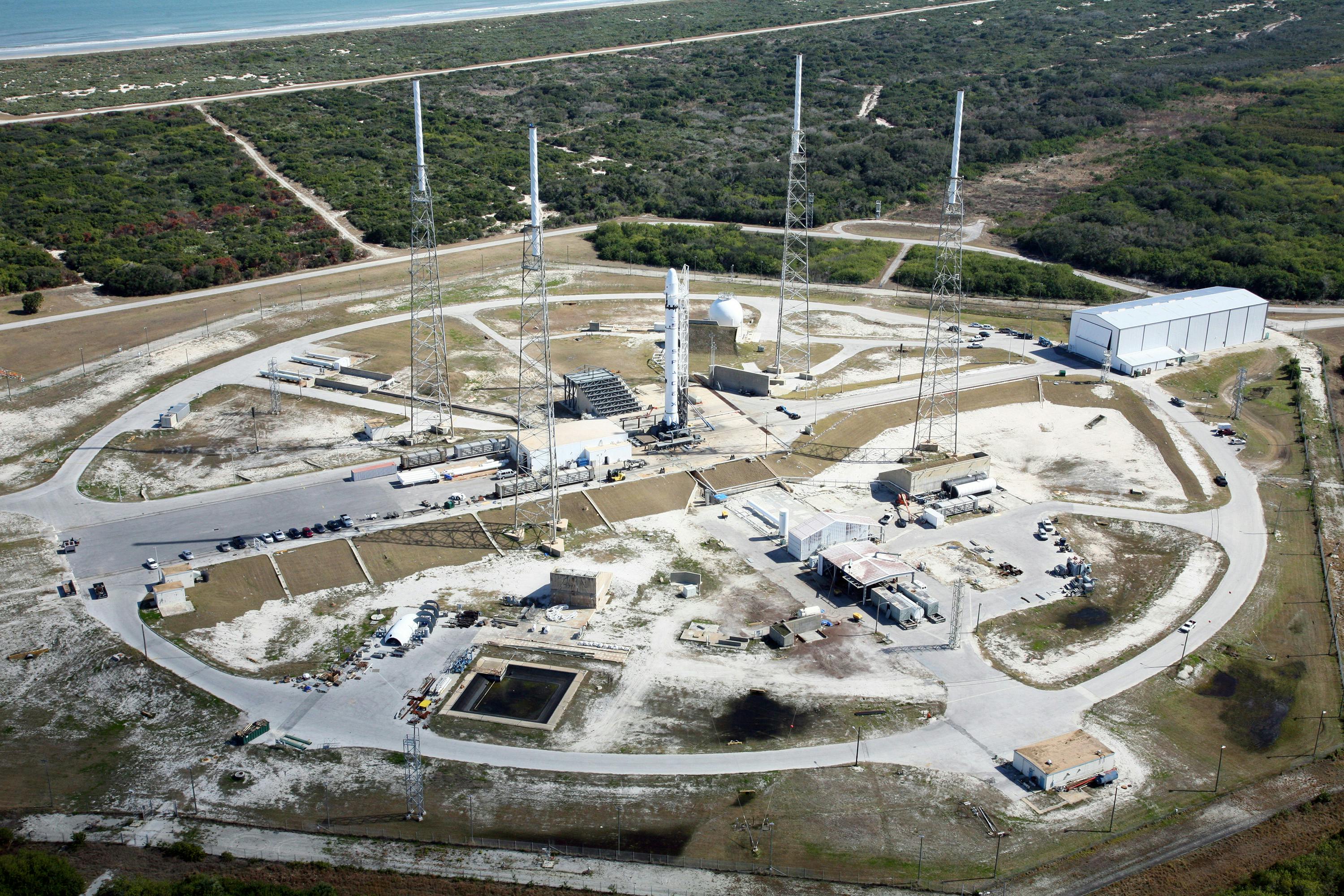
SpaceX's reported IPO structure grants Elon Musk unchecked control and forces 220,000-GPU Colossus AI deal into the spotlight.
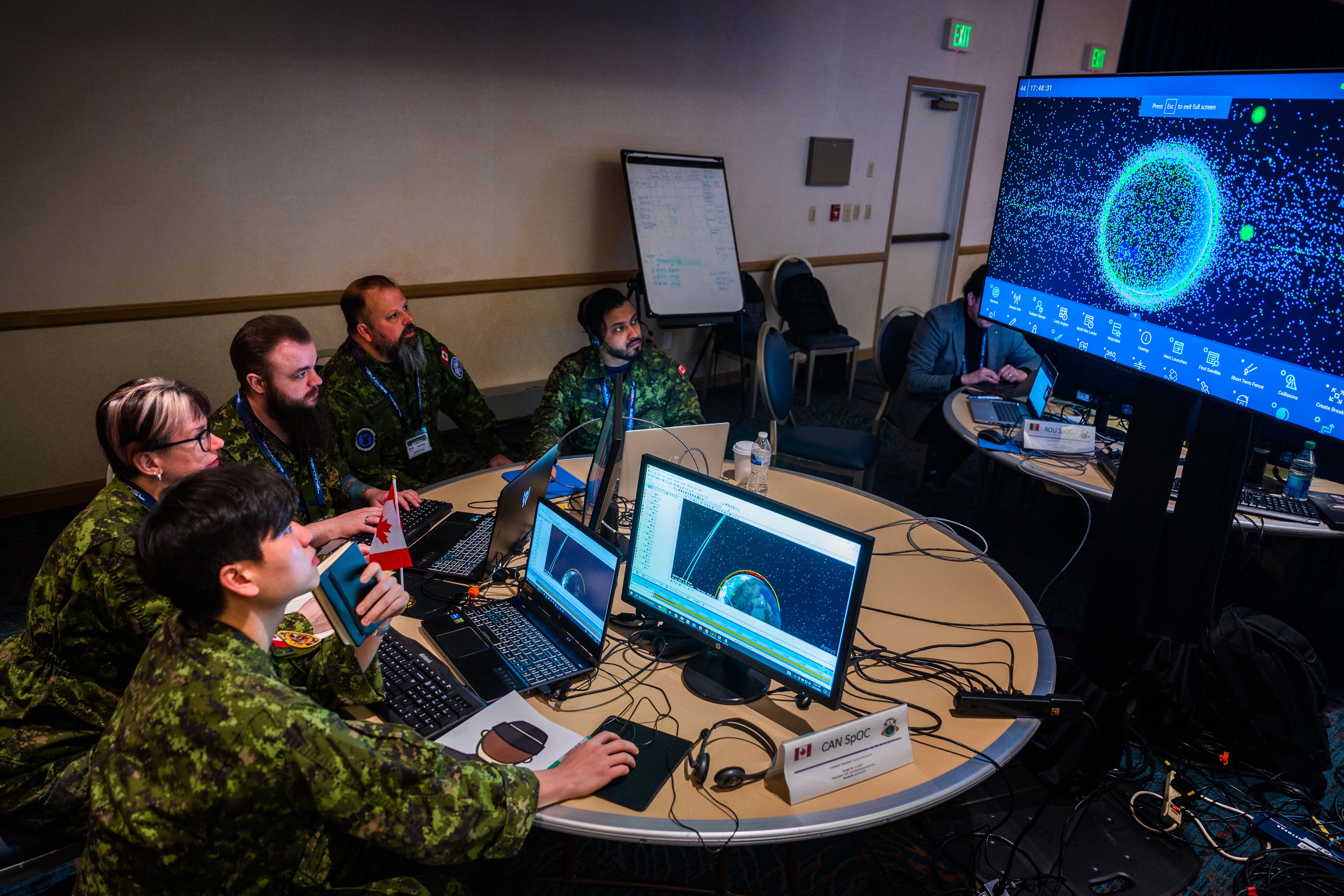
Space Force shares classified tracking data with commercial firms. Falcon 9 reentry linked to upper-atmosphere lithium plume. SpaceX launches 54 Starlink sats in one day.
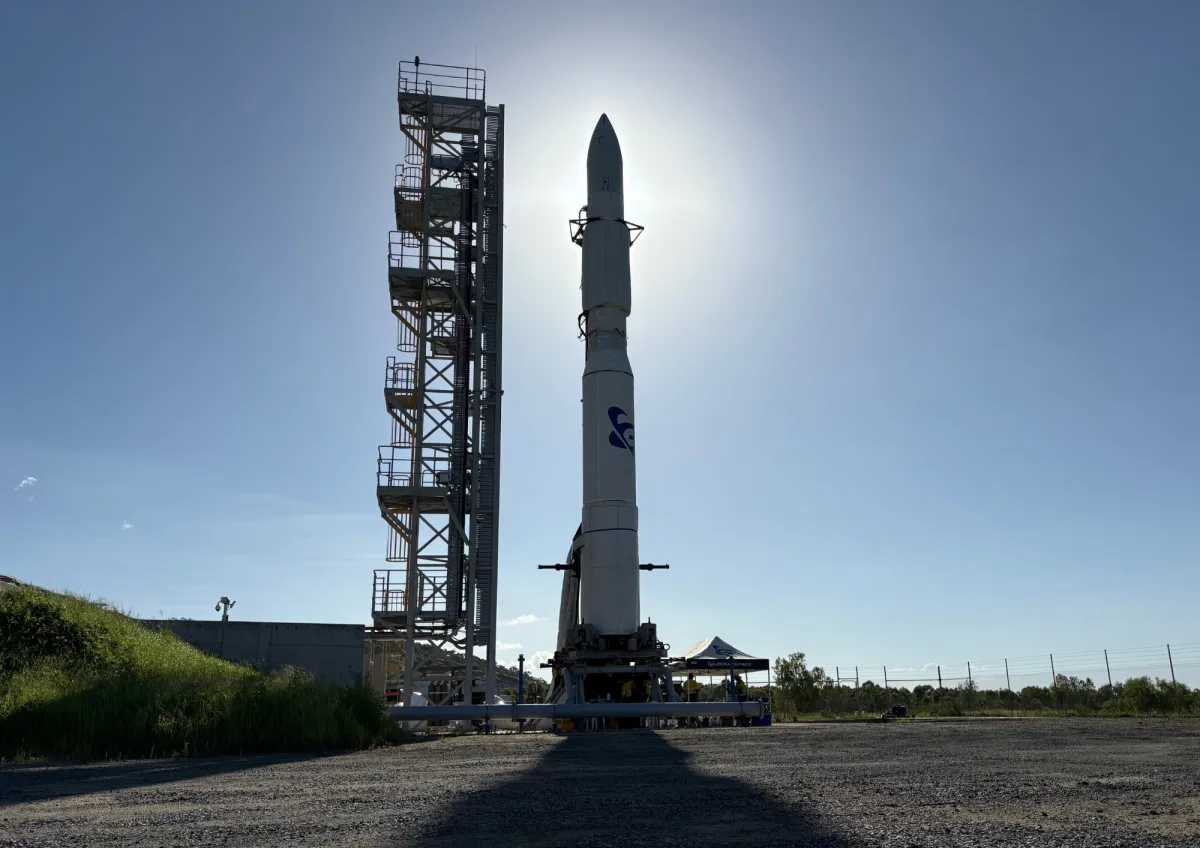
Today, we explore substantial U.S. defense contracts awarded for space launches, ESA's enigmatic Euclid images release, and SpaceX missions covering satellite launches and astronaut reentries.

Starship Flight 13 launches first Starlink V3 satellites as SpaceX nears 10,839 working satellites in orbit across the Starlink fleet.

Space Force shifts GPS III satellite launch from ULA's Vulcan to SpaceX Falcon 9 due to persistent solid rocket booster issues. Critical navigation asset reassignment signals operational consequences.
SpaceX prepares for a historic Falcon 9 landing attempt in The Bahamas, while also contributing to FAA air traffic control modernization.