


X Report 24 Dec 2025
SpaceX gears up for significant 2026 launches while a Starlink satellite anomaly provides insights into its operations.


Launch Date
May 7, 1998
Launch Site
Launch Pad
LC81/23
Launch Vehicle
Proton-K/DM-2M
NORAD ID
25331
International Designator
1998-028A
Epoch
Fri, 03 Jul 2026 18:17:38 GMT
Apogee
Calculating...
Perigee
Calculating...
Inclination
11.76°
Right Ascension
31.08°
Eccentricity
Calculating...
Argument of Perigee
300.36°
Period
1455.26 min
Mean Motion
0.99 rev/day
Latitude
Calculating...
Longitude
Calculating...
Altitude
Calculating...
Velocity
Calculating...
Name
ECHOSTAR 4
Alternative Name
Echostar IV
Type
Status
Owner
ECHO
Country
United States
Constellation
N/A
Related Satellites
Major Events
N/A
1 25331U 98028A 26184.76225692 -.00000073 00000-0 00000-0 0 9992
2 25331 11.7600 31.0818 0011145 300.3600 61.9157 0.98951629102502
Source: Celestrak
Length
4.5
Diameter
1.8
Span
21
Dry Mass
1580
Launch Mass
3470
Shape
Box + 2 Pan
Radar Cross Section
16.5995
Visual Magnitude
Unknown
Color
Unknown
Material Composition
Unknown
Payload
Echostar 4
Purpose
Communication (Direct Broadcasting)
Mission
Communication (Direct Broadcasting)
Manufacturer
LMCSS
Life Expectancy
Unknown
Bus
A2100AX
Configuration
A2100AX
Motor
Leros 1C
Equipment
32 Ku-band transponders
Power System
2 deployable solar arrays, batteries
ADCS
Unknown
Transmitter Frequency
Unknown
Learn more about satellites and other related topics.
SpaceX gears up for significant 2026 launches while a Starlink satellite anomaly provides insights into its operations.
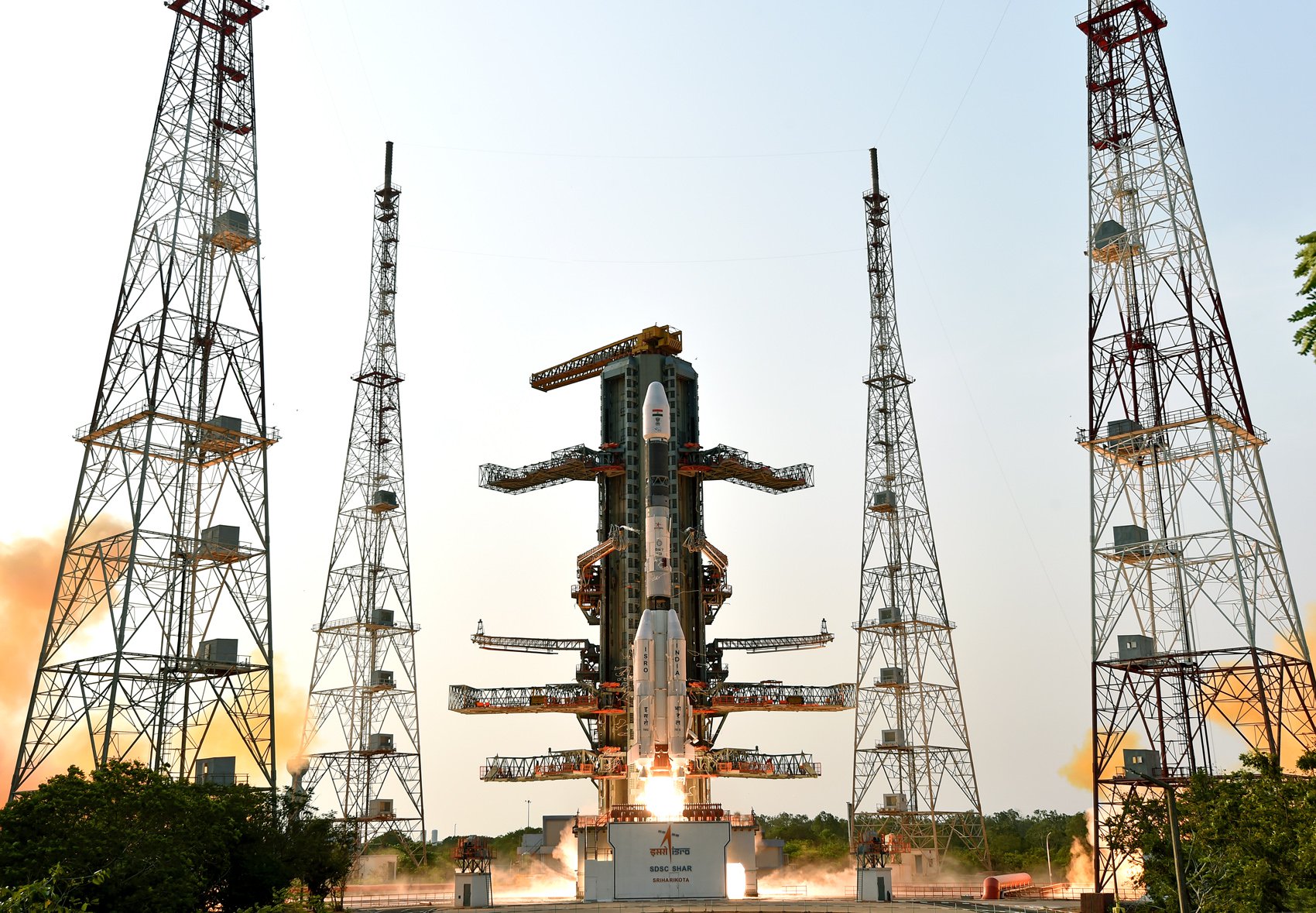
Today's highlights include SpaceX's Starlink launch, NASA's revived lunar mission, and a spotlight on space-defense activities.

Thirty years ago, a Chinese rocket veered off course two seconds after liftoff, destroyed a village, and triggered a political scandal that reshaped how the United States controls space technology to this day
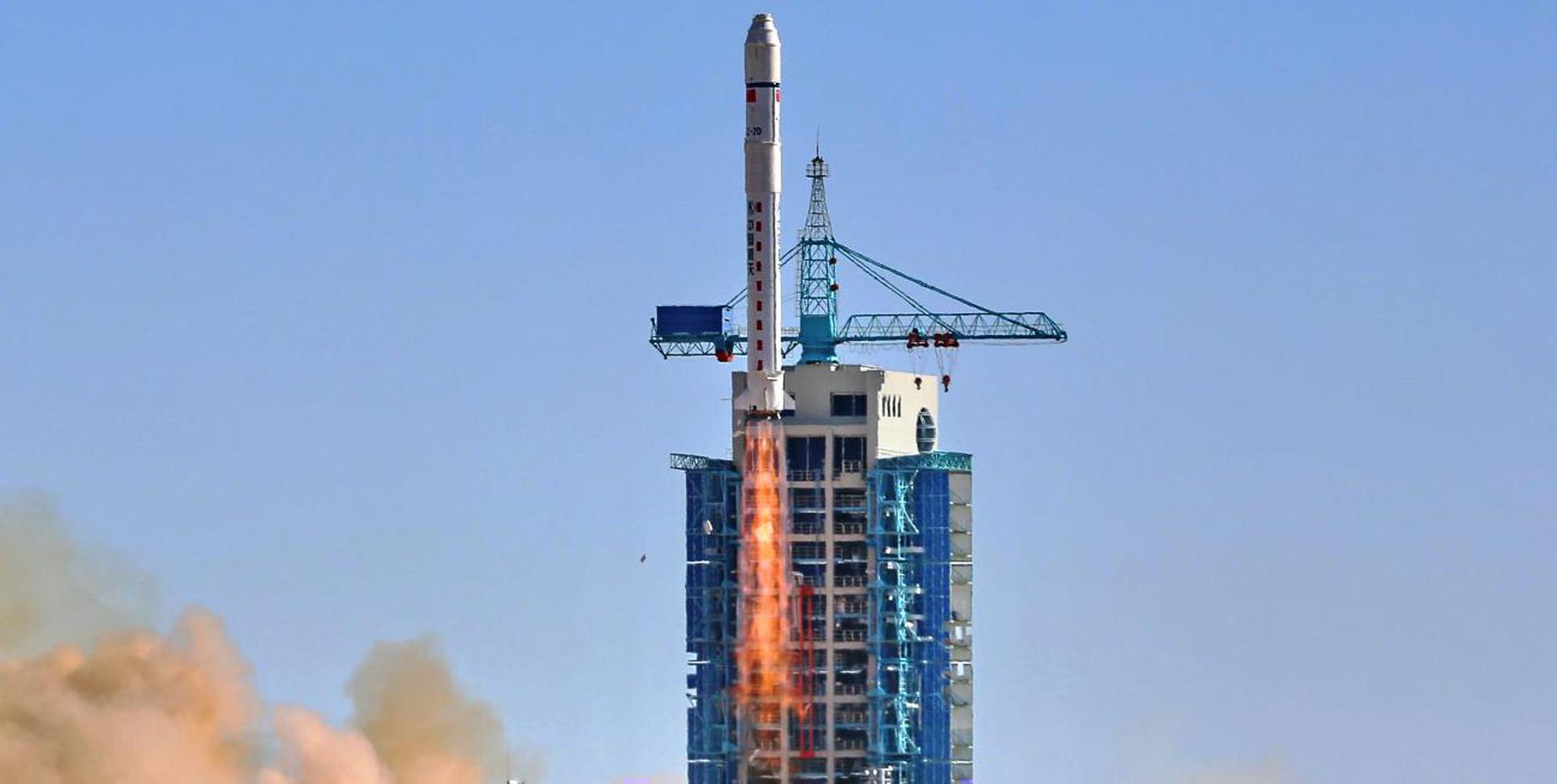
Key developments include China's Shijian 26 satellite launch, U.S. Space Force's BAE Systems contract for missile-tracking satellites, and military advancements in space systems.

ULA Vulcan faces scrutiny after solid booster anomaly on USSF-87 mission. ThinKom wins portable satellite ground station contract. Space Force starts Project Hecate for GPS past 2040.

Today's brief covers defense industry dynamics, advancements in quantum sensor technology, and geopolitical challenges impacting military space operations.

As humanity increasingly relies on satellites, the escalating space junk problem poses a dire threat to our space-based infrastructure. With debris counts reaching alarming levels, urgent action is needed to prevent a cascade of collisions that could make key orbits unusable.
Today's briefing covers the US Space Force's pivotal journeys, emerging hypersonic weaponry, and innovative drone technologies, with a special satellite update featuring Jackal X-1L-001.