


Space Brief 16 Jul 2025
Today's brief covers China's Tianzhou-9 launch to the Tiangong space station, the U.S. Space Force's unfunded MILNET project, and the evolving use of AI in military applications.


Launch Date
April 24, 1998
Launch Site
Launch Pad
LC17A
Launch Vehicle
Delta 7420-10C
NORAD ID
25307
International Designator
1998-023B
Epoch
Fri, 03 Jul 2026 21:10:28 GMT
Apogee
Calculating...
Perigee
Calculating...
Inclination
52.00°
Right Ascension
345.10°
Eccentricity
Calculating...
Argument of Perigee
85.64°
Period
124.33 min
Mean Motion
11.58 rev/day
Latitude
Calculating...
Longitude
Calculating...
Altitude
Calculating...
Velocity
Calculating...
Name
GLOBALSTAR M006
Alternative Name
Globalstar M006
Type
Status
Owner
GLOBT
Country
United States
Constellation
N/A
Related Satellites
Major Events
N/A
1 25307U 98023B 26184.88227638 -.00000104 00000-0 -57027-3 0 9995
2 25307 51.9961 345.0988 0004387 85.6434 81.6639 11.58169972261055
Source: Celestrak
Length
1.5
Diameter
0.6
Span
12
Dry Mass
380
Launch Mass
450
Shape
Box + 2 Pan
Radar Cross Section
2.4068
Visual Magnitude
Unknown
Color
Unknown
Material Composition
Unknown
Payload
Globalstar FM06
Purpose
Communication
Mission
Communication
Manufacturer
LOR
Life Expectancy
7.5 years
Bus
LS-400
Configuration
LS-400
Motor
?
Equipment
?
Power System
2 deployable solar arrays, batteries
ADCS
Unknown
Transmitter Frequency
Unknown
Learn more about satellites and other related topics.
Today's brief covers China's Tianzhou-9 launch to the Tiangong space station, the U.S. Space Force's unfunded MILNET project, and the evolving use of AI in military applications.
SpaceX to launch Koreasat-6A on a record-tying Falcon 9 flight, and 24 Starlink satellites later today.
Today's Space Brief covers major developments in Pentagon procurement methods, strategic satellite intelligence advancements, and increasing interest in drone technology within the defense sector.
SpaceX launches 24 Starlink satellites, pushing its 2025 total beyond 2,000, while facing community pushback in Florida for its Starship operations.
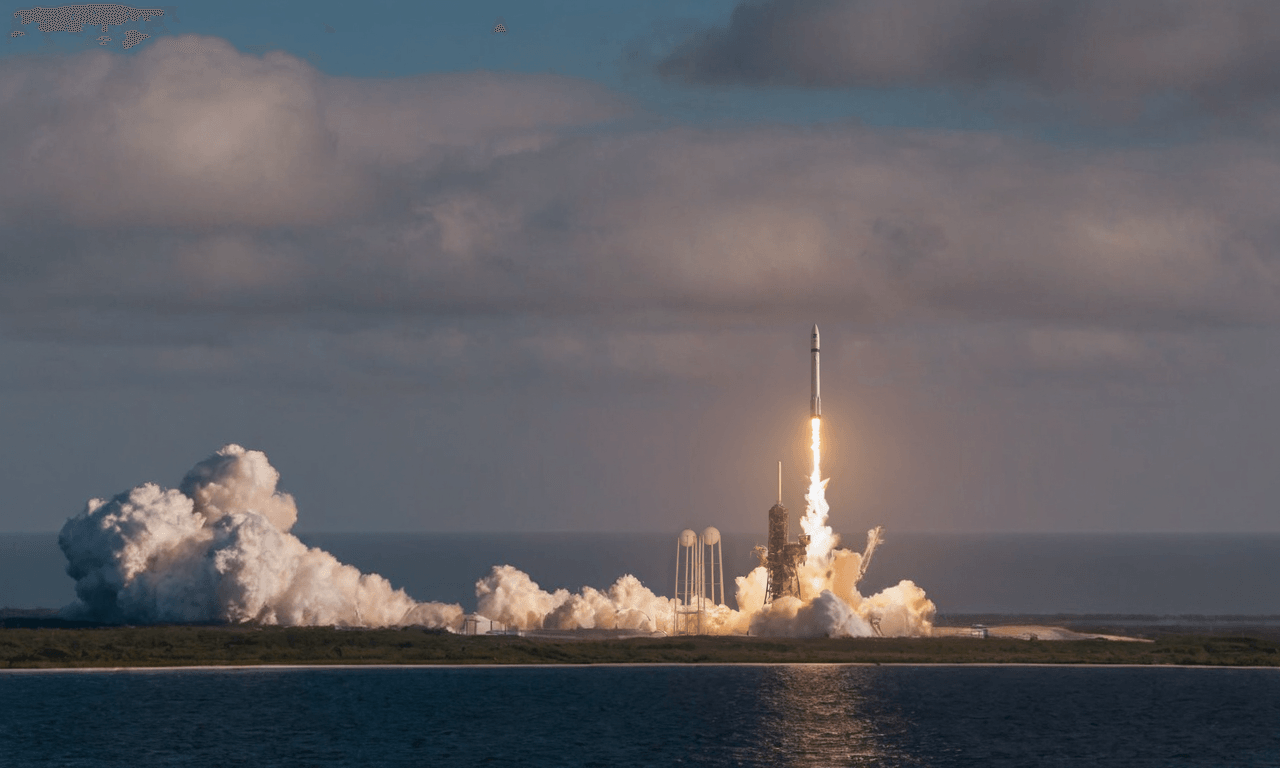
Today's briefing covers an exciting new satellite launch, a significant reentry, and unexpected space debris from a fragmentation event.
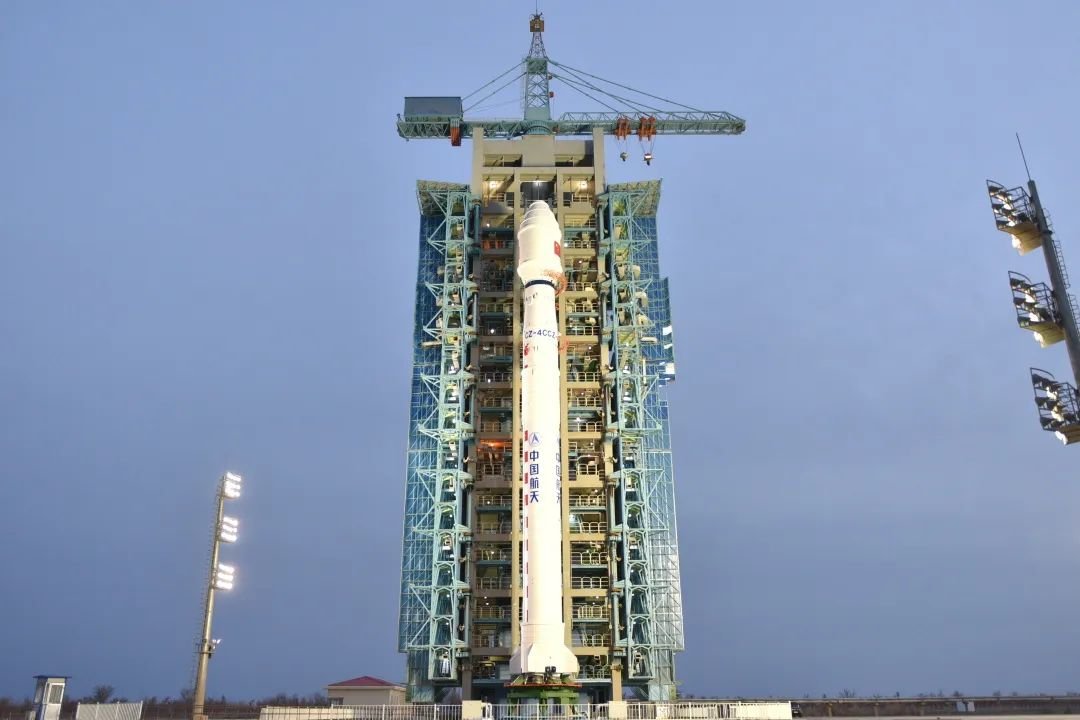
Discover the latest in satellite technology with the launch of the world's first wooden satellite, new test materials for the ISS, and significant developments in orbital space debris.
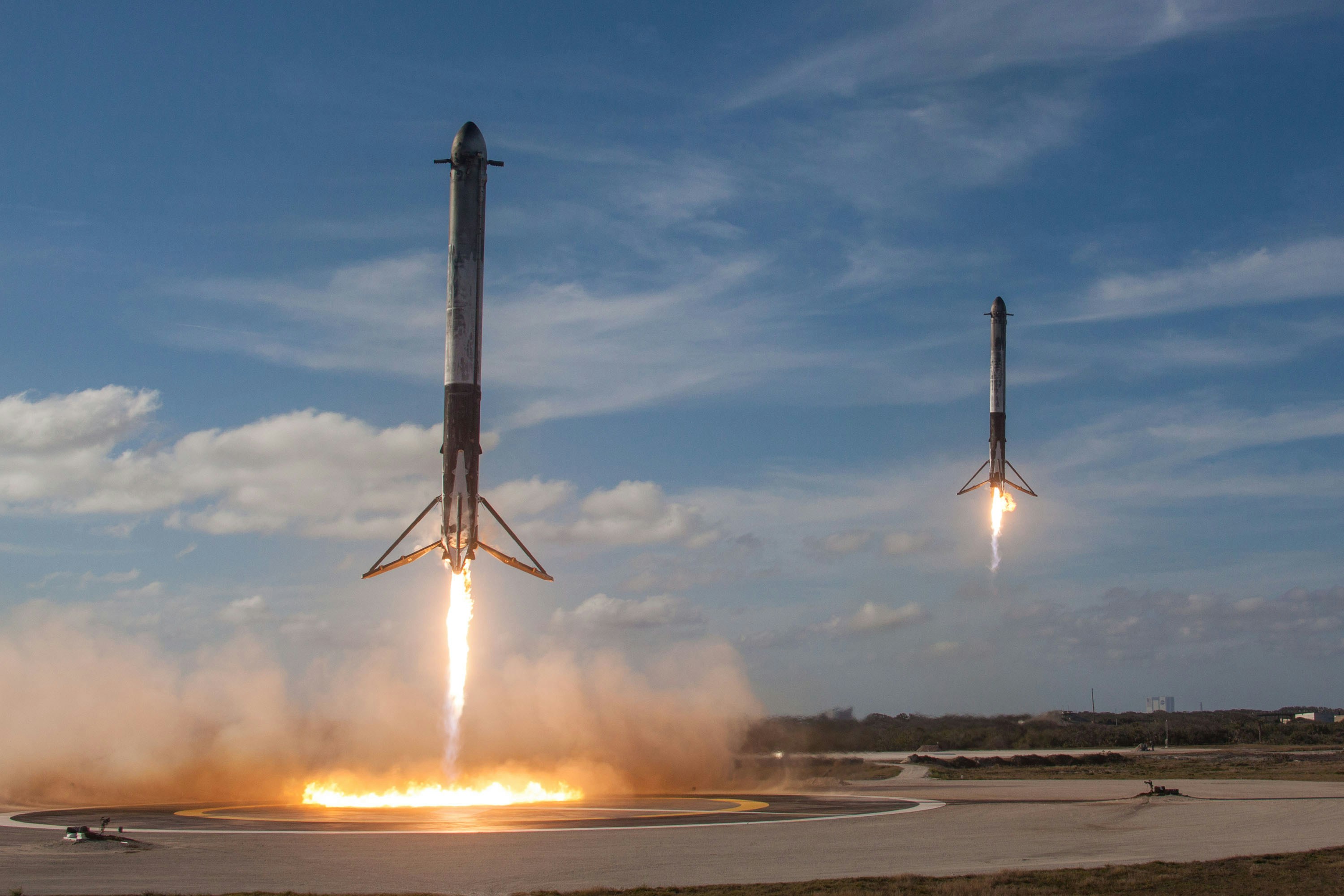
SpaceX marks a significant milestone with its 100th Starlink mission launch and makes impressive progress on lunar lander development for Artemis III.

On May 4, 1989, Space Shuttle Atlantis lifted off from LC-39B carrying Magellan, NASA's first interplanetary mission since 1978. The eleven-year drought ended in a payload bay, and the radar that emerged would map ninety-eight percent of Venus through clouds that no camera could ever see through.