

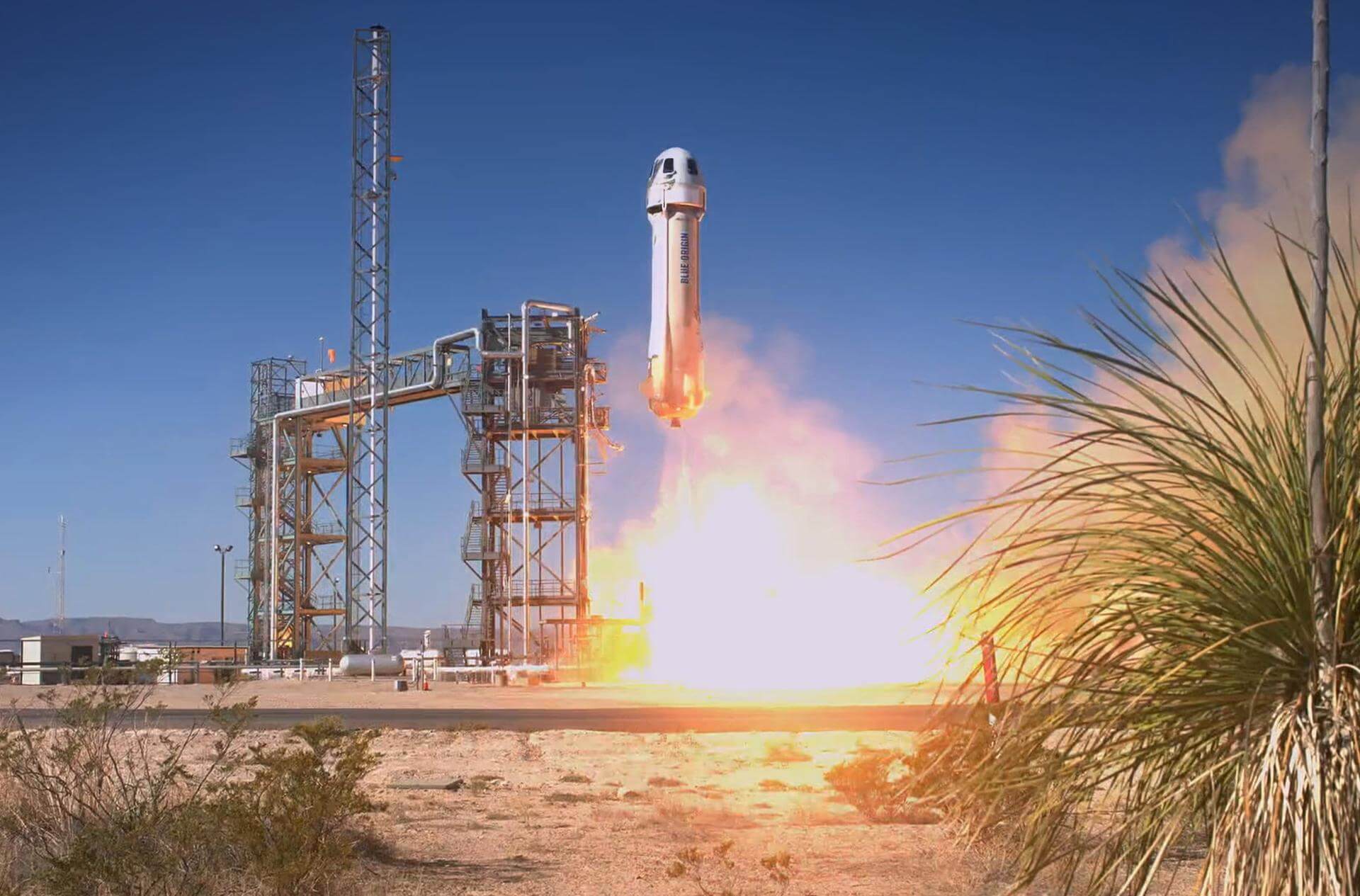
Space Brief 15 Dec 2025
Today's highlights include multiple SpaceX Starlink launches, a successful Rocket Lab mission for JAXA, and a scheduled launch update from Kennedy Space Center.


Launch Date
April 7, 1998
Launch Site
Launch Pad
LC81/23
Launch Vehicle
Proton-K/17S40
NORAD ID
25291
International Designator
1998-021G
Decay Date
6/6/2018
Name
IRIDIUM 68
Alternative Name
Iridium 68
Type
Status
Owner
IRID
Country
United States
Constellation
N/A
Related Satellites
Major Events
N/A
Length
3.5
Diameter
1
Span
5
Dry Mass
556
Launch Mass
662
Shape
Box + 2 Pan
Radar Cross Section
3.5534
Visual Magnitude
Unknown
Color
Unknown
Material Composition
Unknown
Payload
Iridium SV068
Purpose
Communication
Mission
Communication
Manufacturer
MOTO/LMMS
Life Expectancy
8 years
Bus
LM700
Configuration
LM-700A
Motor
?
Equipment
?
Power System
2 deployable solar arrays, batteries
ADCS
Unknown
Transmitter Frequency
Unknown
Learn more about satellites and other related topics.
Today's highlights include multiple SpaceX Starlink launches, a successful Rocket Lab mission for JAXA, and a scheduled launch update from Kennedy Space Center.

Blue Origin reveals plans for 5,400+ satellite constellation targeting enterprise and government with 6 Tbps capacity. SpaceX launches first West Coast Starlink mission of 2026 from Vandenberg.
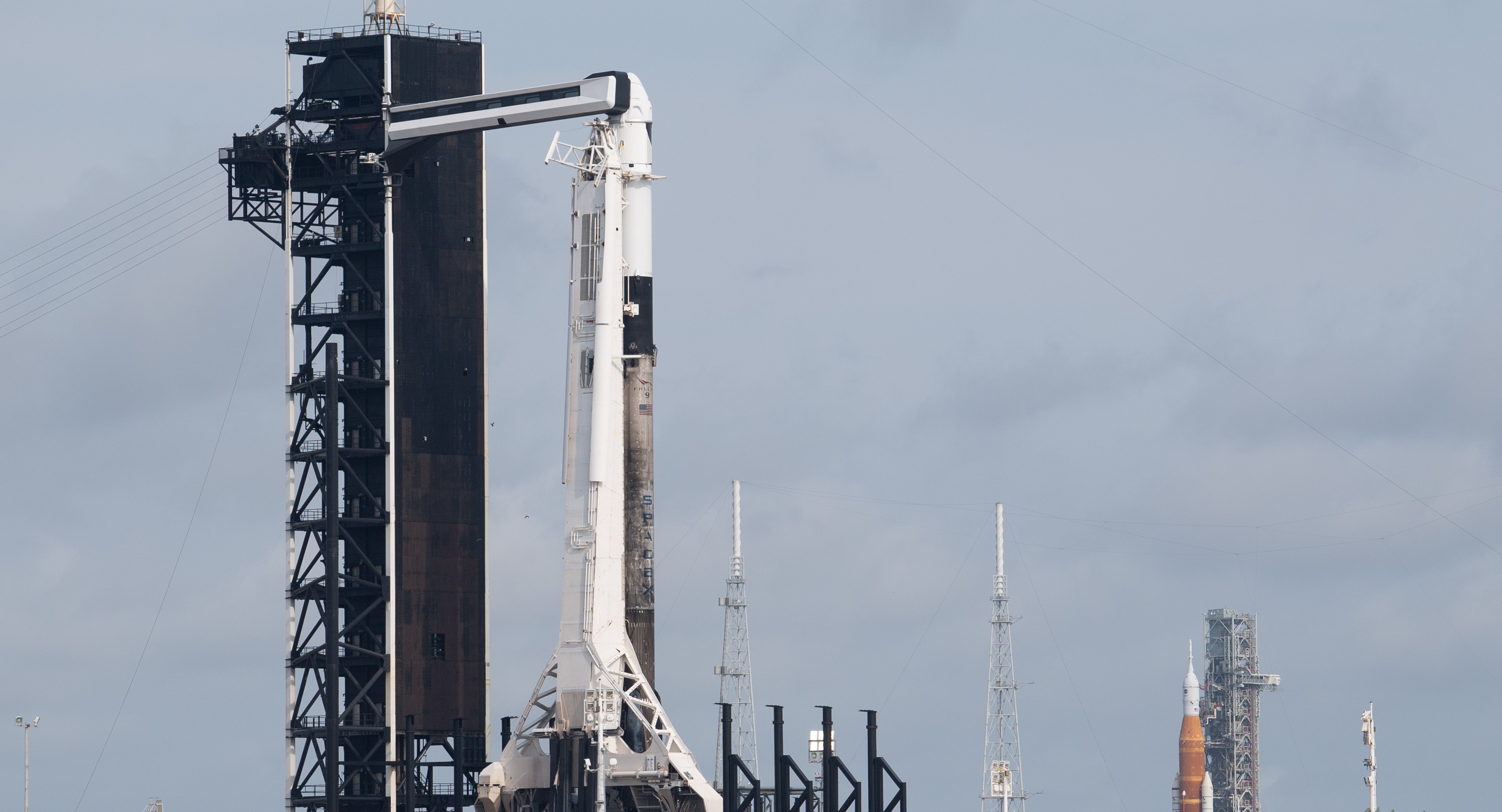
Discover lesser-known aspects of SpaceX's history, achievements, and innovations that have shaped the commercial space industry over the past two decades.

Today's briefing highlights a significant increase in the Pentagon's AI budget, upgrades at the Tiangong space station, cyber threats to satellite operations, and the Moon and Venus conjunction.

The Kessler Syndrome threatens humanity's future in space as cascading satellite collisions create exponential debris growth. With 36,000+ tracked objects and recent incidents accelerating risks, we face a critical juncture: implement solutions now or potentially lose access to low Earth orbit forever.
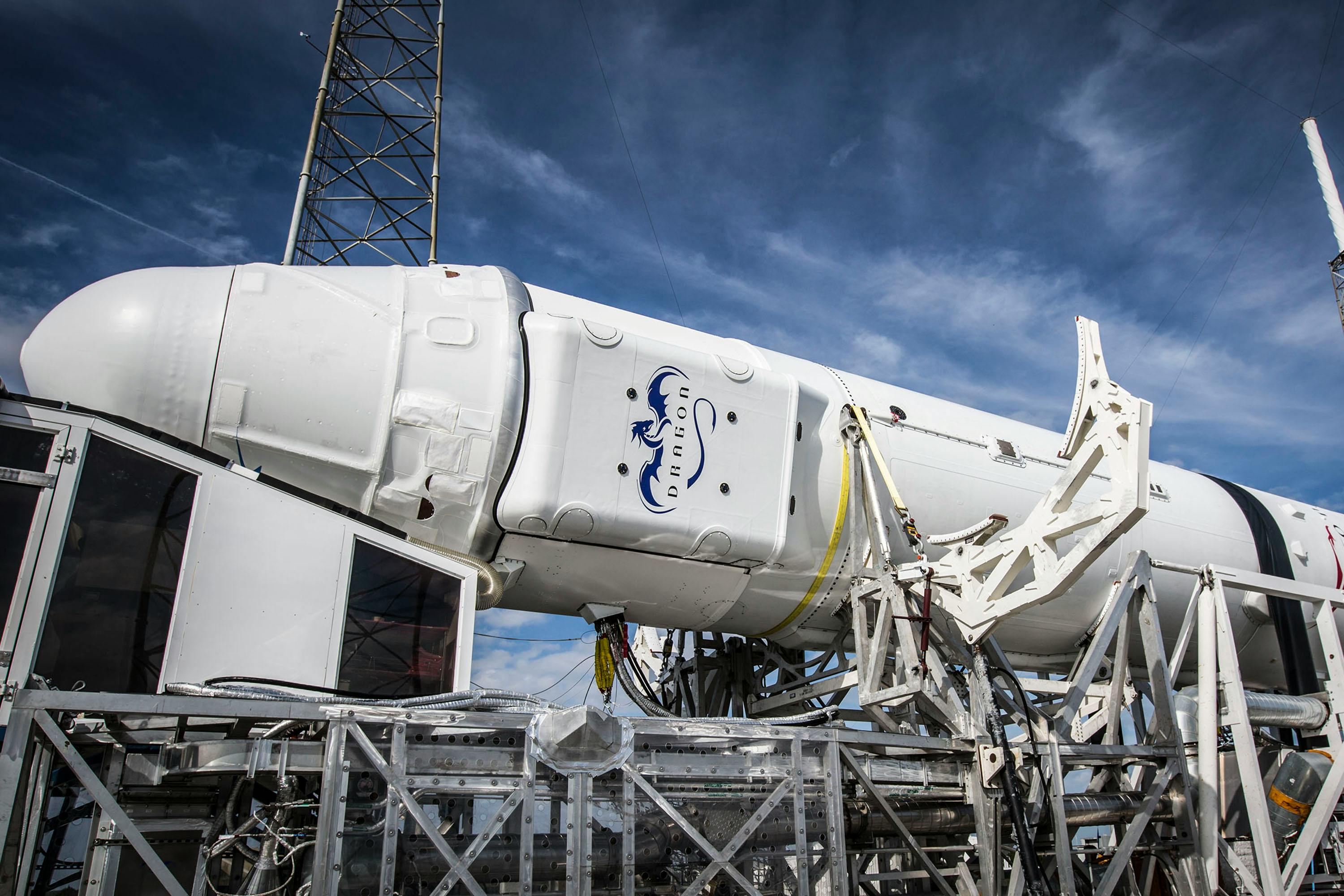
New experiments in space agriculture begin with Fram2 mission, a historic polar orbit flight, and a Starlink launch postponement.
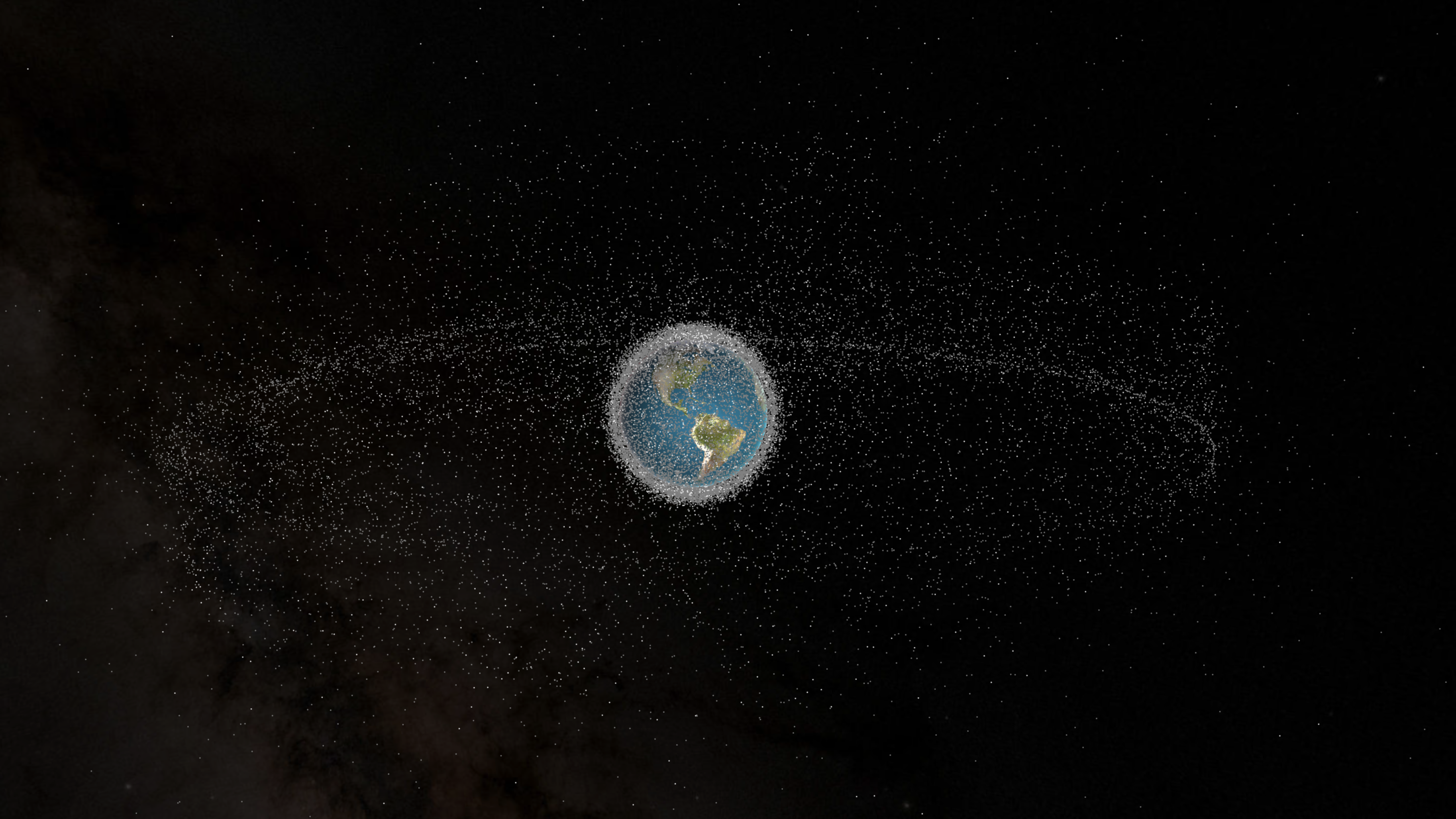
From shattered satellites to exploded rocket stages, space debris poses a growing risk to satellites, space stations, and astronauts. Here's a deep dive into what causes space debris, notable generating events, and what we're doing about it.

Crew-11 launch preparations ramp up, Starship propellant production begins, and a global launch roundup highlights upcoming missions.