

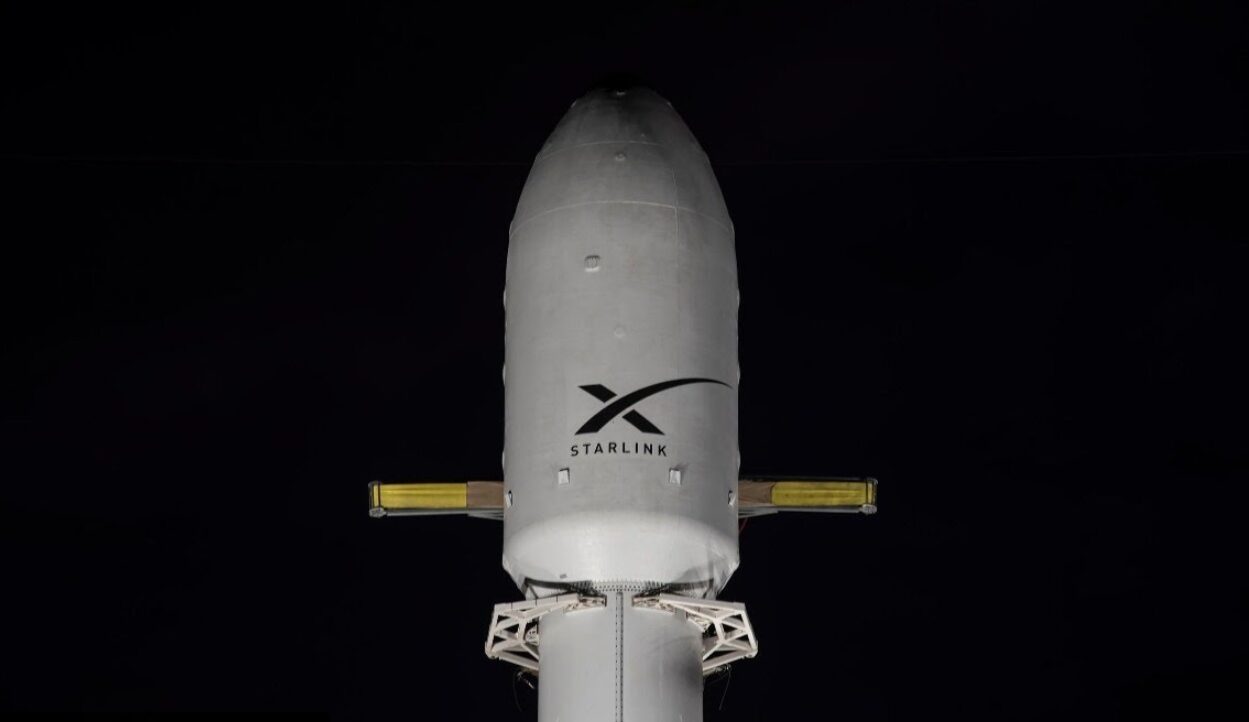
FCC Approves Reflect Orbital Sunlight Satellite | KeepTrack Space Brief
FCC clears Reflect Orbital's first satellite to bounce sunlight into nighttime zones, despite pushback from astronomers concerned about orbital streaking and wildlife impacts.



Launch Date
March 25, 1998
Launch Site
TAISC
Launch Pad
LC7
Launch Vehicle
Chang Zheng 2C-III/SD
NORAD ID
25267
International Designator
1998-018F
Decay Date
3/30/1998
Name
CZ-2C DEB
Alternative Name
CZ-2 retro cover
Type
Status
Owner
CASC1
Country
China
Constellation
N/A
Related Satellites
Major Events
N/A
Length
0.2
Diameter
0.2
Span
0.2
Dry Mass
1
Launch Mass
1
Shape
Cone
Radar Cross Section
0.05
Visual Magnitude
Unknown
Color
Unknown
Material Composition
Unknown
Payload
Unknown
Purpose
Unknown
Mission
Unknown
Manufacturer
Unknown
Life Expectancy
Unknown
Bus
Unknown
Configuration
Unknown
Motor
Unknown
Equipment
Unknown
Power System
Unknown
ADCS
Unknown
Transmitter Frequency
Unknown
Learn more about satellites and other related topics.
FCC clears Reflect Orbital's first satellite to bounce sunlight into nighttime zones, despite pushback from astronomers concerned about orbital streaking and wildlife impacts.
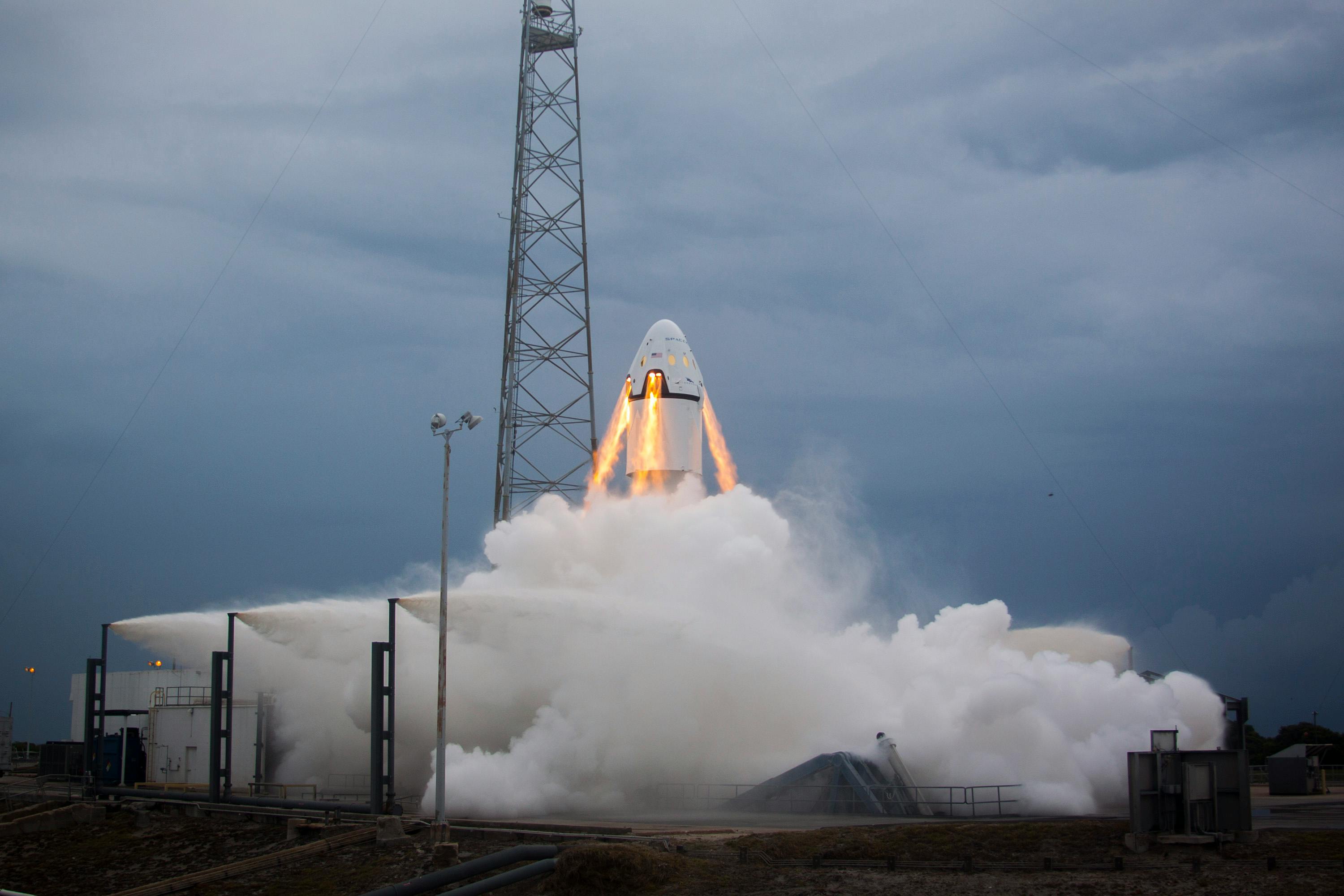
SpaceX secured a $178.5M Space Force contract to launch missile-tracking satellites from 2027, backing the Missile Track Custody threat-tracking layer.

SpaceX launches multiple satellites, prepares for Starship Flight 6, and exciting collaborations with AST SpaceMobile.
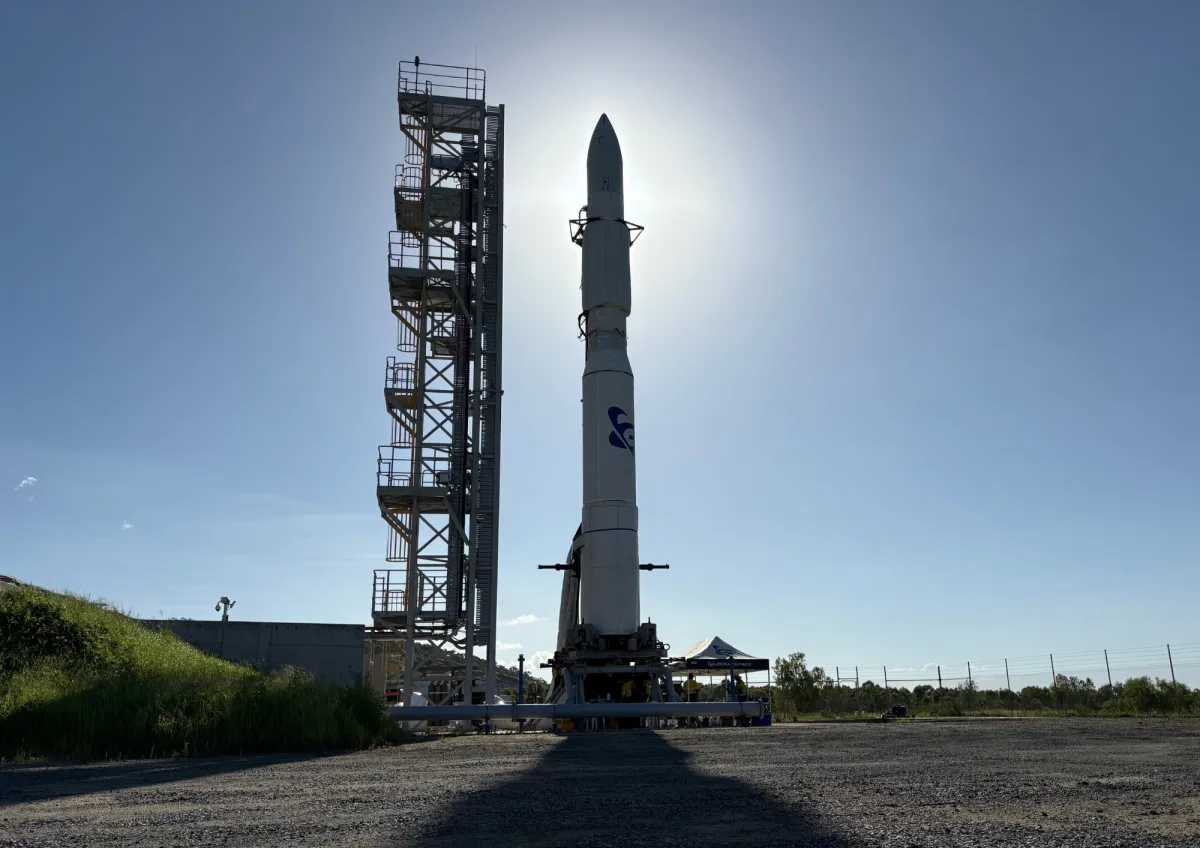
Today's briefing highlights SpaceX's recent launch of spy satellites, a US Space Force contract for deep space tracking, and advancements in quantum communications in space.

Explore the latest in satellite launches and space reconnaissance as Lockheed Martin, SpaceX, and military entities push forward with innovative missions. A new propulsion clean room marks growth in satellite tech.

Today's briefing covers the U.S. Space Force's substantial investments in commercial satellite services, a strategic military shift, Chinese space station upgrades, and NASA's policy changes.
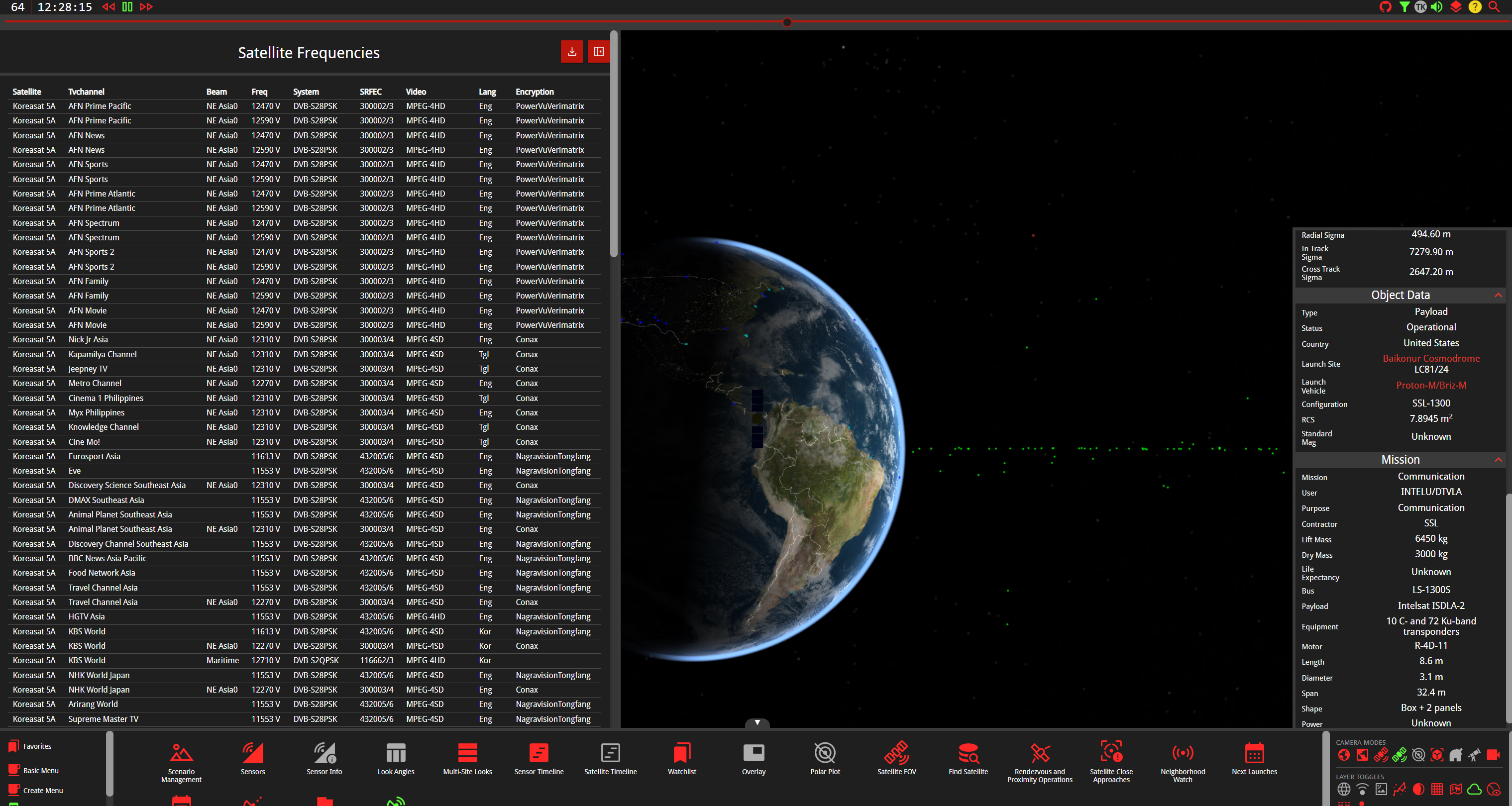
The workhorse frequency band that quietly powers satellite communications, weather radar, and Wi-Fi around the world
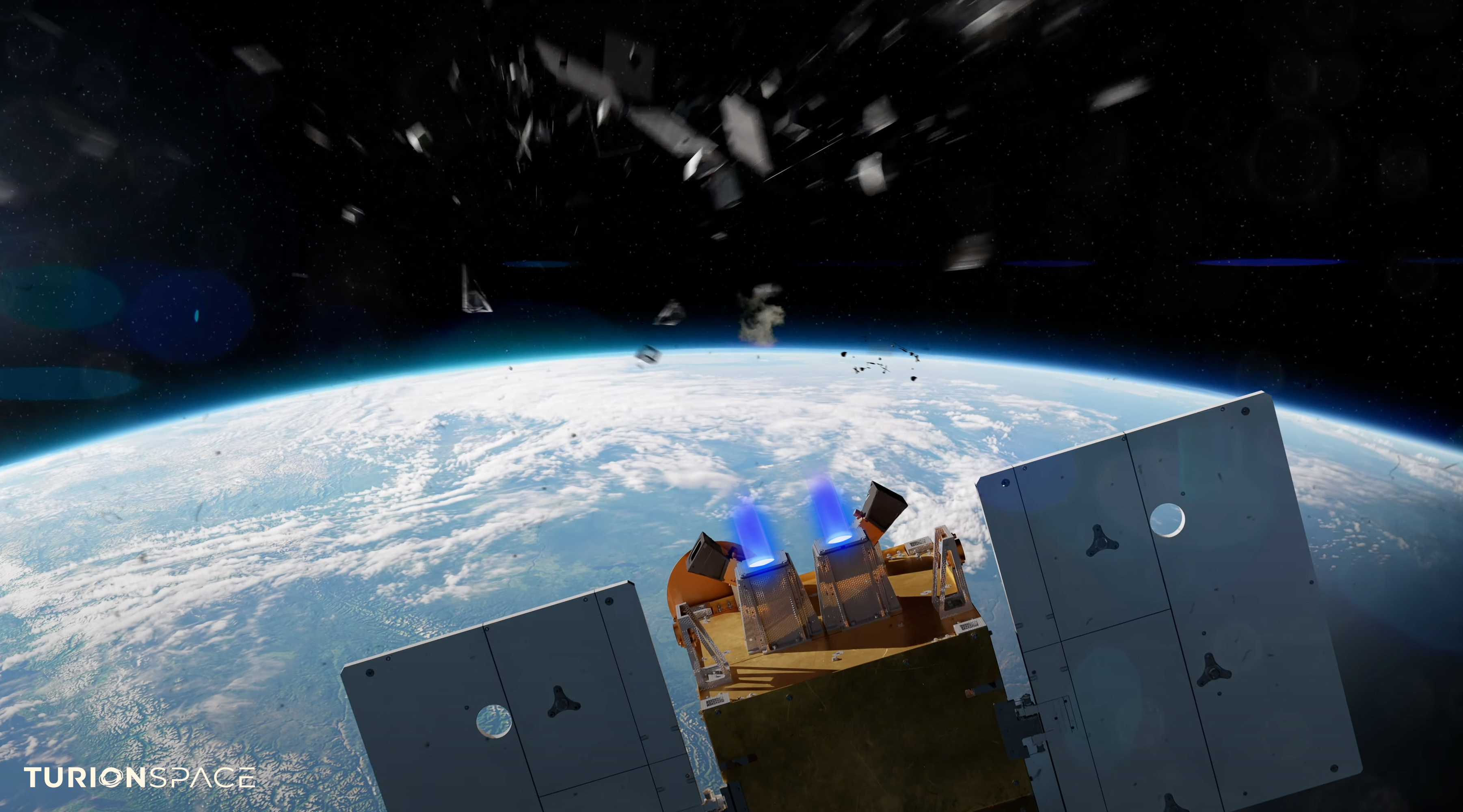
A 90-kilogram spacecraft with iodine thrusters and two Australian-built cameras is quietly building the case that tracking space debris is a business worth billions - and that a four-year-old startup from Irvine can own it.