


Space Brief 2 Jul 2025
Explore today's major events in space, including military advancements in satellite tracking, new missile defenses, and significant defense funding decisions.


Launch Date
February 26, 1998
Launch Site
WRAS
Launch Pad
RW30
Launch Vehicle
Pegasus XL
NORAD ID
25234
International Designator
1998-012B
Decay Date
10/9/2000
Name
BATSAT
Alternative Name
T1
Type
Status
Owner
TELD
Country
United States
Constellation
N/A
Related Satellites
Major Events
N/A
Length
0.2
Diameter
1
Span
4.3
Dry Mass
69
Launch Mass
69
Shape
Cyl + 2 Pan + Ant
Radar Cross Section
2.4071
Visual Magnitude
Unknown
Color
Unknown
Material Composition
Unknown
Payload
BATSAT
Purpose
Experimental Communication
Mission
Experimental Communication
Manufacturer
OSCG
Life Expectancy
2.5 years
Bus
Microstar
Configuration
MicroStar (triple)
Motor
?
Equipment
Ka-band transponder
Power System
2 deployable solar arrays, batteries
ADCS
Unknown
Transmitter Frequency
Unknown
Learn more about satellites and other related topics.
Explore today's major events in space, including military advancements in satellite tracking, new missile defenses, and significant defense funding decisions.

An in-depth look at CelesTrak, the leading non-profit provider of orbital element sets and collision assessment tools, trusted by space professionals worldwide.

SpaceX successfully launched another batch of Starlink satellites in a night mission, marking a significant return to evening launches post-regulations.
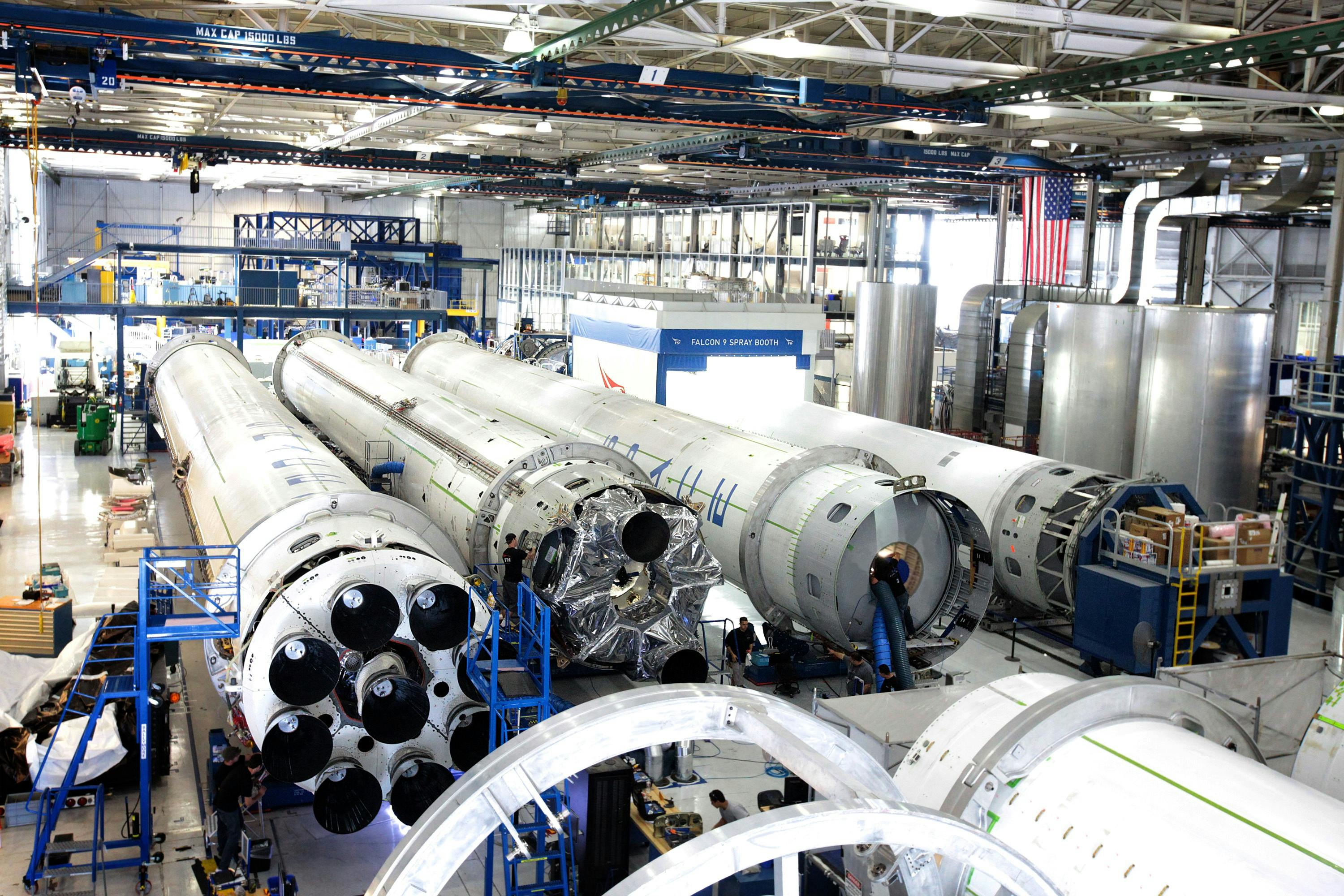
SpaceX prepares for a record-setting launch of Starlink satellites, while Iridium faces challenges against SpaceX's expanding services.

Today's highlights include Rocket Lab's progress on the Space Force's VICTUS HAZE mission, BlackSky's new government contract, and AEI's policy recommendations for Space Force restructuring.
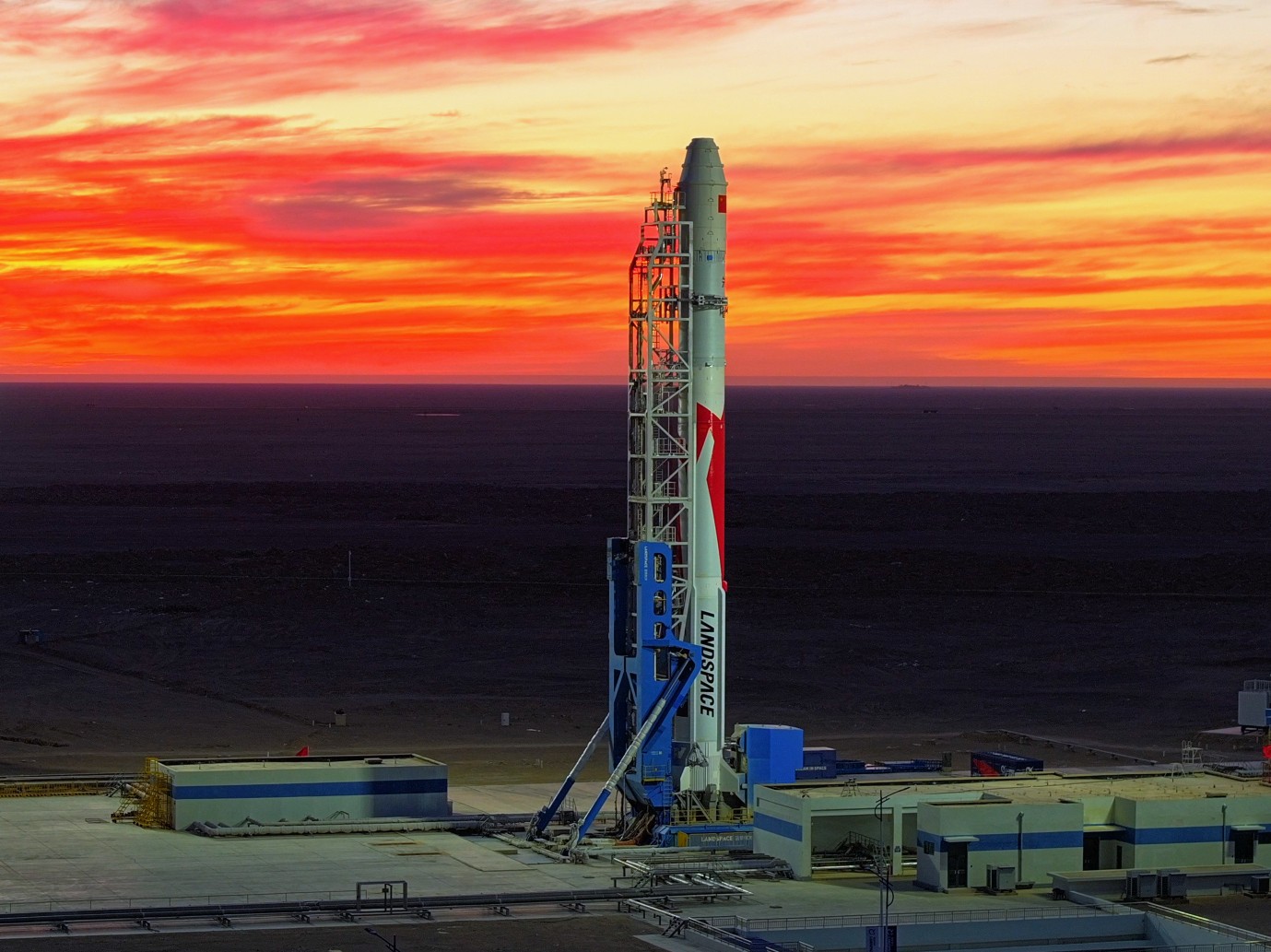
Artemis 2 astronauts arrive at KSC for April 1 launch. Four-person crew will fly lunar free-return trajectory, first crewed lunar mission since Apollo 17 in 1972.

Falcon Heavy flew for the first time in eighteen months on April 29, 2026, expending its center core to push Viasat's final ViaSat-3 satellite toward geostationary orbit. The mission is a flagship rocket doing what only it can still do, for an operator betting six tons of high-throughput hardware on a market Starlink is rapidly redefining.
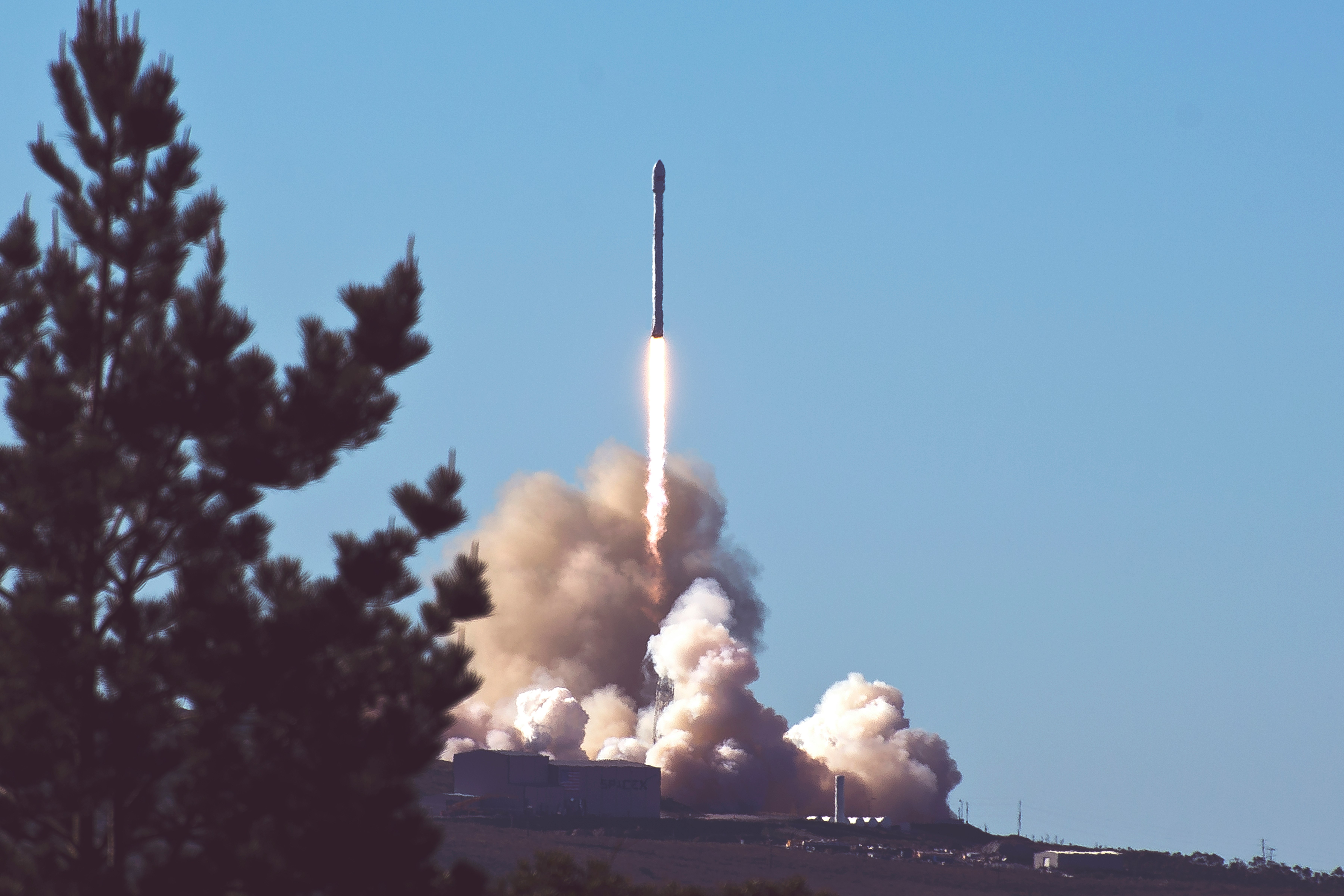
SpaceX successfully launched 28 Starlink satellites and settled a lawsuit, while Starlink's performance faces scrutiny in Ukraine. Additionally, MTN is enhancing Starlink's business services.